When a phrase like "todd and theo sabatini search" starts moving through New York group chats, the useful question is not how fast to repost it. It is how to act without adding noise. In NYC, missing-person response runs through 911, local precincts, the NYPD Missing Persons Squad, and city alert channels such as Notify NYC. Families, neighbors, commuters, doormen, school staff, and small-business owners can help most by preserving facts, reporting quickly, and following official instructions. This guide is built for a concerned New Yorker who wants a calm, practical public-learning plan before, during, or after a search.
Want a city-specific safety checklist before you share or search? Text Karpo for NYC precinct links, alert sign-up steps, and a calmer way to help your family act quickly.

Call 911 From Your NYC Apartment or Sidewalk
If you believe someone is missing, kidnapped, or involved in a kidnapping scam, NYC311 directs New Yorkers to call 911. The city also states that there is no 24-hour waiting period before reporting a missing person. That point matters in apartment buildings, subway transfers, after-school pickups, and nightlife districts where minutes can change the first search radius. Start with the last confirmed sighting, clothing, medical needs, phone status, and likely destinations.
Keep one person on the phone and one person gathering details. Avoid sending relatives across the city before police have the basics, because scattered family searches can create duplicate sightings and missed calls. If the person may be in immediate danger, has cognitive disabilities, is a child, or may be suicidal, say that plainly. Do not guess addresses, accusations, or timelines. If a detail is uncertain, label it as uncertain so responders can sort it properly.
Use NYC311 to Find the Right Precinct Desk
After a report exists, NYC311 says you can contact a police precinct to check status or provide additional information. For downtown Manhattan, the NYPD 1st Precinct page lists its station at 16 Ericsson Place and gives separate numbers for the precinct desk, Community Affairs, Crime Prevention, and Detective Squad. Use those published numbers rather than screenshots from social media, especially if a post has been reshared without a date.
The tradeoff is speed versus accuracy. Calling every visible number may feel active, but it can slow staff and frustrate families. A better pattern is to assign one family contact, keep a written call log, and route updates through the precinct or detective handling the report. If the missing person was last seen outside your precinct, use NYC’s precinct finder by address or ZIP code instead of assuming the nearest station controls the case.
Read Notify NYC Alerts Before Reposting Screenshots
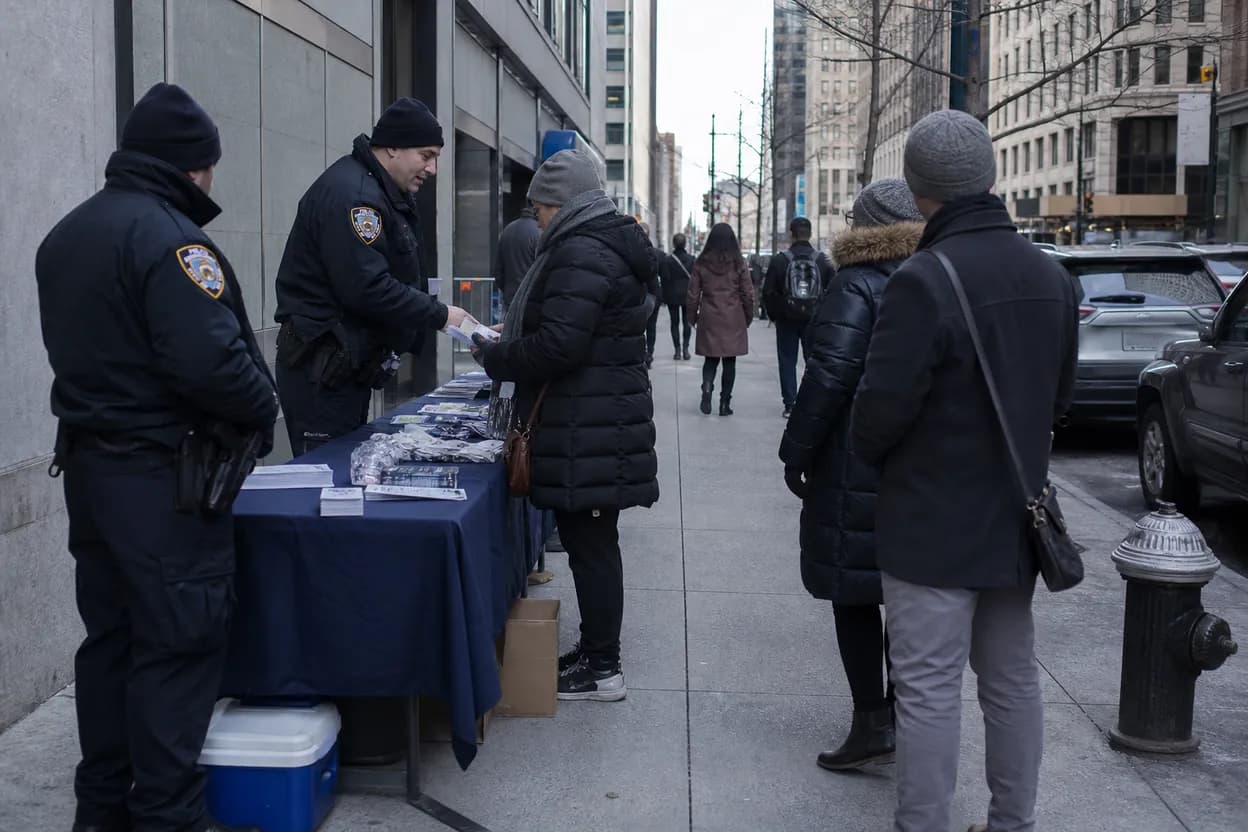
Notify NYC is operated by NYC Emergency Management and is the city’s official emergency communications program. Its site says staff monitor emergency activity around the clock and send messages through text, email, phone, RSS, social channels, and the app. Missing-person alerts are part of the emergency alert category and may be sent citywide or locally depending on the alert type and public-safety need.
For New Yorkers with accessibility needs, Notify NYC is especially useful because the city describes multiple delivery formats, including phone options and American Sign Language videos in many cases. Text-only sign-up is simple: text NOTIFYNYC to 692-692, then reply with a ZIP code when prompted for neighborhood alerts. If no official alert appears, do not treat that absence as proof nothing is happening. It may mean the case does not meet a public-alert threshold yet.
Separate AMBER, Silver, and Missing Child Alerts on Your Phone
Notify NYC’s FAQ distinguishes several required missing-person alert types. AMBER Alerts involve confirmed child abductions issued by the National Center for Missing and Exploited Children. Silver Alerts involve at-risk seniors issued by the NYPD. Missing Child Alerts and Missing College Student Alerts may be issued by New York State Police when the person is endangered and believed to be in or traveling through the NYC area.
That taxonomy helps families choose the right action. An AMBER Alert on your phone may ask for vehicle or suspect information; a Silver Alert may focus on a senior’s description and likely neighborhood. Do not rewrite the alert to make it more dramatic, and do not add unverified names, photos, or allegations. If you spot someone who appears to match an official alert, call the listed authority or 911 instead of approaching aggressively.
Bring Clear Notes to the NYPD 1st Precinct Community Affairs Unit
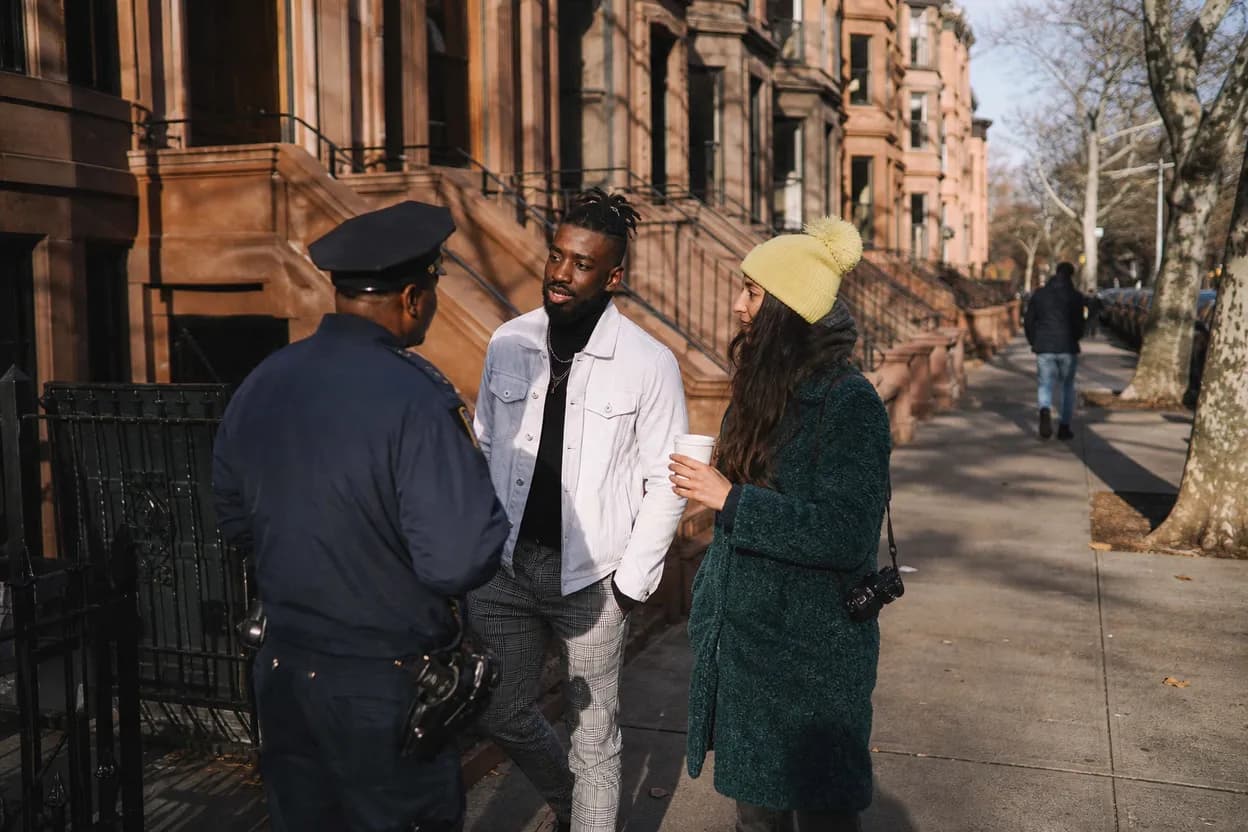
The 1st Precinct Community Affairs Unit is a practical learning stop for residents of Tribeca, SoHo, Wall Street, and nearby Lower Manhattan blocks, not a substitute for 911. The NYPD describes Community Affairs as a bureau that builds relationships with residents, civic groups, block associations, and community leaders while sharing police-service resources. For a family, that can mean understanding local contact channels before panic starts.
Arrive with concise questions: how to update a report, which number to use after hours, how local alerts are shared, and how block associations can circulate verified information. Bring identification if you are connected to the case, but expect privacy limits. Staff may not disclose investigative details. The useful outcome is a contact map, not inside information. If mobility, hearing, language, or caregiving needs affect your visit, call first.
Choose the Subway, Bus, or Car Search Plan Carefully
NYC searches often cross transit lines faster than neighborhoods. A person last seen near Fulton Street may plausibly reach Brooklyn, Queens, New Jersey-bound PATH connections, or another Manhattan precinct quickly. Families should note subway station entrances, bus routes, ride-share pickup points, bike-share docks, and building lobbies, but should avoid blocking platforms, entering restricted track areas, or following strangers based on a vague resemblance.
Bad weather, late-night service changes, elevators out of service, and phone battery loss can all distort a timeline. Build backup logic around verifiable moments: turnstile time if available to investigators, a confirmed text, a receipt, a building camera location, or a witness willing to speak with police. If a search group includes children, older adults, or disabled relatives, keep them near a known base with chargers, bathrooms, and transit access.
Verify the Last Official Action Before You Share Again
Before reposting, check the latest NYPD Missing Persons page, the relevant precinct page, Notify NYC, NYC311 guidance, and any official alert account named in the message. If the information came from a friend, ask where it originated and whether the family or police still want it circulated. Searches can resolve, descriptions can change, and outdated posts can keep phone lines busy after officials need different tips.
Your final action should be concrete and low-risk: save 911 for active emergencies, use the NYPD Missing Persons Squad number listed by the department for information about a classified missing person, and use Crime Stoppers only where the city directs tips. If you cannot confirm a date, photo source, alert status, or requesting agency, say so and wait. In a missing-person case, restraint can be part of public safety.
Tags: #NYC #NewYorkCity #PublicSafety #MissingPersons #NYPD #NYC311 #NotifyNYC #LowerManhattan #Tribeca #SoHo #CommunityAffairs #NeighborhoodGuide #AskKarpo #BeforeYouGo
Sources consulted: Source 1: nyc.gov · Source 2: portal.311.nyc.gov · Source 3: a858-nycnotify.nyc.gov · Source 4: a858-nycnotify.nyc.gov · Source 5: nyc.gov · Source 6: nyc.gov
All trademarks are the property of their respective owners.
Ask Karpo first
Tell Karpo your date, group size, budget, and starting point. We’ll check current access, timing, transit, and the cleanest New York City plan for NYPD 1st Precinct Community Affairs Unit before you head out.