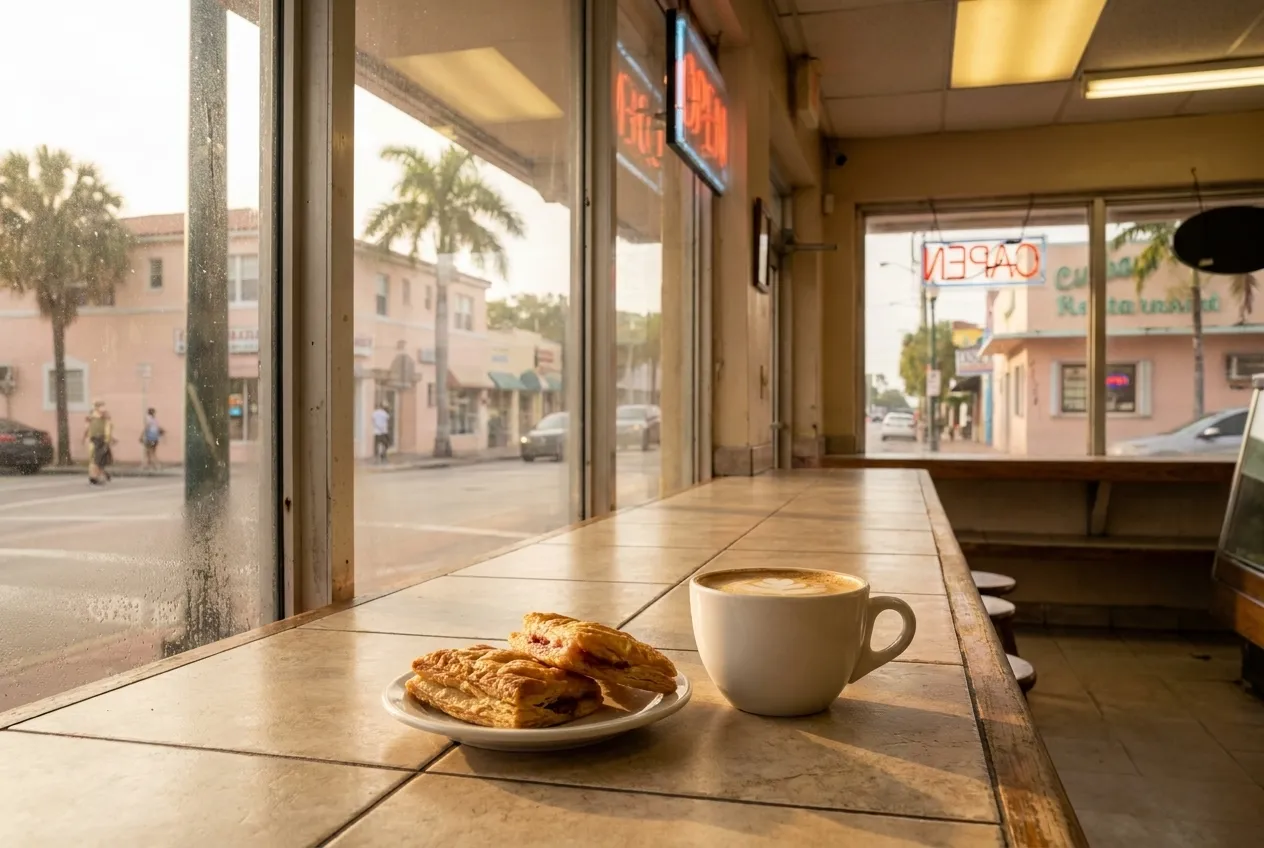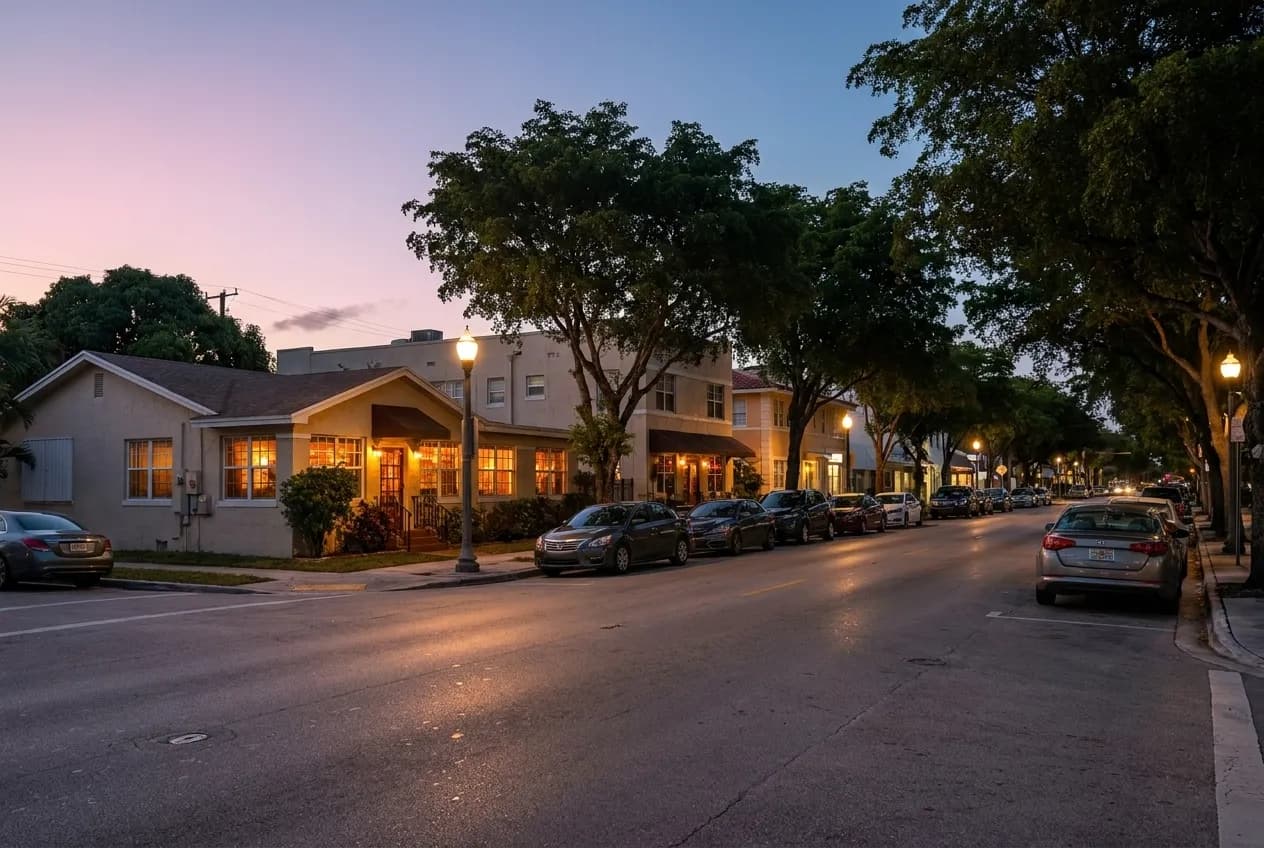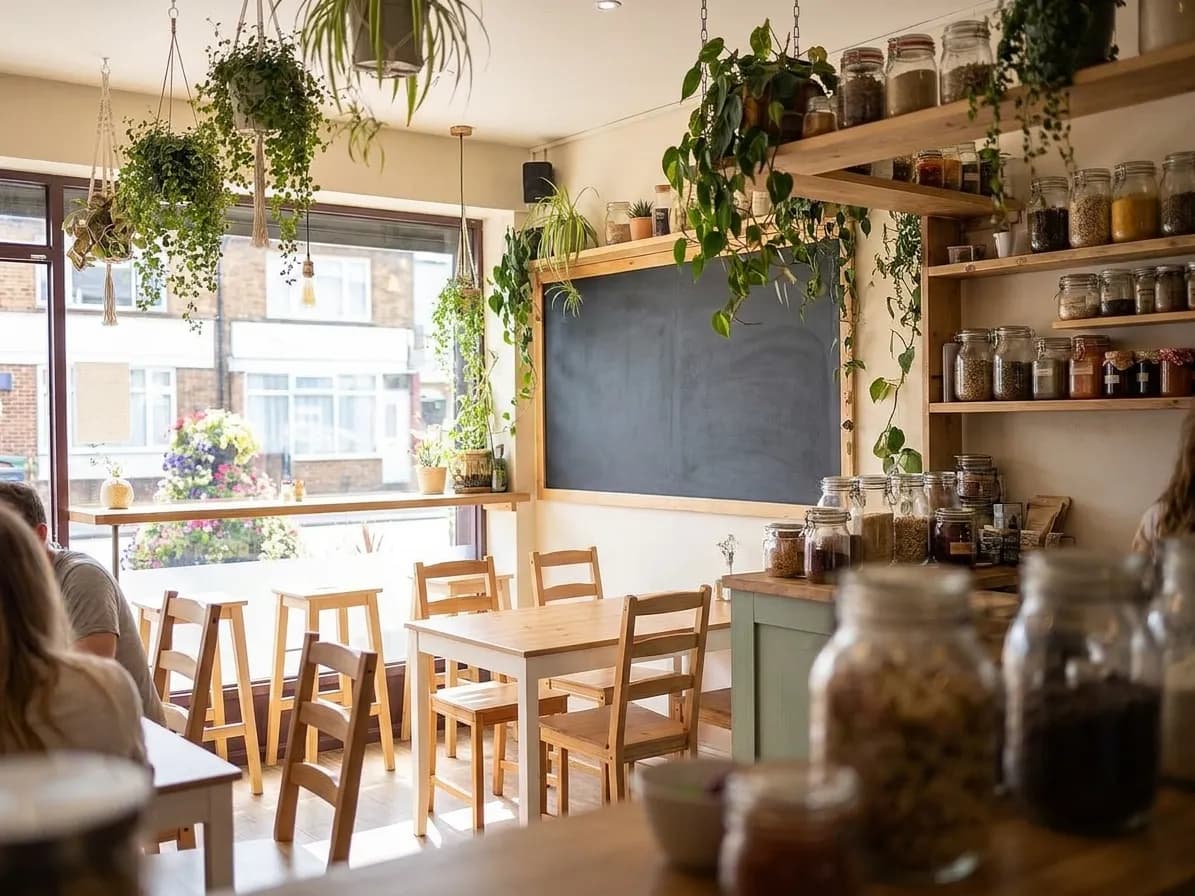
Searching vegan salad near me in Miami returns two categories that behave completely differently. There are fully plant-based kitchens, where everything on the menu is vegan and the question does not arise. And there are conventional restaurants with vegan options, where a salad is vegan until somebody adds the house dressing. For most people most of the time the second category is fine. For anyone who is strict, or allergic, or simply tired of asking, the distinction matters, and Miami has more of the first category than its reputation suggests — concentrated in specific neighbourhoods that are not the ones visitors spend time in.
Karpo can find fully plant-based kitchens near you in Miami and flag which conventional menus have genuinely vegan dressings.
Dressing is where dairy hides
The single most common failure in a supposedly vegan salad is the dressing. Ranch, caesar, blue cheese and most creamy dressings contain dairy; caesar also usually contains anchovy, which surprises people who have not thought about it. Honey appears in a large number of vinaigrettes and is a question for anyone strict about it.
The safe defaults are oil and vinegar, citrus vinaigrettes, and tahini-based dressings. If you are asking, ask specifically about the dressing rather than about the salad, because a kitchen will confidently say a salad is vegan while holding a bottle of buttermilk ranch. Ask what is in it rather than whether it is vegan, and the answer is more reliable.
Fully plant-based kitchens, and why they are easier
A restaurant where the whole menu is plant-based removes every one of these questions. There is no dairy in the building, no cross-contamination on the grill, no ambiguity in the dressing, and no negotiation with a server. For anyone who eats this way regularly, that is worth travelling for.
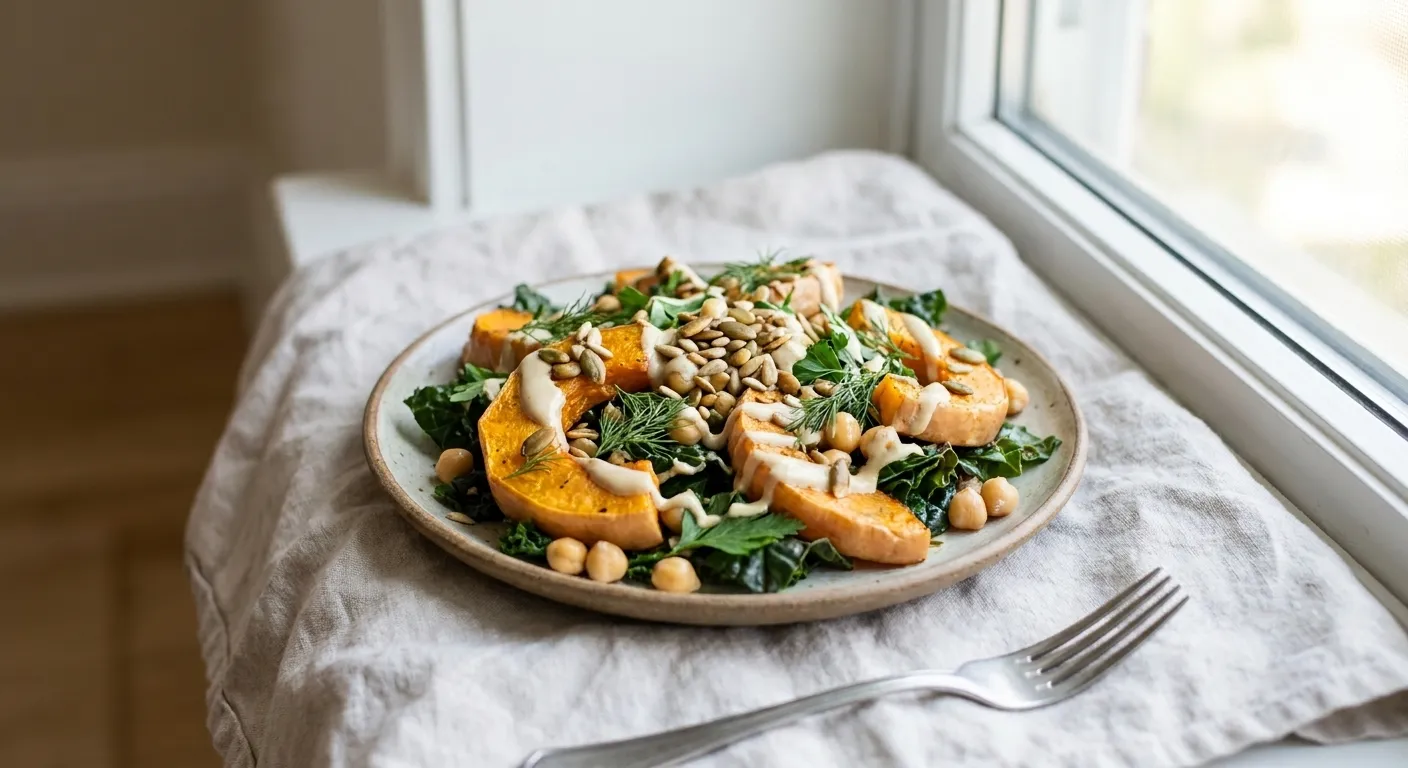
It also generally produces better food. A kitchen that cooks plant-based as its entire proposition has thought about protein, fat and texture in a way that a conventional kitchen offering one vegan salad has not. The difference is usually visible on the plate: legumes, nuts, roasted vegetables, fermented elements and a properly constructed dressing rather than leaves and a token grain.
Where they are in Miami
The concentration is not where visitors look. Wynwood, the Design District and the Upper East Side hold most of the design-led plant-based restaurants; North Miami and the neighbourhoods along Biscayne have a longer-standing set of vegan and vegetarian kitchens, several with roots in the Caribbean and Rastafarian food traditions; and the Coconut Grove and South Miami areas carry the health-food end.
The Caribbean vegan tradition in particular is worth seeking out and is almost entirely absent from mainstream coverage. Ital cooking — the Rastafarian tradition of unprocessed plant-based food — has a real presence in this city and produces some of the best vegan eating available anywhere in it, usually at prices well below the Wynwood equivalents.
Price is worth a word. The design-led plant-based restaurants in Wynwood and the Design District are priced at or above the general Miami market, while the older vegan and Caribbean kitchens further north are frequently among the cheapest full meals in the county. The food is not worse at the cheaper end; the postcode is simply different.
Cross-contamination, and when it matters
For someone avoiding animal products by choice, a shared grill is generally not a concern. For someone with a dairy allergy, it is, and the honest position is that a conventional kitchen cannot guarantee much: the same tongs, the same board, the same fryer oil.
If it matters medically, say so explicitly rather than saying you are vegan, because kitchens treat allergy information differently from preference information and route it differently. And if it matters a great deal, a fully plant-based kitchen is the only genuinely reliable answer, which is the practical case for knowing where they are.
Language helps at a Latin American restaurant, where the useful phrase is sin carne y sin queso rather than a request for the vegan option. Most Cuban, Colombian and Venezuelan kitchens will happily assemble a plate of rice, beans, plantain, yuca and salad, and the results are frequently better than a dedicated menu item. Asking in the kitchen's own terms gets a better answer than asking in dietary ones.
Building a vegan salad that is actually a meal
The failure mode is the same as with any salad and worse without cheese or meat to carry it: leaves and vegetables with a light dressing is a side dish. What makes a plant-based salad a meal is a legume or soy protein in a real portion, a fat source such as nuts, seeds, avocado or tahini, and something starchy — a grain, roasted potato or bread.
The other lever is umami, which is what most vegan salads lack. Roasted mushrooms, sun-dried tomato, miso or soy in the dressing, olives, capers, or anything fermented transforms a bowl that tastes healthy into one that tastes like food. Kitchens that understand this are the ones worth returning to, and you can usually tell from the menu whether they do.
Asking well at a conventional restaurant
Most Miami restaurants will happily adapt a salad, and the request that works is specific and positive: no cheese, dressing on the side, and could they add beans or avocado. That gets a better result than asking whether anything is vegan, which frequently produces the one sad menu item that exists for exactly that question.
Latin American kitchens are often the easiest to work with here, because so much of the tradition is already plant-heavy: black beans, rice, plantain, yuca, avocado and salad are all standard components. A plate assembled from those at a Cuban or Colombian restaurant is frequently a better vegan lunch than anything on a dedicated menu, and it costs less.
One last practical note: Miami's plant-based restaurants have a higher turnover than most categories, with new rooms opening and others closing within a year or two. Confirm a place is still trading before driving across the county to it, and where you find one that is good and established, use it — that is what keeps it there.
Tags: #VeganMiami #SaladNearMe #PlantBased #MiamiFood #Wynwood #NorthMiami #DesignDistrict #VeganFood #Ital #MiamiEats #HealthyEating #NeighborhoodGuide #FoodGuide #CityLiving
Please drink responsibly. Must be of legal drinking age.
All trademarks are the property of their respective owners.
Ask Karpo first
Want to know which Miami kitchens near you are fully plant-based, and which conventional menus have genuinely vegan dressings? Ask Karpo before you order.