 Brickell Tailor Alteration Shop Finder: First Work Suit Fit
Neighborhood Guides
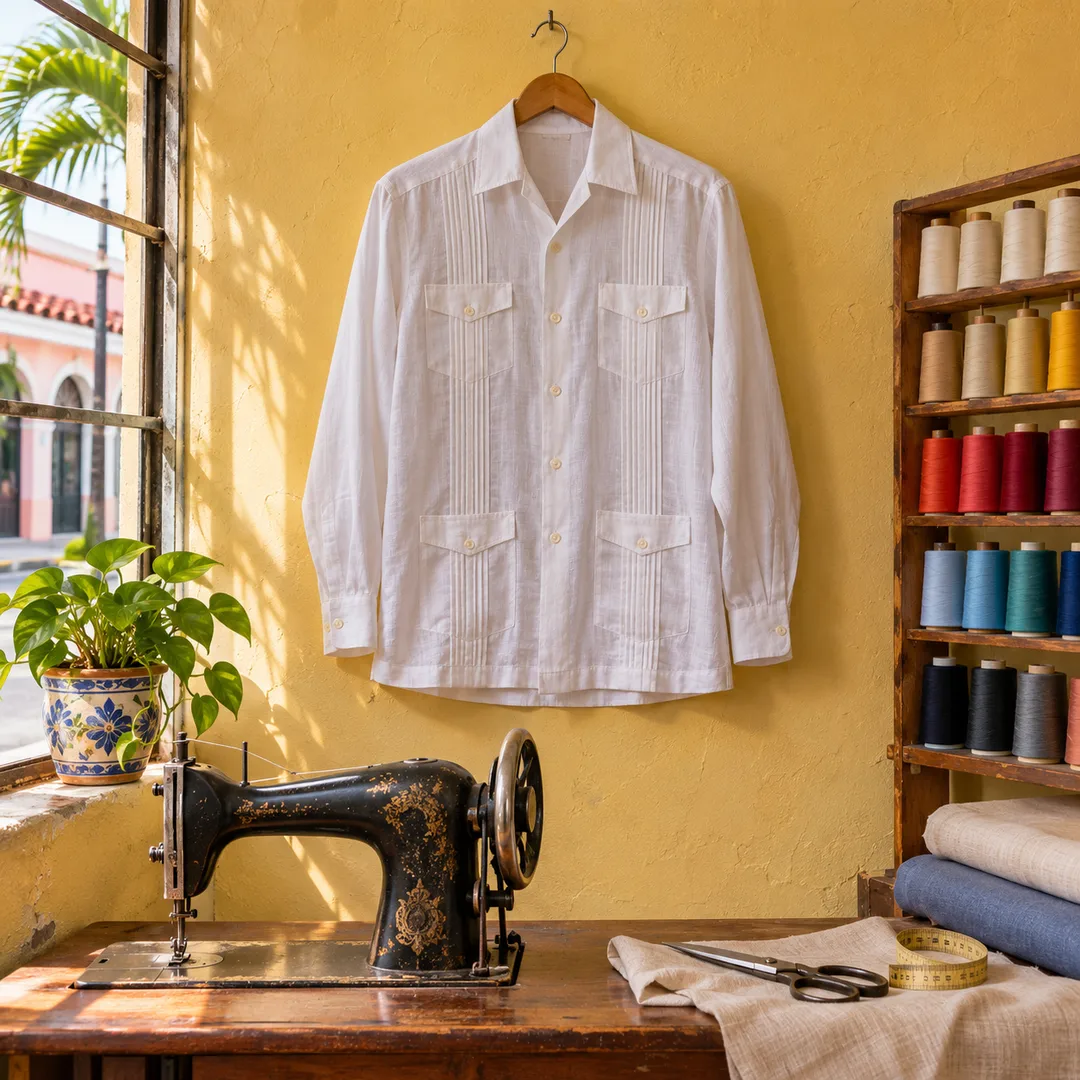
Little Havana Tailor Alteration Shop Finder: Guayabera Fits
Use this Little Havana tailor alteration shop finder to fit a guayabera: shoulders, sleeves, hem length, saving an heirloom shirt, and a Calle Ocho cafecito.
In Little Havana, the guayabera is not a costume. It is what men and more and more women wear to weddings, baptisms, funerals, office parties, domino afternoons and Sunday lunch with the family. The pleated shirt with its rows of tiny buttons and four pockets looks simple, but it only looks right when it fits. This tailor alteration shop finder walks through what to change, what to keep, and how to find a shop around Calle Ocho that treats the shirt with the respect it deserves.
How a Guayabera Should Fit
A guayabera is worn untucked, so the hem length matters more than on almost any other shirt. It should fall around the middle of the seat, long enough to cover the waistband but short enough that it does not look like a tunic. The shoulder seam should sit on the edge of the shoulder, not halfway down the upper arm.
The body should skim, not cling. A traditional fit leaves room to move in the heat, with the pleats lying flat down the front and back. If the pleats spread apart across the chest or the belly, the shirt is too tight. If they fold over each other at the sides, there is room to take it in.
Alterations That Work on a Guayabera
Shortening the hem is the most common job, and a careful tailor will keep the side vents and their small buttons in proportion. Shortening long sleeves from the cuff and taking in the side seams are also standard. Short-sleeve shirts can be shortened too, though the hem of the sleeve needs to stay level with the pleat lines.
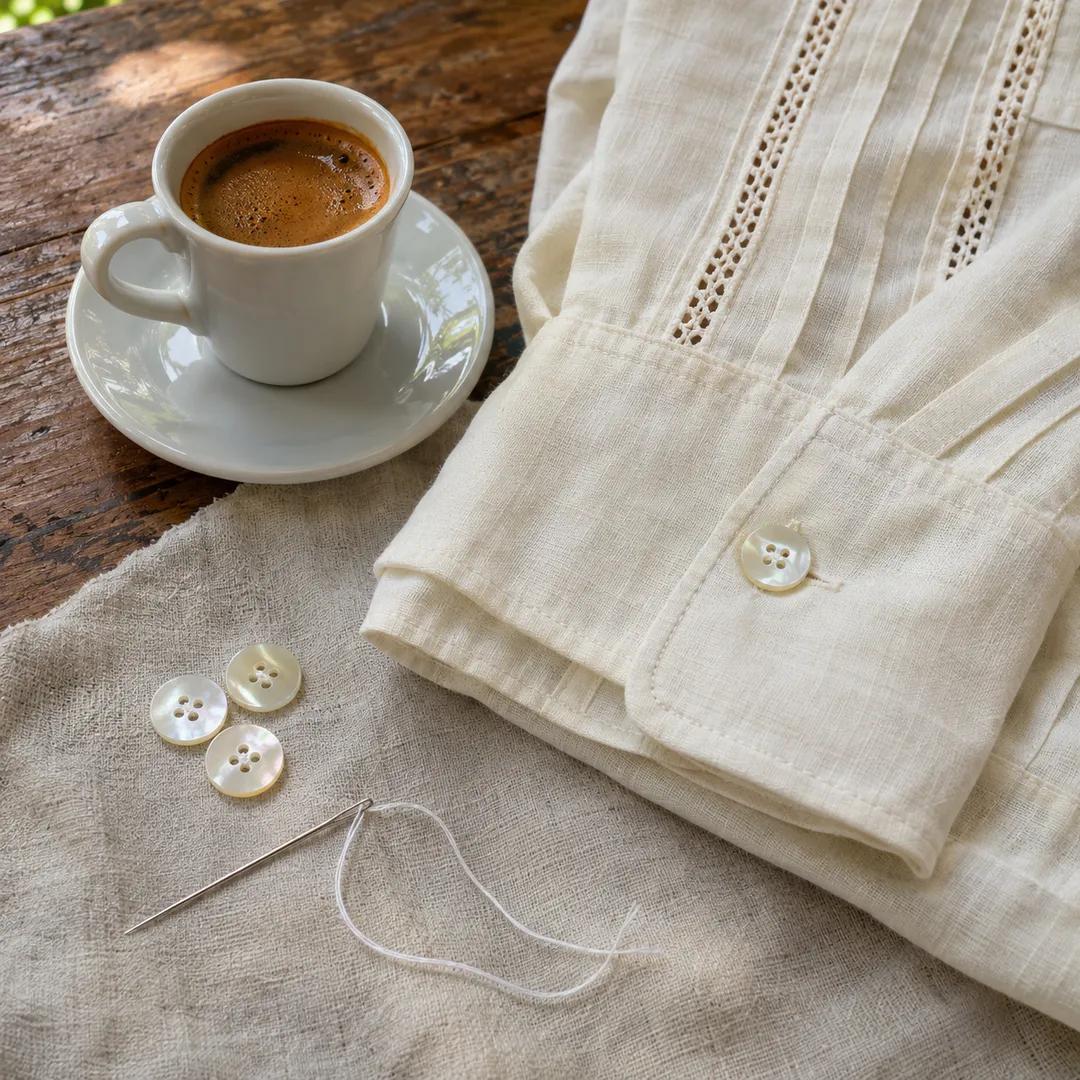
Moving buttons, replacing lost mother-of-pearl or shell buttons and repairing a pocket flap are small jobs that make a big difference. Ask the tailor to match the button size exactly. Mismatched buttons are easy to see on a white shirt, and Little Havana regulars notice details like that across a domino table.
What Not to Change
Do not let anyone narrow the body so much that the pleats bend or the pockets pull. The vertical lines are the heart of the shirt. Avoid adding darts to the back if the shirt has back pleats, since a dart will break the line and the shirt will stop looking like a guayabera.
Be careful with the shoulders. Lifting a shoulder means rebuilding the sleeve, and on a pleated shirt the work is fiddly. If the shoulders are much too wide, it is often better to find a smaller size in the same style and save the alteration budget for hem and sleeves.
Restoring an Heirloom Shirt From the Family
Many Miami families keep a guayabera that belonged to a father or grandfather, sometimes brought from Cuba or bought in the early years after arriving. Wearing it to a wedding or a christening can mean a lot. Old linen and cotton can be fragile, though, so ask a tailor to look at the fabric before agreeing to any change.
For heirloom shirts, ask for the most reversible changes: a hem that can be let down later, side seams taken in without cutting away the extra fabric, and original buttons stored in a small envelope if they must be replaced. Yellowed collars and underarms may respond to gentle cleaning, but ask whether the shop works with a dry cleaner who handles old natural fibers.
Finding a Tailor Around Calle Ocho
The blocks around SW 8th Street and the side streets toward Flagler hold small alteration counters, sewing shops and dry cleaners with a seamstress in the back. Many are family run, and conversations at the counter often switch easily between Spanish and English. A few words of Spanish go a long way: largo for length, mangas for sleeves, apretado for tight.
Open the Karpo APP and describe what you need, such as shortening a long-sleeve linen guayabera or replacing buttons, and ask for alteration shops near Little Havana. Look for a counter with pleated shirts waiting for pickup. A tailor who already handles guayaberas every week will know how to keep the pleats straight without being told.
Fittings for Weddings, Quinces and Holidays
Guayaberas show up at every big family event in Miami, and many groups now match: the groom and groomsmen in white, the fathers in cream, or the whole family in one color for a Nochebuena photo. If you are fitting a group, bring everyone's shirt at once and agree on a single hem length so the line looks even in photos.
Give the shop enough time before December. The weeks before Nochebuena and New Year's are busy for alteration counters across the neighborhood, and a simple hem can wait longer than you expect. Two to three weeks ahead is a calm window. A week before can still work for one shirt if the tailor has room.
Linen, Cotton and Blends in Miami Heat
Pure linen is the classic choice and breathes beautifully, but it wrinkles quickly and can shrink when washed hot. Ask the tailor whether to wash the shirt once before hemming, so the length does not change after the first laundry day. Cotton guayaberas are easier to care for and hold pleats well.
Polyester blends resist wrinkles but trap heat, and they are hard to press sharply after alterations. If you have a choice, spend the alteration effort on a linen or cotton shirt you love. Those are the shirts that age well and become part of the family closet.
A Calle Ocho Walk While You Wait
While the shirt is with the tailor, walk along Calle Ocho. Stop at a ventanita for a cafecito or a cortadito, watch the domino players at Máximo Gómez Park, often called Domino Park, and look down at the stars of the Calle Ocho Walk of Fame set in the sidewalk. Tower Theater and the cigar shops along the strip are close by.
If your pickup lines up with a Viernes Culturales evening, the street fills with music, art and dancing. It is a good time to wear a freshly altered guayabera for the first time and see how it moves. Walk, sit on a bench, raise your coffee and notice whether the hem and sleeves stay where they should.
Care After Pickup
Hang the guayabera right away on a wide hanger that supports the shoulders. Iron along the pleats, not across them, using a pressing cloth on linen to avoid shine. Button the top button while hanging so the collar keeps its shape.
Store it away from humid bathrooms and give it air in the closet, since Miami humidity can mark natural fibers over a long summer. Keep the spare buttons the tailor gives you in a labeled envelope with the shirt. A guayabera cared for this way can be passed down again, the same way the old one reached you.
Ask Karpo for more information.
Keep reading
- Brickell Tailor Alteration Shop Finder: First Work Suit Fit
 Coconut Grove Tailor Alteration Shop Finder: Heat-Proof Fits
 Wynwood Tailor Alteration Shop Finder: Art Week Fit Fixes