 Coconut Grove Tailor Alteration Shop Finder: Heat-Proof Fits
Neighborhood Guides

Brickell Tailor Alteration Shop Finder: First Work Suit Fit
Use this Brickell tailor alteration shop finder to fit a first work suit before day one: what to fix first, how to time fittings, and a Miami River walk after.
Brickell is Miami's financial district, a forest of glass towers where banks, law firms, startups and investment offices have filled floor after floor in recent years. Every season brings a new wave of analysts, associates and relocated professionals walking in with a suit bought online or off the rack that does not quite fit. This tailor alteration shop finder is for that first month: getting a work suit and a week of shirts fitted before day one, without wasting a weekend crossing town.
What to Fix First on a New Suit
Start with the jacket shoulders when you buy, because they are the hardest part to change. If the shoulder seam hangs past your shoulder or pinches it, try another size before paying for anything else. Once the shoulders are right, nearly everything else on a suit is ordinary tailoring work.
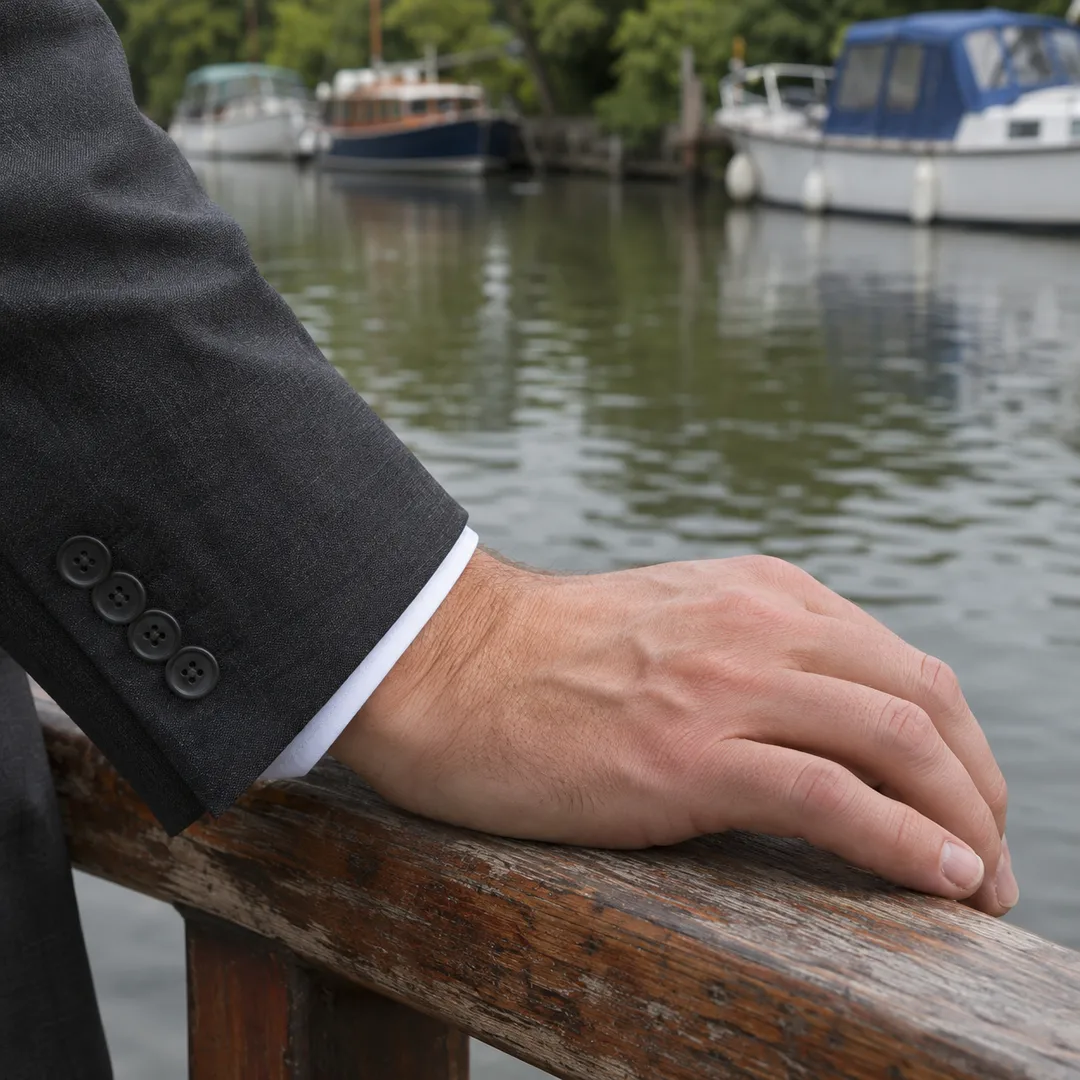
The first round of alterations usually covers trouser hems, jacket sleeves and the jacket waist. Hems set how the suit looks from across a conference room. Sleeves should show a sliver of shirt cuff. Taking in the waist removes the boxy look that makes a new suit read as borrowed. These three jobs make the biggest difference in the least time.
Timing Fittings Before Your Start Date
Give yourself two to three weeks before the first day of work. A busy shop may want a first fitting, a few days for the work, and a quick final try-on. If you are relocating from another city, book the first fitting for the week you arrive, not the weekend before you start.
Bring every piece at once. If you have two suits and five shirts, drop them off together and agree on a single pickup. Brickell schedules fill up quickly once the job starts, and you will not want to lose a lunch break each week to separate visits. Write down what each piece needs so nothing is forgotten at the counter.
Dress Shirts That Fit Under a Jacket
Off-the-rack dress shirts often billow at the waist, and the extra fabric bunches above the belt by mid-morning. A tailor can take in the side seams or add two back darts so the shirt sits smoothly under a jacket. It is an inexpensive change that makes a big difference over a long day at a desk.
Ask about sleeve length too. A shirt cuff should end at the wrist bone so it shows just past the jacket sleeve. If the collar is tight, no alteration will fix it, so buy for the neck and let the tailor fix the body. Bring the shirts in clean and pressed so the fit is easy to judge.
Picking a Brickell Alteration Shop With the Karpo APP
Brickell and the nearby blocks of Downtown, the Financial District and the Miami River edge have alteration counters inside dry cleaners, standalone tailors and a few shops that also make custom suits. Open the Karpo APP and describe the job, such as hemming suit trousers and taking in a jacket, and ask for alteration shops near your office or apartment.
Choose a shop you can reach on foot from work, since you will be back for pickups and future fixes. Look at what hangs behind the counter. A rack of suits, dress shirts and trousers waiting for pickup tells you the tailor handles office wear daily and knows what a client meeting needs.
How to Stand at a Suit Fitting
Wear the shoes you will wear to work, a pressed dress shirt and a belt. Stand naturally, not pulled up straight, because the tailor needs to see how you really carry yourself. Let them pin and mark with chalk, then walk a few steps and sit down as if at a desk.
Reach forward as if shaking hands and raise your arm as if pointing at a screen in a meeting. Notice whether the jacket pulls across the back or the sleeve rides up. Mention whether you commute on foot, by Metromover or by car. A suit worn on a short Brickell walk in the heat needs a little more ease than one worn only indoors.
Office Air Conditioning and Outdoor Heat
Brickell offices run cold, and the walk between buildings runs hot. Many people keep a jacket on a hook at the office and wear only a shirt outside. If that is your plan, ask the tailor to focus on the trousers and shirts first, since those are what everyone sees on the walk to lunch.
Fabric matters here. Lightweight wool suits hold a press and breathe in the humidity. Cotton and linen suits look relaxed and suit some offices, though they wrinkle. Ask the tailor to lighten a heavy jacket lining if you plan to wear it outside often. Some newer hires also keep a second pair of trousers hemmed identically for long weeks.
What to Skip in the First Month
Skip big structural changes on a cheap suit. Paying to rebuild the shoulders or the chest of an inexpensive jacket rarely makes sense, and it may be wiser to put that money toward a better second suit. Skip custom monograms and trendy cuts until you know the dress code of your office.
If a tailor tells you a suit is two sizes off, believe them. Return it if you can and try a different size or brand. A suit that fits you in the shoulders and only needs small fixes will always look better than one that needed surgery to fit.
A Miami River and Brickell Key Walk After Pickup
On pickup day, take the suit for a short walk. Head toward the Miami River and follow the Riverwalk where it runs past the bridges and the moored boats, or cross over to Brickell Key and walk the loop with views back toward the towers and across Biscayne Bay. It is a calm break from a busy first week.
The walk is also a final test. Notice whether the trousers stay at the right length when you move, whether the jacket feels comfortable in the breeze off the water and whether the shirt stays tucked. If something feels off, go back to the shop that week while the tailor still remembers your fitting.
Keeping a Work Wardrobe in Shape
Hang suits on shaped hangers that support the shoulders and give each suit a day of rest between wears. Brush wool after a long day to remove dust and lint. Dry clean suits only when needed, because frequent cleaning wears out fabric faster.
Keep a small list of your measurements and the tailor's notes on your phone. When you buy the next suit or a new batch of shirts, you can walk into the same shop and tell them exactly what worked last time. Over a few months, a Brickell tailor who knows your fit becomes one of the most useful contacts of the new job.
Ask Karpo for more information.
Keep reading
- Coconut Grove Tailor Alteration Shop Finder: Heat-Proof Fits
 Little Havana Tailor Alteration Shop Finder: Guayabera Fits
 Wynwood Tailor Alteration Shop Finder: Art Week Fit Fixes