 Where to Eat Near Penn Station That Isn't a Chain
US Open 2026
US Open Weather Guide: Heat, Rain and Roof Rules
Plan for New York's late-summer heat, sudden storms, and the retractable roofs that keep championship tennis rolling at the USTA Billie Jean King National Tennis Center.
The US Open unfolds during the final days of August and the first week of September, when New York weather can swing from blazing sunshine to sudden thunderstorms within hours. Understanding how heat, humidity, and rain affect your day at the USTA Billie Jean King National Tennis Center helps you pack smarter, stay comfortable, and avoid missing crucial moments when weather disrupts play. The tournament's two showcase stadiums feature retractable roofs that have transformed rain-delay culture, but the outer courts remain exposed to the elements, creating a split experience across the grounds. Whether you're planning your first visit or returning for another year, knowing what to expect from late-summer conditions in Flushing Meadows makes the difference between a memorable day and an uncomfortable struggle.
Updated August 2026: US Open policies, grounds access, ticket rules, weather procedures, and daily schedules can change. Use the linked US Open official sources as the final reference before packing, booking, or choosing seats.
Text Karpo Now: Tell us what you want from US Open Weather Guide, and Karpo can track official updates, match timing, tickets, transit, and the easiest way to plan your US Open day.
Fact-checked update
Fact-checked update (August 10, 2026): this article was rechecked against usopen.org — Official reference. The refresh keeps the body grounded in official venue, agency, transit, or city sources and flags time-sensitive planning details that readers should confirm before leaving.
Direct answer: Read a concise US Open Weather Heat Rain Roof Rules guide with key facts, timing, context, and practical next steps for 2026.
Heat and Humidity Realities
Late August in New York can bring warm to hot conditions, with humidity levels that make the air feel heavy. The concrete surfaces throughout the tennis center absorb and radiate heat, intensifying the sensation even when the official temperature seems moderate. The combination of heat and humidity can be draining, especially if you plan to spend an entire day moving between courts and standing in concourse areas with limited airflow.
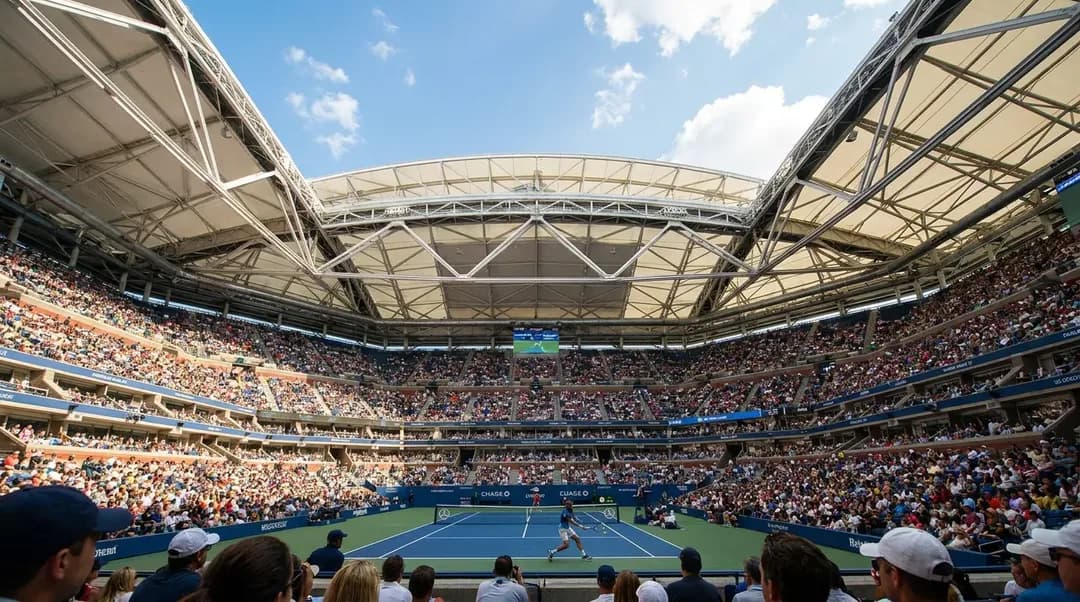
Shade becomes precious during afternoon sessions. Arthur Ashe Stadium and Louis Armstrong Stadium offer climate-controlled comfort when their roofs are closed, but when open, certain seating sections receive full sun exposure for hours. The outer courts provide minimal shade options, with most spectator areas fully exposed. Arriving early gives you better positioning for any available shaded spots, though these fill quickly on hot days. The tournament grounds include some covered walkways and shaded gathering areas, but these serve primarily as transit zones rather than extended refuge from the heat.
Staying Hydrated Throughout the Day
Hydration demands serious attention when spending long hours in late-summer heat. The US Open allows visitors to bring sealed, plastic water bottles into the grounds, a policy that proves essential for managing costs and maintaining consistent fluid intake. Refillable bottles can be topped up at water fountains located throughout the facility, though lines can form during peak afternoon hours. Consistent hydration matters particularly in humid conditions where sweat evaporates slowly.
Budget extra time and money for additional beverages beyond water. The tournament offers various drink options at concession stands, but prices reflect the environment of a major sporting event. Alternating between water and drinks containing electrolytes helps replace what you lose through perspiration during extended exposure. Alcohol accelerates dehydration, so if you choose to drink beer or cocktails, increase your water consumption proportionally. Medical staff stationed throughout the grounds can assist if you or someone in your group needs help, but prevention through consistent hydration remains far preferable.

Rain Delays and Roof Operations
The retractable roofs on Arthur Ashe Stadium and Louis Armstrong Stadium have fundamentally changed how rain affects the US Open experience. When weather threatens, tournament officials can close these roofs in a matter of minutes, allowing play to continue without interruption. This technology means that matches on these two courts rarely face the extended delays that once defined rainy days at the tournament. If you hold tickets for either stadium, rain no longer threatens to derail your session, though the atmosphere shifts noticeably when the roof closes and the open-air experience becomes an indoor one.
The outer courts have no weather protection, so rain halts play immediately and spectators must seek shelter under overhangs, in covered concourses, or inside the stadium buildings. Tournament staff cover the courts with tarps and wait for conditions to improve. Brief showers may delay play for thirty minutes to an hour while courts are dried. Heavier or more persistent rain can suspend outer-court action for the remainder of a session or even the entire day. When delays occur, the tournament typically adjusts the schedule, sometimes moving matches to covered stadiums if court time becomes available, though this depends on numerous logistical factors.
Tickets remain valid for the session printed on them regardless of weather delays or cancellations. The tournament does not offer refunds for rain-shortened sessions, a policy clearly stated in the terms of purchase. If you're attending primarily to see a specific match on an outer court, weather introduces genuine uncertainty. Checking the hourly forecast on the morning of your visit helps set realistic expectations, though New York's late-summer weather can produce localized storms that develop quickly.

What to Wear and Bring
Clothing choices should prioritize light colors, breathable fabrics, and sun protection. Cotton feels comfortable initially but retains moisture and can become heavy as you perspire. Synthetic athletic fabrics that wick moisture away from skin perform better during long, hot days. A wide-brimmed hat provides crucial face and neck protection from direct sun, while sunglasses reduce glare from court surfaces and bright skies. Sunscreen requires reapplication every two hours, particularly if you're sweating heavily.
Footwear matters more than many first-time visitors anticipate. You'll walk extensively throughout the grounds, often standing for long periods while watching matches on outer courts. Comfortable, broken-in shoes with good support prevent the foot and leg fatigue that can cut your day short. New shoes, fashion-forward choices with minimal cushioning, or sandals without back straps typically prove regrettable by mid-afternoon.
- A light rain jacket or poncho that folds compactly provides insurance against sudden showers without taking up significant bag space.
- A small towel helps manage perspiration and can serve multiple purposes throughout the day.
- Portable phone chargers keep devices running for photos, schedule checks, and communication, as battery life drains quickly with constant use.
Practical Notes
The US Open's bag policy restricts size and type, so verify current regulations before packing. Arriving during morning sessions typically means cooler conditions and easier access to shaded areas, while evening sessions offer relief from peak heat. The tournament app provides real-time schedule updates when weather causes changes, making it essential for tracking which matches move to covered courts or face delays. If rain threatens and you're deciding between stadium and grounds passes, the covered stadiums offer weather security that outer courts cannot match. Building flexibility into your expectations helps you adapt when weather affects some aspect of the day's play.
Tags: #USOpen2026 #Tennis #GrandSlam #NewYorkTennis #ArthurAsheStadium #FlushingMeadows #USOpenGuide #TennisFans #SportsTravel #HardCourt #NewYork #KarpoFinds
Sources consulted: usopen.org — Official reference · usopen.org — Official reference
All trademarks are the property of their respective owners.
Ask Karpo first
Before you lock in tickets or build a full day around an unconfirmed schedule, ask Karpo first. Share your dates, budget, and favorite players, and Karpo can help turn official US Open updates into a practical New York plan.
Ask Karpo for more information.
Keep reading
- Where to Eat Near Penn Station That Isn't a Chain
 Andytown Coffee in the Outer Sunset: The Snowy Plover Explained
- Best Things to Do in Chicago: What the City Gives Away