 Where to Eat Near Penn Station That Isn't a Chain
US Open 2026
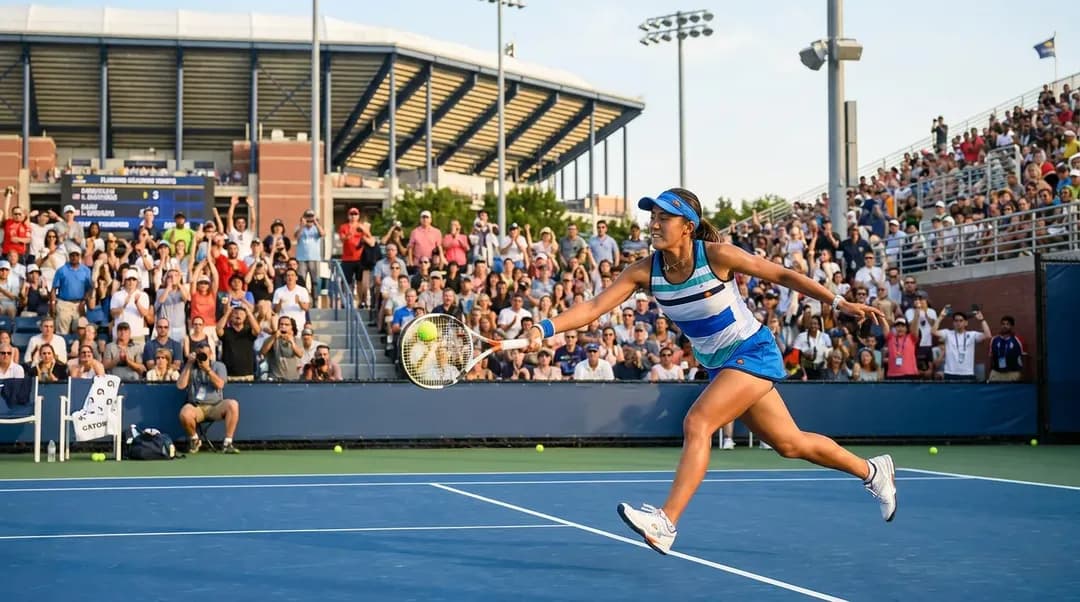
US Open 2026 Qualifying Players Ready to Break Through
Fan Week qualifying rounds offer the first chance to identify breakthrough contenders using five proven scouting criteria before the main draw begins.
The US Open qualifying tournament transforms the Billie Jean King National Tennis Center into a proving ground where ambitious players fight for their place in the main draw. During Fan Week, these matches unfold across multiple courts simultaneously, giving tennis enthusiasts an unmatched opportunity to watch emerging talent up close before the stadium crowds arrive. While the final qualifying field will be released closer to the tournament, understanding how to evaluate these contenders using a structured scouting framework will help you identify which players might not only survive the qualifying gauntlet but potentially make noise in the main event. The hard courts of Flushing Meadows reward specific skill sets, and knowing what to look for separates casual observation from informed analysis.
Text Karpo Now: Tell us what you want from US Open 2026 Qualifying Players Ready to Break Through, and Karpo can track official updates, match timing, tickets, transit, and the easiest way to plan your US Open day.
Hard-Court Form as Foundation
Surface-specific performance matters more at the US Open than casual fans often realize. When the qualifying draw is published, your first step should be examining recent results on hard courts rather than overall win-loss records. A player arriving with strong showings at summer hard-court tournaments brings relevant preparation that clay-court success simply cannot replicate. The surface at Flushing Meadows plays faster than many hard courts on tour, favoring players who can shorten points and handle pace effectively.
Look beyond simple wins and losses when assessing hard-court form. A three-set loss to a top-twenty player tells you more about readiness than a comfortable win against an opponent ranked outside the top two hundred. The quality of opposition faced in recent weeks provides context that raw results lack. Players who have tested themselves against strong competition on hard courts arrive with match sharpness that cannot be manufactured through practice alone. Pay attention to how players performed in pressure moments during their summer preparation, particularly in deciding sets and tiebreaks where mental fortitude reveals itself.
Return Quality Separates Contenders
The return of serve might be the most underappreciated weapon in qualifying success. While powerful serving helps, the compressed format of qualifying means players face multiple matches in quick succession, and relying solely on service games creates vulnerability when fatigue sets in. Strong returners control more variables in their matches and can succeed even when their own serve falters under pressure. When scouting qualifying matches during Fan Week, watch how players position themselves to receive serve and whether they consistently put returns in play or spray errors.
Elite returners do more than simply get the ball back. They take time away from servers by standing inside the baseline, redirect pace effectively rather than trying to overpower every return, and show the ability to read serving patterns as matches progress. A player who struggles to return serve will face an uphill battle in qualifying, where opponents often have nothing to lose and will swing freely on their service games. Conversely, a player who consistently applies return pressure forces opponents into longer rallies where other skills come into play. During Fan Week, you can watch these patterns develop across multiple courts and begin to identify which players make their opponents work hardest in service games.
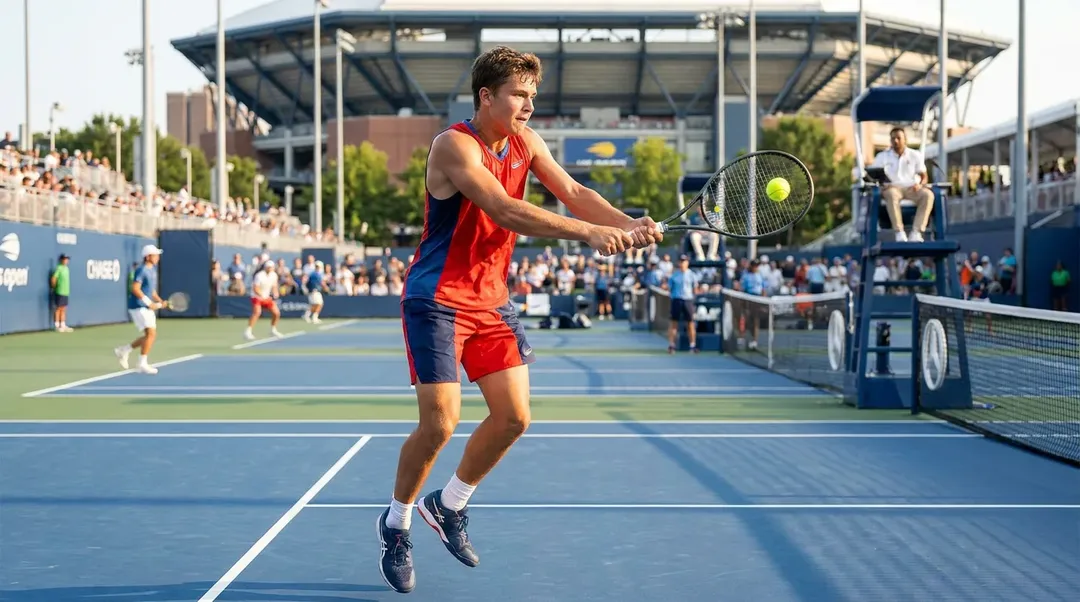
Recovery Between Matches Matters
The qualifying format demands physical resilience that separates hopeful entrants from legitimate main-draw threats. Players must win three matches in quick succession, often with limited rest between rounds. A player who grinds through a three-hour opening match may find themselves physically compromised for the next round, while an opponent who won efficiently in ninety minutes arrives fresh. When evaluating qualifying candidates, consider their playing style and whether it allows for sustainable performance across multiple matches in a compressed timeframe.
Age and recent injury history factor into recovery capacity, though younger players do not automatically hold an advantage. A veteran who manages points intelligently and avoids unnecessary running may recover more effectively than a younger player who relies on pure athleticism and covers excessive court. Watch for players who construct points with purpose rather than defaulting to baseline exchanges. Those who can win with variety, using slice, drop shots, and net approaches to shorten points, preserve energy for later rounds. The conditions in late August add another recovery challenge, making conditioning relevant when the qualifying field is announced.
Experience and Momentum Combined
Previous success at Grand Slam level, whether in qualifying or the main draw, provides invaluable context for evaluating contenders. A player who has navigated qualifying at other majors understands the mental demands of must-win situations and the physical toll of consecutive matches. However, experience alone does not guarantee success if recent form suggests declining performance. The ideal candidate combines Grand Slam familiarity with current positive momentum, arriving with confidence built through recent victories rather than merely relying on past accomplishments.

Momentum manifests in subtle ways beyond simple winning streaks. A player who has pushed higher-ranked opponents to tight matches even in losses may be finding form at the right moment. Similarly, someone who has successfully defended break points or converted opportunities in crucial games demonstrates the composure that qualifying demands. When the draw is released, research not just whether players won their recent matches but how they won them. A string of comfortable victories suggests a player in rhythm, while a pattern of comebacks might indicate either mental toughness or concerning vulnerability. Both patterns offer insight, but they point toward different expectations for qualifying performance.
The beauty of qualifying lies in its unpredictability within a framework of identifiable factors. Players arrive with varying levels of pressure and expectation, and the format rewards those who can execute their game plans under stress. Some contenders will be established professionals seeking to regain tour status, while others will be younger players attempting their first Grand Slam breakthrough. Both can succeed, but they typically do so by excelling in the criteria outlined above. No single factor guarantees success, but players who check multiple boxes enter qualifying with legitimate chances of reaching the main draw.
Practical Notes
Qualifying matches take place during Fan Week at the Billie Jean King National Tennis Center, offering exceptional access to watch future stars before the main tournament begins. Multiple matches occur simultaneously across the facility's outer courts, allowing you to move between courts and follow players who catch your attention. The atmosphere during qualifying differs markedly from the main event, with smaller crowds and opportunities to watch from closer vantage points. Once the qualifying draw is published, you can plan which matches to prioritize based on the scouting framework discussed above. Arrive early to secure good positions at popular courts, and bring sun protection for daytime sessions.
Tags: #USOpen2026 #Tennis #GrandSlam #NewYorkTennis #ArthurAsheStadium #FlushingMeadows #USOpenGuide #TennisFans #SportsTravel #HardCourt #NewYork #KarpoFinds
Sources consulted: usopen.org — Official reference · usopen.org — Official reference · usopen.org — Official reference
All trademarks are the property of their respective owners.
Ask Karpo first
Before you lock in tickets or build a full day around an unconfirmed schedule, ask Karpo first. Share your dates, budget, and favorite players, and Karpo can help turn official US Open updates into a practical New York plan.
Ask Karpo for more information.
Keep reading
- Where to Eat Near Penn Station That Isn't a Chain
 Andytown Coffee in the Outer Sunset: The Snowy Plover Explained
- Best Things to Do in Chicago: What the City Gives Away