 Haaland Has Seven Goals and Norway Runs Entirely Through Him
⚽️2026 FIFA WORLD CUP
Two GOATs, Two Base Camps, One American Summer: Ronaldo's Palm Beach vs Messi's Kansas City
Cristiano Ronaldo sprints at dawn on Jupiter Beach. Lionel Messi sips mate in downtown Kansas City. The 2026 World Cup unfolds through two parallel Americas—one gilded, one grounded—orbiting football's greatest rivals.
The 2026 World Cup will be remembered not only for the football played across three nations, but for the story written in the margins—the daily rhythms of two legends living impossibly different American summers. Cristiano Ronaldo wakes before sunrise in Palm Beach, his day calibrated to the minute, his meals measured to the gram. Lionel Messi sleeps late in Kansas City, his mornings unhurried, his family circling barbecue joints and sneaker boutiques. Same tournament, same month, opposite worlds. One inhabits the manicured coastline of old money and security cordons. The other walks the fountains of a Midwestern shopping plaza with two plainclothes guards trailing twenty meters behind. It is the most American story the World Cup has ever produced.
Dawn Rituals: Sand vs. Mate
Ronaldo's daily routine in Palm Beach begins with a 5:30 a.m. alarm and a beach sprint session on Jupiter Beach. His security detail blocks off a 200-meter stretch of sand north of the Carlin Park lifeguard tower between 5:45 and 6:15 a.m., creating a private corridor where the Portuguese forward performs interval runs as the Atlantic horizon bleeds pink and orange. By the time most of Palm Beach Island stirs, he is already midway through his second workout of the day.
Messi's equivalent morning is a 9:30 a.m. mate ritual on the hotel terrace, the yerba steeping in a gourd worn smooth by years of routine. There is no security perimeter, no cordoned sand. He walks with his family through the Country Club Plaza fountains afterward, the kids chasing pigeons, Antonela stopping to photograph the Spanish-style tilework. Two plainclothes guards trail twenty meters behind, invisible to most passersby. The contrast is not merely one of schedule—it is a matter of philosophy, the difference between engineered perfection and incidental grace.
The Dining Circuit: Branzino vs. Brisket
Ronaldo's nutritionist-approved circuit rotates between three restaurants: Café Boulud Palm Beach for grilled branzino at forty-eight dollars, Buccan for the kale-quinoa bowl at twenty-two, and a private chef stationed at the team estate who prepares lean proteins and steamed vegetables portioned to the ounce. Every meal is a calculation, every ingredient vetted. Worth Avenue glitters in the background, but Ronaldo's relationship with it is transactional—fuel in, performance out.
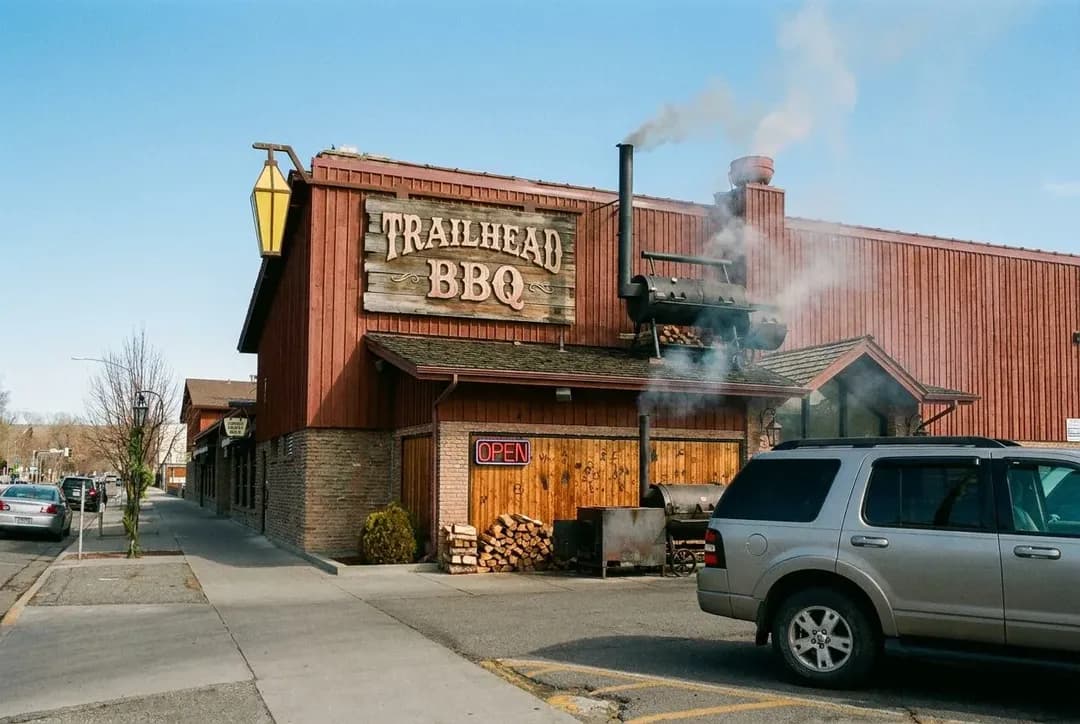
Messi's family eats at Joe's Kansas City Bar-B-Que (Kansas City, Kansas or Overland Park locations)—slow-smoked brisket, provolone, onion ring, Kaiser roll—costs twelve dollars and forty-nine cents. The staff keep a back booth reserved under 'Cuccittini,' his mother's maiden name, with a handwritten sign that says 'para la familia.' Thiago and Mateo argue over fries. Antonela orders extra pickles. There is no nutritionist hovering, no macro count. It is dinner, not data.
Training Grounds: Suburban Grass vs. Sporting Facility
Portugal's 2026 World Cup base camp has not been confirmed in this draft; verify the training site before naming a local park complex The juxtaposition is surreal: world-class athletes drilling possession sequences while, fifty yards away, seniors lob foam balls over nets and debate lunch plans. Ronaldo treats the grass like sacred ground, barking instructions, demanding precision. The setting may be incongruous, but the intensity is unmistakable.
Argentina trains at the Sporting Kansas City facility across the state line in Kansas, a purpose-built complex where MLS players and academy hopefuls share the same turf. Messi arrives quietly, often the last to step onto the pitch, and slips into drills without ceremony. There is no theatricality here, no speeches. Just work. The Midwest does not demand performance; it rewards consistency.
Fan Cultures: Newark Charters vs. Empanada Stands
Portugal's Ironbound contingent in Newark organizes bus charters to MetLife Stadium—thirty-five dollars round trip, departing Ferry Street at two in the afternoon. The buses are mobile celebrations: flags draped from windows, chants rehearsed in unison, coolers packed with bifanas and Super Bock. By the time they cross into New Jersey, the highway itself feels like an extension of the terraces.
Argentina's Kansas City community gathers at Marra Forni pizzeria on Southwest Boulevard. The owner, an Argentine expat named Diego Juárez, screens every match on a projector and charges nothing, funding the operation by selling empanadas at four dollars each from a sidewalk stand that opens two hours before kickoff. The line snakes around the block. Strangers become neighbors. By the time kickoff arrives, the room is one living, breathing organism.
Rest Days: Yachts vs. Sneaker Shops
On rest days, Ronaldo retreats to a secured estate on Palm Beach Island or boards a yacht that glides past Mar-a-Lago and the Breakers. The water is turquoise, the sun relentless, the privacy absolute. He is rarely photographed during these hours. The Gold Coast offers discretion as a luxury service, and he pays for it.
Messi walks Country Club Plaza with his sons, ducking into sneaker boutiques and toy stores. Fans spot him, ask politely for photos, and he obliges without drama. There is no yacht, no estate. Just a hotel room with a view of the city and a family that treats Kansas City like a temporary home rather than a stage. The Midwest does not mythologize him. It simply welcomes him.
The American Mirror
What the summer of 2026 reveals is not which lifestyle is superior, but how vast and contradictory America remains. Ronaldo's Palm Beach is sculpted, sun-drenched, relentlessly aspirational—a place where discipline is currency and image is infrastructure. Messi's Kansas City is unhurried, unpretentious, grounded in the ordinary rhythms of family and food. Both men are global icons, but the Americas they inhabit reflect entirely different dreams.
By the time the World Cup final arrives, millions will have watched both men on the same pitches, under the same lights. But the real story will have unfolded in the hours between matches—on Jupiter Beach at dawn, in a Kansas City barbecue booth at dusk, in the bus charters and empanada lines that carry entire communities toward the same ninety minutes. Two GOATs, two base camps, one summer. The most American story football has ever told.
Practical notes
Jupiter Beach (Carlin Park area) is accessible via A1A north of Palm Beach; public parking available but fills early on weekends. Country Club Plaza in Kansas City spans several blocks near 47th Street and Broadway; free street parking on side streets, or use the Plaza garage. Joe's Kansas City BBQ has multiple locations; verify hours directly. MetLife Stadium is accessible via NJ Transit from New York Penn Station to Meadowlands Rail Line on event days; parking prices vary by event and should be verified Sporting Kansas City facility is private; public access limited to match days. Bring sunscreen, comfortable shoes, and cash for empanada stands. Check local transit and venue schedules as World Cup 2026 approaches.
Tags: #FIFAWorldCup2026 #WorldCup2026 #CristianoRonaldo #LionelMessi #PalmBeach #KansasCity #NYC #FootballCulture #GOAT #SummerOfSoccer #TravelDining #FanCulture #MetLifeStadium #AmericanSummer #WorldCupStories
Sources consulted: 2026 FIFA World Cup · Cristiano Ronaldo · Lionel Messi · FIFA World Cup 2026 · Visit Kansas City · Palm Beach County Tourism
All trademarks are the property of their respective owners.
Ask Karpo for more information.
Keep reading
- Haaland Has Seven Goals and Norway Runs Entirely Through Him
 World Cup Trophy Ceremony Timing Medals and Postmatch Celebrations
 Olise and France's Attack: The Semifinal Tactical Question