The Sembawang Hot Spring Where Locals Still Boil Eggs on Sunday Morning
Steam Rising Before the City Wakes
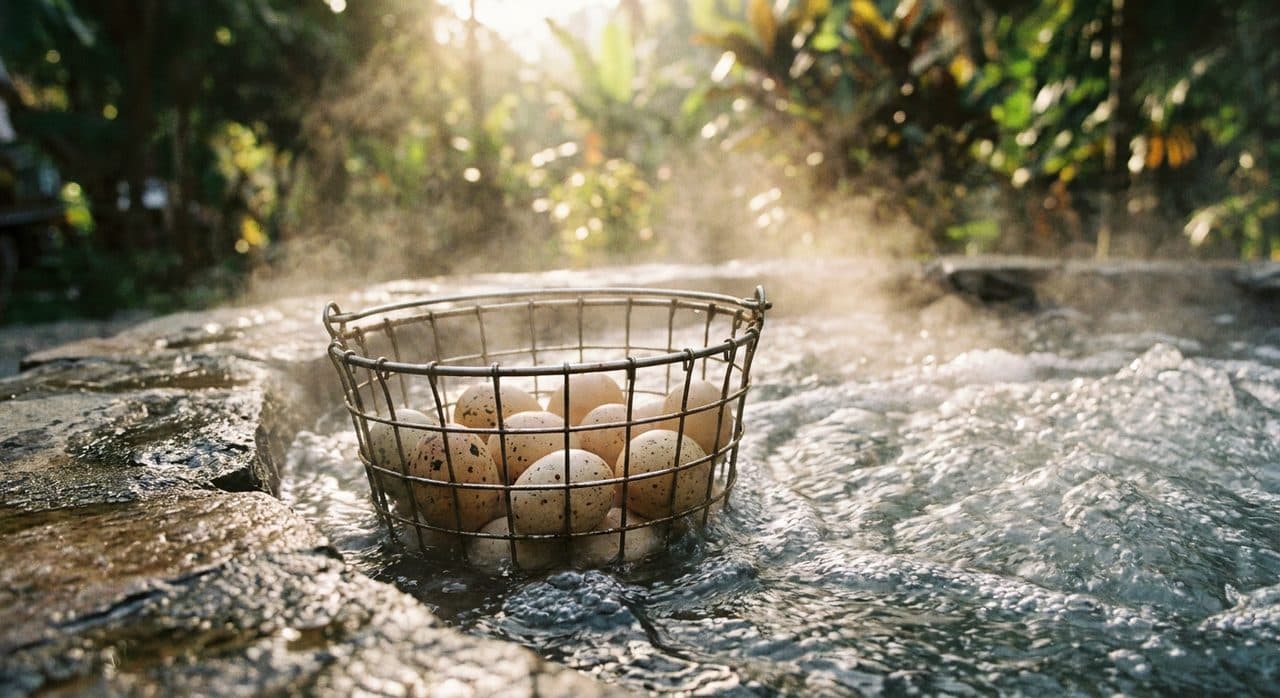
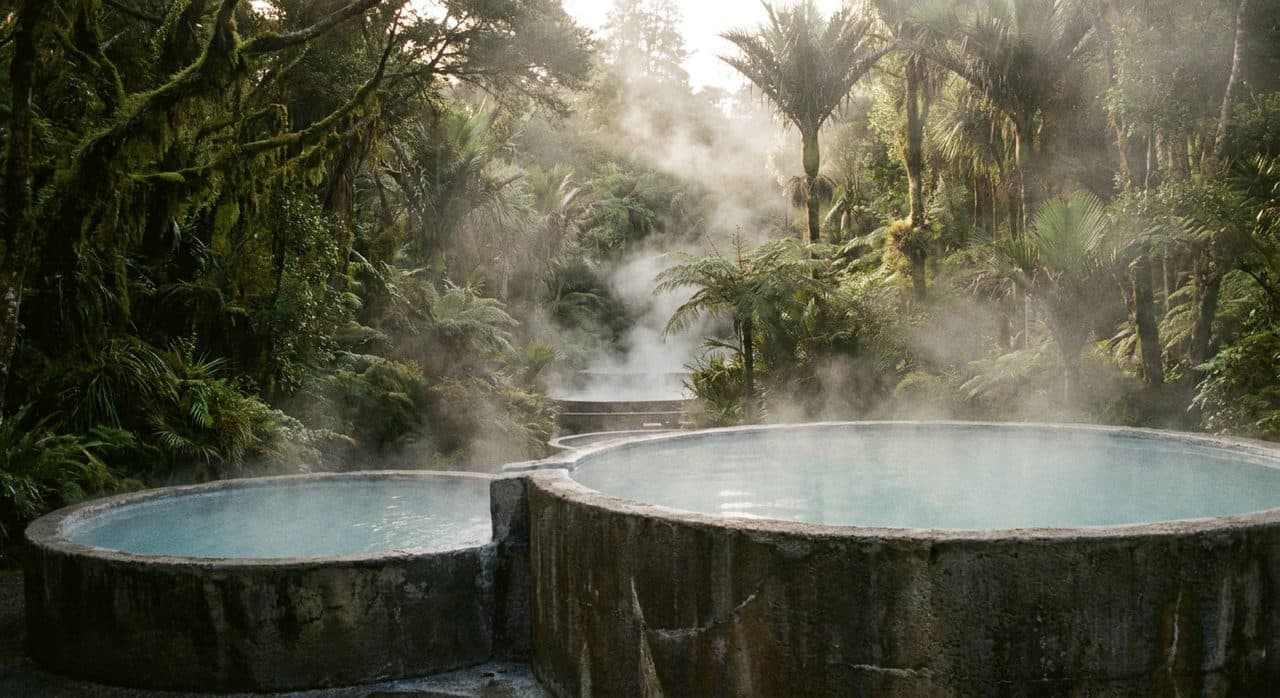
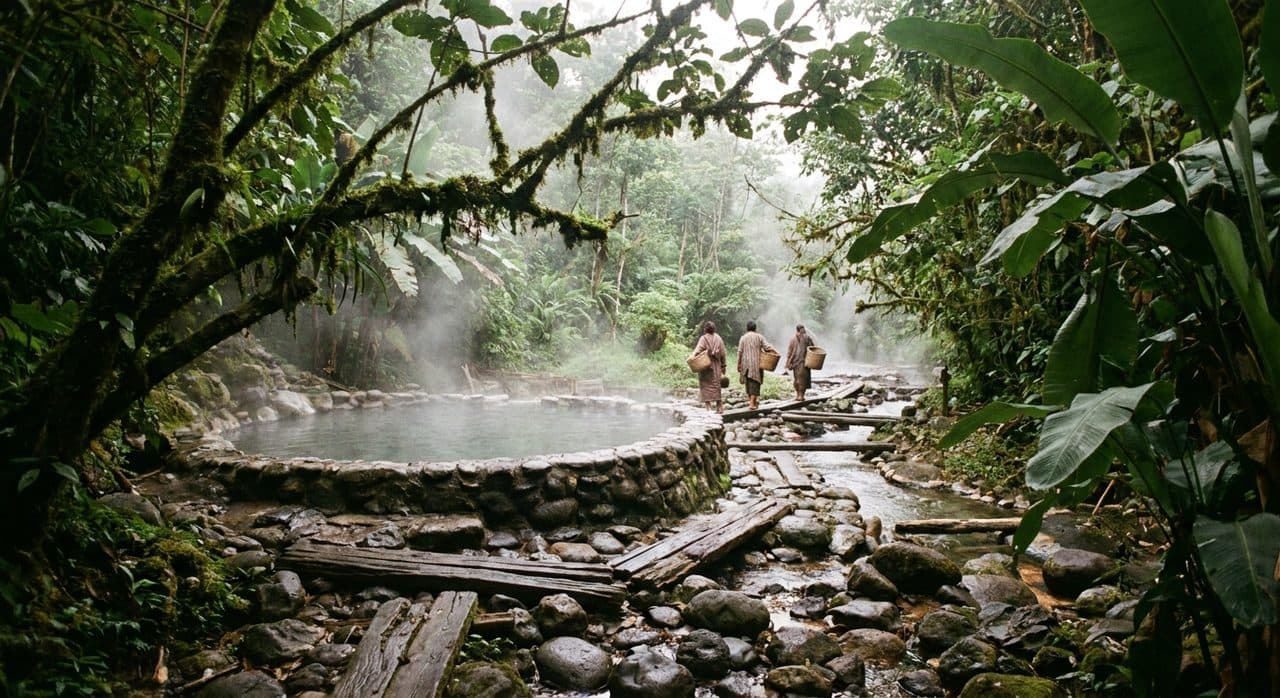
The mist lifts off the water in slow, deliberate curls, catching the early light that filters through the rain trees. It is barely seven o'clock on a Sunday morning in Singapore's far north, and already a small congregation has gathered around a concrete basin where water the temperature of a fresh cup of tea bubbles up from deep beneath the earth. This is Sembawang Hot Spring Park, tucked behind the orderly blocks of a Housing Development Board estate, where something ancient and elemental persists in one of the world's most meticulously planned cities.
The scene unfolds with quiet ritual. Elderly uncles in flip-flops lower wire baskets into the steaming water. Aunties perch on stone benches, thermoses of kopi at their sides, exchanging gossip while their eggs cook. Children peer over the edge of the pool, fascinated by the small bubbles that rise continuously from below. The air smells faintly of minerals and wet earth, with occasional whiffs of sulfur that remind visitors this is no ordinary park fountain. This is geothermal water, pushed up from the depths by forces that have been at work for millennia, long before anyone thought to build a park around it.
A Spring That Predates the Park
The Sembawang Hot Spring has been part of local life for generations, its history stretching back to the kampung days when the surrounding area was still covered in rubber plantations and attap houses. Villagers knew about the hot water that seeped up through the soil, and they put it to practical use—washing clothes, soothing aches, and yes, cooking eggs. The spring was a communal resource, unmarked on any official map but deeply embedded in the neighborhood's collective memory.
When the area underwent redevelopment in the 1990s, the spring was temporarily closed, much to the dismay of longtime residents who had grown up with it. But the tradition proved resilient. The spring was officially reopened as Sembawang Hot Spring Park in 2019, complete with landscaping, proper pathways, and designated soaking areas. The egg-boiling tradition, however, needed no official sanction. It had survived decades of urban transformation, and it continues today exactly as it always has—with wire baskets, fresh eggs, and the patience to wait for the water to do its work.
The Science of the Perfect Egg
At approximately 70°C, the water that emerges from the central outlet is hot enough to cook an egg but not so violent as to crack the shell. The temperature, however, is not uniform across the pool. Locals who have been coming here for years understand the subtle geography of heat that governs this small body of water. The spot closest to the outlet pipe, where the water first breaks the surface, runs at around 68°C—this is what regulars call the fast spot, where a soft-boiled egg with a runny yolk takes about seven minutes.
Move your basket further from the source, toward the edges of the pool where the water has had time to cool, and the temperature drops to around 58°C. This is the slow spot, favored by those who prefer a firmer yolk and have the leisure to wait the full twelve minutes. The difference might seem negligible, but to the dedicated egg-boilers of Sembawang, it is the difference between breakfast perfection and a disappointing result. Seasoned visitors position their baskets with the precision of chess players, claiming their preferred spots with the casual authority of long practice.
The Basket Vendor Who Never Left
At the park entrance on weekend mornings, in a spot that has remained unchanged for six years, a local vendor sells hand-twisted wire egg baskets. The baskets are simple things—loops of galvanized wire bent into a cage shape with a long handle—but they represent a cottage industry that has grown up around the spring. The park provides wire baskets for hire, perfectly serviceable for casual visitors, but serious regulars bring their own. Some have baskets that have been in their families for years, the wire handles worn smooth by countless Sunday mornings.
The vendor works only in cash, a small anachronism in a country where even hawker stalls accept digital payment. The transaction is brief and wordless for repeat customers—a nod, a few dollars exchanged, a basket selected from the pile. First-timers might receive a brief tutorial on technique: how to lower the basket slowly to avoid cracking the eggs, how to judge doneness by timing rather than guesswork. The vendor has become as much a fixture of the park as the spring itself, a human landmark in a landscape of steam and stone.
Where Feet Find Warmth
Beyond the egg-cooking pools, the park offers a different kind of communion with the geothermal water. A concrete soaking pool, maintained at a gentler 45°C, invites visitors to remove their shoes and dangle their feet in the mineral-rich warmth. The water contains trace amounts of silica and magnesium, which give it a slightly slippery quality—a sensation that early visitors discovered unexpectedly, sometimes with bruised dignity. The park's designers responded by installing slip-resistant grouting along the pool's edges and floor, a practical solution to an elemental problem.
The foot-soaking pool attracts a different crowd than the egg-boilers. Here, young couples sit side by side, their feet submerged, phones temporarily forgotten. Office workers who have made the journey from the city center let the warmth work into muscles tensed by desk chairs and deadlines. Elderly residents from the nearby HDB blocks come daily, treating the pool as a form of therapy, the hot water easing joints stiffened by age. The pool is for feet only—full-body immersion is not permitted—but even this limited contact with the spring's warmth feels like a small luxury, a gift from the earth.
Sunday Morning Regulars
The real character of Sembawang Hot Spring Park reveals itself in its regulars. There is the retired teacher who arrives at six-thirty every Sunday with a dozen eggs and a folding stool, timing his cooking with a stopwatch he has used for twenty years. There is the young family who drives up from Tampines, the children racing to claim their favorite spot by the pool while the parents unload coolers packed with eggs, bread, and kaya. There is the group of cycling enthusiasts who make the park a rest stop on their weekend route, their bikes leaned against the fence while they wait for their eggs to cook.
These regulars have developed their own unwritten protocols. Newcomers are welcomed but gently corrected if they place their baskets in someone's customary spot. Conversations flow easily across generational lines, united by the shared absurdity and pleasure of cooking breakfast in a public park. The spring has become a social space in a city where such spaces are increasingly rare—a place where strangers become acquaintances, where the simple act of boiling an egg becomes an excuse for connection.
Practical Notes
Sembawang Hot Spring Park is located at the end of Gambas Avenue, accessible via a short walk from Sembawang MRT station on the North-South Line. The park is open daily from 7:00 AM to 7:00 PM, with no admission fee. Wire baskets are available for hire at the entrance, though visitors may bring their own. Eggs are not sold on-site; purchase them from nearby provision shops or supermarkets before arriving. The foot-soaking pool requires visitors to wash their feet at the designated shower area before entering. Weekend mornings are the busiest times, particularly Sundays between 8:00 AM and 11:00 AM. Weekday mornings offer a quieter experience. Bring a small towel for drying feet and a bag for carrying cooked eggs home. The park has sheltered seating areas and basic restroom facilities. Parking is available but limited on weekends.
Tags: #SembawangHotSpring #SingaporeHiddenGems #EggBoiling #GeothermalSingapore #WeekendSingapore #LocalTraditions #SingaporeParks #HDBLife #SundayMorning #NorthSingapore #FoodieFinds #OutdoorSingapore #HotSpringAsia #SingaporeSecrets #KarposFinds
Sources consulted: timeout.com · straitstimes.com · misstamchiak.com · thesmartlocal.com
All trademarks are the property of their respective owners.
Ask Karpo first
Want to know the best time to arrive, whether the wire baskets are available this weekend, and how to get to Sembawang by MRT? Ask Karpo for the latest hot spring update before you go.