The Little Haiti Rum Bar That Opened Without a Sign and Never Needed One
A Doorway Between Worlds
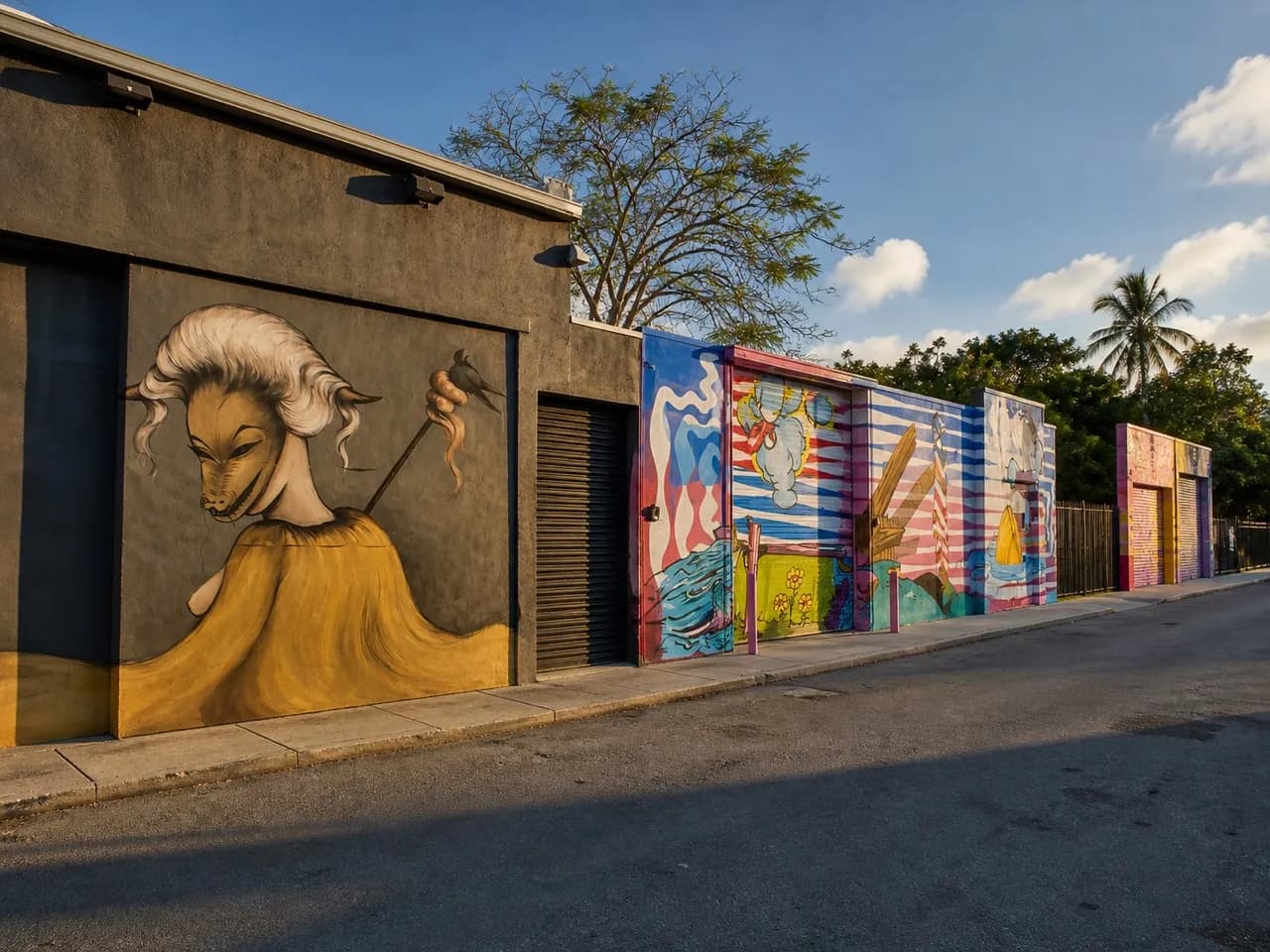
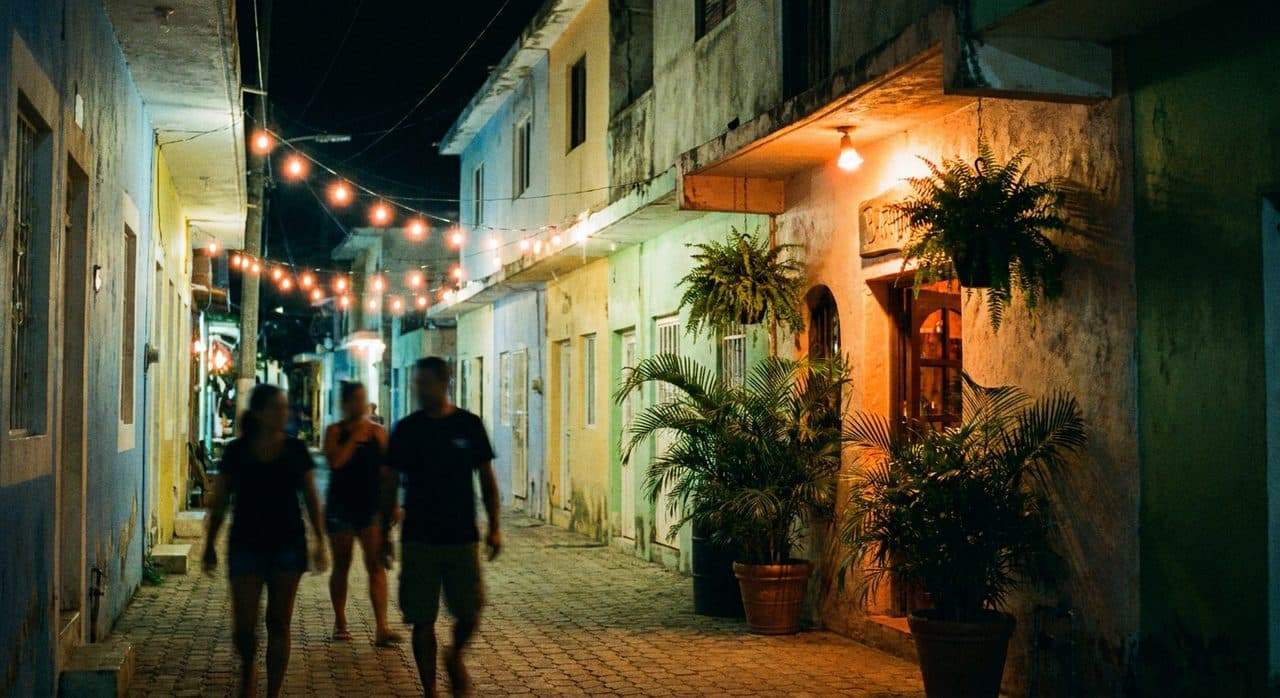
The first time you walk past it, you will miss it. This is not a failure of attention but a feature of design — or rather, the deliberate absence of design. On a block of Northeast Second Avenue in Little Haiti where Caribbean grocery stores stack cases of Jupina and Kola Lacaye in their windows and Haitian restaurants advertise legim and tasso on hand-painted boards, a single wooden door sits unmarked between a fabric shop and a botanica. There is no chalkboard sign promising craft cocktails. There is no velvet rope, no bouncer, no line of people performing patience for social media. There is only the door, painted the deep green of sugarcane leaves, and the faint sound of something happening behind it.
What happens behind it has been happening for nearly eight years now. The bar — which locals refer to simply by the owner's first name, though he prefers not to see it in print — opened without announcement in 2016 and has operated without a sign, without a website, without an Instagram account ever since. In a city where new bars hire photographers before they hire bartenders, this place found its audience the old way: by being good, and by being patient.
The Room That Rewards Arrival
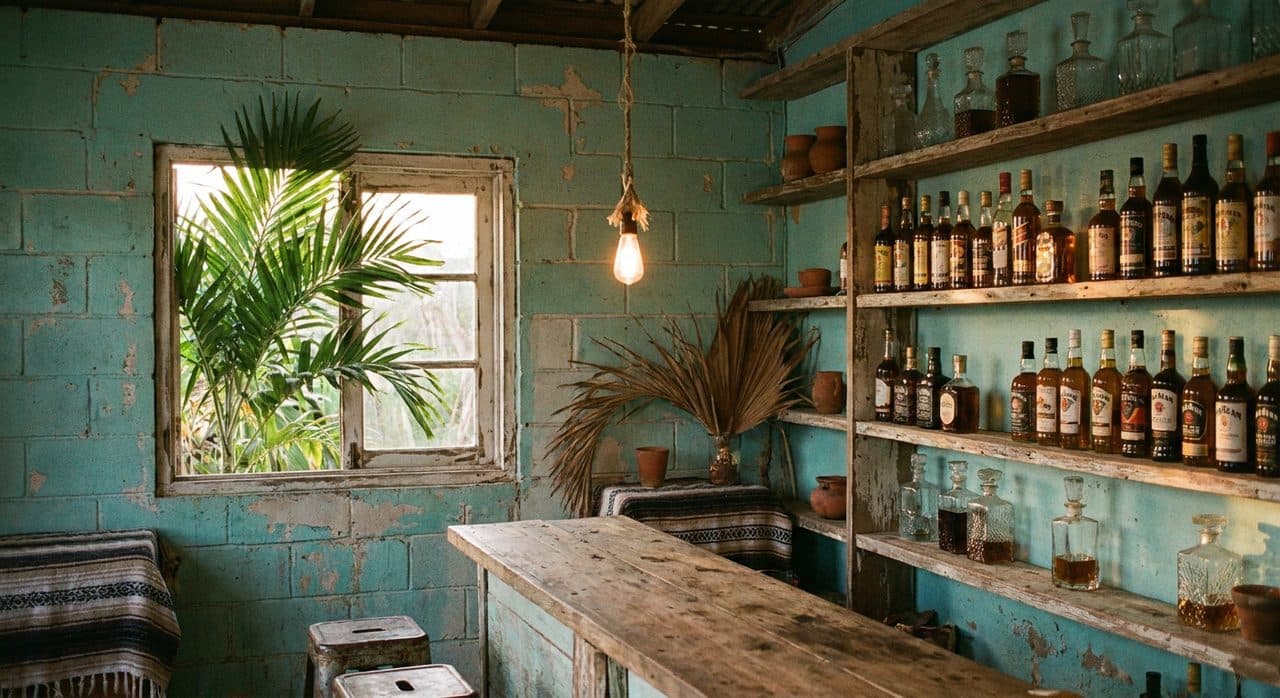
Step through that green door and the transition is immediate. The light drops. The temperature shifts — not by much, but enough to register as relief, particularly during a Miami heat wave when the sidewalk outside shimmers and the air conditioning inside feels less like climate control and more like mercy. The room is small, perhaps thirty feet deep and half as wide, with a pressed-tin ceiling that has oxidized to the color of old pennies. A wooden bar runs along the left wall, its surface worn smooth by elbows and spilled rum and years of conversation.
Behind the bar, instead of the backlit shrine of bottles you find at most cocktail establishments, there is a simple wooden board. Painted in white letters, it lists approximately twenty rums — aged expressions from Barbados, Jamaica, Martinique, Guadeloupe, and of course Haiti. The selection changes slowly, when bottles empty and replacements arrive, but the philosophy remains constant: nothing flavored, nothing spiced, nothing younger than four years in barrel. This is a place for rum that has earned its complexity.
The stools are mismatched, some wooden, some metal, all comfortable in the way that furniture becomes comfortable after absorbing years of human presence. On the walls hang a few photographs — Port-au-Prince in the 1950s, cane fields at harvest, a fishing boat on a beach that could be anywhere in the Caribbean — but the decorating impulse stopped there. The room is not styled. It simply is.
The Bartender Who Asks Questions
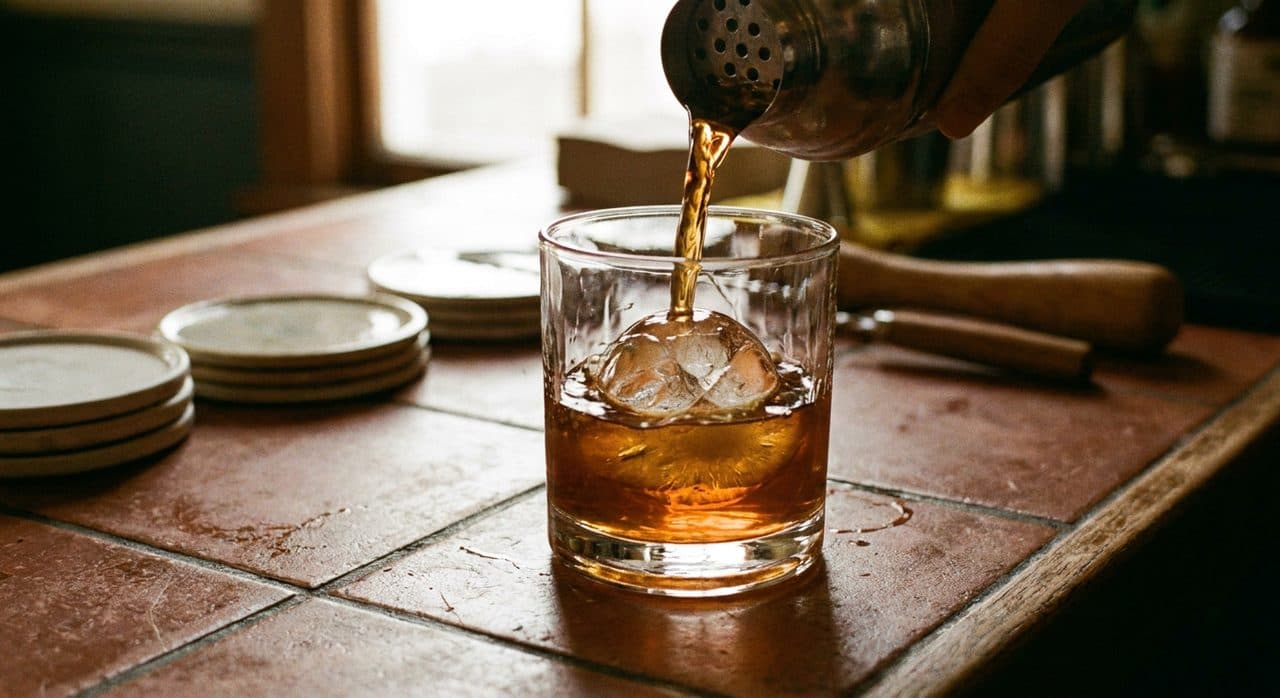
There is no cocktail menu because there are no cocktails. This is a rum bar in the original sense: a place where rum is served, considered, and respected. The bartender — usually the owner himself, though his nephew covers two nights a week — does not ask what you want to drink. He asks what you are looking for.
The distinction matters. Tell him you want something smooth and he will pour differently than if you say you want something with character. Mention that you have never had rhum agricole and he will reach for a Martinique expression and explain, while he pours, how rum made from fresh cane juice differs from rum made from molasses. Say you are celebrating something and he might gesture toward the top shelf, where a handful of bottles sit apart from the others. The oldest among them — a 1990s Barbancourt 8-year Réserve Spéciale — has a handwritten price tag that simply reads "ask first." Those who have asked report that the price is fair but not casual, and that the pour comes with a short history of the bottle's journey from Haiti to this particular shelf.
The conversation is part of the experience, but it is never forced. Sit quietly and you will be left to your rum and your thoughts. The bartender reads the room the way good bartenders always have, adjusting his presence to match what each customer seems to need.
Cash, Community, and the ATM in the Bathroom
The bar only takes cash. This is not an aesthetic choice designed to evoke some imagined speakeasy past. It is a practical decision rooted in principle: the owner has refused to pay credit card processing fees since opening day, viewing them as an unnecessary extraction from a business that operates on margins thin enough to see through. A small sign near the register states the policy without apology. For those who arrive unprepared, there is a hidden ATM tucked into the back bathroom — a detail that regulars share with newcomers as a small act of hospitality.
This insistence on cash creates something unexpected. It slows the transaction. It requires customers to count bills, to receive change, to engage in the small physical ritual of payment that cards have erased. Whether intentional or not, the policy shapes the atmosphere. People stay longer when they are not anxiously watching a tab accumulate on a screen. They talk more when they are not glancing at their phones to check Apple Pay balances.
The community that has formed around the bar reflects Little Haiti itself — Haitian immigrants and their American-born children, artists who moved to the neighborhood when Wynwood became unaffordable, nurses from the nearby hospital, a few chefs who come after their kitchens close. The room is small enough that strangers become acquaintances and acquaintances become regulars. No one is performing. Everyone is simply there.
The Food That Arrives Unbidden
Two nights a week — typically Thursday and Saturday, though the schedule shifts with the seasons — a Haitian food vendor sets up just outside the door. Her name is Marie, and she has been parking her small cart in the same spot for nearly as long as the bar has existed. She sells griyo, the fried pork that is arguably Haiti's national dish, and accra, salt-cod fritters crispy enough to shatter when you bite them. The bar does not officially run food. There is no partnership, no revenue share, no formal arrangement. The owner simply lets her park there, and customers simply walk outside when they are hungry.
The griyo arrives in a paper boat, the pork chunks glistening with fat and seasoned with a marinade that Marie declines to discuss in detail. The accra comes hot, almost too hot to hold, with a scotch bonnet sauce on the side that she makes fresh each morning. Eating at the bar is tolerated but not encouraged — the owner prefers that customers step outside, eat standing on the sidewalk, and return when their hands are clean. This is not rudeness. It is respect for the rum, which deserves attention undivided by the distraction of food.
Marie's presence transforms the bar on the nights she works. The smell of frying pork drifts through the open door. Customers cluster on the sidewalk, plates in hand, talking in Creole and English and sometimes French. The boundary between inside and outside dissolves. The bar becomes, briefly, something closer to a yard party than a business.
What Survives When Nothing Is Optimized
In a city that reinvents itself every eighteen months, where neighborhoods gentrify and then gentrify again, where bars open with million-dollar buildouts and close before their first anniversary, this unmarked room in Little Haiti represents something increasingly rare: a place that has not been optimized. No one has calculated the ideal lighting for photographs. No one has designed a signature cocktail intended to go viral. No one has installed a ring light in the bathroom.
What remains is simply a bar — a good one, run by someone who cares about rum and has made a small space where other people who care about rum can gather. The drinks are poured generously. The prices are fair. The conversation is real. In an age when every experience seems designed to be documented and shared, this place asks only to be experienced.
The door remains unmarked. The owner has been asked, more than once, whether he might consider a small sign, something tasteful, something that might help new customers find their way. He has declined each time. The people who should find it, he believes, will find it. Eight years of quiet success suggest he may be right.
Practical Notes
The bar operates Wednesday through Sunday, typically opening around 6 PM and closing when the last customer leaves, rarely later than midnight. Located on Northeast Second Avenue in Little Haiti, the unmarked green door sits between 62nd and 63rd Streets. Cash only — no exceptions — though the ATM in the back bathroom charges a reasonable fee. Rum pours range from eight to twenty-five dollars depending on age and rarity; the Barbancourt Réserve Spéciale requires a conversation. Marie's food cart appears most Thursdays and Saturdays starting around 7 PM, but confirm nothing and expect everything. Street parking is available but competitive; rideshare recommended. The bar has no phone number, no website, and no social media presence. Simply arrive.
Tags: #LittleHaiti #MiamiNightlife #RumBar #CaribbeanRum #HiddenMiami #HaitianCuisine #Barbancourt #MiamiBars #Griyo #LocalBars #RhumAgricole #MiamiSecrets #NightOut #CraftSpirits #MiamiCulture
Sources consulted: timeout.com · miaminewtimes.com · eater.com · thrillist.com
Please drink responsibly. Must be of legal drinking age.
All trademarks are the property of their respective owners.
Ask Karpo first
Want to know if the rum bar is open tonight, which vendor is outside, and what's actually on the board right now? Ask Karpo for the latest Little Haiti update before you go.