 Kombucha Taproom Near Me: Radiate Miami Kombucha Tasting Guide
Bars & Nights Out
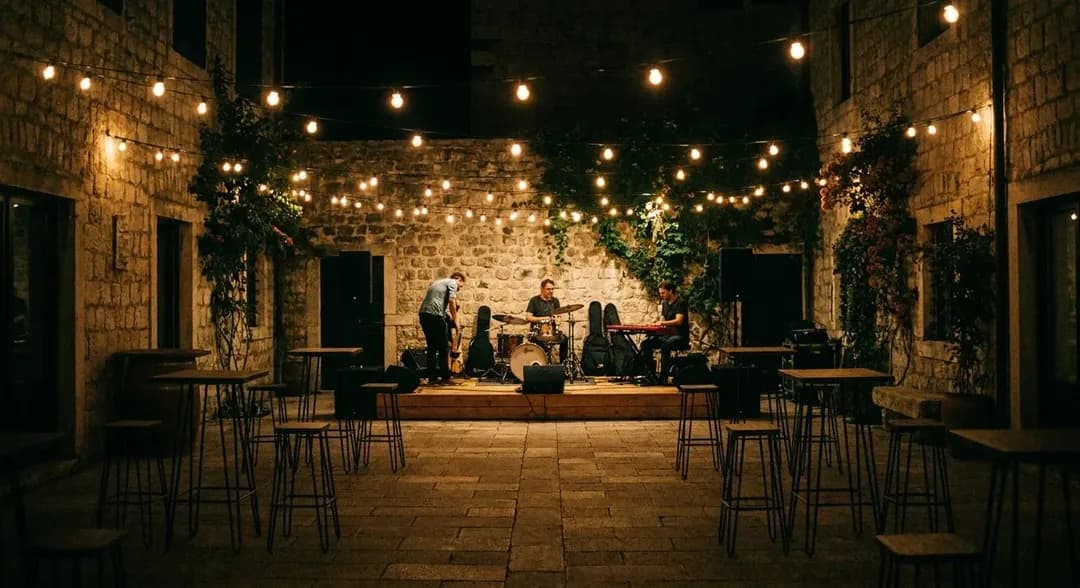
Ball & Chain's courtyard tables when the live son starts at twilight
The magic hour at this Little Havana institution arrives between soundcheck and first set—when courtyard fans spin up, mojitos are muddled without rush, and Calle Ocho shifts from day heat to night rhythm.
There's a narrow window at Ball & Chain when the venue belongs neither to the afternoon stragglers nor the night crowd, when the courtyard exists in a state of pleasant suspension. The sun has dropped low enough that the heat relents but high enough that the space still glows. Musicians unpack instruments. Bartenders arrange glassware with the unhurried precision of people who know the storm is coming. If you're planning summer travel to Miami and want to understand Little Havana beyond the cigar-shop clichés, this is the hour to claim a table and watch the neighborhood transform.
The geometry of shade
Not all courtyard tables are created equal, and the difference matters when you're trying to enjoy a drink in Miami's extended twilight. The tables along the left wall stay shaded until about seven forty-five in summer, while the center tables catch direct sun until well after eight. It's the kind of detail that separates tourists squinting into the glare from regulars who've learned to read the courtyard like a sundial.
The left-wall real estate gets claimed early by those in the know—couples on second dates who want atmosphere without sweat, solo travelers nursing paperbacks and people-watching. From these seats you can see the whole courtyard: the archway spilling onto Calle Ocho, the stage being prepped, the bar where three deep will become six deep in ninety minutes. The brick wall behind you still radiates the day's accumulated heat, but the overhead cover provides relief. A strategic pillar here and there offers additional shade, and the tables closest to these architectural features become particularly coveted as the evening progresses. For now, it's yours.
Soundcheck as prelude
Musicians typically arrive around six-thirty on weekends, hauling congas and trumpet cases through the side entrance, and bartenders turn on the courtyard fans around the same time—a small mechanical flourish that signals the venue's transition. The fans don't cool so much as circulate, pushing the day's trapped heat out and pulling in the faint diesel-and-fry smell of Calle Ocho settling into evening mode. There's a ritualistic quality to this moment, a signal to anyone paying attention that the venue is shifting gears, preparing for its nightly transformation from casual drinking spot to cultural institution.
Soundcheck is its own kind of performance. A conga player taps a rhythm, adjusts the head, taps again. The bassist plucks a line that dissolves into conversation. There's no setlist pressure, no crowd expectation—just the working language of musicians who've done this enough times to make tuning sound like jazz. You realize you're watching the blueprint before the architecture. The trumpet player runs scales while chatting with the bartender about last week's set. The timbalero adjusts his cymbals with the focus of a surgeon. These are the moments when musicians are most themselves, before they put on the persona that performance requires.
The mojito calculation
Ordering a mojito during soundcheck means bartenders have more time to properly muddle the mint before the rush starts at eight. It's a small advantage, but mojitos are unforgiving—too little muddling and you're drinking sugary rum with a garnish, too much and the mint turns bitter. The good bartenders know the difference, and right now they have the bandwidth to care.
The drink arrives cold enough to bead the glass, the mint bruised just enough to release oil without shredding. Sip it slowly. Let the lime cut through the sweetness while the courtyard fills in around you. A group of friends claims the center tables, ignoring the sun because they're too busy catching up to notice. A couple at the bar leans in close, their Spanish rapid and comfortable. This is the mojito's proper context—not rushed between meetings but savored as the prelude to something.

The sensory shift from day to night
The courtyard engages all your senses differently as twilight settles in. The light changes first, going from harsh white to amber to that particular blue that only exists for about twenty minutes. The sounds layer differently—the sharp clatter of daytime commerce softens into evening's mellower acoustics, where conversations blend rather than compete. The temperature drops just enough that your skin stops protesting, that threshold where Miami's climate shifts from adversary to accomplice.
The smell of the neighborhood changes too. The hot concrete and exhaust fumes that dominated the afternoon give way to more complex notes: cigarette smoke drifting from the adjacent bar, perfume from passing women dressed for Saturday night, the green smell of mojito mint being muddled by the dozen. Even the courtyard's brick walls seem to release their own scent as they cool, a dusty mineral aroma that speaks to the building's age and history. Your mojito tastes different in this context, the same recipe somehow more vibrant when consumed as the air itself transforms around you.
The neighborhood handoff
Calle Ocho at twilight is a study in shift change. The botanica owners pull down their grates. The ventanita coffee windows serve their last cortaditos to workers heading home. Delivery trucks that have double-parked all day finally move on, and the street exhales. Little Havana's daytime hustle—transactional, purposeful—gives way to its nighttime identity, when the neighborhood loosens its tie and remembers it knows how to dance.
From your courtyard table you can watch the handoff happen. Families stroll past, grandparents moving at a pace that suggests they own time rather than rent it. A guy sells roses from a plastic bucket with the weary optimism of someone working table to table. The domino games outside the adjacent social clubs grow louder, old men talking trash in a patois of Spanish and English and sheer bravado. Teenagers on lowrider bikes cruise past, moving slow enough to see and be seen. The fruit vendor who's been posted at the corner all day finally packs up his mango cart, the last transactions conducted in the forgiving light that makes everyone look better.
When the band takes the stage
The first set doesn't so much begin as coalesce. The bassist who was noodling twenty minutes ago now locks into a montuno. The congas answer. The trumpeter lifts his horn and suddenly there's architecture where before there were only sketches. Son cubano—the stuff that predates salsa, the root code of Caribbean rhythm—fills the courtyard with a complexity that makes you sit up straighter.
This is what you came for, even if you didn't know it when you walked in. The music is neither background nor spectacle but something in between—insistent enough to command attention, generous enough to let you keep your conversation. Couples drift toward the open space near the stage, testing whether their hips remember the clave. Some do. Some don't. Everyone tries anyway, and that's the point.
The courtyard is full now, the tables you had mostly to yourself an hour ago packed tight. The sun has finally dropped below the roofline and the space glows under string lights that looked decorative in daylight but now do actual work. You've finished your mojito. The band is three songs deep. Calle ocho hums outside the archway. And you understand, finally, why the regulars arrive early—not to beat the crowd but to watch the room become itself.
Practical notes
Ball & Chain is located at 1513 SW 8th Street in Little Havana. Street parking is the most practical option; look for spots along Eighth Street or the surrounding blocks, and arrive early on weekends. The venue typically opens in the late afternoon, with live music starting in the evening—verify hours directly, as schedules shift seasonally. The courtyard is open-air and wheelchair accessible via the main entrance. Bring cash for cover charges and tips, though cards are accepted at the bar. Expect warmth and humidity even after sunset; dress accordingly.
Tags: #PullUpAChair #MiamiNights #LittleHavana #LiveMusic #CourtyardDrinking #CalleOcho #SonCubano #MojitoHour #TwilightRitual #SummerTravel #MiamiMusic #NeighborhoodGems #GoldenHourDrinking #CubanRhythm #LocalScene
Please drink responsibly. Must be of legal drinking age.
Sources consulted: Little Havana · Calle Ocho · Miami & Beaches - Little Havana · Time Out Miami - Bars
All trademarks are the property of their respective owners.
Ask Karpo for more information.
Keep reading
- Kombucha Taproom Near Me: Radiate Miami Kombucha Tasting Guide
 Kombucha Taproom Near Me: Syndicate Kava Bar Wynwood Draft Guide
 Kombucha Taproom Near Me: Mendez Fuel Coral Way Growler Station