 Haaland Has Seven Goals and Norway Runs Entirely Through Him
⚽️2026 FIFA WORLD CUP
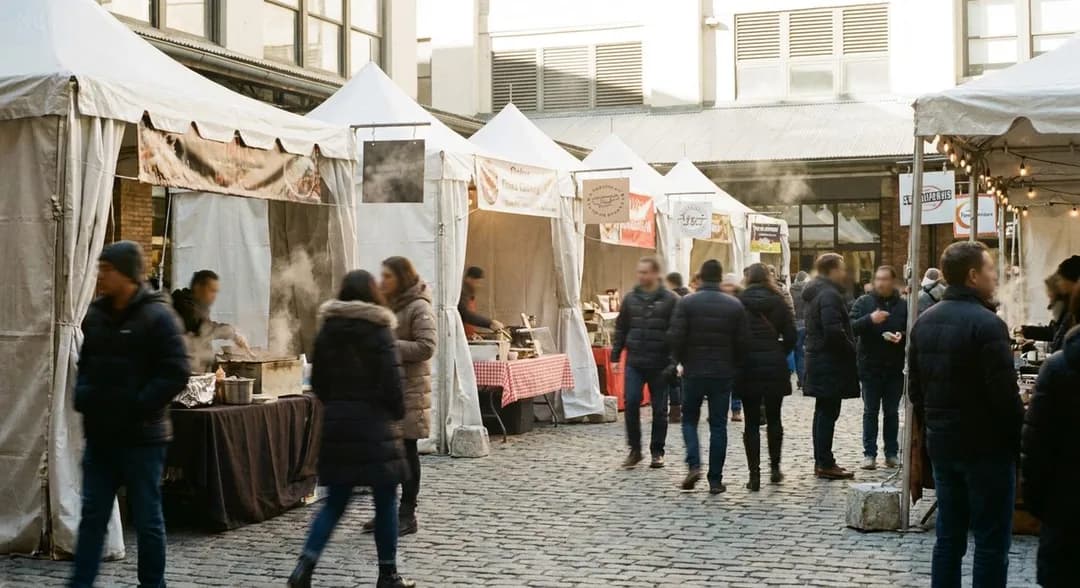
The International Food Stalls Opening in NYC for World Cup Summer 2026
Pop-up food halls at Chelsea Market and Smorgasburg adding 32-nation rotating menus
You walk into Chelsea Market on a Tuesday afternoon in June 2026 and suddenly you're navigating a corridor that smells like Senegalese thieboudienne, then Brazilian feijoada, then Iranian tahdig—all within fifteen feet. The International Food Stalls project turns two of New York's most trafficked food destinations into rotating World Cup villages, with each of the 32 qualifying nations getting their own counter space, menu, and three-week residency before the next wave rotates in.
When Ecuador Takes Over the Lobster Bar Space
Chelsea Market's western corridor, usually home to permanent vendors, clears out sections starting May 15th for the first rotation. Ecuador's stall occupies the old Lobster Place annex—the narrow room most tourists miss entirely—and chef María Constante from Quito's Urko restaurant runs a menu that skips ceviche entirely. You want the encebollado served at 11am when the broth is exactly the right temperature, not scalding, not lukewarm. She makes only forty bowls per day. The pickled red onions come from a jar she brings from a specific market stall in Guayaquil, and she'll tell you the vendor's nickname (La Reina) if you ask about the sharpness. By week two, regulars know to order the bolón de verde off-menu for $8, available only until they run out of green plantains around 2pm.
Smorgasburg's Floating Pavilion Gets Borders
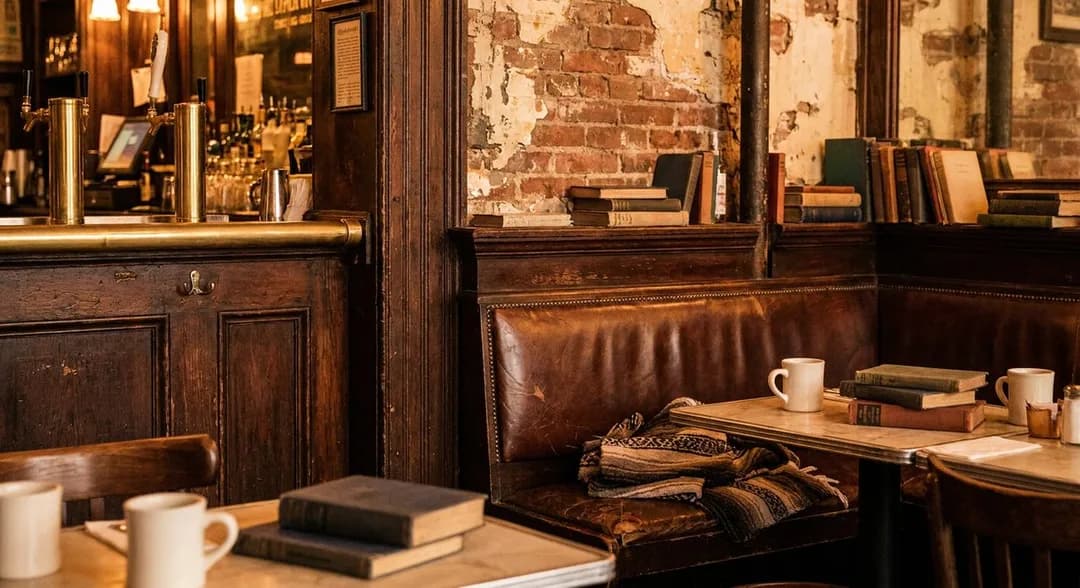
The Williamsburg waterfront location builds temporary structures that look permanent—wooden pavilions with actual walls, not just tent flaps. Japan and South Korea share a double-wide space during the tournament's opening weeks, and the design mimics a split izakaya-pojangmacha setup with a center partition you can see through. Chef Akiko Tanaka from Brooklyn's closed Karasu project handles the Japanese side, focusing entirely on yakitori and highballs. The Korean side, run by a collective from Flushing's Gwang Yang, does gopchang gui—grilled intestines—that most Korean spots in the city won't touch for pop-up insurance reasons. You sit on actual stools bolted into a platform that extends over the East River. When the J train passes on the Williamsburg Bridge, the whole structure vibrates just slightly. Go at 6:45pm on weekdays when the sunset hits the pavilion at the exact angle that makes everyone's phone camera worthless.
The Ghanaian Stall That Isn't Really Ghanaian
Chelsea Market's Ghana rotation (weeks 7-9, July 10-30) causes minor controversy when it turns out the chef, Kwame Osei, spent the last decade in London and his fufu technique reflects Hackney more than Accra. The jollof rice tastes different—he uses a specific smoked pepper blend from a Nigerian supplier in Flatbush, which purists argue disqualifies the whole operation. But his red red, served with overripe plantains that are almost black, hits a sweetness-heat balance you don't find elsewhere in the city. The kontomire stew comes with a side of shito that he makes in a basement kitchen in Crown Heights at 4am every Wednesday. If you show up Wednesday mornings around 10:30am when the stall opens, you can smell it on him still. He'll sell you a jar for $15 cash, no card, nothing recorded on the register.
What Morocco Does With the Smorgasburg Corner Spot

The Prospect Park Smorgasburg gets Morocco during the actual World Cup matches (June 11-July 19), and chef Amina Benjelloun from Casablanca takes the premium corner location where lines form regardless of what's being sold. She skips tagines entirely—too slow for the format—and focuses on bocadillos and msemen that she griddles to order on a flat-top she had shipped from a specific supplier in Tangier. The merguez sandwich comes with a harissa mayo that's closer to aioli, and she tops it with preserved lemon that's been fermenting for nineteen months, not the standard three-week quick version. You taste the difference in the funk. Her nephew, who goes by Amin but introduces himself as "the good-looking one," works the register and knows every regular's order by face after three days. The mint tea costs $4 and comes in actual glass cups you return to a bin, not paper, which means you stand there holding hot glass like a civilized person instead of walking away mid-conversation.
When Poland and Argentina Share a Kitchen
Chelsea Market's strangest pairing happens weeks 4-6 (June 19-July 9) when Poland and Argentina split a single kitchen with one hood system. Chef Tomasz Krawczyk from Greenpoint's Polka Dot and chef Luciana Vega from Queens' closed Tango Sur somehow negotiate a menu that shares fryer oil and oven space. The result: pierogi filled with chimichurri-spiced beef that shouldn't work but does, and empanadas with a filling that tastes suspiciously like bigos. Vega admits they're essentially running a fusion experiment under the guise of two separate national stalls. The choripán comes with a side of cucumber salad that's definitely Polish potato salad without the potato. Order the "diplomat's plate" off-menu—$18 for a combination that includes three pierogi, two empanadas, and a serving of both sauces—and they'll serve it on a wooden board that makes the whole thing look intentional instead of chaotic.
The Iran Stall Everyone Misses at Prospect Park
Iran's residency at Prospect Park Smorgasburg (July 24-August 13, technically after the World Cup final but part of the extended program) operates from the least visible spot, tucked behind the Brooklyn Brine pickle stand. Chef Nasrin Mohamadi from Shiraz runs a kebab operation that focuses on koobideh with a char level most health departments would question. She uses a custom-built mangal she welded herself in a Gowanus workshop, and the smoke output causes ongoing negotiations with Smorgasburg management. The tahdig comes as a side for $6 and it's the crispiest rice crust in the city, period. She makes it in a rice cooker she's had for twenty-three years, brought from Iran through three different countries. The saffron she uses costs $40 per gram and she'll show you the threads if you ask. Her daughter works the stall on weekends and speaks fluent Farsi, Spanish, and English, switching between all three in a single transaction with the couple in front of you.
Practical Notes: Timing Your Visit and Getting In
Chelsea Market stalls operate 11am-9pm daily, with some vendors running out of ingredients by 7pm during peak match days. Smorgasburg Williamsburg runs Saturdays 11am-6pm, Prospect Park on Sundays same hours, both through August 2026. The L train to Bedford Avenue gets you to Williamsburg; the B/Q to Prospect Park for Brooklyn. No reservations exist—this is counter service with outdoor seating or standing room. Expect 15-30 minute waits during match broadcasts (screens are set up at both locations). The rotating schedule means checking @chelseamarket and @smorgasburg on Instagram weekly for current vendor lineups. Cash helps at several stalls, though most take card. Budget $15-25 per person for a full meal. The Chelsea Market stalls stay open during rain; Smorgasburg closes if weather gets genuinely dangerous, which means you're gambling on summer thunderstorms. Arrive before noon on weekends or after 3pm to avoid the worst crowds.
Please drink responsibly. Must be of legal drinking age.
Tags: #WorldCup2026 #NYCFoodScene #ChelseaMarket #Smorgasburg #StreetFoodNYC #PopUpDining #InternationalCuisine #WilliamsburgEats #ProspectPark #FoodHall #SoccerCulture #BrooklynFood #ManhattanEats #FIFAWorldCup #GlobalFlavors
Sources consulted: fifa.com · espn.com · timeout.com
All trademarks are the property of their respective owners.
Ask Karpo for more information.
Keep reading
- Haaland Has Seven Goals and Norway Runs Entirely Through Him
 World Cup Trophy Ceremony Timing Medals and Postmatch Celebrations
 Olise and France's Attack: The Semifinal Tactical Question