You walk into a narrow storefront on the west edge of Pico-Union and the first thing that hits you is the smell—hot nylon and ink solvent mixing with the ozone tang of industrial sewing machines running at full bore. The walls are papered floor-to-ceiling with fabric samples, each one a country's flag stitched beside another in combinations you won't find at the UN. This is where people come when allegiance doesn't fit inside a single rectangle.
The Sound of Dual Identity Running Through a Serger
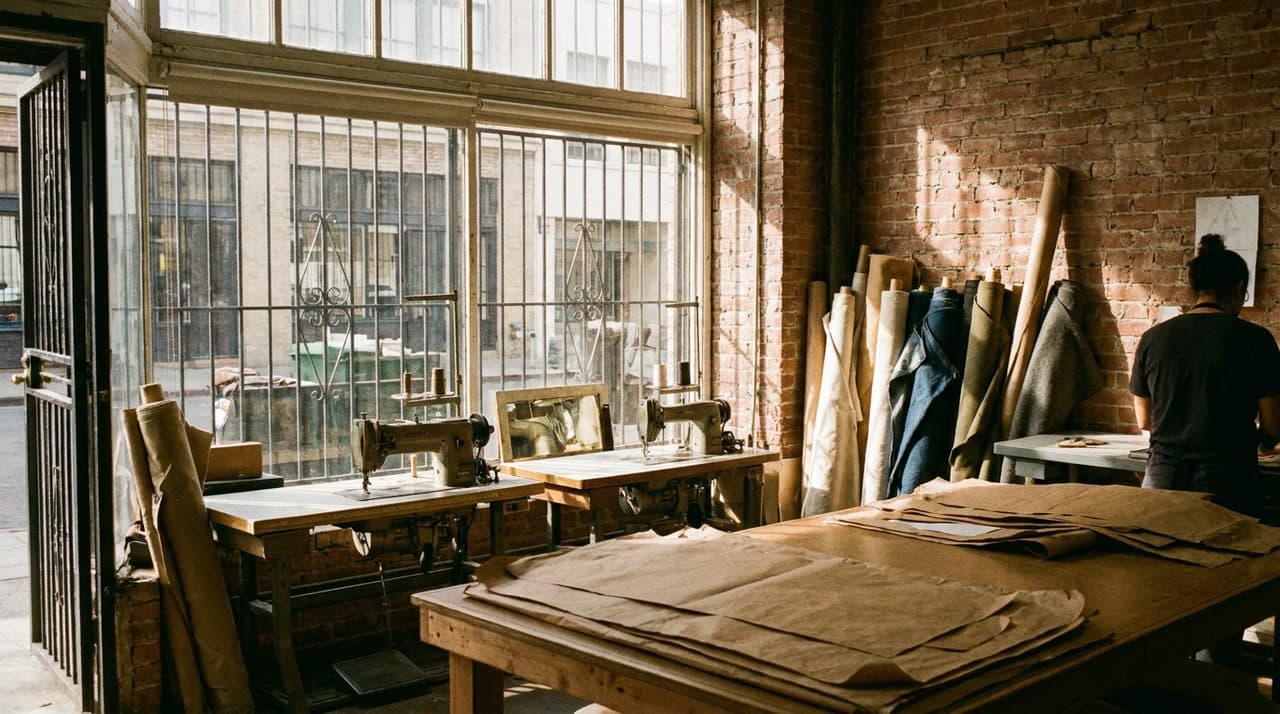
The machines never stop. Three heavy-duty sergers line the back wall, each one capable of stitching through four layers of polyester without breaking stride. The rhythm is hypnotic—a mechanical chatter that rises and falls as the operator guides fabric through the feed dogs. You watch someone feed in a length of green-white-red Italian stripes on one side, Mexican tricolor on the other, the two patterns meeting at a vertical seam that runs down the center like a spine. The operator doesn't look up. She's done this exact combination eleven times this month alone, always with the Italian side on the left. It's never random which side goes where—customers specify, and the reasons are personal enough that nobody asks.
The workspace smells like heated synthetic fiber, that particular petroleum sweetness that clings to your clothes for hours after you leave. Bolts of fabric lean against every vertical surface, organized by color rather than country. You realize after a few minutes that this makes perfect sense—most hybrid commissions share at least one color, and the owner can pull what's needed without walking the whole shop.
What People Actually Order When They Walk In
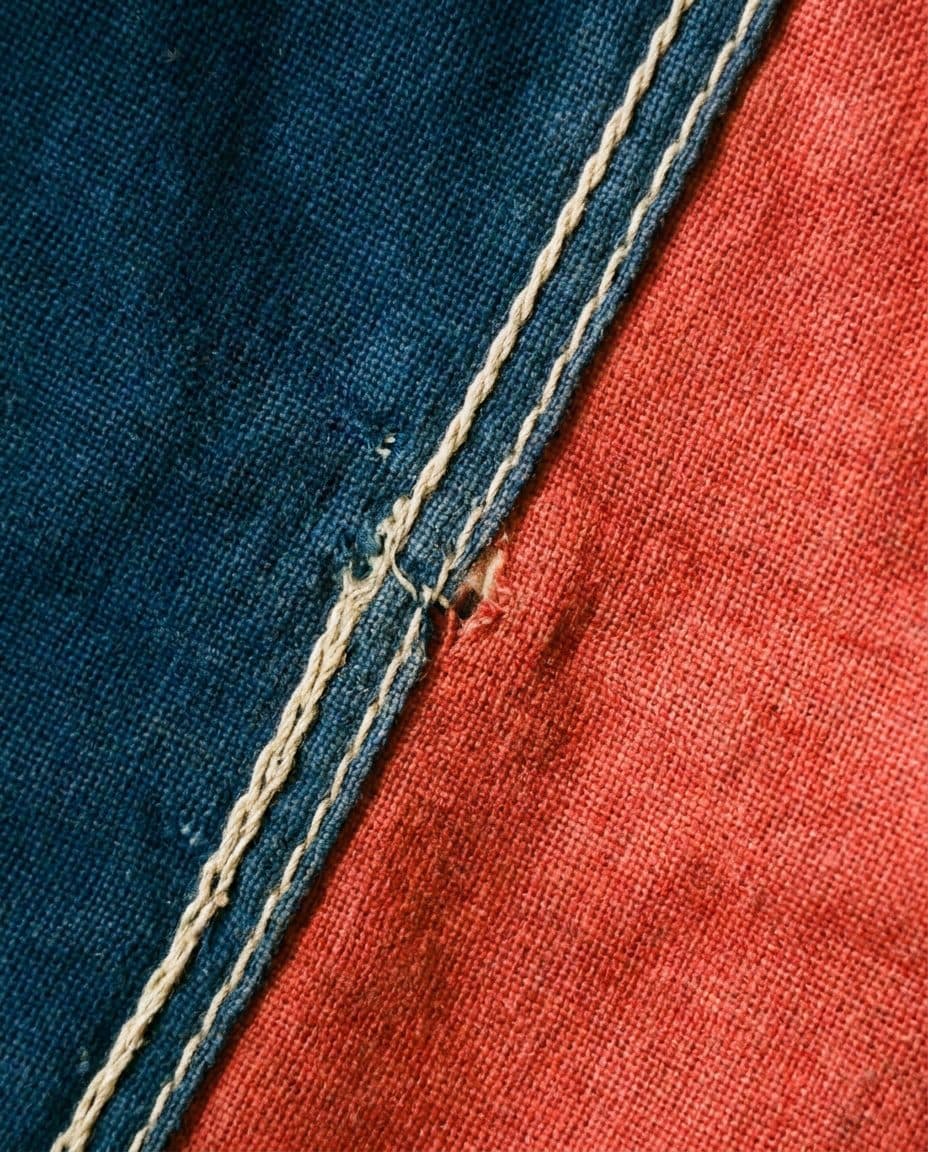
Nobody comes in asking for "a custom flag." They come in with photographs—wedding announcements, graduation programs, restaurant openings, funeral programs. One regular brings in a photo of his daughter's soccer jersey every season, then commissions a banner that splits her birth country with the country where she learned to play. The banner flies at every home game, strung between two lawn chairs behind the goal. You see it in progress on a Tuesday afternoon, the stitching still loose at the corners, and the operator explains that outdoor flags need reinforced grommets because wind load is no joke in this part of the city where the breeze funnels between low-rise apartment blocks.
The most common requests aren't the ones you'd guess. It's not Mexico-USA, though that comes up. It's Guatemala-Mexico, El Salvador-Honduras, Armenia-Lebanon, Korea-Philippines. Combinations that reflect migration routes, not simple border crossings. One customer commissioned a three-way hybrid—a technical nightmare that required a Y-seam intersection and took two days to pattern correctly. It hangs in the front window now, a sample piece that nobody's ever asked to replicate.
The Light Around Midday When Everyone's Here
Late morning is when the shop fills. The front bell jingles every few minutes and someone walks in holding something—a printout, a hand-drawn sketch, sometimes just a verbal description delivered in a mix of Spanish and the operator's Armenian. There's a wooden bench along the window where people wait, and by eleven it's always full. The light coming through the glass is harsh and unfiltered, turning every fabric sample into a backlit stained-glass panel. You sit there once and realize you can hear three conversations happening simultaneously, each in a different language, none of them English.
The customers aren't all immigrant families. You see business owners ordering banners for grand openings, event planners sourcing decorations for cultural festivals, even a few people who just want something nobody else has. One guy commissions a flag that's half Dodgers blue, half Raiders silver-and-black, which technically isn't a national hybrid but gets treated with the same seriousness as any other order. The operator measures, quotes a price that's low-key affordable, and adds it to the queue without commentary.
The Technical Problem of Making Symbols Cooperate
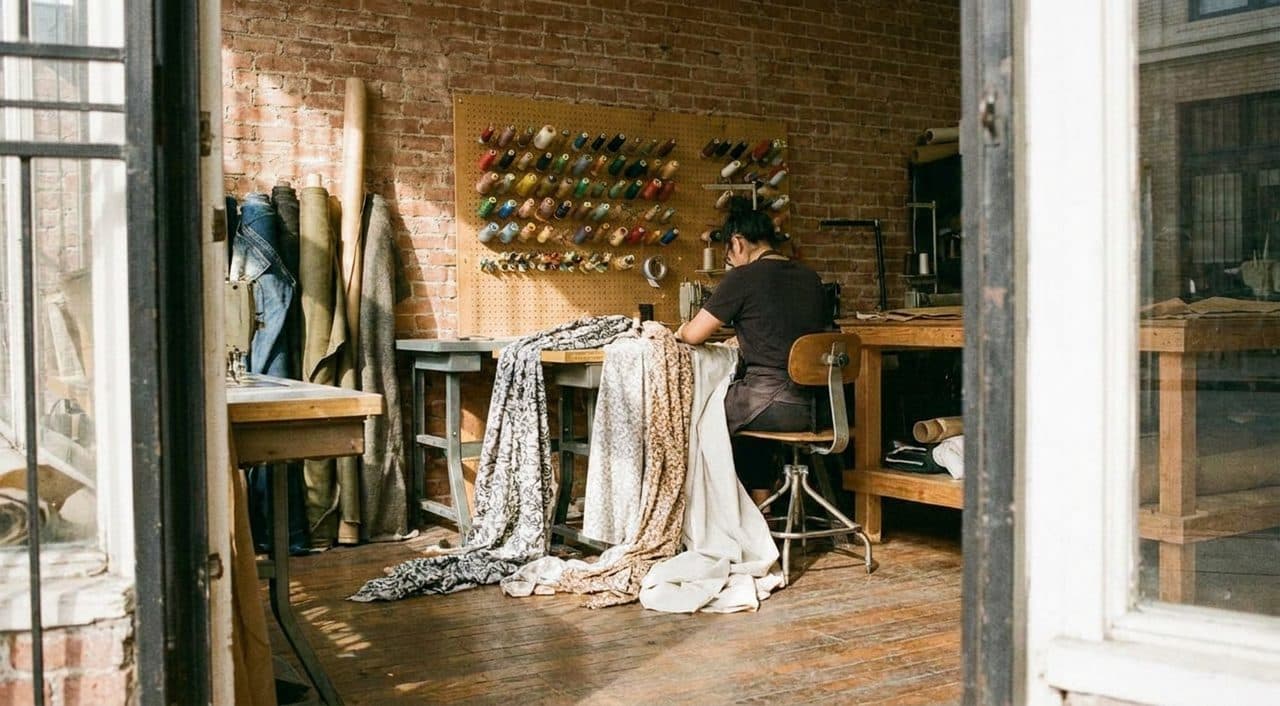
Flags aren't designed to be bisected. The geometry doesn't work—stars end up cut in half, emblems bleed across seams, stripes don't align. The operator keeps a binder of solutions, page after page of sketches showing how to handle a coat of arms that sits dead center, or what to do when one flag is horizontal stripes and the other is vertical. Some designs require compromise. The customer gets a proof sketch, makes adjustments, comes back a week later to approve the final layout.
The most complicated orders involve flags with text. Arabic script running right-to-left doesn't play nicely with a vertical seam, and Cyrillic characters need to stay readable at a distance. The operator has developed workarounds—shifting elements, scaling proportions, sometimes rotating an entire design ninety degrees to make the composition work. You watch her explain this to a customer using hand gestures and a pencil, sketching directly on the counter until they both nod in agreement.
Where These Banners End Up Flying
You start noticing them once you know what to look for. They're at youth league soccer matches, strung between tent poles at weekend swap meets, hanging in restaurant windows along Pico Boulevard. One flies year-round from a second-story balcony on a residential block, visible from the bus stop where you wait on Thursday afternoons. It's faded now, the colors bleached pale by two years of sun, but it's still up there—half one country, half another, the seam holding.
Some customers order multiples. They want one for home, one for the car, one to send back to relatives who stayed behind. The operator offers a bulk discount that's barely a discount at all, but people take it anyway. The flags become family artifacts, things that get photographed and shared, that show up in the background of video calls and social media posts. They're not protest statements or political gestures—they're just honest representations of how identity actually works when you've lived in more than one place.
Practical Notes
The shop sits on the Pico-Union side of the neighborhood, walkable from the Pico station if you don't mind a stretch of sidewalk with minimal shade. It's open weekdays and Saturday mornings, closed Sundays. No appointments needed, but complex orders require a consultation before production starts. Turnaround runs about a week for standard two-flag hybrids, longer if you're asking for something technically complicated. Payment is cash or card, prices are reasonable enough that most people order larger sizes than they originally planned. Street parking is easier in the morning before the lunch rush hits the surrounding blocks. If you're coming by bus, the northbound line drops you two blocks east—walk toward the cluster of fabric stores and you'll spot the flag samples in the window.
Tags: #TheOddEdit #PicoUnion #LosAngeles #ImmigrantStories #TextileArt #CustomFlags #DualIdentity #CulturalHybrid #NeighborhoodCraft #HiddenLA #DiasporaLife #SmallBusinessLA #LocalArtisans #LAFinds #AuthenticLA
Sources consulted: atlasobscura.com · timeout.com · nytimes.com
All trademarks are the property of their respective owners.