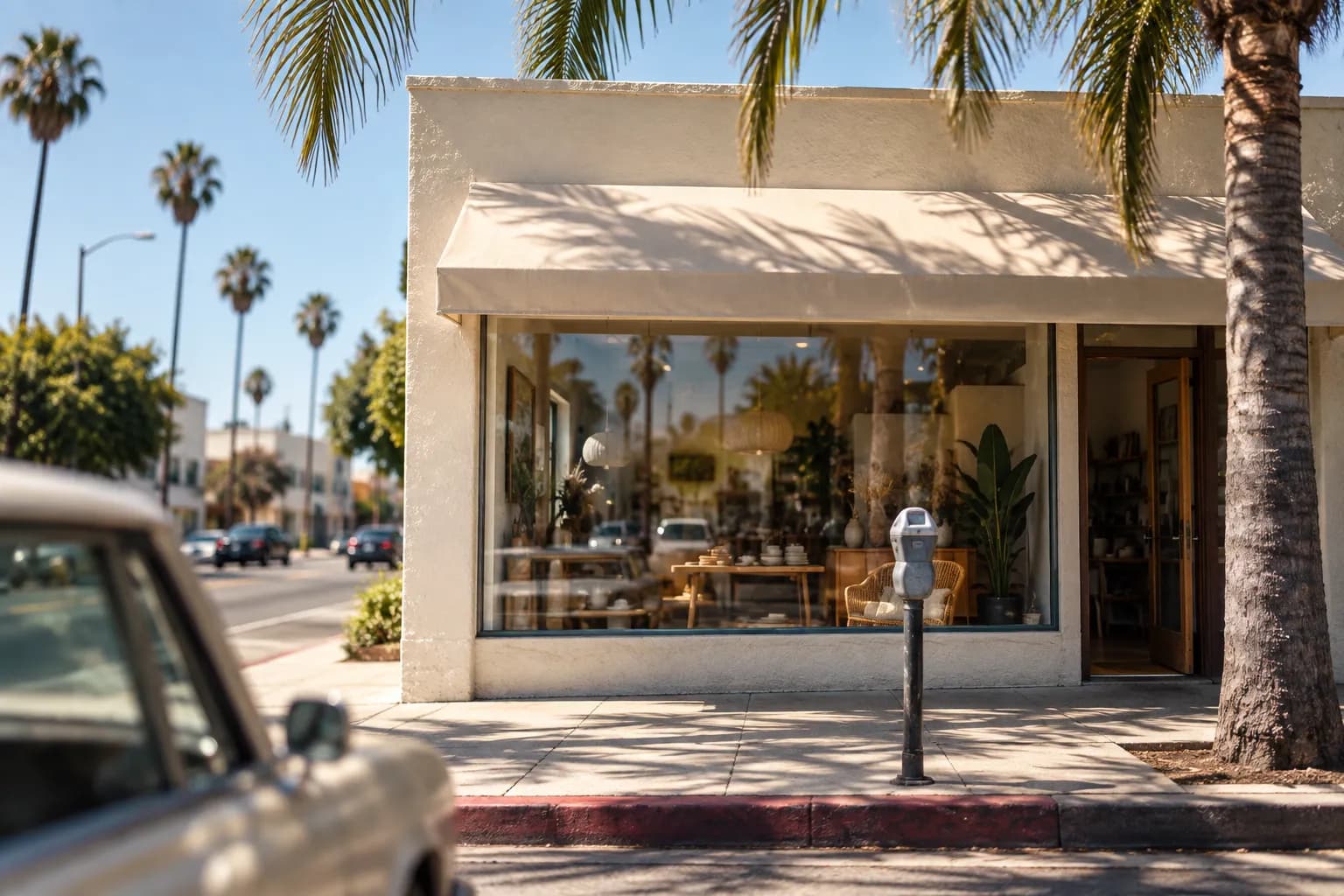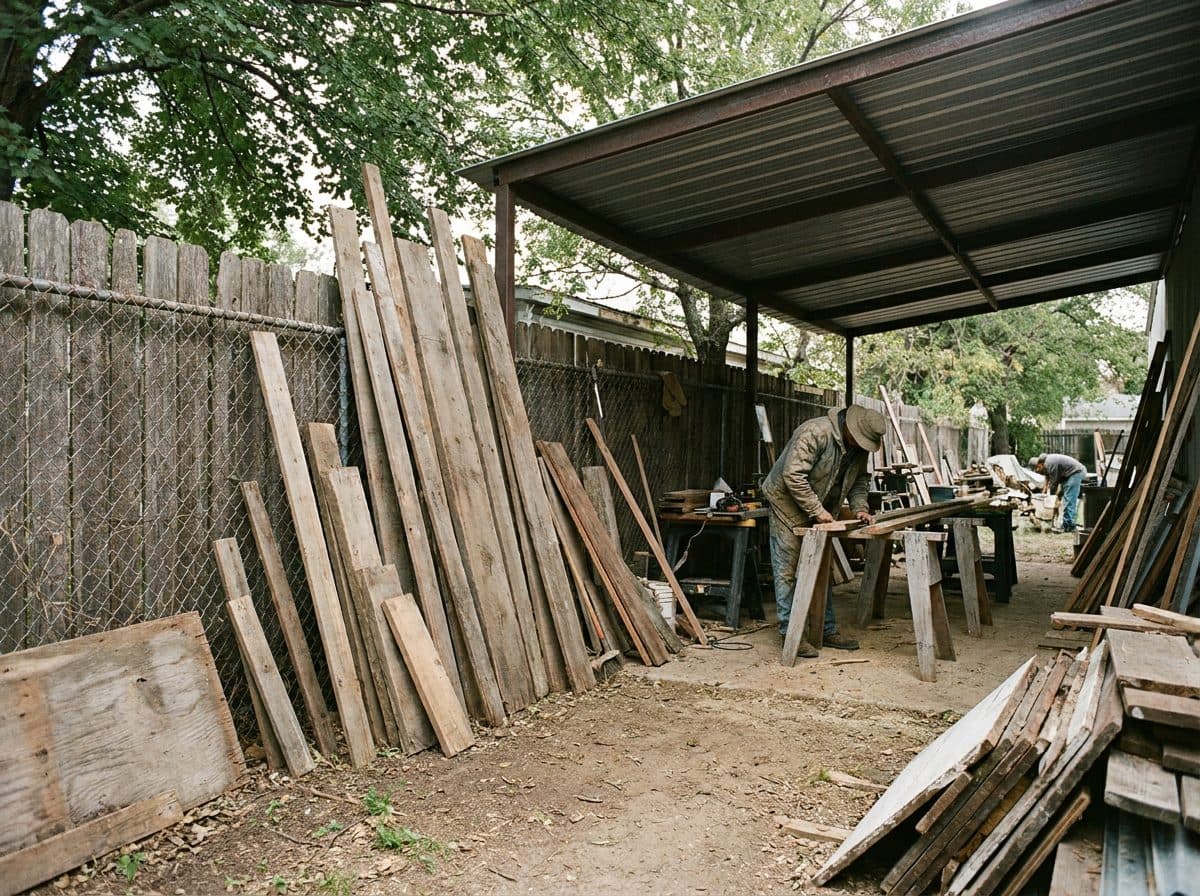
You walk past the place three times before you notice the wooden gate half-hidden behind trumpet vine on Sunset Boulevard's eastern stretch, where Echo Park bleeds into Elysian Valley. Behind it sits a corrugated metal workshop that smells like sawdust and motor oil, where a collection of hand-operated scoreboards from demolished American ballparks fills every wall and corner. This isn't a museum with velvet ropes and donor plaques. It's a working restoration space where mechanical number flippers still click into position and painted steel panels lean against workbenches covered in wood shavings.
The Sound of Innings Turning Over
The centerpiece hangs on the north wall—a green-painted wooden scoreboard section with brass number wheels that flip with a satisfying mechanical clunk when you turn the crank handle. Each wheel holds cards printed with numbers zero through nine, mounted on a rotating drum mechanism that ballpark operators once controlled from behind the board. The paint has that specific crackle pattern that only comes from decades of sun exposure and temperature swings. You can still see the faint outlines where advertising panels were bolted on, ghost rectangles in slightly different shades of green. The brass has oxidized to a deep amber color that catches the afternoon light coming through the skylight.
Steel Panels That Held Thousands of Eyes
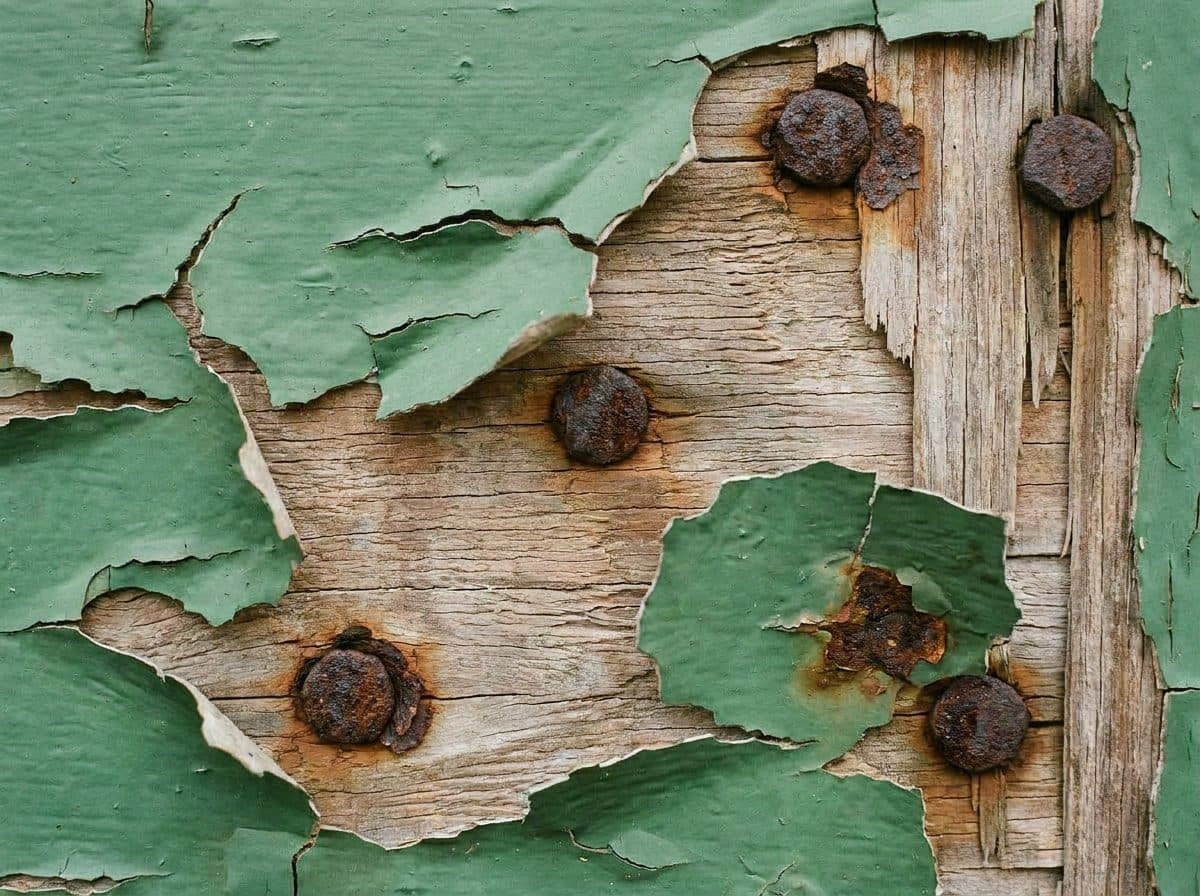
Leaning against the eastern wall, a series of painted steel panels spell out I-N-N-I-N-G in letters three feet tall. These came from an outfield scoreboard where hand-placed numbers told the story of each game to crowds who couldn't see home plate clearly. The steel is thicker than you'd expect, heavy gauge metal that required serious mounting hardware. Someone has partially stripped one panel, revealing four different paint layers underneath—forest green, then cream, then a peculiar shade of rust orange, then back to green again. Each layer represents a different era, different ownership, different team colors. The paint chips sit in a mason jar on the workbench, arranged by color like geological strata.
The Flip Card Mathematics of Baseball
A wooden cabinet against the back wall holds hundreds of individual number cards, each one hand-painted on thin wood veneer. They're organized in divided compartments like a printer's type case—all the ones together, all the twos, all the threes. The paint application varies wildly. Some numbers show careful brushwork with clean edges and consistent thickness. Others look rushed, probably repainted between games by whoever had a brush handy. You can see fingerprints preserved in the paint on several cards, thumb smudges along the edges where someone grabbed them quickly. The wood has warped slightly over the years, giving each card a gentle curve that makes them difficult to stack flat.
Mechanical Systems That Required No Electricity
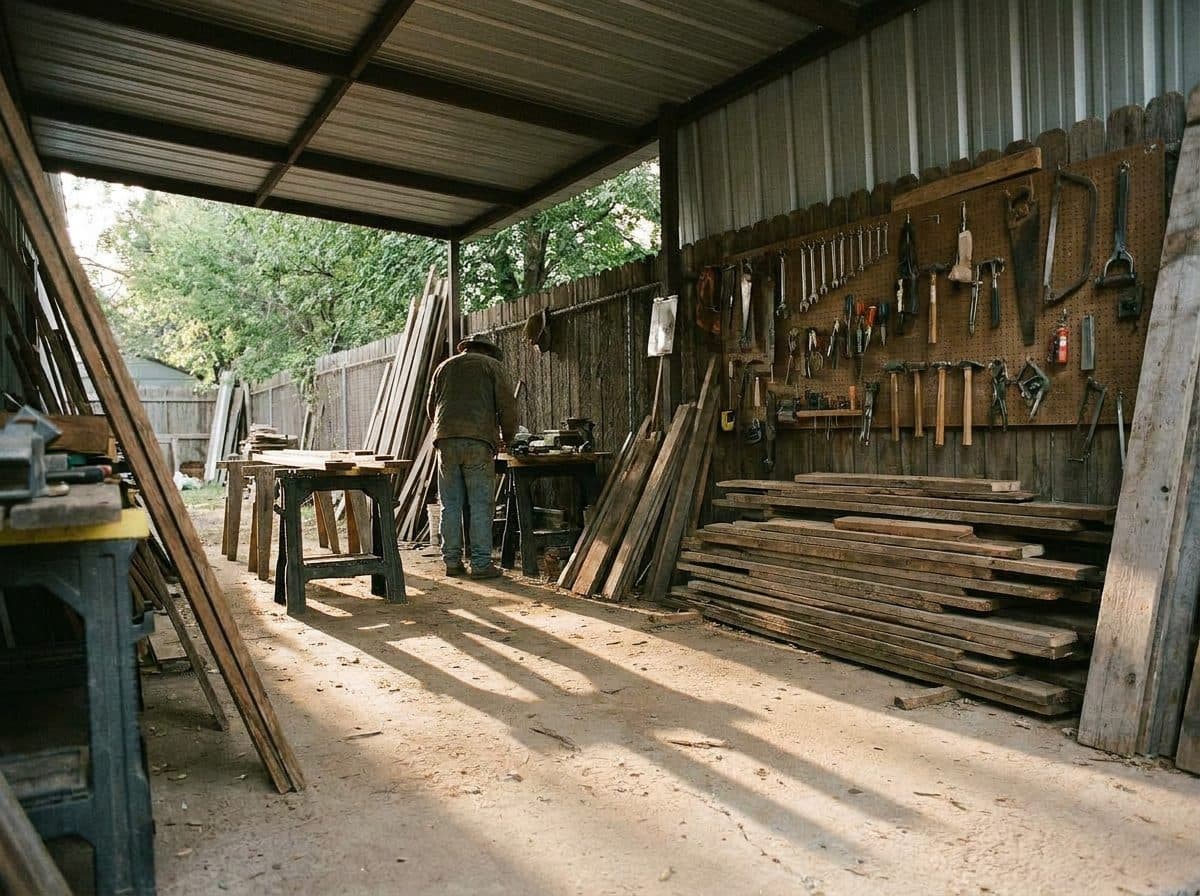
The restoration area occupies the workshop's center, where a partially disassembled scoreboard mechanism sprawls across two sawhorses. The system uses a series of bicycle chains and sprockets to connect the operator's controls to the number wheels visible from the stands. Everything runs on leverage and gravity—you pull one handle and a chain rotates a drum twenty feet away. The engineering is surprisingly sophisticated, with tensioners and guides that keep the chains aligned even when the wooden frame expands and contracts with humidity changes. Grease from the original installation still darkens some of the sprocket teeth, thick black stuff that never fully dries. The workshop smells strongest here, that particular combination of old grease and sawdust that sticks in your throat.
Paint Samples From Demolished Outfield Walls
Small wooden boxes on the shelving unit contain paint chips and hardware samples organized by ballpark. Each box has a handwritten label with the stadium name and demolition year. The chips aren't just green—they're specific shades that corresponded to team colors, sponsor requirements, or whatever paint the maintenance crew could source that season. One box holds bolts and rivets sorted by size, their threads still crusted with concrete from when they were extracted from stadium walls. Another contains fragments of weather stripping, the rubber gaskets that kept rain from seeping behind the scoreboard panels. The rubber has gone brittle and cracked, but you can still see the compression marks where it was squeezed between metal surfaces.
Where Operators Sat During Extra Innings
A narrow wooden bench sits in the corner, salvaged from behind a scoreboard where the operator would have spent nine innings or more turning cranks and updating numbers. The seat is worn smooth in the center, darkened by decades of contact with cotton work pants. Two cup rings mark the surface where someone repeatedly set down their coffee or beer. The bench faces a small window—not original to the workshop but positioned to suggest the view an operator would have had, watching the game through a gap in the scoreboard structure while simultaneously updating the numbers for the crowd. You can imagine the specific kind of loneliness that job required, isolated behind the board while thousands of people sat just on the other side of the steel panels.
Practical Notes
The workshop operates by appointment only, typically available late morning through early afternoon on weekends. Getting here means parking along Sunset Boulevard near the Elysian Valley edge of Echo Park and walking back east until you spot the trumpet vine. The space isn't temperature controlled, so summer visits mean heat and winter means you'll want a jacket. There's no formal admission structure, though donations toward restoration materials are welcomed. The collection continues to grow as demolition crews and salvage yards make contact, so what you see changes gradually over months. Plan for an hour if you want time to examine the mechanical systems closely. The nearest Metro stop requires a walk of about twenty minutes. Bring questions—the space encourages conversation about the engineering and history of these systems.
Tags: #TheOddEdit #EchoPark #LosAngeles #VintageScoreboard #BaseballHistory #MechanicalEngineering #SalvagedArchitecture #BallparkNostalgia #HandOperatedScoreboard #IndustrialPreservation #HiddenLA #EchoParksideLA #ObscureCollections #AnalogueSystems #LostBallparks
Sources consulted: atlasobscura.com · timeout.com · nytimes.com
All trademarks are the property of their respective owners.