 Costume Rental Near Me in Williamsburg: Hit and Run Productions Archive
Hidden Gems & Odd Finds
The Chinatown Stationer Selling Handmade Ink Sticks
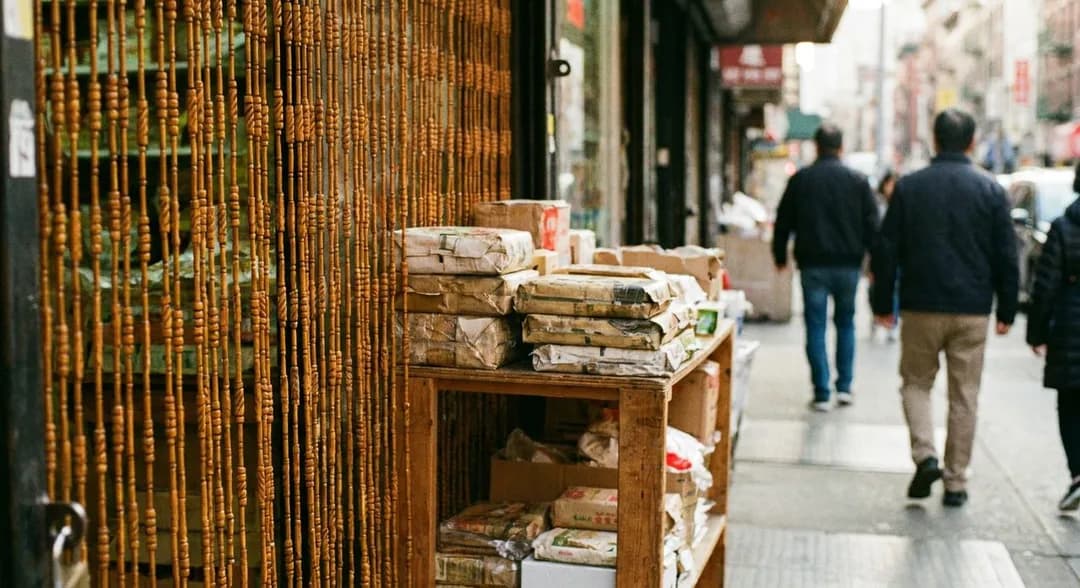
A shelf behind beaded curtains on Mott St; each stick is pressed and stamped in Anhui
You walk past the stationer on Mott Street three times before you notice the beaded curtain swaying in the back corner. Through the plastic strands, a narrow shelf holds what looks like black dominoes standing upright. They're ink sticks, each one hand-pressed in Anhui Province and stamped with characters you can't read but want to touch anyway. The shop smells like old paper and something mineral, almost like wet stone after rain.
The Curtain Marks the Real Inventory
The front room sells what you'd expect: brush pens, rice paper notebooks, those red envelopes everyone buys before Lunar New Year. But Mrs. Chen keeps the ink sticks behind the beaded curtain because they need consistent humidity. She installed a small humidifier back there in 2019 after a dry winter cracked six sticks in one week. The curtain isn't decorative—it's climate control. You'll find her restocking the shelf every Tuesday and Friday around 11 a.m., right after the UPS truck makes its Chinatown rounds. She unwraps each stick from its wax paper like she's handling something alive. The sticks come in three grades: student quality at eighteen dollars, artist grade at forty-five, and calligraphy master at ninety. The master grade uses pine soot that's been aged for three years before it's mixed with hide glue and pressed.
Grinding Takes Longer Than You Think
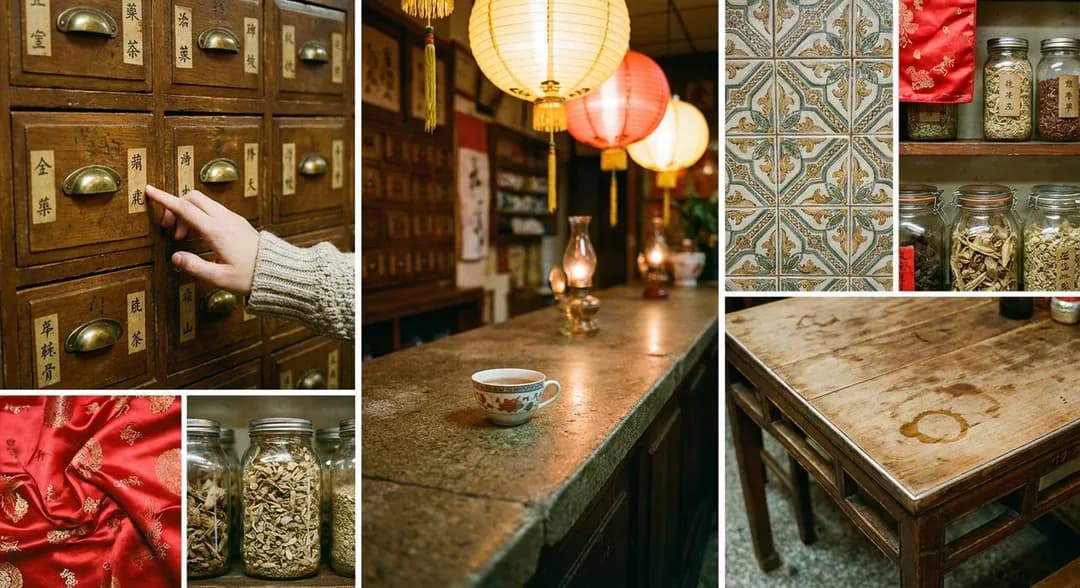
The stone grinding wells sit on a low table near the window, positioned to catch northern light. You add water—just a few drops—and start the circular motion. Your wrist will ache before the ink appears. This isn't like uncapping a pen. Ten minutes of grinding produces enough ink for maybe twenty characters, depending on how dark you want them. Mrs. Chen's daughter Amy (she handles the Instagram account on weekends) says most first-timers give up after three minutes. The trick is keeping the stick at a fifteen-degree angle and maintaining consistent pressure. You'll know you're doing it right when you hear a specific whisking sound, almost like brushing suede. The ink pools in the well's depression, black turning to blacker. On humid days, the grinding goes faster. On winter mornings when the heat hasn't kicked in yet, you'll be there for twenty minutes.
The Anhui Connection Runs Through One Village
Every stick in that back shelf comes from the same workshop in Jixi County. Mrs. Chen's cousin married into a family that's been making ink sticks since the Qing Dynasty—she'll show you photos on her phone if you ask about the red stamps on each stick. The workshop uses pine soot collected from a specific grove outside the village. They burn the wood in a controlled chamber, collect the soot on ceramic plates, then mix it with glue rendered from donkey hide. The pressing happens in wooden molds carved with different seal designs. Mrs. Chen orders twice a year, spring and fall, timing her shipments to avoid summer humidity and winter cold. She keeps a ledger behind the counter tracking which stamps sold out fastest. The plum blossom design always goes first.
What the Stamps Actually Say
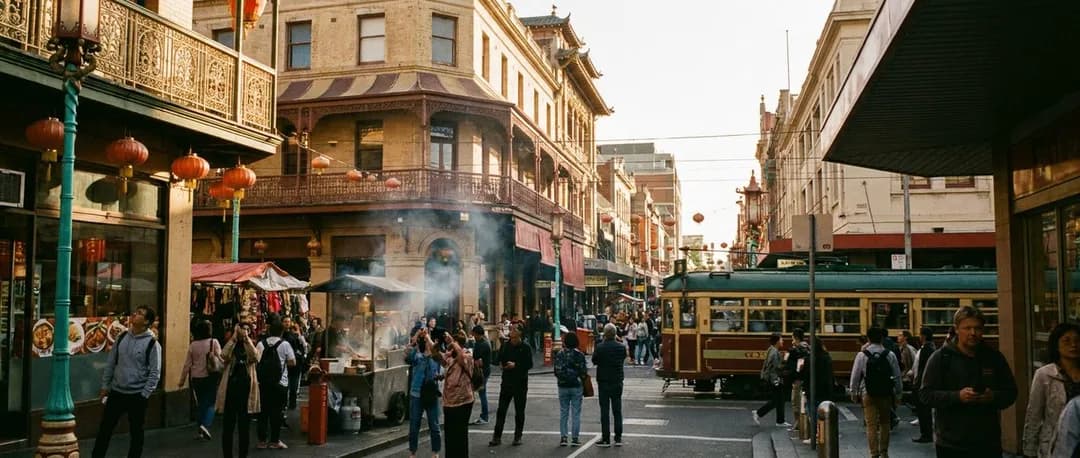
You can't read the characters but you want to know what they mean. The most common stamp translates to "ink fragrance" or "scholarly scent"—something that sounds better in Chinese. Another shows a mountain and the character for "cloud," referencing the mist that hangs over Anhui's Yellow Mountains. Mrs. Chen has one stick, kept in a locked drawer, stamped with a seal that belonged to a Qing Dynasty scholar. She won't sell it. The stamp shows a crane and two characters that mean "ten thousand autumns," a poetic way of saying "forever." She bought it at an estate sale in Flushing in 2003 for three hundred dollars. A collector offered her two thousand last year. The stick sits in acid-free tissue paper, wrapped in silk, inside a paulownia wood box. She takes it out once a month to check for cracks.
The Regulars Come Thursday Afternoons
There's a calligrapher named Mr. Wong who arrives every Thursday at 2:30 p.m., buys one artist-grade stick, and grinds ink at the window table for exactly forty minutes. He brings his own grinding stone—a family piece with a chip on one corner. Mrs. Chen saves him sticks with the bamboo stamp because that's the only design he'll use. A tattoo artist from the Lower East Side comes in monthly, buying student-grade sticks to practice characters she wants to ink on clients. She sits at the table grinding while sketching in a Moleskine, translating the fluid ink strokes into something that'll work under skin. An architect stops by irregularly, always buying three sticks at once. He uses the ink for presentation drawings, preferring the unpredictable way it pools and feathers on certain papers. These regulars never overlap. Mrs. Chen has noticed they've developed an unspoken schedule.
The Shop Almost Closed in 2020
When you ask how long she's been here, Mrs. Chen points to a framed photo near the register: the same storefront in 1987, her parents standing in the doorway. She took over in 2004. The pandemic nearly ended it. For eight months, the only customers were the Thursday regular and two others. She considered selling the ink stick inventory to a dealer in San Francisco. Then a TikTok video someone made (without asking) showed the beaded curtain and grinding process. It got 400,000 views. Now she gets tourists who've never held a brush pen, asking questions about soot and glue and Anhui Province. She's patient with them. The ink sticks still sell mostly to the same fifteen regulars, but the front-room inventory moves faster. She hired Amy part-time. The shop stays open.
Practical Notes
The stationer opens Tuesday through Saturday, 10 a.m. to 6 p.m., closed Sunday and Monday. It's on Mott Street between Bayard and Pell—look for the window display with the red paper lanterns. The beaded curtain is in the back left corner. Take the 6 train to Canal Street or the B/D to Grand Street. Ink sticks start at eighteen dollars. If you want to try grinding, ask Mrs. Chen—she keeps a demonstration stone and a student-grade stick for testing. The grinding table is first-come, first-served. Bring cash; she takes cards but prefers bills. The shop doesn't have a website. Amy posts on Instagram (@mottstreetpaper) sporadically, usually photos of new inventory or the view from the grinding table.
Tags: #TheOddEdit #ChinatownNYC #InkSticks #TraditionalCrafts #AnhuiProvince #CalligraphySupplies #HiddenNewYork #MottStreet #HandmadeInk #CulturalCrafts #NYCFinds #ArtisanGoods #StationeryLovers #LowerManhattan #ChinatownGems
Sources consulted: atlasobscura.com · timeout.com · nytimes.com
All trademarks are the property of their respective owners.
Ask Karpo for more information.
Keep reading
- Costume Rental Near Me in Williamsburg: Hit and Run Productions Archive
 Costume Rental Near Me in Flatiron: Abracadabra NYC Showroom Floor
 Costume Rental Near Me in NoHo: Albright Fashion Library Archive