Everybody who lives here ends up with a rotation of six restaurants, and the rotation is usually assembled by accident in the first year and then never revisited. It is not that the six are bad. It is that the neighbourhood has kept moving and your list has not, and the gap between the two is now large enough that some of the most interesting cooking within a fifteen minute walk of your apartment is happening at addresses you have walked past two hundred times. This is a piece about closing that gap on purpose, and about doing it without wasting a Friday night on a room that turns out to be a disappointment.
Deciding where to break the rotation is the hard part. Tell Karpo in iMessage what your usual six are and what you are in the mood for, and it will suggest the room you have been walking past.
Start With the Format, Not the Cuisine
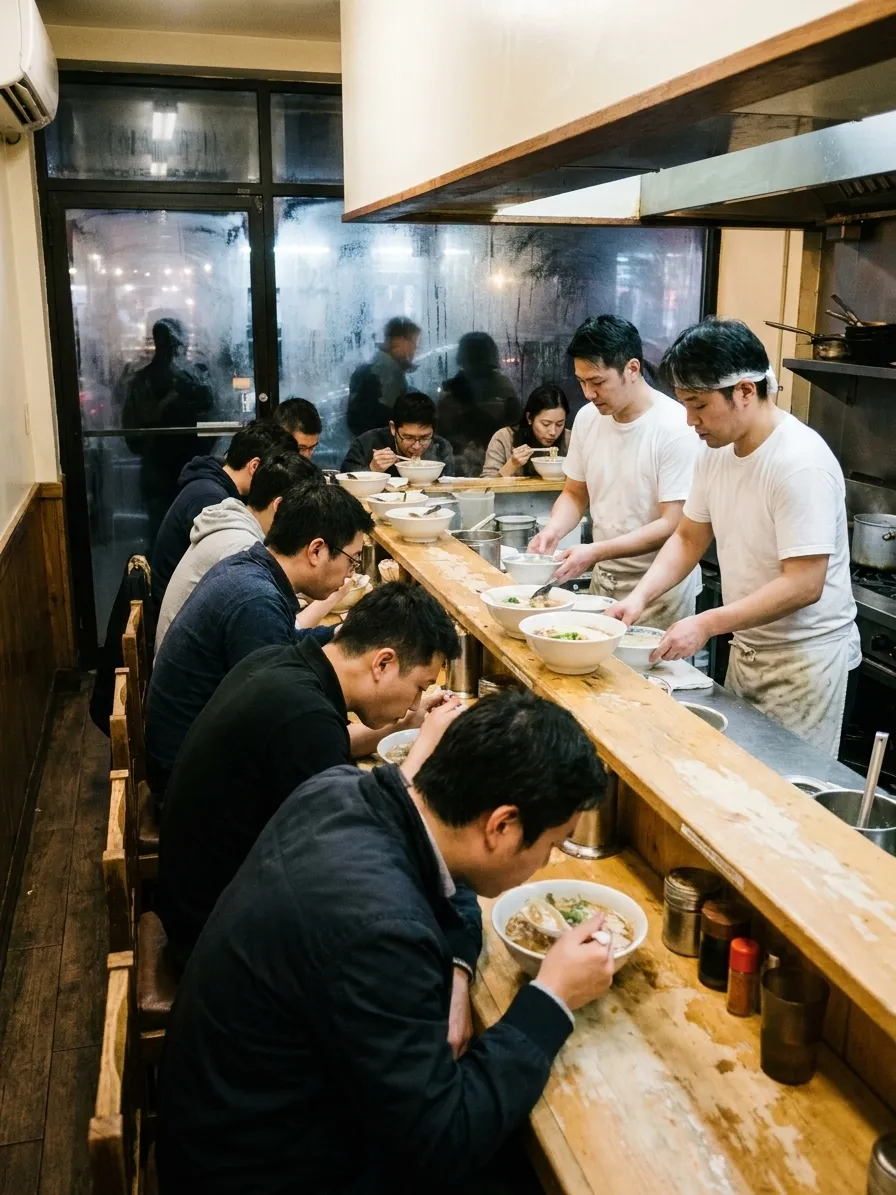
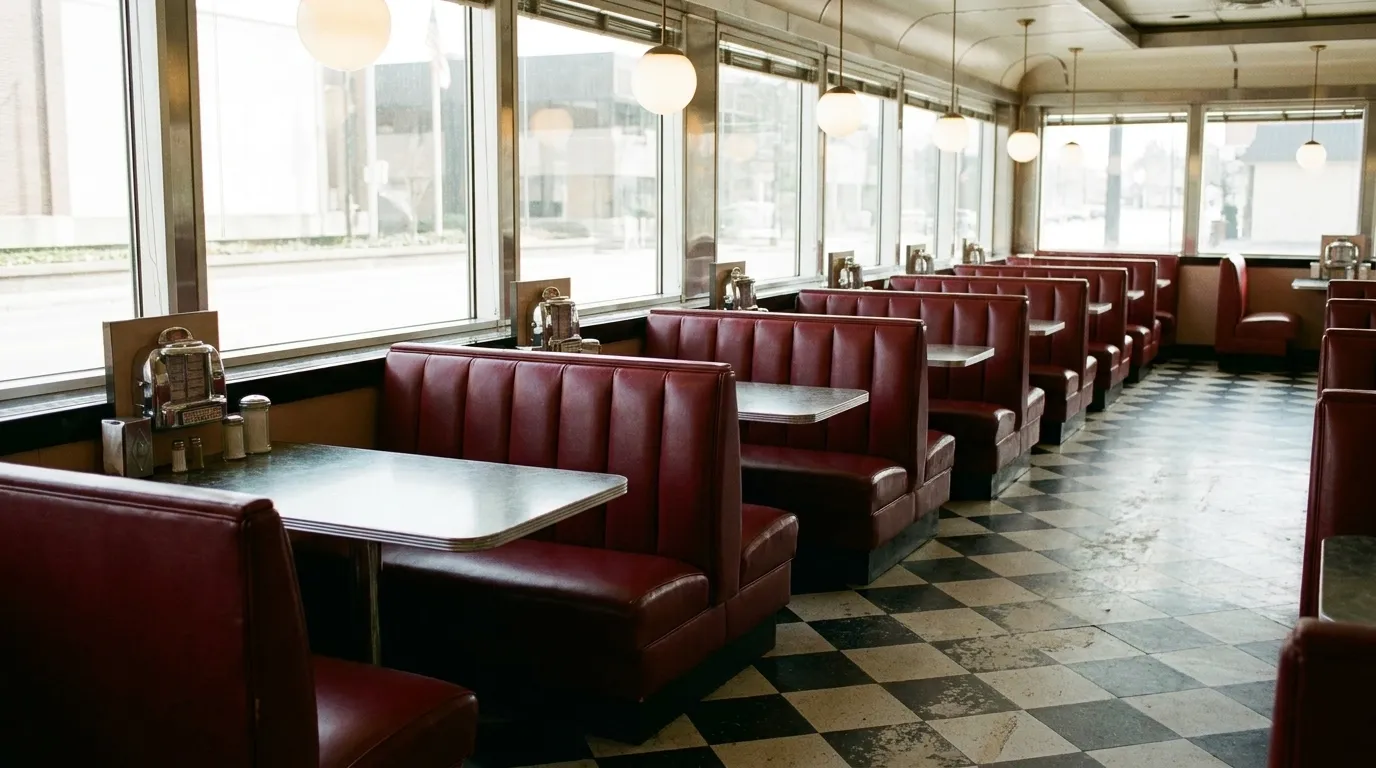
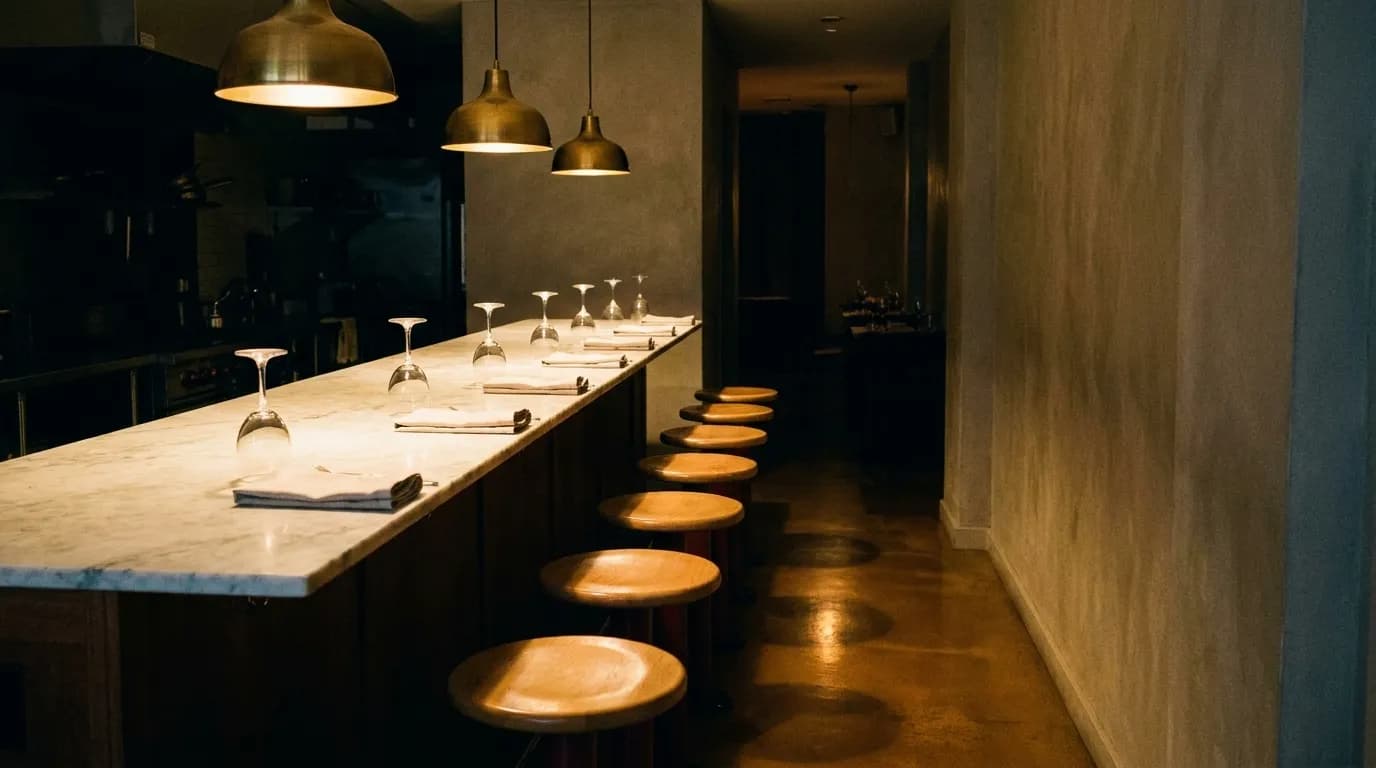
The most reliable way to find something genuinely new is to change the shape of the meal rather than the flag on the menu. If your rotation is all full-service dining rooms, the unfamiliar experiences nearby are the twelve-seat counters where one cook does everything in front of you, the wine-led rooms that serve four dishes properly instead of twenty adequately, and the restaurants attached to bakeries that turn into something else entirely after six. If your rotation is all counters and small plates, the thing you are missing is a proper sit-down room with a menu you order courses from. Williamsburg has an unusual density of both, and switching format changes the evening more than switching country of origin does.
The Rooms Hiding Behind a Different Function
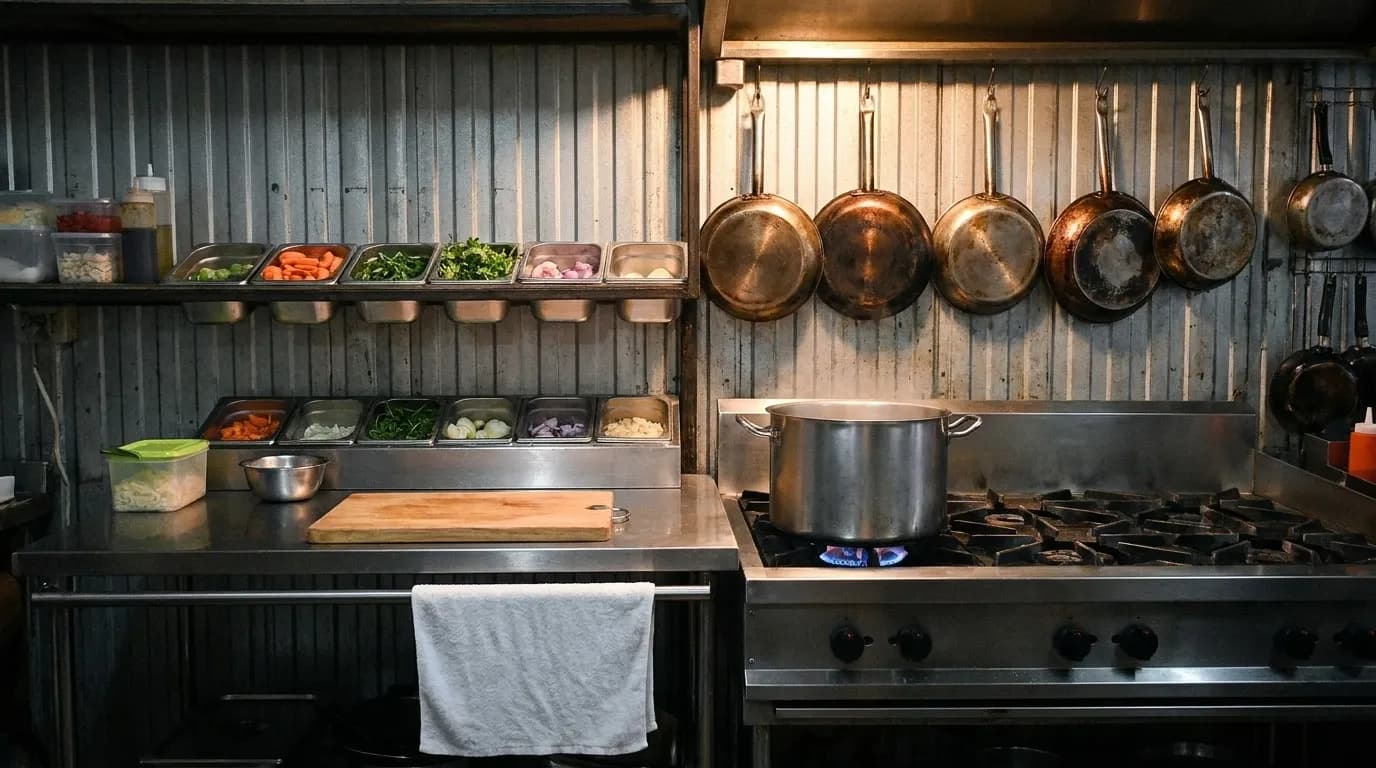
A specific local pattern is worth knowing: a number of the best kitchens here are attached to businesses that are nominally something else. A bakery that serves dinner three nights a week. A natural wine shop with a four-seat bar and one cook. A butcher with a small dining room at the back. A coffee roaster that hands the room over to a different chef in the evening. These places rarely appear in restaurant lists because the listing structures do not know where to file them, and they are frequently the best value in the neighbourhood because the rent is already justified by the daytime business. If you want a genuine discovery, walk your usual route again and look at what the daytime shops become at eight.
How to Take a Risk Cheaply
The reason people stop exploring is that a bad new restaurant costs a hundred dollars and an evening. The fix is to lower the stakes rather than raise your confidence. Go for a first visit early — six or six thirty on a weeknight — sit at the bar, order two things and a drink, and treat it as reconnaissance rather than dinner. You will spend thirty-five dollars, take forty minutes, and know exactly whether it is worth a full booking. If it is good, you have found something. If it is not, you have lost less than a cinema ticket and you can walk to your usual place afterwards. Doing this once a week for a month will rebuild your list entirely.
Reading the Signals That Actually Predict Quality
Some things forecast a good meal here reliably. A menu that changes weekly, and visibly — reprinted, not just amended — means someone is shopping rather than ordering. A short list of producers on the wine card rather than a long list of grape varieties means somebody chose them. Staff who can describe a dish without reciting it are a strong sign. Bread that arrives warm and is not an afterthought tells you the kitchen has standards it applies when nobody is watching. Conversely, a photographic menu, a sixty-item list in a small room, and a dining room whose music is louder than the conversation are all signals of a business optimising for something other than the food. None of these are rules, but together they are a better filter than a star average built from strangers with different priorities to yours.
The Blocks Your Rotation Probably Skips
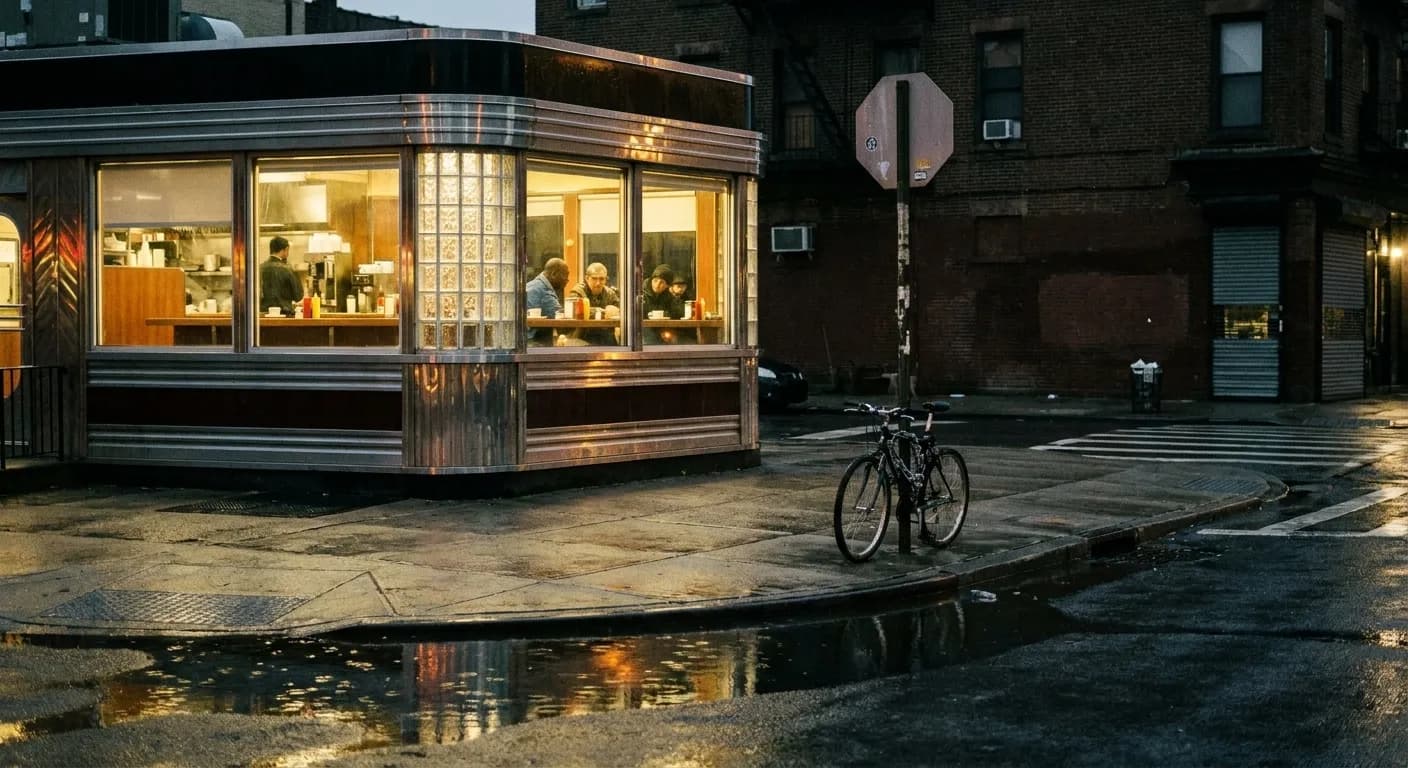
Most people's mental map of the neighbourhood is a corridor rather than an area. It runs from wherever they live to the subway and then along one commercial street, and everything two blocks either side of that corridor is functionally invisible. Three areas get skipped most often. The southern end below Broadway, where the older Latin American and Hasidic-owned businesses sit, has counters and bakeries that have outlasted every restaurant trend of the last twenty years. The blocks east of the expressway, towards Bushwick, hold the larger and more ambitious rooms that could not afford waterfront rent. And the northern edge sliding into Greenpoint keeps a Polish food culture that is cheaper and better than most of what replaced it further south. Pick one of the three, walk it for twenty minutes without a destination, and photograph any window that makes you slow down. That list is your next month of dinners, and none of it required a recommendation from anyone.
Getting In Without Planning Ahead
The good news for anyone breaking a rotation is that the rooms worth discovering are usually the ones you can get into. Restaurants at the peak of their attention are booked a month out; the ones two years past that peak, or two months before it, have space at seven on a Tuesday and are frequently cooking better. Learn the bar-seat policy of four or five places near you — most hold their counters for walk-ins — and you will almost never need a reservation in this neighbourhood again. The rotation that replaces your old one will be better precisely because you built it deliberately rather than inheriting it from whatever was convenient the month you moved in.
Tags: #Williamsburg #Brooklyn #BestRestaurantsNearMe #BrooklynDining #NYCFood #DinnerInBrooklyn #EastWilliamsburg #Greenpoint #ChefsCounter #TastingMenu #NeighborhoodDining #BedfordAve #NYCRestaurants
Sources consulted: nycgo.com · ny.eater.com · nyc.gov · brooklyneagle.com
Please drink responsibly. Must be of legal drinking age.
All trademarks are the property of their respective owners.
Ask Karpo first
Menus, counters and walk-in policies in Williamsburg shift constantly. Ask Karpo in iMessage what you already know and what you feel like tonight, and it will find you something new that is actually open.