Harlem has an unusual restaurant problem: it is famous enough that a handful of its dining rooms are known nationally, which means those rooms are frequently full of people who came uptown once. Meanwhile the neighbourhood is home to several hundred thousand people who eat out constantly and mostly do it somewhere else entirely. The gap between the two lists is wide, and closing it does not require insider access — just knowing what to look for and which streets to look on.
The regulars' list is not the famous list. Tell Karpo in iMessage which part of Harlem you are in and what you want, and it will point you somewhere people go weekly.
Read the Room at Seven on a Tuesday
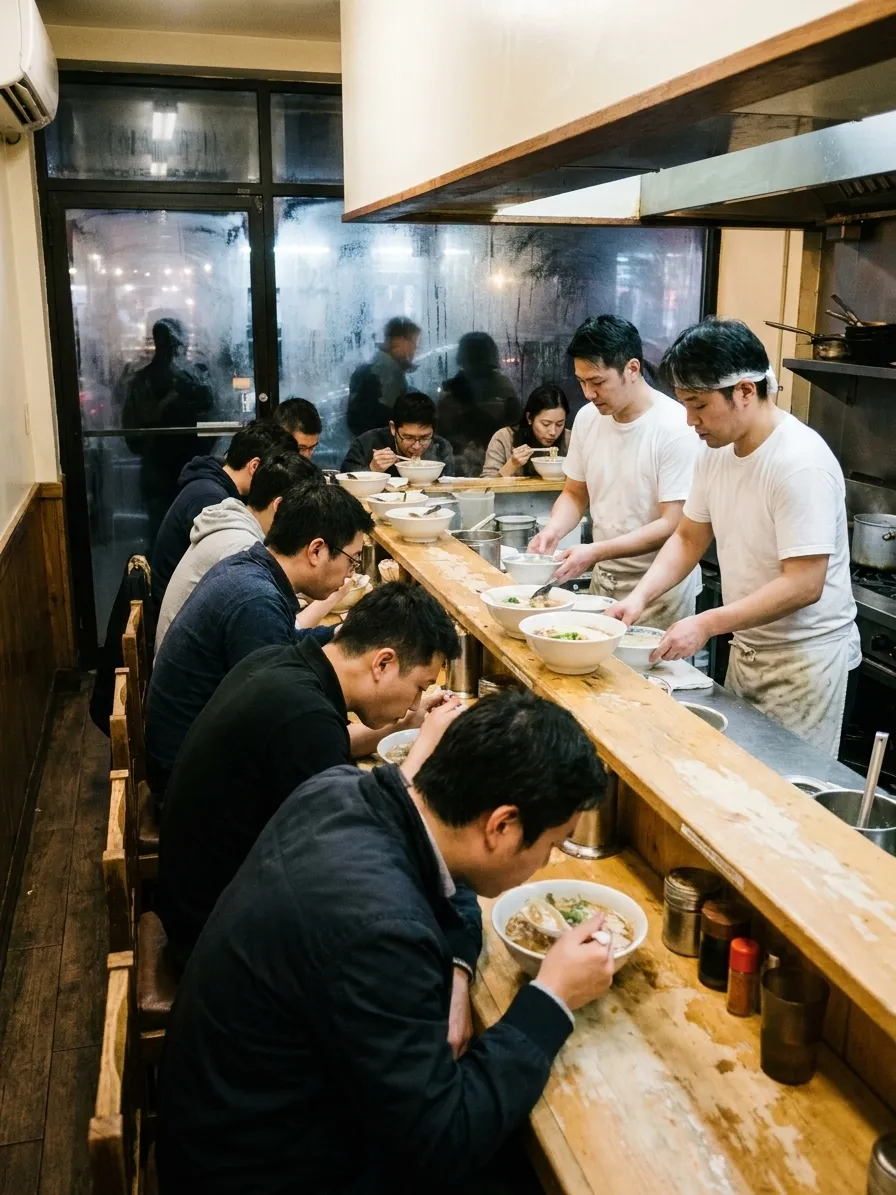
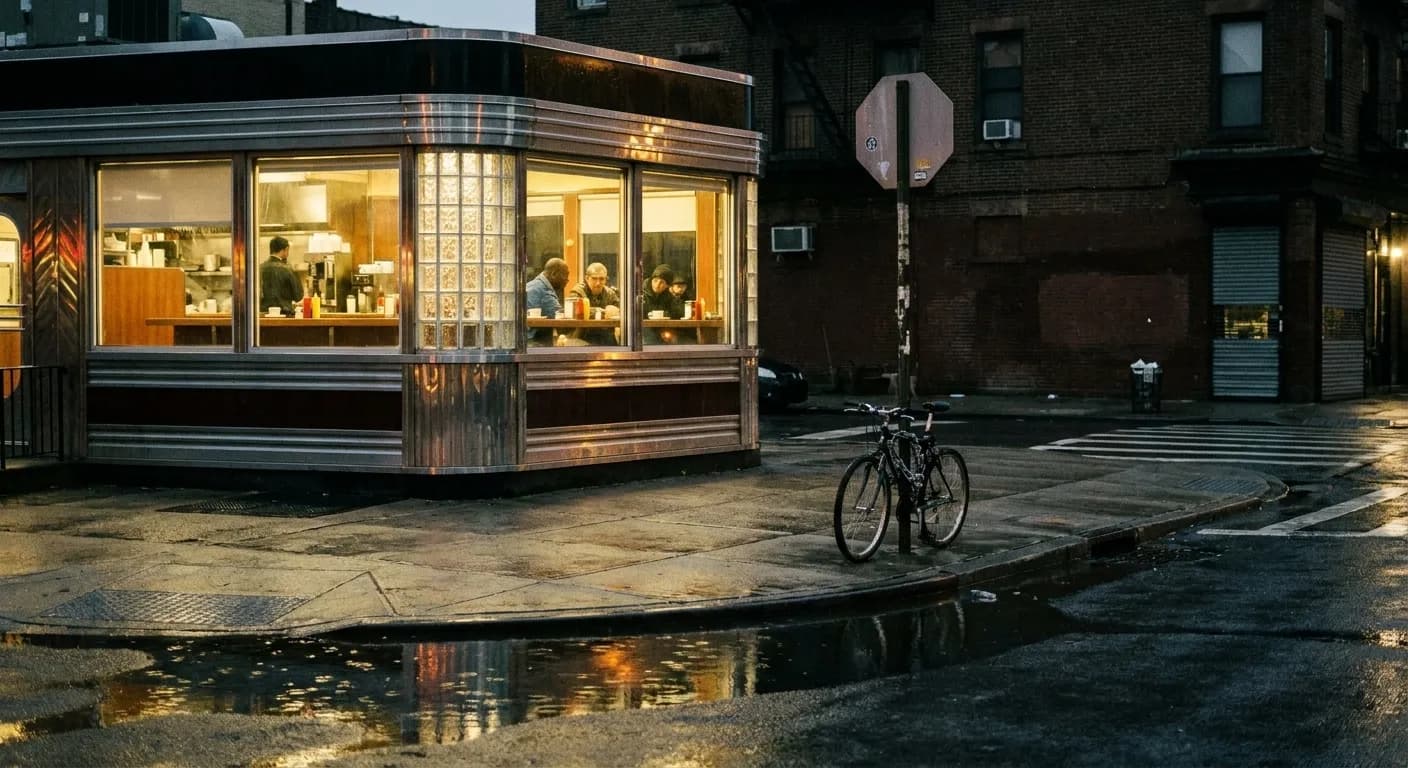
The most reliable test costs nothing. Walk past a restaurant at around seven on a weeknight and look at who is inside. A room where most tables hold two or three people who are not photographing anything, where at least one person is greeting the staff by name, and where nobody is consulting a map on their phone, is a neighbourhood restaurant. A room that is empty on Tuesday and has a queue on Saturday is a destination restaurant, and its Saturday performance tells you very little about what the kitchen can do. Both can be good. But only one of them will still be good the fourth time you go, and only one of them will have a table when you want it.
The Institutions and What They Are Actually For
Harlem's long-running dining rooms deserve better than either uncritical reverence or dismissal as tourist stops. Several of them have been feeding this neighbourhood for half a century or more, and they are institutions in the real sense — the place a family goes after church, where a birthday happens, where the same order has been made for thirty years. The honest guidance is about timing rather than quality. Go on a weekday at lunch or on a Sunday afternoon and you are eating alongside the neighbourhood. Go on a Saturday evening in high season and you are queuing behind a coach party. The food is the same; the experience is entirely different, and the second version is what generates the disappointed reviews.
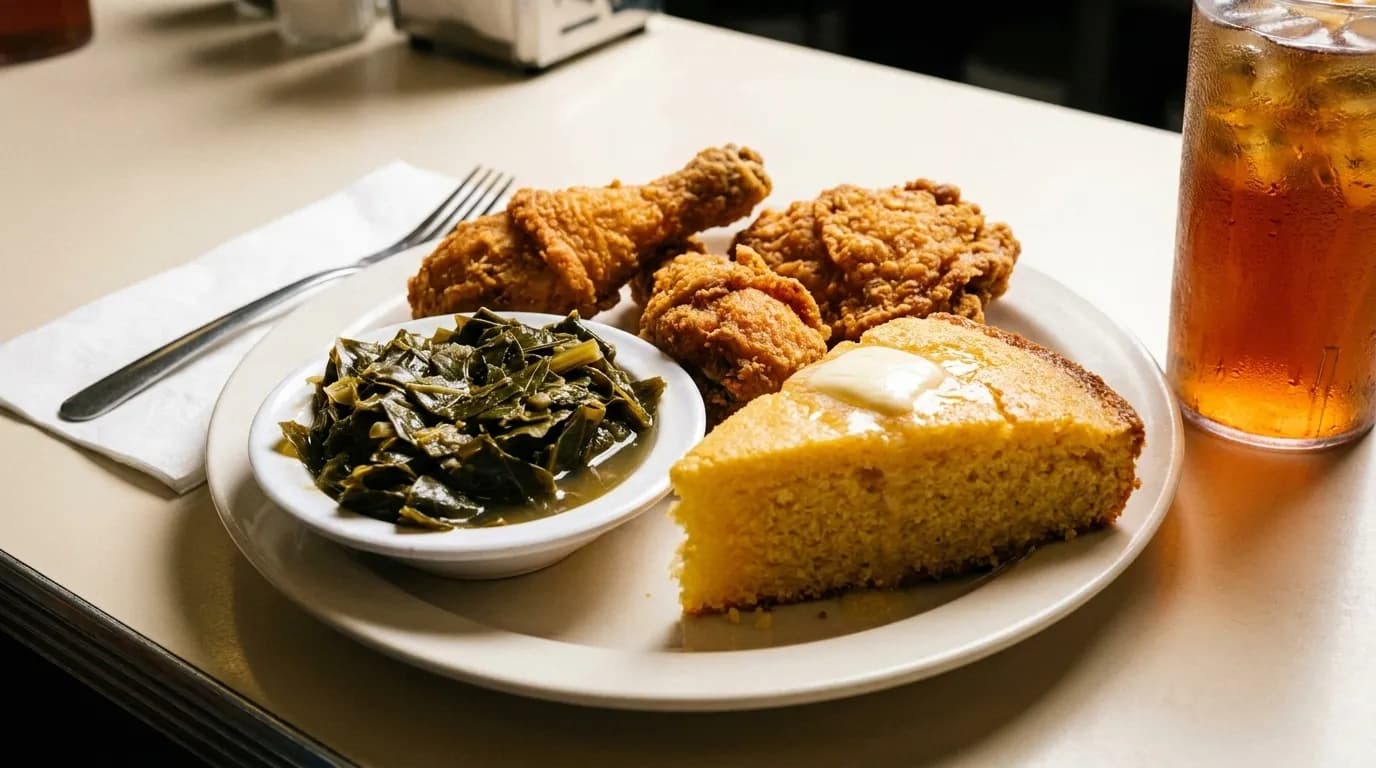
The Categories Locals Actually Use Weekly
Day-to-day eating uptown is not happening at the famous addresses. It is happening at the West African kitchens along 116th, where a plate feeds you for the day at a price nothing downtown can match. At Caribbean takeaway counters doing oxtail, curry goat and patties across the northern and eastern blocks. At the Mexican and Puerto Rican counters east of Fifth. At the Chinese and Dominican takeaways that anchor almost every corner. And at a handful of unglamorous dining rooms serving Southern food to a regular clientele without any national profile at all. If you want the list of restaurants people here use, it is mostly composed of places with laminated menus and a takeaway counter at the front.
How to Find Them Without Knowing Anyone
A few search habits work better than reading round-ups. Sort by review count rather than rating and look at the places with a few hundred reviews rather than a few thousand — that band is almost always neighbourhood restaurants. Read the recent reviews rather than the top ones; regulars write short, specific reviews about consistency, visitors write long ones about atmosphere. Check the health inspection grade, which is posted publicly and in the window. Look at whether the restaurant does a lunch trade, since a place busy at noon on a Wednesday is serving people who work nearby. And walk the side streets, because the avenues carry the rent that pushes small operators one block off them.
The Practical Details
Most of these places do not take reservations and do not need them; walking in at six thirty or after eight works nearly everywhere. Cash is still useful at the smaller counters and a few remain cash-only. Portions at the Southern and Caribbean kitchens are large enough that ordering one fewer side than you planned is usually right. Sunday afternoon is the busiest window in the neighbourhood by a considerable margin, driven by church rather than brunch, and several of the best rooms are at their fullest and their best then — go, but go early. And take the local trains: the express lines skip most of the neighbourhood, which is a large part of why so many people's mental map of Harlem consists of two stops.
The Geography Inside the Neighbourhood
Harlem is large enough that where you are within it changes the answer completely, and people who say the neighbourhood is expensive or cheap are usually describing one corridor. Frederick Douglass Boulevard in the low 120s and below carries the newer, pricier restaurant row and is where most recent coverage points. Lenox Avenue holds a mixture, with several of the long-established rooms and a steady run of neighbourhood places between them. Everything above 135th thins out and gets cheaper. East of Fifth the whole culinary vocabulary changes to Puerto Rican and Mexican. And the far western edge towards Broadway and the river picks up Dominican influence spilling down from Washington Heights. Deciding which of those five you want before you set out will do more for your evening than any list of restaurant names, because a fifteen-minute walk in the wrong direction here takes you out of the food you were looking for entirely.
Becoming a Regular Somewhere
The last piece is less about finding and more about returning. Neighbourhood restaurants reward frequency in ways that are not available to anyone visiting once: you get told what is good tonight rather than what is on the menu, you get the table you like, and you eventually get food that was not offered to you the first time. That relationship takes about four visits to establish and it is the actual answer to the question this article started with. The restaurants locals eat at are locals' restaurants because people went back, not because anybody was let in on a secret.
Tags: #Harlem #NYC #RestaurantsNearMe #UptownEats #SoulFood #EastHarlem #Manhattan #NeighborhoodRestaurant #125thStreet #WestAfricanFood #CaribbeanFood #NYCDining #LocalEats
Sources consulted: nycgo.com · nyc.gov · ny.eater.com · nypl.org
All trademarks are the property of their respective owners.
Ask Karpo first
Hours, closures and Sunday waits uptown change week to week. Ask Karpo in iMessage where you are and what you feel like, and it will find somewhere with a table.