There was a period when a bowl of ramen was the default cheap dinner in New York, and it is over. A standard bowl in this city now runs roughly sixteen to twenty-eight dollars, and a Manhattan tonkotsu averages around twenty-two fifty before you add an egg. The sub-sixteen bowl still exists, but it has retreated into a specific kind of room, and finding it is now a matter of recognising the format rather than reading the reviews.
Ramen pricing in this city has drifted so far that the same bowl can cost eleven dollars at a counter and twenty-six at a table nine blocks away, and no listing tells you which one you are about to walk into. Text Karpo where you are and what you want to spend, and get the bowls near you that actually land under your number, with the shops that stay cheap at lunch and the ones that do not.
The rule: counters are cheap, tables are not
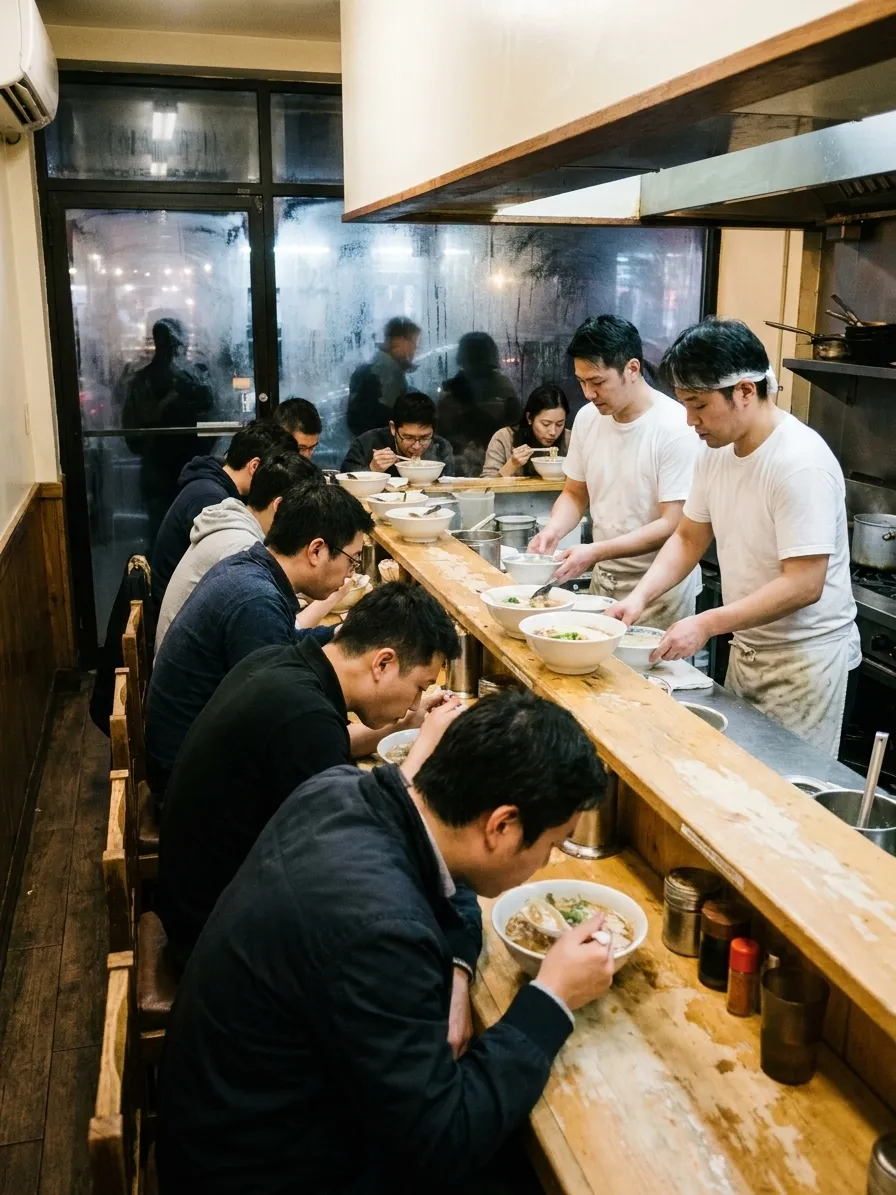
The single most reliable predictor of price in New York ramen is whether you are sitting at a counter or a table. Counter shops generally run bowls in the thirteen to sixteen dollar range; sit-down restaurants with table service run sixteen to twenty-two, and the higher-profile rooms go further. The broth is not necessarily better in the expensive room. What you are paying for is floor space, service and the ability to sit for ninety minutes.
Which means the practical strategy for eating ramen cheaply here is not to find bargains but to choose format deliberately. If you want a fast, hot, twelve-minute dinner, sit at a counter and stay under budget. If you want a table and a conversation, accept that you are buying a twenty-dollar bowl and stop hunting for a cheaper version of the same experience.
Where the low end actually is
At the bottom of the market, the classic bowl at Hide-Chan has been listed around ten dollars, which is the kind of number that sounds like a misprint in current-day Manhattan. In Brooklyn, Ramen Danbo sits in the sixteen to twenty-two band, so its base bowls are borderline rather than comfortably under — the borough discount is real but smaller than people assume.
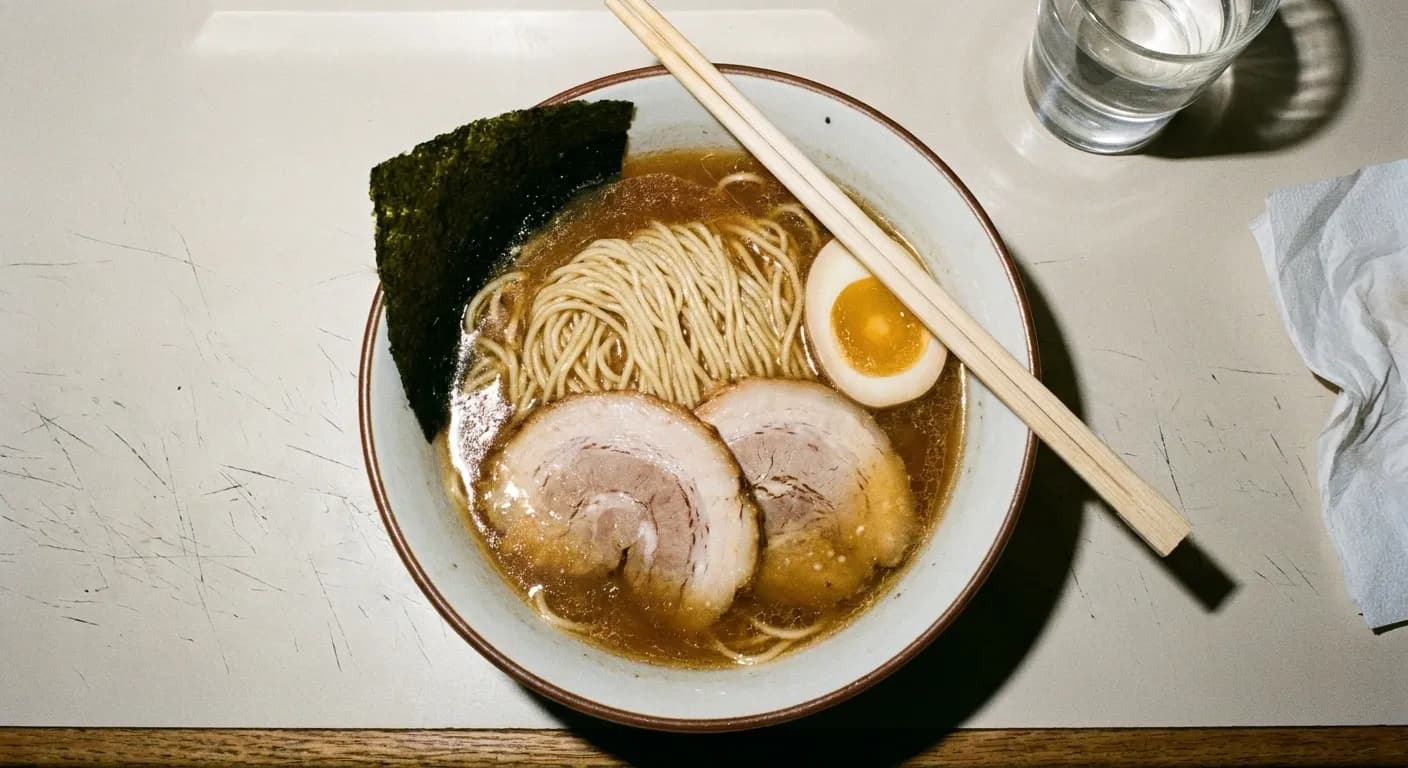
At the top of the market the numbers are unambiguous: Tonchin runs roughly twenty to twenty-eight a bowl and Mr. Taka starts around eighteen fifty. Both are good; neither belongs in this article. The useful thing to know is the gap — the same city, the same dish, a nearly threefold spread, and almost none of it visible from the outside of the building.
The toppings problem
The most common way a fifteen dollar bowl becomes a twenty-three dollar dinner is the add-on column. A marinated egg, extra chashu, corn, an extra portion of noodles and a soft drink will each look like a small decision and together will exceed the price of the bowl. Menus are designed this way deliberately, with a low headline number and a long list of two- and four-dollar additions underneath it.
If you are eating to a budget, decide before you sit down: one topping maximum, water rather than a drink. If you want the loaded bowl, order the shop's own deluxe version instead of building it yourself — bundled versions are almost always cheaper than the sum of the individual additions, for the same reason airlines sell packages.
Lunch is a different menu
Many shops that are unaffordable at eight in the evening run lunch sets that land under the same sixteen dollar line, usually with a smaller bowl and a side. This is the single best-value move available in Manhattan ramen, and it is under-used because people think of ramen as dinner. A lunch set at a good midtown shop costs less than a mediocre bowl in the East Village at nine at night.
Check the hours the set runs rather than assuming — most cut off between two and three in the afternoon, and some do not run at weekends. If you work anywhere near a good shop, this is the version of the meal to build a habit around.
How to judge a cheap bowl
Price and quality separate more than people expect at this end of the market, so use two signals rather than the menu. First, does the shop make its own noodles or state where they come from — the shops that do tend to advertise it, and it is a better predictor of a good bowl than the broth description. Second, look at the counter turnover at peak hours: a cheap ramen shop that is full at 7:30pm on a Wednesday is cheap because it is efficient, not because it is cutting corners. The empty one with the same price is cheap for the other reason.
Tags: #bestrameninnyc #ramennyc #cheaprameNYC #ramenunder16 #eastvillage #midtown #brooklynramen #counterramen #nycfood #cheapeatsnyc #tonkotsu #noodles #nycrestaurants #budgeteats
All trademarks are the property of their respective owners.
Ask Karpo first
The price of a bowl in New York now depends more on the format of the room than on the quality of the broth — counters are cheap, tables are not, and the difference is often the same kitchen. Ask Karpo which ramen near you is genuinely under your budget right now, whether the shop is counter or table service, and how long the wait is at the hour you would go.