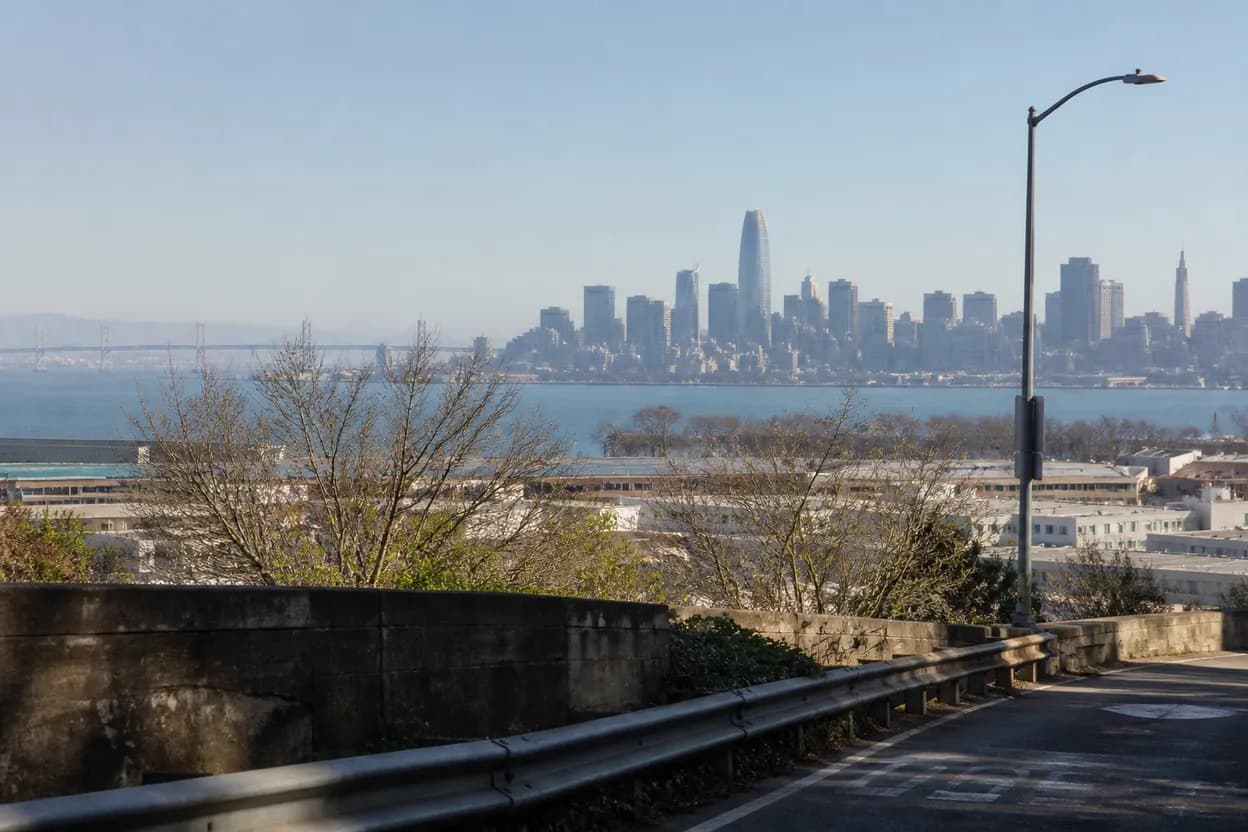
San Francisco rewards visitors who plan by blocks, transit exits, and current conditions rather than by whatever phrase is moving fastest online. If super troopers 3 brought you here, treat it as a timely search hook, not as proof that a cast, screening, pop-up, street closure, or private event is happening in the city. As of Friday, August 7, 2026, the useful public facts are more practical: SFMTA is posting alerts and travel updates, Outside Lands is listed for Aug. 7-9, Hayes Valley Shared Spaces is listed for Fridays and Saturdays in August 2026, Chinatown construction is listed for July 30-Aug. 9, and Muni service changes start Aug. 29. Build your neighborhood plan around what can be checked before you move.
Want a quick read on whether your San Francisco plan is still sensible before you leave? Text Karpo with your starting point, target neighborhood, time window, and backup preference.

Translate the headline into a neighborhood question
The first move is to convert a noisy entertainment search into a local planning question: “Which San Francisco neighborhood can I visit with the least uncertainty today?” That keeps the phrase super troopers 3 in its proper place. It may explain why people are searching, but it does not establish any local appearance, affiliation, endorsement, private access, guaranteed event, or special access point in San Francisco.
For a citywide plan, use the public agencies that actually control the moving pieces. SFMTA’s site is the official place to start for Muni routes and stops, visitor transportation options, neighborhood service information, trip planning, travel maps, accessibility, and travel updates. If a tourism page or park page is slow, blocked by security verification, or not loading for you, do not fill the gap with social posts. Mark that detail as unverified and keep the plan flexible.
Choose the area by the actual task
Do not choose a neighborhood because it sounds cinematic. Choose it by task. If your goal is a casual city walk with nearby transit choices, start with the SFMTA neighborhood and route tools rather than a rumor map. If your goal is to avoid disruption, check whether the area appears in current SFMTA travel updates. On the current official extract, Hayes Valley Shared Spaces is listed for Fridays and Saturdays in August 2026, while Chinatown construction is listed for July 30-Aug. 9.
That does not mean “avoid” or “go” automatically. It means each area needs a different operating plan. Hayes Valley may require checking how Shared Spaces affects movement on the day you go. Chinatown requires a construction check before you assume a direct walking or driving path. West Portal appears in SFMTA news about station-area changes, so it is another place where official transportation context matters more than a generic itinerary.
A practical citywide approach is to pick one primary neighborhood, one transit anchor, and one nearby fallback before leaving. Do not stack three distant districts into a single afternoon unless SFMTA’s Trip Planner makes the connections look reasonable for your timing and mobility needs.
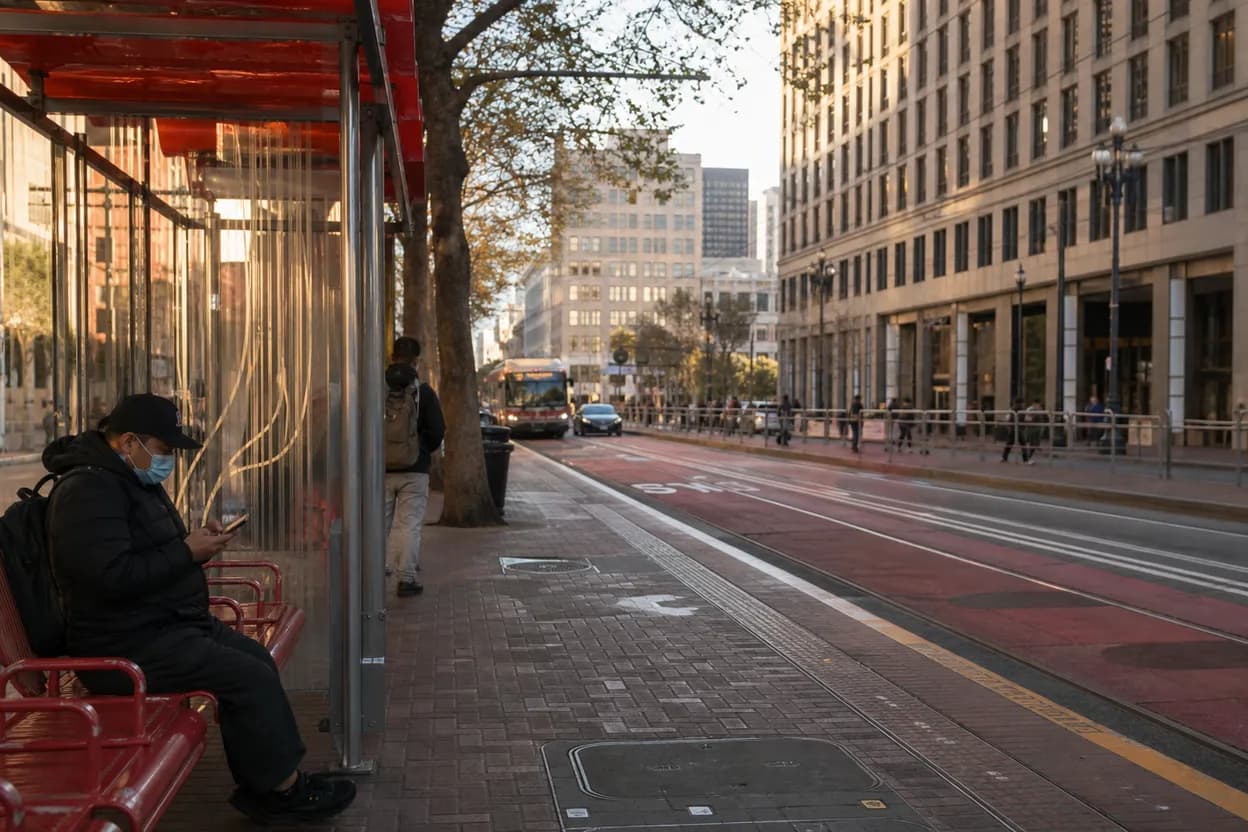
Use transit exits as planning anchors
In San Francisco, the destination is not just the neighborhood name; it is the stop, route, walking segment, and exit you can actually use. SFMTA’s homepage points users to a Trip Planner with options for Muni, bike, walk, drive, and parking-related travel. Use that tool before you leave, then check again if you are crossing town during a busy period or after an alert appears.
Plan from the end backward. Decide where you will exit transit, how far you are willing to walk, and what you will do if the first route becomes slow. SFMTA’s official pages also separate Muni routes and stops, travel maps and guides, accessibility, taxi information, and visitor transportation. That structure is useful: it lets you test more than one way to reach the same neighborhood without assuming that one route will behave perfectly all day.
Today deserves extra caution because SFMTA is carrying multiple active citywide planning signals, including Outside Lands Aug. 7-9 and recent alerts on its homepage. Large events can change how a route feels even if your destination is elsewhere. The right question is not “Is the city open?” but “Does my specific path still make sense now?”
Add one indoor and one outdoor backup
A neighborhood guide is only useful if it survives weather, crowding, fatigue, and transit changes. Before you leave, choose one indoor backup and one outdoor backup within the same general part of the city. The indoor backup should be a public-facing place whose official page you can verify for current access. The outdoor backup should be checked against the relevant official source before you count on it.
For outdoor space, use San Francisco Recreation and Park’s official site for changing details rather than relying on old blog posts or map pins. The supplied official-source extract does not provide current park hours, amenity availability, closures, or event status, so those details should be verified directly before you cross the city. The backup is not a promise; it is an option you have already screened.
Keep the backup close enough that it does not become a second trip. If your primary plan is Hayes Valley, do not make the backup a far-off destination without checking the route. If your primary plan is Chinatown, account for the listed construction period and verify access before assuming a smooth detour.
Avoid treating online attention as a local promise
The phrase super troopers 3 may be the reason readers are searching, but it should not be treated as local evidence. A city guide should never imply that a film title, actor, studio, brand, or event is connected to San Francisco unless an official source says so. No official extract provided here establishes a San Francisco appearance, screening, activation, endorsement, or private-access opportunity tied to that phrase.
This matters because San Francisco neighborhoods can become crowded for reasons that have nothing to do with the thing you searched. SFMTA’s official material already shows active city movement issues: event-period planning, travel updates, alerts, construction, and upcoming service changes. Those are the variables that can affect your day. Online attention can create curiosity; official transit and access checks decide whether the trip is worth making.
Be especially skeptical of posts that combine a trending title with vague local wording such as “seen in SF,” “secret stop,” “tonight only,” or “nearby.” Unless the claim links to an official venue, agency, organizer, or ticketing page that you can inspect, do not build your route around it.
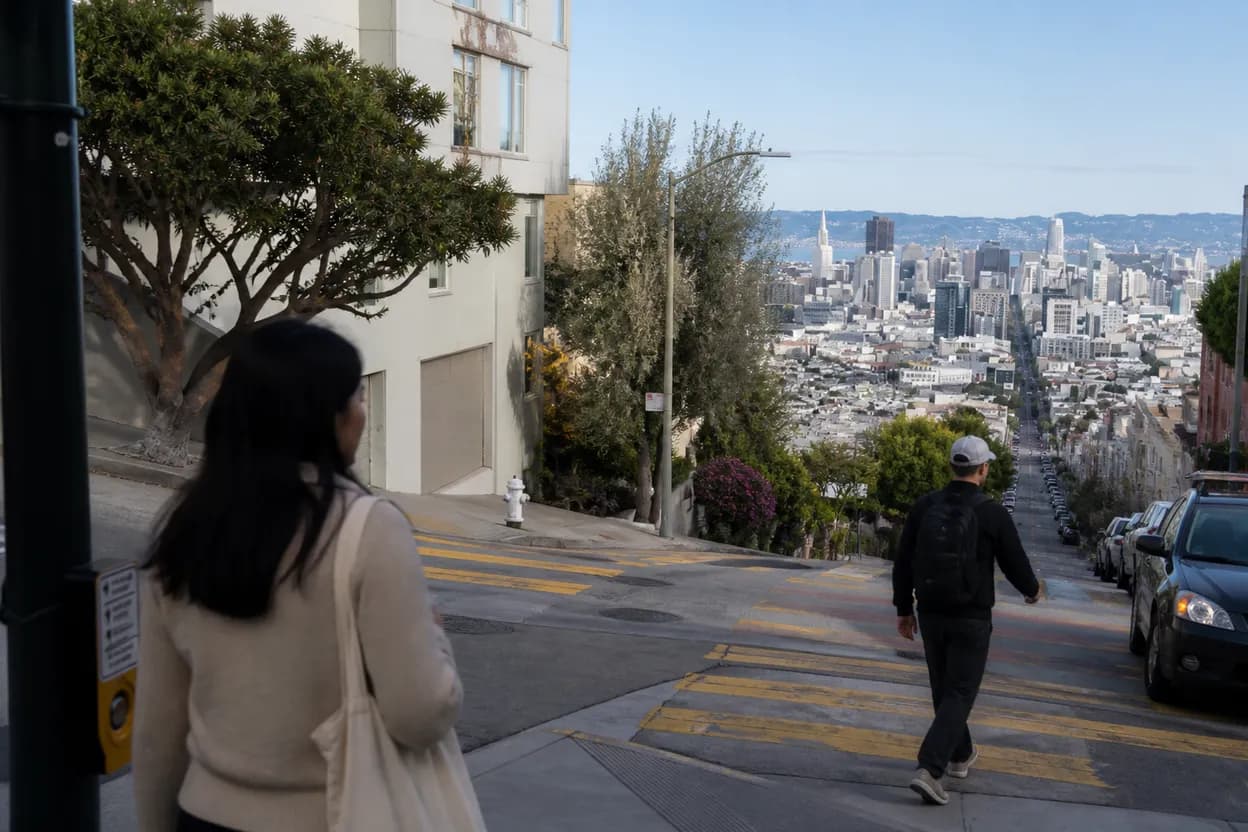
Verify conditions before crossing the city
Run a final five-minute check before leaving. Open SFMTA for current alerts, use the Trip Planner for your exact starting point and destination, review Muni routes and stops, and look for any travel update affecting your target area. If you are driving, do not assume parking will be easy; SFMTA separates drive-and-park planning from transit, walking, biking, and taxi information for a reason.
Also check the timing of citywide items that can change crowd risk. The official SFMTA extract lists Outside Lands for Aug. 7-9, Hayes Valley Shared Spaces on Fridays and Saturdays in August 2026, Chinatown construction from July 30-Aug. 9, and Muni service changes starting Aug. 29. Each is a reason to verify, not a reason to panic.
The cleanest San Francisco plan is simple: one neighborhood, one route, one access check, one indoor backup, one outdoor backup, and a clear point where you decide to switch. If any official page fails to load or only shows security verification, treat that topic as unresolved. In this city, the best local move is often not knowing more; it is refusing to pretend.
Tags: #SanFrancisco #NeighborhoodGuides #AskKarpo #BeforeYouGo #SFMTA #Muni #SFTransit #HayesValley #ChinatownSF #WestPortal #SFTravel #CityPlanning #TransitTips #PublicAccess
Sources consulted: sftravel.com · sfmta.com · sfrecpark.org
All trademarks are the property of their respective owners.
Ask Karpo first
Ask Karpo first if your plan depends on a rumor, a tight transfer, or a neighborhood you do not know well. Send the time, starting point, destination, and what you would accept as a backup. The answer should help you decide whether to go, reroute, or wait.


