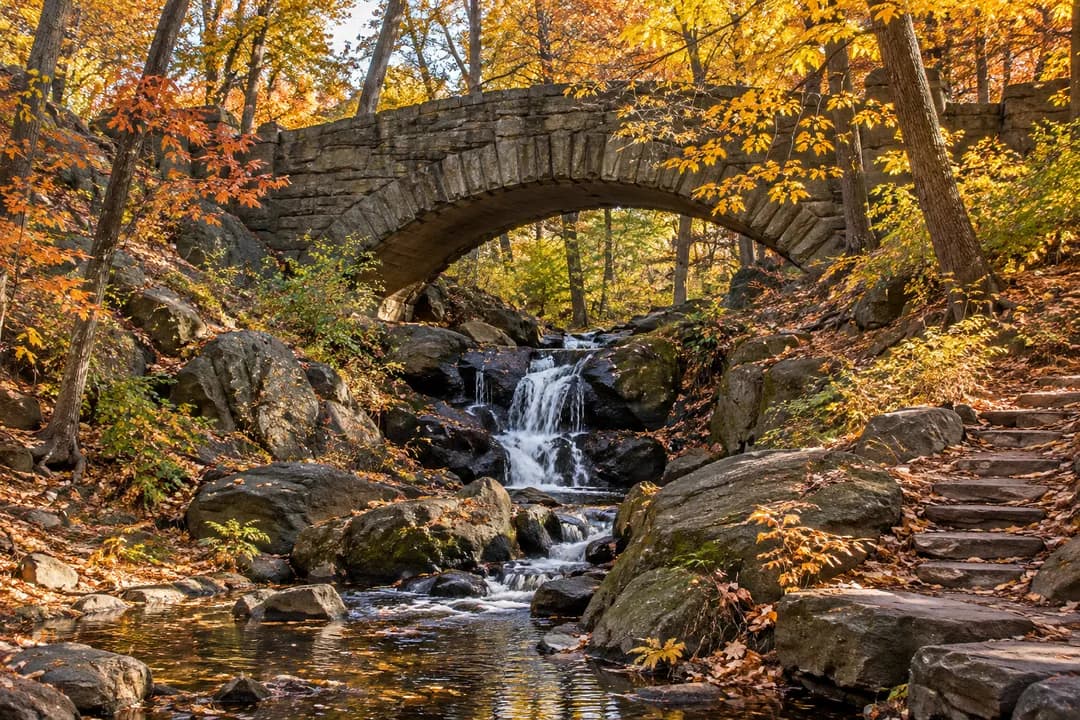
 Scenic Walking Trail Near Me: Central Park North Woods Ravine and Loch Walk
Free Things to Do
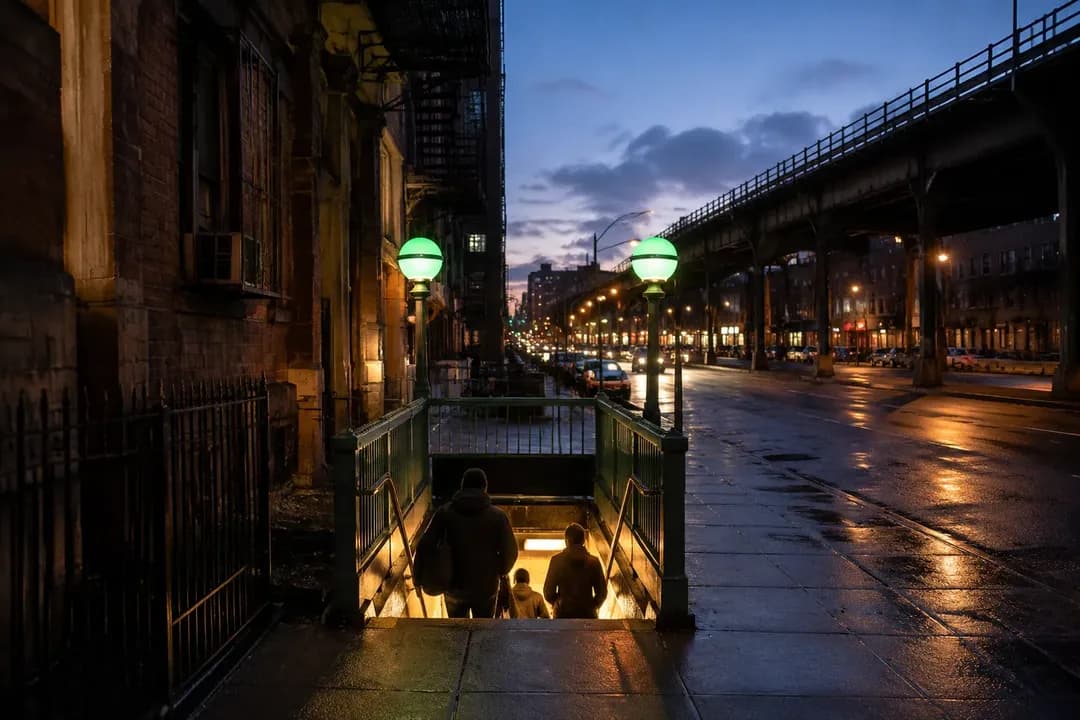
Summer Live Music in NYC: Tickets, Lineups and Best Seats
Free outdoor stages run May through September, but knowing which subway gets you home after an encore matters more than the opener.
New York City runs more than a dozen free outdoor live music series between Memorial Day and Labor Day, most of them operated by the Parks Department or Business Improvement Districts. SummerStage in Central Park, Celebrate Brooklyn in Prospect Park, and the River to River Festival in Lower Manhattan anchor the calendar, with smaller neighborhood series filling weeknight slots in McCarren Park, Fort Greene Park, and the South Street Seaport. The programming skews toward established touring acts and local bands with enough pull to draw a few hundred people on short notice, and because the shows cost nothing to attend, the friction shifts from ticket price to logistics: when gates open, how early the lawn fills, and whether the G train is running express or local when the headliner wraps.
Text Karpo before you head out and it'll confirm tonight's set times, check if the lawn is still open, and route you to a transfer that actually runs after eleven.
Why the free outdoor season changes the calculus
The appeal is straightforward. You skip the service fees, the will-call line, and the beer minimum that indoor venues lean on to cover rent. But you also give up assigned seating, climate control, and any guarantee that the sound mix will reach the back of the crowd. Most outdoor stages in city parks operate under curfew—usually ten or ten-thirty on weeknights, eleven on weekends—so encores are short and openers start promptly. If you arrive twenty minutes after doors, you're standing behind a few hundred people who got there at six to claim the front half of the lawn.
Greenpoint sits fifteen minutes from McCarren Park on foot, and the park's bandshell hosts live music every Thursday evening in July and August. The L train drops you at Bedford Avenue, one stop west, and the walk up Nassau Avenue cuts through quieter blocks if you want to avoid the Bedford bar crawl. McCarren's lawn slopes gently toward the stage, so sightlines hold even from the back, but the sound thins out past the fifth row of blankets. If you want to hear the vocals clearly, plan to arrive by six-thirty for a seven-thirty set time.
How to pick a show that matches your tolerance for crowds
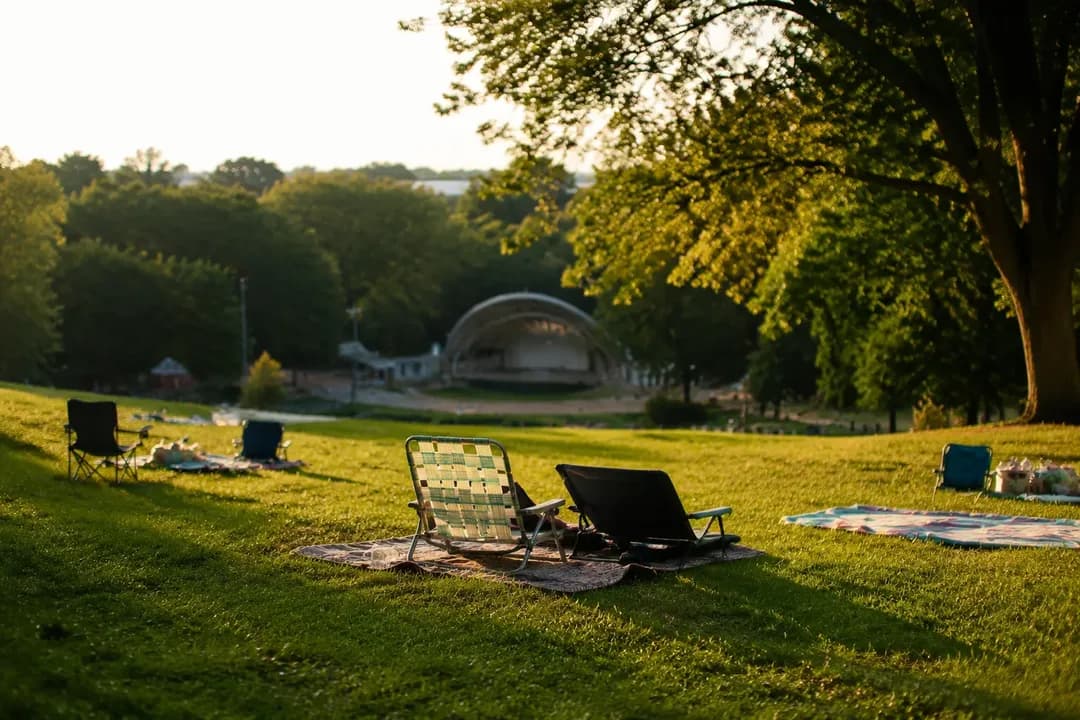
SummerStage books the highest-profile acts and draws the densest crowds. The Rumsey Playfield stage sits on the east side of Central Park near Fifth Avenue and 72nd Street, accessible from the 6 train at 68th Street or the Q at 72nd. Gates open two hours before showtime, and by the time the opener walks on, the seated area in front of the stage is full. The standing lawn behind it absorbs overflow, but once you're past the soundboard, you're listening more than watching. If the headliner is a name you'd pay to see indoors, expect a dense crowd and arrive early enough to claim a spot near the stage.
Celebrate Brooklyn operates on a similar scale in Prospect Park's bandshell, near the Ninth Street entrance off Prospect Park West. The F and G trains stop at Seventh Avenue, a ten-minute walk south. The bandshell's bowl shape funnels sound better than Central Park's open field, and the lawn is smaller, so even the back row picks up most of the mix. Weeknight shows here start at seven-thirty, weekend shows at eight, and the park closes at one a.m., which gives the schedule more breathing room than McCarren's strict curfew. If you're coming from Greenpoint, the G to Seventh Avenue is direct, but service after ten can stretch to fifteen-minute gaps, so check the MTA's planned work before you commit to a late set.
Smaller series like River to River and the Seaport stages book emerging acts and local bands, and the crowds stay under five hundred unless someone viral is on the bill. These shows reward spontaneity—you can decide at six whether to go and still get a decent spot—but the trade-off is less reliable sound equipment and shorter sets. The Seaport's outdoor plaza at Fulton and Water Streets catches wind off the East River, which helps in August but makes vocals hard to hear if the monitors aren't loud enough. The 2, 3, A, and C trains all stop within two blocks, so getting there is easy; getting home after ten-thirty requires checking whether your line is running local or if you need to transfer at Fulton Street.
What to bring and what the venue actually provides
Most outdoor live music venues in New York City allow blankets, low-back chairs, and sealed water bottles. SummerStage and Celebrate Brooklyn both permit small coolers with non-alcoholic drinks and snacks, though glass containers are banned and bags get checked at the gate. McCarren Park's rules are looser—no formal bag check, no prohibited items list beyond the citywide park rules—but the bandshell area is small enough that park enforcement will ask you to move if you block a sightline with a tall chair. Bathrooms are port-a-potties stationed near the entrance, and lines grow long between the opener and the headliner, so plan accordingly.
Seating is first-come, unassigned. If you want to sit close to the stage, spread your blanket early and leave someone with it while others grab food. If you're okay standing in the back, you can show up at set time and still hear the full show. The lawn at Rumsey Playfield gets crowded enough that latecomers end up on the paved walkway behind the lawn, where the sound is thinner but the view is unobstructed if you're tall. At Celebrate Brooklyn, the back slope of the lawn offers the best compromise: you're far from the stage but elevated enough to see over the crowd, and the bowl's acoustics carry the bass clearly.
Food and drink options depend on the venue. SummerStage and Celebrate Brooklyn both have concessionaire trucks selling tacos, pizza, and beer, with lines that peak right before the headliner. McCarren Park has no on-site vendors, so if you want dinner, stop at one of the takeout spots on Bedford Avenue before you walk over. The Seaport has sit-down restaurants within a block, but they close their outdoor seating during live music events to keep noise complaints down, so plan to eat before seven if you're coming from work. Beer sales at park shows end at ten, regardless of whether the music is still going, which is earlier than most people expect.
When the schedule shifts or the weather turns
Rain cancellations get posted two to four hours before showtime, sometimes less if the forecast is uncertain. SummerStage and Celebrate Brooklyn both maintain websites with current status updates, but they don't always push alerts to social media, so if the afternoon looks gray, check the official page rather than assuming the show is on. Most series do not reschedule rained-out performances; they just move to the next date on the calendar. If you've planned your evening around a specific act and the skies open at six, your backup options are limited unless you're willing to pivot to an indoor venue that happens to have live music that night.
Outdoor shows also get delayed for technical reasons—late load-in, permitting issues, or a previous event running long. The Parks Department shares Rumsey Playfield with other SummerStage programming, so if a daytime festival overruns, the evening concert pushes back. Delays of twenty to thirty minutes are common enough that you should not plan a tight connection afterward. If you need to catch a train to JFK or meet someone across town at ten, an outdoor show is a risky anchor for your schedule.
If the show you want is sold out—some SummerStage and Celebrate Brooklyn dates require free tickets claimed online in advance—you can sometimes get in by arriving late and walking past the check-in table once the lawn is full and staff stops scanning. This works better on weeknights than weekends, and it only works if you're okay standing in the back. The rule is not official, and enforcement varies by event, so it's not a plan you can rely on, but it's a known workaround among people who go to these shows regularly.
What to confirm the afternoon of the show
Set times often shift. If the venue's website says gates open at six-thirty and music starts at seven-thirty, call that a guideline rather than a contract. Openers sometimes drop off the bill, headliners sometimes go on fifteen minutes early to beat the curfew, and if the sound check runs long, everything slides. The most reliable confirmation comes from the venue's social media account the day of the show, posted sometime between three and five p.m. If you don't see an update by five, assume the printed schedule is still accurate, but build in a fifteen-minute buffer.
Subway service changes are the other variable. Weekend work on the L, G, and F trains affects access to McCarren, Prospect Park, and parts of Central Park, and the MTA posts planned outages only five days in advance. If you're coming from Greenpoint on a Saturday night and the G is running local or skipping stops, your twenty-minute trip becomes forty minutes, and you miss the opener. Check the service status page the morning of the show and again an hour before you leave. If your primary line is down, plan a route through Manhattan or consider a rideshare for the last mile.
Weather is the final check. Even if the forecast shows no rain, summer storms in New York City can roll in fast between six and eight p.m., and outdoor venues do not have covered seating. If the radar shows a line of storms moving east across New Jersey in the late afternoon, the show will either start late or cancel. A few venues—Celebrate Brooklyn and the Seaport—have covered areas near the stage, but those fill quickly when the first drops hit, and you won't get under the canopy if you're starting from the lawn. If you're risk-averse and the forecast is uncertain, plan a backup indoor venue with live music that night and decide at six whether to pivot.
Practical notes
- Most outdoor shows start between 7:00 and 8:00 p.m.; gates open 90 minutes to 2 hours early for lawn seating.
- Bring a blanket or low-back chair, sealed water, and snacks; many venues allow small coolers but no glass.
- Bathrooms are port-a-potties with long lines; plan for a wait between the opener and headliner.
- Check venue websites by 5:00 p.m. day-of for rain cancellations and set-time changes.
- Confirm your subway line is running normal service; weekend work affects the L, G, and F trains frequently.
- If the forecast shows storms after 6:00 p.m., have a backup indoor venue in mind before you leave.
Tags: #karpo #nycmusic #livemusicnyc #summerstage #celebratebrooklyn #mccarrenpark #freenyc #nycparks #greenpoint #brooklynmusic #nycevents #concertsnyc #thingstodonyc #outdoorconcerts #nycnights
Sources consulted: SummerStage · Celebrate Brooklyn · NYC Parks Events · MTA Service Status
All trademarks are the property of their respective owners.
Ask Karpo first
Text Karpo the afternoon of the show and ask which outdoor stage is confirmed for tonight, what time the headliner actually goes on, and whether your subway line is running local or skipping stops. It'll also give you a live route home that accounts for late-night service changes and transfer wait times.
Ask Karpo for more information.
Keep reading
- Scenic Walking Trail Near Me: Central Park North Woods Ravine and Loch Walk
 Scenic Viewpoint Near Me: Brooklyn Heights Promenade at Sunset
 Scenic Viewpoint Near Me: Riverside Park Hudson River Walk