The brunch rush empties out around two on Saturdays, leaving the South End's brick sidewalks to the gallery-goers and the people who know the neighbourhood moves differently once the mimosa crowds disperse. Between Tremont and Washington, the brownstone blocks settle into something quieter—art spaces prop their doors open, the light slants low through iron railings, and the rhythm shifts from clinking silverware to footsteps echoing off nineteenth-century facades.
The Hour When Sidewalk Tables Go Empty
The restaurants that packed bodies shoulder-to-shoulder through late morning sit half-full by mid-afternoon, their outdoor seating abandoned except for a few lingering tables nursing cold brew. The servers lean against brick walls, scrolling phones, waiting for the dinner prep to begin. This is the South End's in-between hour, when the neighbourhood belongs to whoever's willing to walk it without a reservation or a plan. The cobblestones on Union Park Street catch the afternoon sun at an angle that turns the whole block amber. Dog walkers pause at the wrought-iron fences. Someone's playing piano through an open second-floor window, scales running up and down while traffic hums a block away on Columbus Avenue.
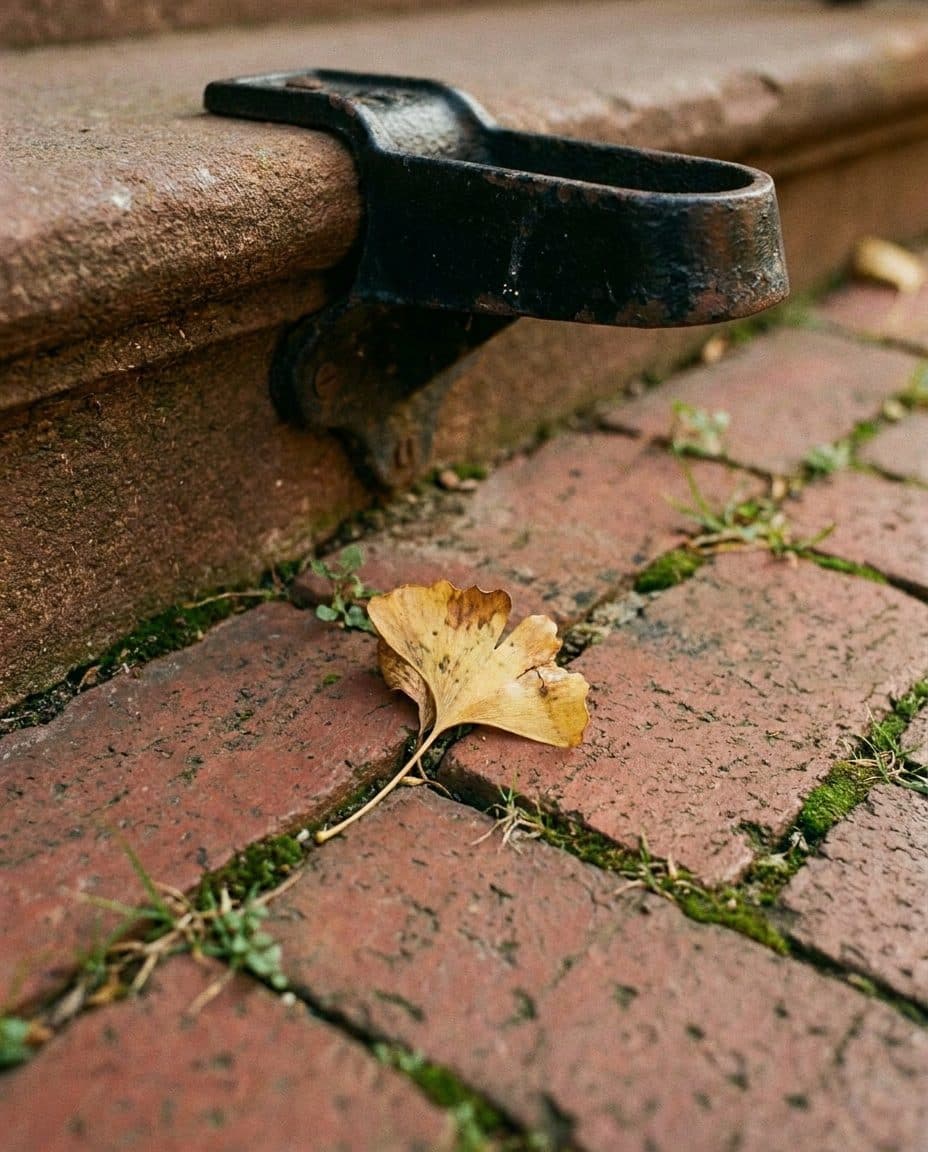
The air smells different once the kitchen exhaust fans slow down—less bacon grease, more October leaves and old brick dust. The neighbourhood's bones show through when it's not performing for the weekend crowds.
Gallery Doors That Open Onto Stoops
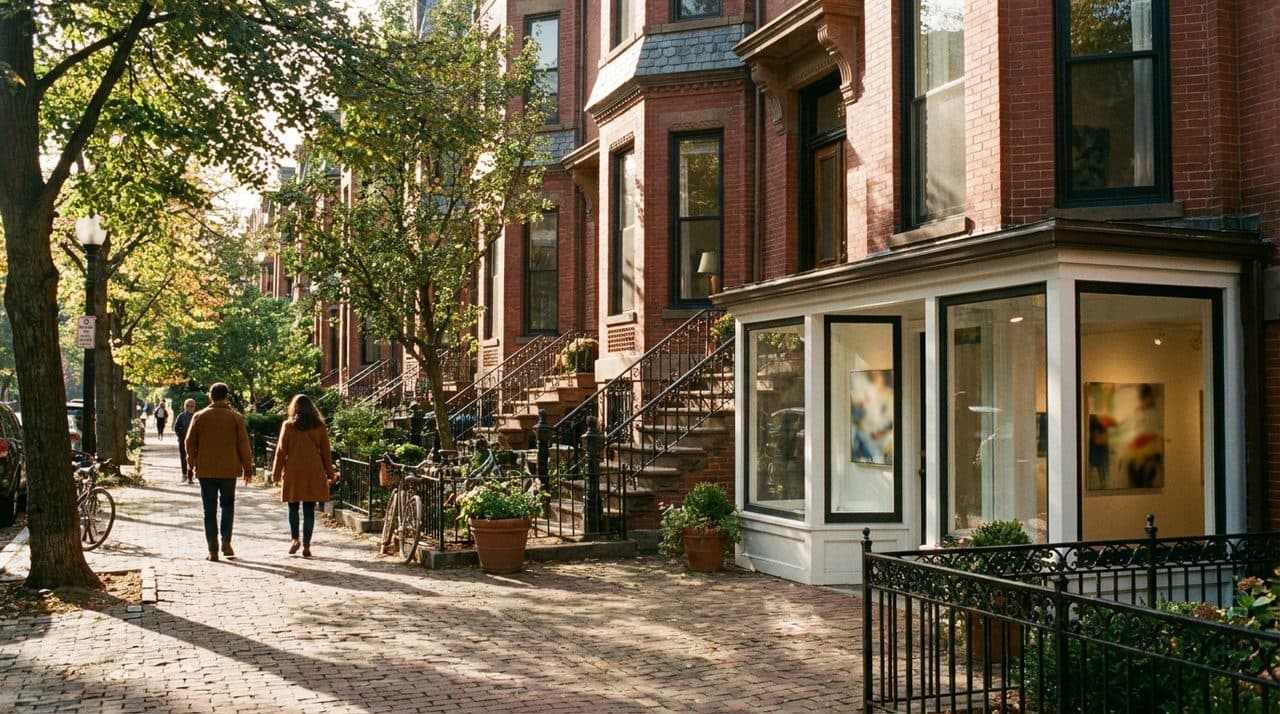
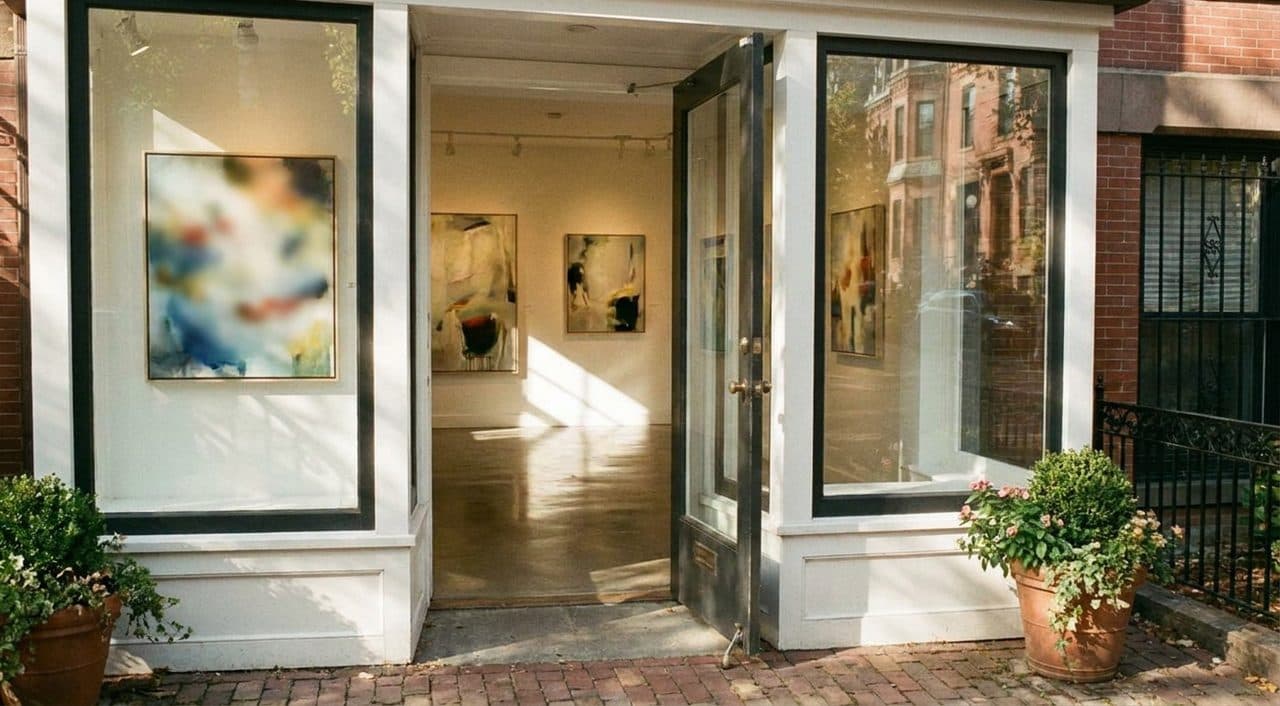
The art spaces here don't announce themselves with neon or sandwich boards. They're tucked into ground-floor brownstones, their entrances identical to the residential units above except for a small placard and the fact that the door stands open on Saturday afternoons. Inside, white walls glow under track lighting, and the floors creak the same way they did when these buildings were single-family homes a century back. The galleries run small—two rooms, maybe three—and the staff sits at a desk near the window, looking up when someone enters but not rushing over.
The work on the walls skews toward emerging artists, local names, pieces priced for collectors who live in walking distance. A regular crowd moves between these spaces, the same faces appearing at openings, nodding to each other across rooms. They're not tourists. They're people who've lived in the neighbourhood long enough to know which galleries show photography, which lean toward abstract painting, which host the occasional performance piece that spills out onto the sidewalk. On quieter Saturdays, visitors can spend twenty minutes alone with the art, footsteps the only sound, before someone else wanders in from the street.
The Stretch Where Brick Turns Residential
Past the commercial blocks, the South End folds into pure brownstone rows—no storefronts, no restaurant awnings, just residential facades climbing four stories with bay windows and flower boxes. The streets narrow. Trees arch overhead, their branches nearly touching across the pavement. This is where the neighbourhood's reputation for preservation makes sense. Every building looks maintained, every stoop swept, every iron railing painted the same few shades of black or deep green.
The quiet here feels deliberate, almost staged, until a door opens and someone exits with grocery bags or a stroller, reminding anyone walking past that people actually live in these postcard blocks. The South End's residential stretches can feel like a film set on Saturday afternoons, all that carefully preserved architecture sitting still in golden-hour light. But the details give it away—the recycling bins, the bikes chained to railings, the basement windows where someone's doing laundry while watching a game on a small TV.
Where the Light Hits Different Before Four
The South End's orientation to the sun makes late afternoon the best time to see it. The streets run at angles that catch light sideways, throwing long shadows across the brick and turning the whole neighbourhood into a study in contrast. Photographers know this. They show up with cameras, framing shots of fire escapes against brownstone, of the way tree shadows pattern the sidewalk, of reflections in bay windows that show the block across the street upside down.
The parks—Union, Rutland, Worcester—glow at this hour. The small squares fill with locals sitting on benches, reading, talking, letting dogs off-leash in the fenced runs. These aren't destination parks. They're neighbourhood living rooms, places where the same people appear weekend after weekend, their routines as fixed as the iron fences surrounding the green spaces. The South End's park system is one of those things that only makes sense to people who live here—tiny squares every few blocks, each one named, each one maintained by residents who treat them like shared backyards.
The Corner Shops That Survive Between Trends
A handful of businesses operate in the South End without chasing whatever's trendy in Boston dining or retail. They're the flower shop that's been on the same corner for decades, the frame shop where the owner knows regulars by name, the wine store with the dusty bottles in the window and the serious selection in back. These places stay open on Saturday afternoons while newer spots cycle through ownership and concepts.
The patrons who walk into these shops aren't browsing. They're picking up the weekly order, the custom frame job that's been ready for a week, the specific bottle they called ahead about. The transactions are quick, familiar, accompanied by small talk about the weather or the neighbourhood's latest construction project. This is the South End's economic undercurrent—the steady businesses that serve locals, not the brunch crowds or the tourists who wander over from Back Bay.
The Walk That Loops Back Toward Tremont
The South End rewards walking without a destination. The grid isn't quite regular—streets curve, dead-end, reconnect at unexpected angles. A loop that starts near the galleries can wind through residential blocks, cut through a park, emerge onto a different commercial stretch, and circle back without retracing steps. The neighbourhood's small enough to cross in fifteen minutes but layered enough that the same walk reveals different details depending on the hour and the light.
By the time the sun drops low enough to disappear behind the buildings, the South End's preparing for its next act. Restaurants start filling again. The galleries close their doors. The Saturday afternoon crowd—the gallery-goers, the wanderers, the locals running errands—fades back into buildings, replaced by the dinner reservations and the evening energy. The neighbourhood shifts again, the way it does every few hours, cycling through its various versions of itself.
Practical Notes
Most galleries in the South End keep Saturday hours from late morning through early evening, though it's worth checking ahead for specific spaces. The neighbourhood sits accessible via the Orange Line, with multiple stops along the western edge. Street parking exists but fills quickly on weekends. The blocks between Tremont and Washington hold the densest concentration of galleries and shops, while the residential streets extend in all directions from there. Walking is the point here—the South End reveals itself slowly, over multiple passes, not in a single destination visit. Early autumn offers the best light and temperature for wandering without a coat. Most galleries are free to enter, though some host ticketed events or openings.
Tags: #SouthEndBoston #BostonNeighborhoods #TheLongWayHome #GalleryDistrict #BostonArt #SaturdayAfternoon #BrownstoneBoston #BostonWalking #QuietBoston #LocalBoston #NewEnglandAutumn #BostonCulture #HiddenBoston #NeighborhoodRhythm #BostonWeekend
Sources consulted: timeout.com · atlasobscura.com · nycgo.com
All trademarks are the property of their respective owners.
Ask Karpo first
Want to know which South End galleries are worth visiting on a Saturday afternoon?
Ask Karpo for the quieter blocks and art spaces between the brunch spots before you head out.