There is an inverse relationship in this neighbourhood between how easy an event is to find and how good it is. The things that appear in every listing round-up — the warehouse parties, the ticketed festivals, the pop-ups with a queue — are fine and are not what anybody who lives here actually does on a Wednesday. The genuinely good small events are announced on paper, in group chats, and on the kind of social accounts that post once a week and have four hundred followers. They are usually free or close to it, and they are the reason people stay in this neighbourhood after the novelty wears off.
Small events are badly indexed by design. Tell Karpo in iMessage what night you are free and what you are into, and it will surface something happening near you.
Bookshop Readings and Their Cousins
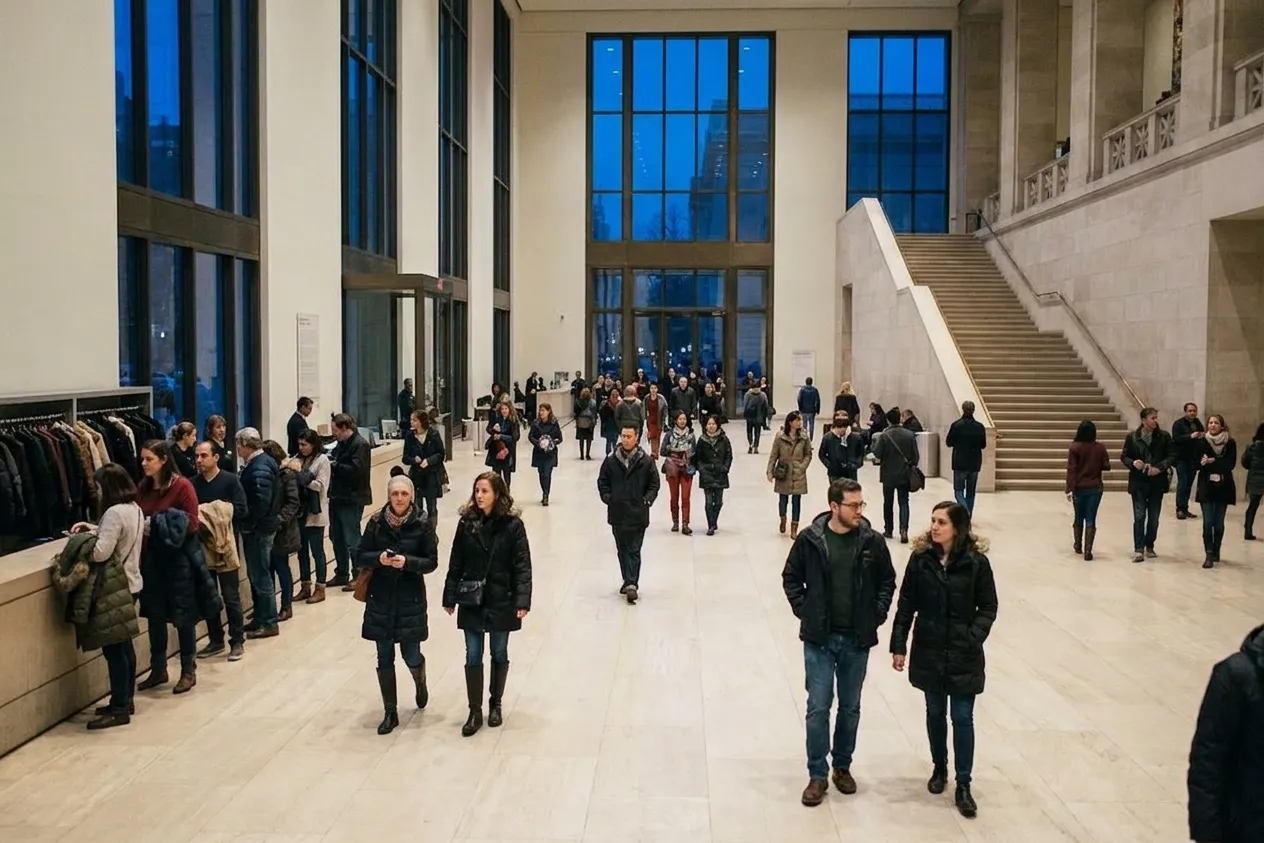
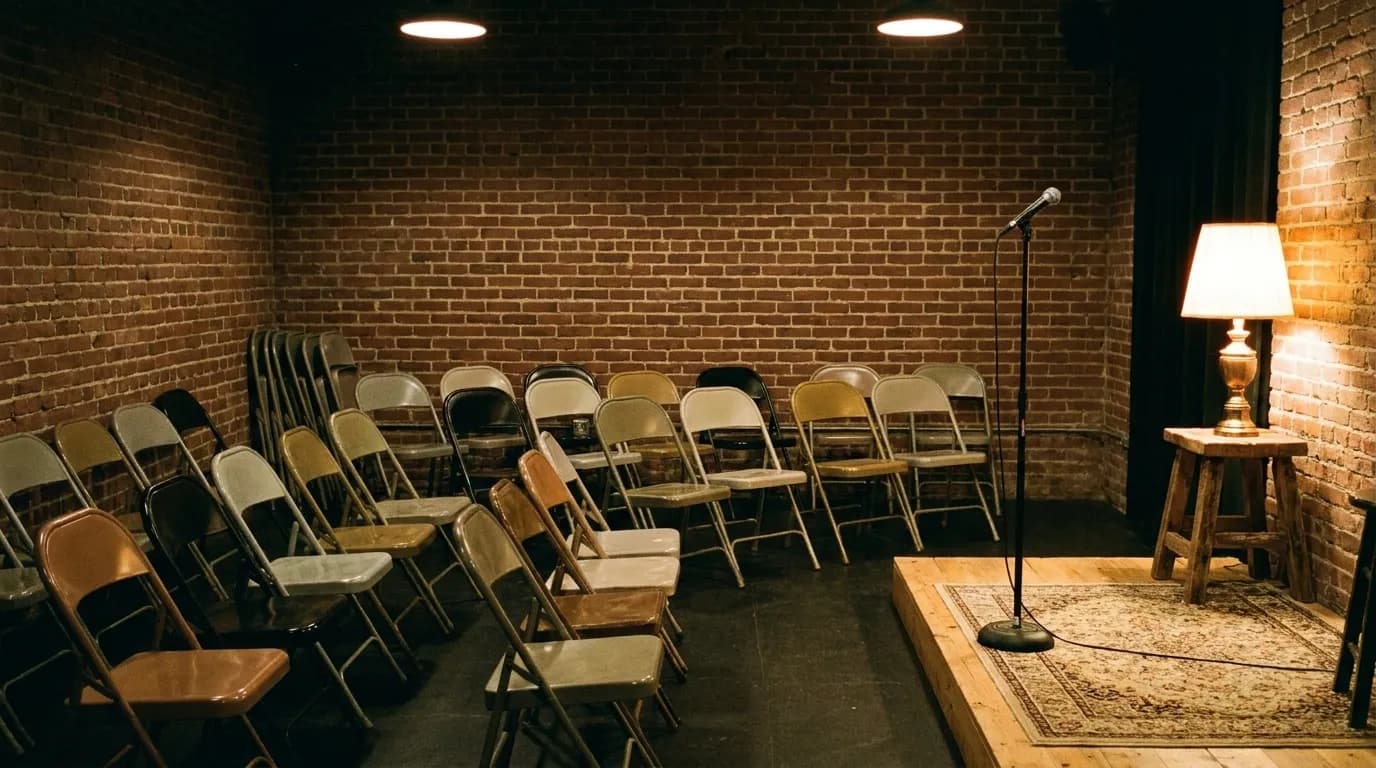
The independent bookshops in and around Williamsburg run a steady programme of readings, launches and conversations that are almost always free, almost always in a back room with thirty chairs, and frequently feature writers who would fill a much larger venue elsewhere. The format is reliable: an hour of reading and conversation, questions, then wine in plastic cups and a queue for signing. You do not need to have read the book. Arriving ten minutes early gets you a seat; arriving on time gets you a wall. The same pattern extends to record shops running in-store sets, print studios doing open nights, and the libraries, which programme far more than people expect and cost nothing at all.
Open Mics, Workshops and Weeknight Music
The weeknight economy of this neighbourhood runs on recurring events rather than one-offs, which is enormously useful because it means you can learn a schedule once rather than checking listings constantly. Comedy open mics happen most nights of the week somewhere within a mile, usually free or the price of one drink. Bars with back rooms run jazz on a fixed night, often with no cover. Community spaces and studios programme figure drawing, screen printing, language exchanges and repair evenings on a monthly cycle. Almost none of this is expensive, and the recurring nature means missing one is not a loss. Find three that happen weekly within walking distance and you have solved the question of what to do on a weeknight more or less permanently.
Where They Are Actually Posted
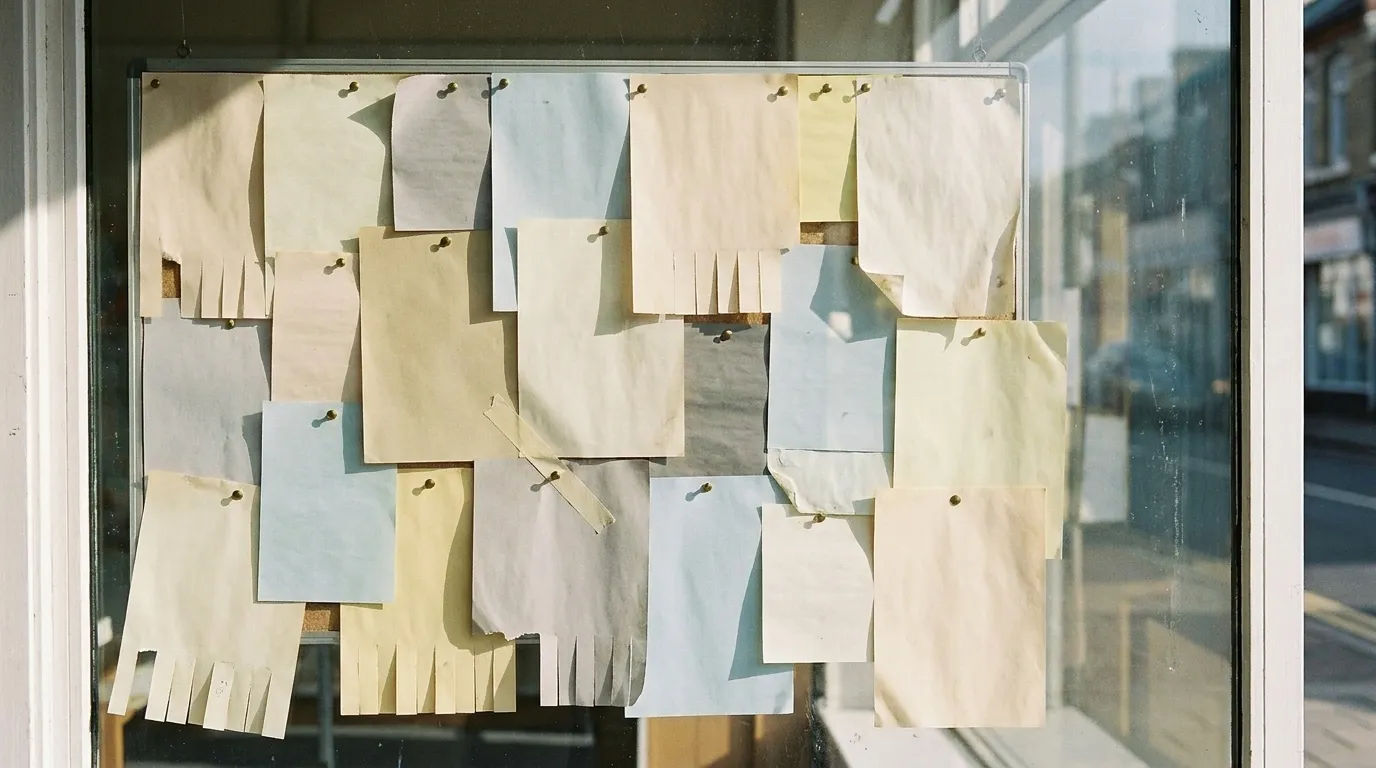
This is the practical core of it. Look at the noticeboards inside the coffee shops, laundromats and bookshops, which are still the primary medium for this kind of thing and which nobody under thirty checks. Look at the windows of bars and community spaces, where a printed sheet taped to the glass usually means a recurring event. Check the library's calendar, which is comprehensive and free and almost entirely ignored. Follow the venues rather than the listings aggregators, because aggregators only carry events with a ticketing link and the best ones here have none. And ask: the person behind the counter at a bookshop or record shop can usually tell you what is on this week within three blocks, which no website can.
The Seasonal Layer
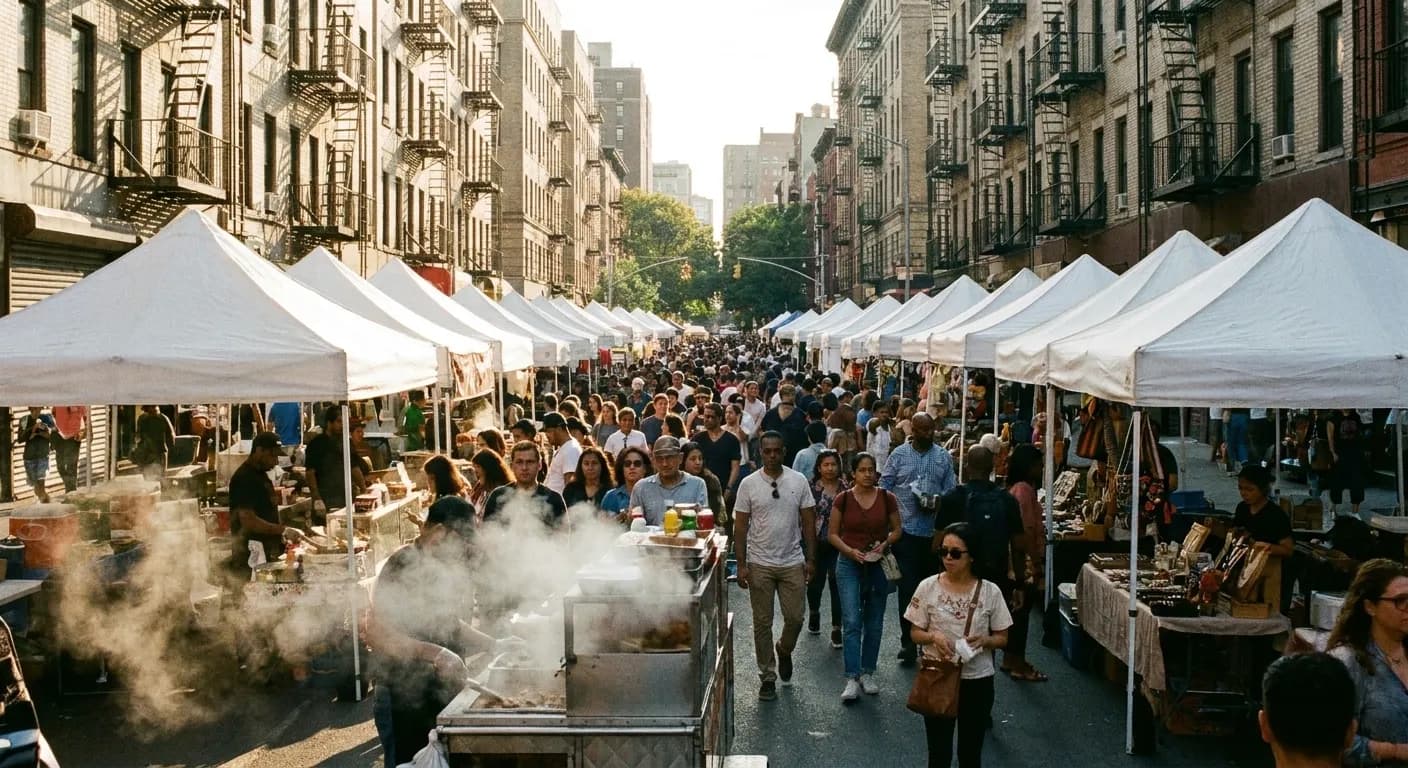
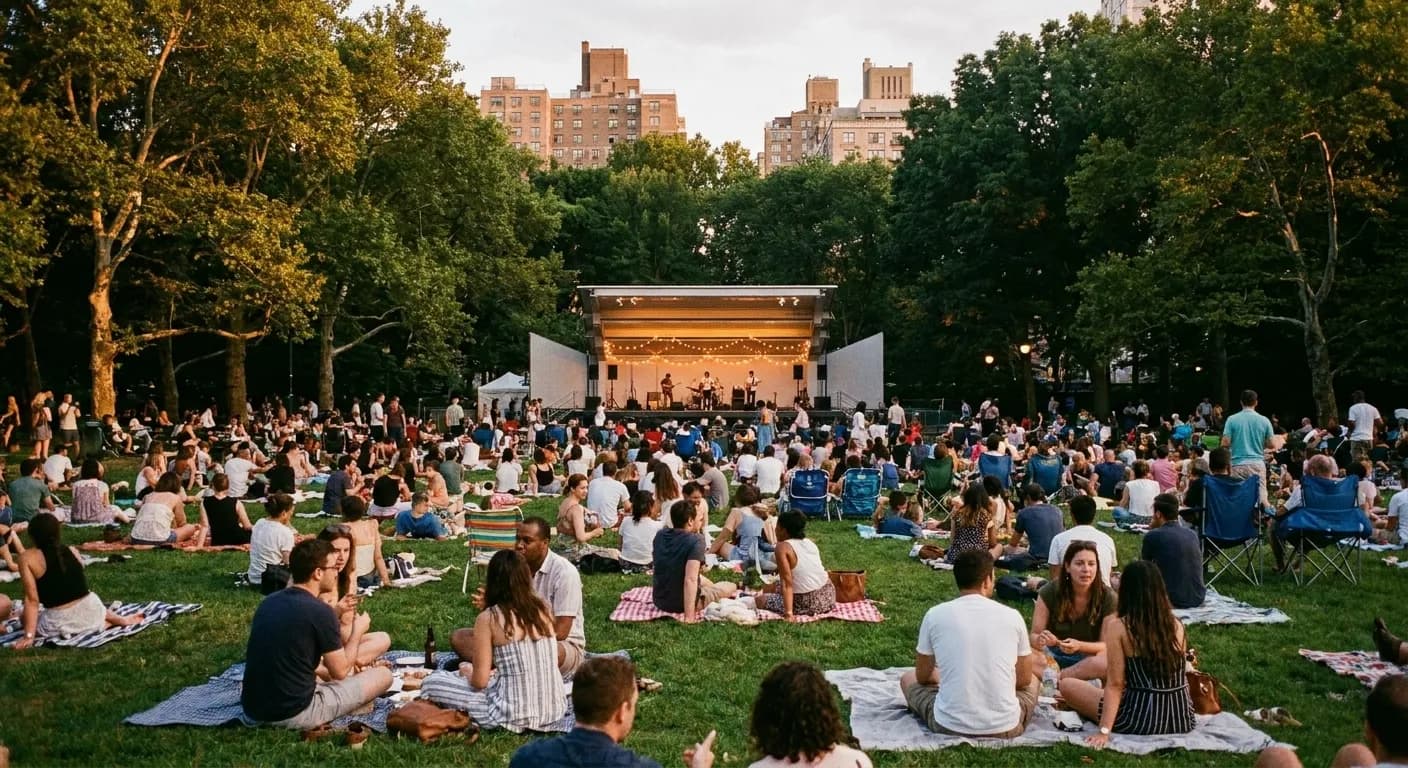
Outdoors changes the calculation substantially for about six months of the year. The waterfront parks host free films, fitness sessions and small performances through the warm months. The flea and vintage markets that set up at weekends are events in themselves and cost nothing to walk through. Block parties and street fairs are announced late and are almost entirely free. Community gardens hold open days. And in the colder months the whole thing moves indoors and gets smaller and better — winter is actually the strongest season for readings and back-room music, because there is nothing else competing for the evening.
How to Actually Go to Things
The main barrier is not information; it is that going alone to a small event feels awkward for about four minutes. It is worth pushing through that, because these rooms are specifically the ones where turning up alone is normal — half the audience at any bookshop reading came by themselves. A few habits help. Pick a recurring event rather than a one-off, so the second visit is easier than the first. Go early enough to sit rather than stand. Buy something, since these events are usually subsidised by the shop or bar hosting them and they only continue if people spend. And do not over-plan: the correct way to use a neighbourhood like this is to have two options in mind and decide at seven.
What They Actually Cost
Worth being specific, because the assumption that everything in this neighbourhood is expensive stops people going. Bookshop readings and library programming are free. Open mics are usually free with a one-drink minimum, so eight to twelve dollars if you drink and nothing if you do not. Back-room jazz nights are commonly free or a five to ten-dollar suggested contribution to the musicians, which you should pay. Workshops and classes run higher — fifteen to forty depending on materials — and are the one category where booking ahead genuinely matters. Markets, gallery openings, community garden days and waterfront programming cost nothing. Against a single ticketed show at a mid-size venue, which now clears sixty dollars before fees, you could attend something small every weeknight for a fortnight for the same money.
Why the Small Ones Are Better
Beyond cost, there is a structural reason these are worth prioritising. At a large event you are an audience member; at one with thirty chairs you are a participant, and the difference shows up in whether you speak to anybody. Small events are also where things are tested before they are good, which means you occasionally see something genuinely new rather than a polished version of something you already knew about. And they are the actual social infrastructure of a neighbourhood — the mechanism by which people who live near each other end up knowing each other. That is worth more over a year than any individual night out.
Tags: #Williamsburg #Brooklyn #EventsNearMe #FreeEvents #OpenMic #Readings #Greenpoint #Bushwick #BrooklynNights #CommunityEvents #NYCEvents #BookStore #LocalGigs
Sources consulted: nycgo.com · bklynlibrary.org · nycgovparks.org · brooklyneagle.com
Please drink responsibly. Must be of legal drinking age.
All trademarks are the property of their respective owners.
Ask Karpo first
Small events are announced late and cancelled quietly. Ask Karpo in iMessage what you are in the mood for and which night, and it will find something on near you.