 Flatiron Holiday Window Walk Planner for Remote Teams
Free Things to Do
Sunday Morning Stroll Planner: SoHo Cast Iron Before Shops
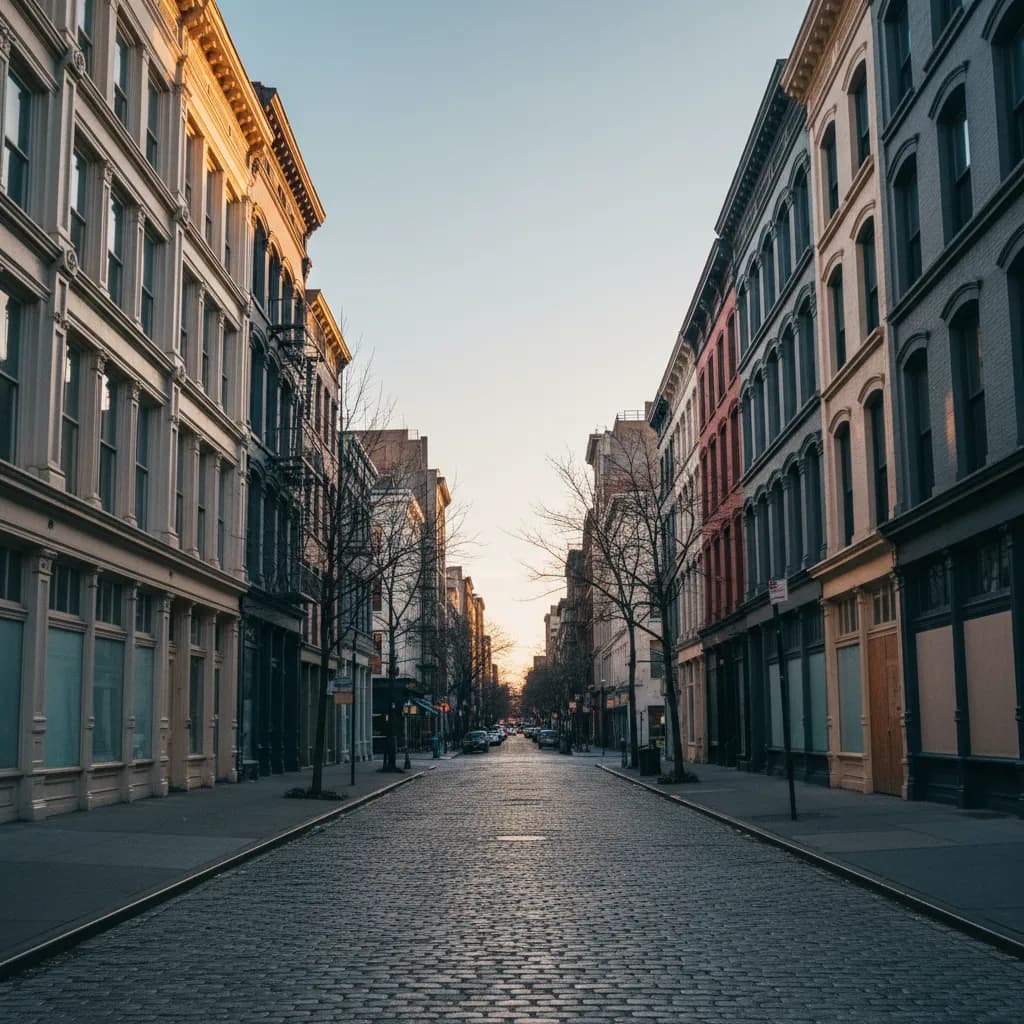
SoHo is a free open-air architecture museum on Sunday mornings: walk empty cobblestone blocks of cast-iron facades, then reach the shops just as they wake.
For a Sunday morning stroll planner in SoHo, the key move is to arrive before the stores do. With shop doors still closed and sidewalks nearly empty, the neighborhood reveals what it really is: one of the largest collections of cast-iron architecture in the world, laid out on cobblestone streets that cost nothing to explore. The facades glow in the low sun, the side streets echo, and you can walk the grid at your own pace without a single crowd to navigate.
Why SoHo Is Different Before the Shops Open
On a busy afternoon, SoHo is all about the street level: window displays, lines outside sneaker drops and shopping bags swinging along Broadway. Early on a Sunday, your eyes drift upward. The ornate columns, arched windows and decorative cornices that line the blocks become the main attraction. The district was once full of warehouses and factories, and the buildings were designed to impress buyers with elaborate fronts that could be cast in iron and bolted together like a giant kit.
Later the factories emptied, and artists moved into the vast lofts, turning the neighborhood into a center of the downtown art scene. Galleries and studios filled the spaces, and SoHo became a symbol of creative New York before shifting toward fashion and retail. Walking in the quiet morning, you can still imagine both versions: the industrial district and the artist enclave, layered under the boutiques that dominate today.
Plan a Grid Walk, Not a Straight Line
SoHo's grid is compact, which makes it ideal for a zigzag route. Start near the northern edge and work your way south, alternating between the main north-south streets and the quieter cross streets. Greene Street is the showpiece, lined with block after block of cast-iron facades. Mercer and Wooster are calmer and feel more like backstage alleys. Prince and Spring connect them, with smaller details tucked between storefronts.
The zigzag matters because each street has a different personality. Broadway is broad and commercial; Greene is grand and photogenic; Wooster still has stretches of Belgian block paving that rumble under bicycle tires. By switching back and forth, you see the whole neighborhood instead of a single corridor. Plan to end near the southern edge so you can easily continue into Tribeca or Chinatown if you feel like walking further.
Reading the Cast-Iron Facades
Stop in front of a building and look closely. Many facades were designed to imitate carved stone, but tap a column gently and you may hear the hollow ring of metal. Look for the tiny foundry plates at the base of some columns, the vault lights embedded in the sidewalk that once let daylight into basements, and the old loading docks raised above the street. Each detail tells you how the buildings once worked.

Morning light helps here. The sun angles across the facades and pulls the decorative details into sharp relief, so columns cast crisp shadows and window arches look deeper. Photographers love this hour, and you will see a few with tripods setting up on corners. If you like to sketch, bring a small notebook; a bench or a stoop with a good view of a single facade is a fine place to spend ten quiet minutes.
Galleries, Studios and Signs of the Art Era
While the neighborhood is now known for shopping, traces of its art history remain. Look for small galleries tucked onto upper floors, artist-run spaces that still exhibit work, and public art pieces installed in lobbies or on walls. Some older lofts still carry the signs of their working past, like freight elevators and heavy metal doors. Even when galleries are closed, their window displays often give you a glimpse of the work inside.
Honest judgment: skip Broadway for most of this walk. It is the busiest and least charming part of SoHo, and the stores there are largely the same chains you find anywhere. Cross it when you need to, but spend your time on the side streets, where the architecture shines and the atmosphere is calmer. You can always return to Broadway later if shopping is part of the plan.
Coffee and a Mid-Walk Pause
Halfway through, you will probably want a coffee. SoHo has a mix of tiny espresso bars and neighborhood bakeries, some with a single counter and others with a few tables by the window. Take your cup to a bench or a quiet stoop on a cross street and watch the neighborhood wake: delivery vans unloading, shop staff wiping windows, a few early shoppers peering through glass. It is one of the pleasures of being out before everyone else.
How Karpo Helps Shape the Morning
Use the Karpo APP before you head out: tell it you want a cast-iron architecture walk through SoHo with time for coffee, and ask for a route that fits your schedule. When you are ready for a break, ask Karpo for cafes or bakeries close by. Karpo offers suggestions to weigh rather than reserving anything, so walk in or reach out to the cafe directly for a group.
Plan B for Rain
SoHo handles rain better than most neighborhoods. Wet cobblestones gleam, reflections double the facades, and the streets feel even more cinematic. Many buildings have deep doorways and awnings where you can pause, and the cafes make good shelter. Watch your footing on the Belgian block, which gets slippery when wet, and avoid the raised metal vault lights, which can be slick.
Practical Notes for SoHo
Several subway lines serve the edges of SoHo, including stops along Broadway and Sixth Avenue, so it is easy to begin and end anywhere. The neighborhood is flat and walkable, though cobblestones are uneven for strollers and wheelchairs; stick to sidewalks where possible. If you plan to shop afterwards, finish the architecture loop first, then return to the stores that caught your eye. That way, the quiet part of the morning stays quiet.
A final tip for repeat visitors: change your starting corner each time. SoHo looks different depending on whether you approach from the west, near the Hudson Square edge, or from the east, near Little Italy. Each direction offers a different first impression and different light on the facades. Over a few Sundays, you will build your own mental map of favorite blocks, doorways and benches.
Ask Karpo for more information.
Keep reading
- Flatiron Holiday Window Walk Planner for Remote Teams
 SoHo Holiday Window Walk Planner for a Sketchbook Afternoon
 Upper East Side Holiday Window Walk Planner After a Museum