 Chinatown Batik Canting Pen Picker: Fine Spouts for Silk
Hidden Gems & Odd Finds
Serangoon Vinyl Record Crawl Planner for Inherited Records
Inherited a parent's records in Serangoon? Sort the crates at home, learn what you own, then plan a crawl to fill the gaps and end with supper at the Gardens.
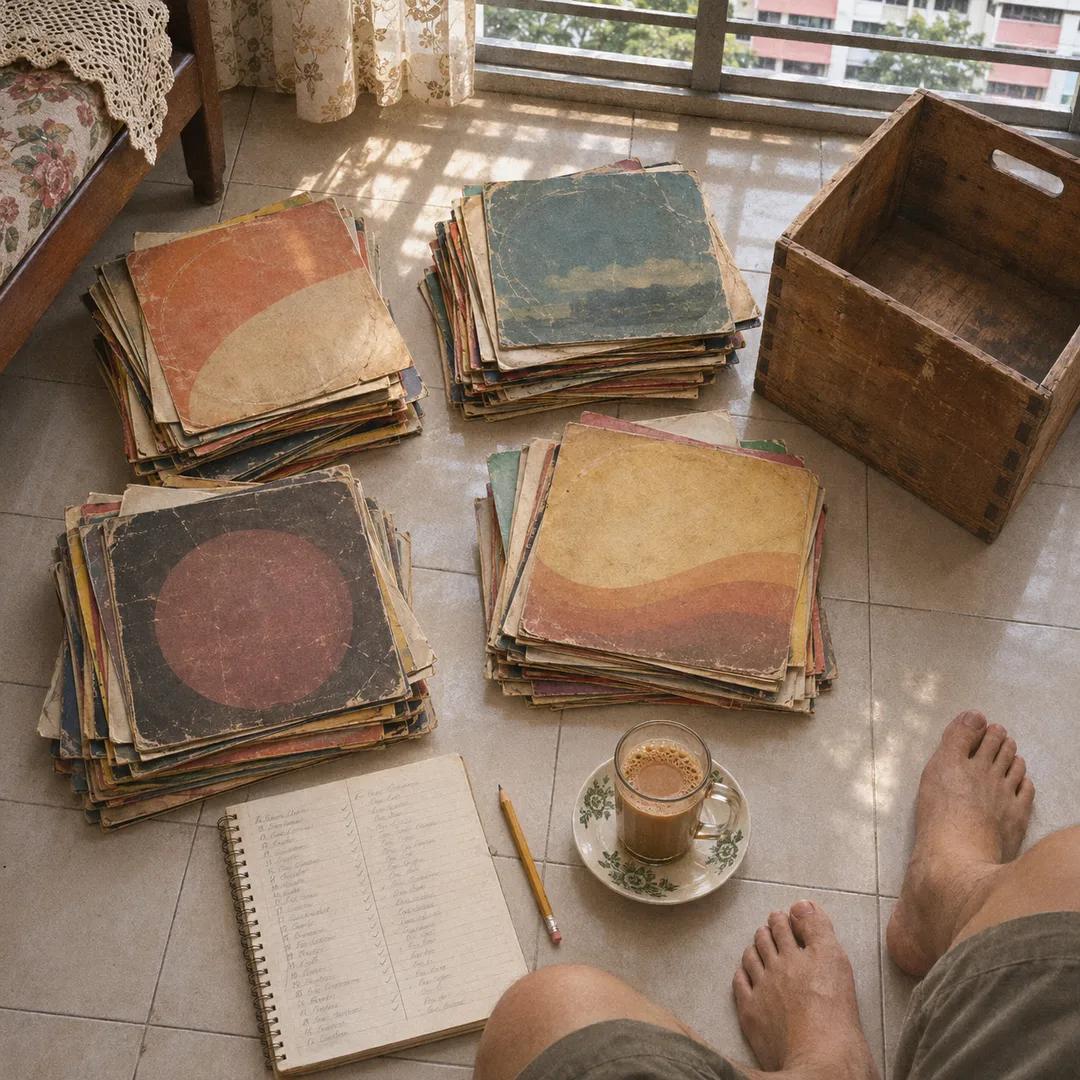
It usually starts with a phone call about clearing a cupboard. A father moves in with a sibling, an aunt downsizes, or a grandmother finally admits she no longer plays anything, and suddenly three cartons of records are sitting in your Serangoon flat. This vinyl record crawl planner is for that moment, when you own a stack of music you did not choose and want to understand it before you decide what to keep, what to clean, and what to go out and find.
Start With the Cartons, Not the Shops
The temptation is to head straight out and start buying. Resist it for a weekend. Open every carton on the living room floor, slide each record halfway out of its sleeve, and sort roughly by language and era: English pop, Mandarin and Cantonese ballads, Malay and Indonesian songs, Tamil or Hindi film music, church hymns, and the odd mystery with no clear label at all.
Keep a simple notebook beside you. Write down the artist, the title and anything a parent scribbled on the sleeve, because those notes are often the most personal part of the collection. A name, a date or a shop stamp can tell you where a record was bought and who it belonged to long before it reached your home.
Ask the Person Who Owned Them
If the original owner is still around, they are your best guide. Bring two or three records to the next family dinner and ask simple questions: where they heard the song first, who they listened with, which ones were played at parties. Many parents in Singapore built their collections in the sixties and seventies, and the stories that come out are often better than the music.
Record those conversations on your phone with permission. Later, as you crawl through shops, you will be listening for the same names and labels your parent mentioned, and a shopkeeper who hears you describe a song half-remembered over dinner may know exactly which pressing you need. That shared memory is what turns a pile of vinyl into a family archive.
Cleaning and Checking Before You Buy More
Records stored in a humid cupboard for decades often need care. Look for mould spots on sleeves, warping from heat and dust in the grooves. A soft carbon brush, a gentle record cleaning solution and fresh inner sleeves go a long way. Let anything damp air out in a cool room rather than in direct sunlight, which can warp vinyl further.
Play a few records on a working turntable before planning the crawl, so you know which ones are worth replacing and which simply need a clean. You may discover that a battered favourite still plays beautifully, or that a pristine-looking album skips on every track. Either way, you now have a clear list of what to look for, and that list is the real start of the crawl.
Mapping the Gaps in the Collection
Most inherited collections have holes. There might be volume two of a compilation without volume one, a singer whose early work is missing, or a soundtrack your parent swears they owned but cannot find. Group these gaps into three lists: albums you would love, albums you are curious about, and things you only want if they turn up cheaply in a bargain bin.
This is also the moment to decide what you will not keep. Duplicates, records you have no connection to and badly damaged copies can be traded or sold. Many independent shops in Singapore are happy to look at used stock, and bringing a small box with you on the crawl can turn a buying trip into a swap, which feels fitting for music that has already had several lives.
Where the Crawl Actually Goes
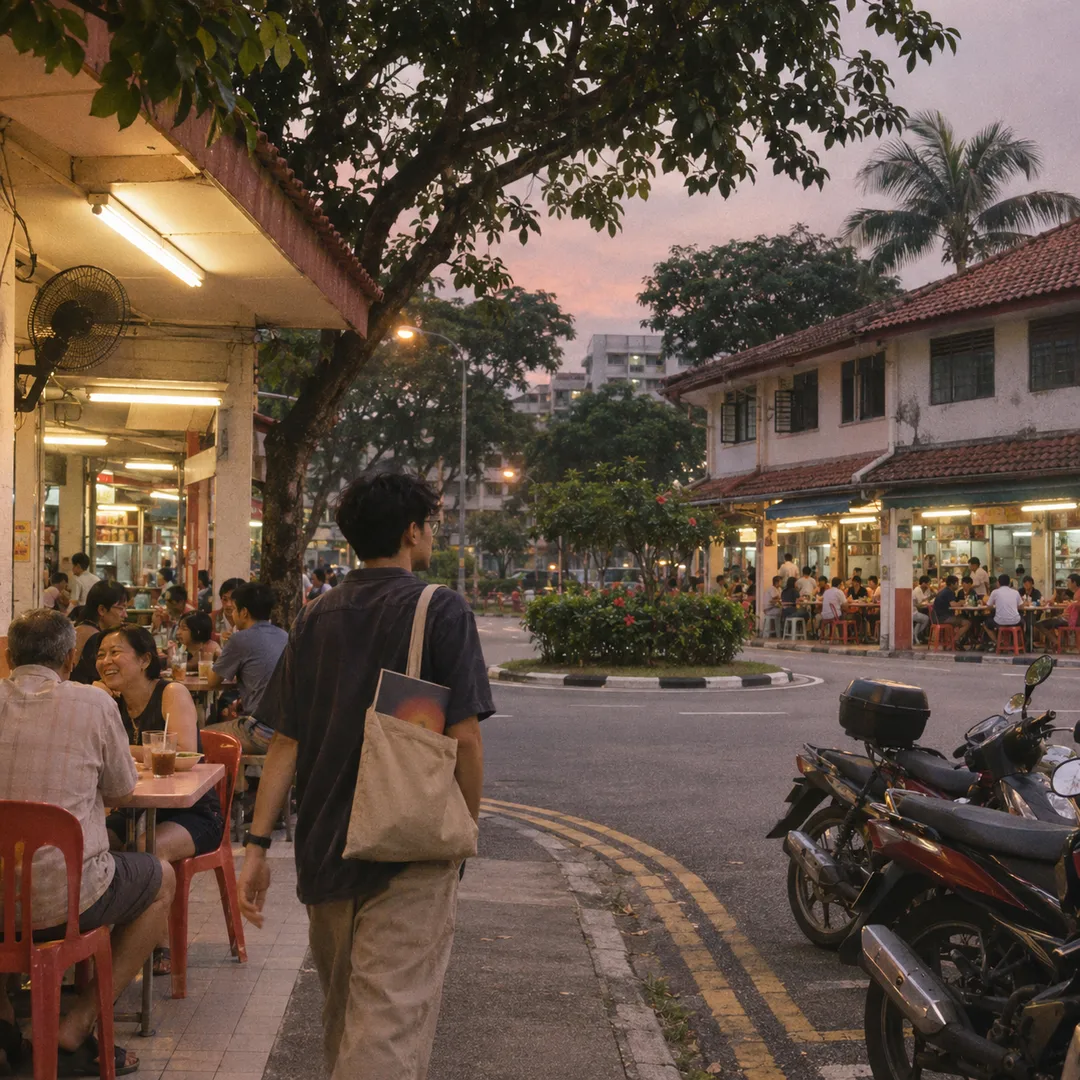
Serangoon itself is a residential neighbourhood, known more for Serangoon Gardens, its leafy streets and the busy hawker scene than for crates of vinyl. Most of Singapore's independent record shops sit in older malls, shophouse streets and arts districts closer to the city centre, so plan to ride the North East or Circle Line in and work outward from there.
Group the shops by area rather than by fame. Two or three stops within walking distance of each other make for a relaxed afternoon, with time to flip through every bin and chat. Trying to cover the whole island in one day usually ends with a sore back and a bag of impulse buys, which is not what an inherited collection needs.
Using the Karpo APP to Shape the Route
This is where the Karpo APP helps. Describe what you are looking for in plain words: a crawl starting from Serangoon, focused on sixties and seventies Mandarin and English pop, with a shop that buys used records and somewhere for kopi between stops. Add the gaps from your notebook so the plan reflects the music you actually want to find.
Karpo can help you group stops into a sensible order, think about how long each one might take and suggest a pause for food. Share the plan with a sibling or cousin who also grew up with these records; they may want to come along, or at least weigh in on which albums are worth tracking down. Check each shop's own channels before setting off, since small independents often change their schedules.
Talking to Shopkeepers About Old Pressings
Independent record sellers in Singapore tend to be collectors themselves, and many enjoy hearing where a stack of records came from. Bring a photo of a sleeve from home and ask what they know about it. They may recognise a local label, point you to a related singer or tell you which pressings are common and which are worth keeping an eye out for.
Be honest about your budget and your goal. Saying that you are filling in a parent's collection rather than investing in rare vinyl helps a seller guide you toward clean, playable copies at fair prices. Many crawlers find that the second or third visit to the same shop is the most useful, once the owner knows what you are hunting for.
Bringing Records Home Safely
Carry a sturdy tote or a square record bag that keeps sleeves flat, and avoid leaving purchases in a hot car or on a sunny bus seat. Singapore's heat and sudden rain are the two biggest risks on the way home. A large plastic bag tucked into your tote is a simple way to keep cardboard sleeves dry if the afternoon storms arrive early.
Once home, store new and old records upright, never stacked flat, in a room with steady air flow. A dehumidifier or a box of moisture absorbers in the cupboard protects the whole collection. It is worth labelling which records came from your parent and which you added, so the family story stays clear for the next person who inherits the crates.
Supper at Serangoon Gardens to Finish
Back in the neighbourhood, the natural ending is supper around Serangoon Gardens. The area around the roundabout is known for its food stalls and local eateries, and Chomp Chomp Food Centre is a long-time favourite for satay, barbecued stingray and sugar cane juice in the evening. Spread the day's finds on the table only if it is dry.
If you made the crawl with a sibling, this is where you divide the list for next time. One person tracks the Cantonese ballads, another chases the soundtracks, and someone volunteers to digitise the family notes. By the end of the meal, a carton of inherited records has become a shared project, and the next crawl is already half planned.
Ask Karpo for more information.
Keep reading
- Chinatown Batik Canting Pen Picker: Fine Spouts for Silk
 Tiong Bahru Batik Canting Pen Picker: Handles and Bowls
 Katong Batik Canting Pen Picker: Wide Spouts for Wave Fills