 Chinatown Batik Canting Pen Picker: Fine Spouts for Silk
Hidden Gems & Odd Finds
Jalan Besar Vinyl Record Crawl Planner for Sample Diggers
Plan a Jalan Besar vinyl record crawl for beatmakers and producers: hunt breaks and odd local pressings among hardware shophouses, then refuel at a kopitiam.
A Jalan Besar vinyl record crawl suits people who listen to records for parts rather than whole albums. If you make beats, cut edits or build samples for your productions, this old district of hardware stores, welding shops, shophouse cafes and back lanes is one of the most rewarding places in Singapore to hunt sounds that nobody else is using. This planner explains how to dig with a producer's ears, where to slow down, how to treat cheap bins and how to keep your energy up over a long session in the heat.
A Neighbourhood Built on Making Things
Jalan Besar has always been a working district. Rows of pastel shophouses hold lighting suppliers, motor parts dealers, signboard makers and family kopitiams, and over time small studios, design firms and independent shops have moved into the gaps. That mix of old trade and new creative work gives the area a practical, unpretentious feel. Record digging here tends to happen in modest spaces: a secondhand dealer with crates on the floor, a cafe with a shelf of records for sale, or a back room in a vintage store where sleeves sit next to old radios.
For a producer, that informality is valuable. Polished stores in malls tend to stock clean reissues of famous albums. Here you are more likely to find odd local pressings, forgotten library music, regional pop from across Southeast Asia, film soundtracks and compilation records that someone cleared out of an attic. Those are exactly the records with strange drum breaks, unusual instruments and textures that make a beat sound like your own rather than a copy of a familiar loop.
Listen Like a Producer
Before the crawl, change how you judge a record. You are not asking whether the album is good from start to finish. You are asking whether there are four seconds somewhere on it that you could use. A weak album with one clean drum intro, a lush string swell or a strange organ stab can be more useful than a classic that every producer has already sampled. Stay open to genres you would never play at home, from Malay pop to Cantonese ballads to easy listening and marching bands.
Look for clues on the sleeve. Credits that list a session drummer, a percussion section or a studio orchestra often signal interesting textures. Instrumental tracks, long intros and live recordings are worth a closer listen. Covers that look cheap, odd or slightly cheesy can hide brilliant arrangements, because budget labels often hired very good musicians and gave them freedom. Make a habit of flipping over every unfamiliar record rather than judging it by the front.
Work the Cheap Bins Properly
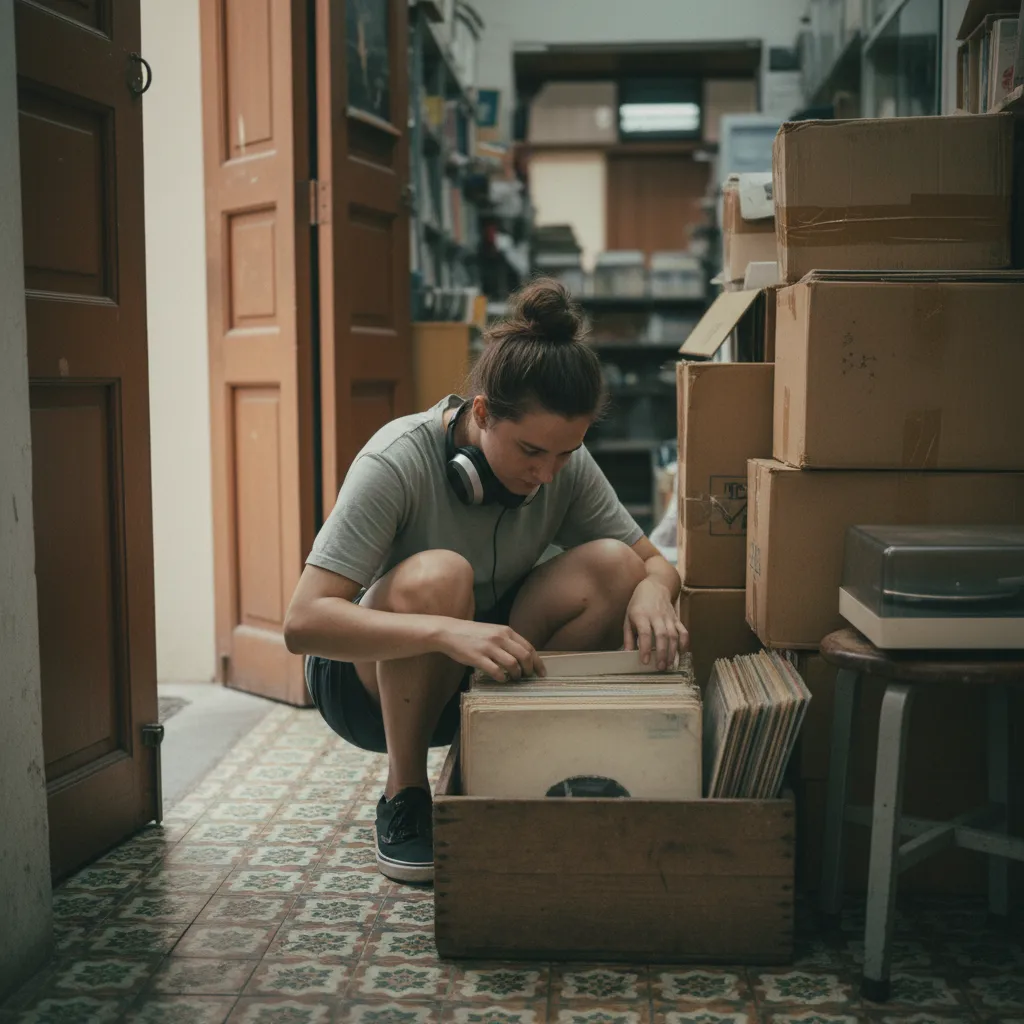
Cheap bins are where sample diggers earn their reward. They are often dusty, unsorted and placed on the floor or under a table, so plan to crouch and take your time. Bring a small cloth for your hands and a pack of wipes, because older stock can be grimy. Pull out anything promising and stack it to one side rather than holding it in your arms. When your stack gets tall, sit down and sort it into a keep pile and a maybe pile.
Always ask whether you can listen. Many small dealers have a basic turntable behind the counter or on a stool, and most are happy to let a serious customer drop the needle for a few seconds on each track. Skim quickly. You are listening for intros, breaks and solo passages, not for the song. If a shop cannot offer a listen, check the vinyl under good light for deep scratches, warps and wear on the parts of the record that matter to you.

Pace the Session with Kopi Breaks
A serious sample dig is tiring, and the humidity makes it more so. Plan the crawl around kopitiam breaks. Jalan Besar and the streets around it are full of coffee shops where you can sit at a marble table, order a kopi or a cold lime drink, and go through your finds. These pauses help you think. Away from the bins, it becomes easier to see which records you really want and which were impulse picks from a tired moment.
Use the break to listen properly. Bring a small portable turntable only if you are comfortable carrying it, otherwise simply make notes of track names to check later. Many producers keep a running list of records they heard but did not buy, so they can return when they have a clearer idea of a project. The neighbourhood rewards repeat visits, and a record you passed on today may still be waiting next month.
Walk the Back Lanes Between Stops
Some of the most interesting spaces in the area sit away from the main road. Wander the side streets and back lanes behind the shophouses, where you will see hardware workshops, murals, small studios and the occasional stack of crates outside a door. Walking slowly helps you spot shops that do not advertise loudly. Keep an eye on the five-foot ways for handwritten notices and small displays, which are often the only sign of a dealer upstairs.
Respect the working character of the area. Many of these streets are still busy with deliveries and trades, so stay out of loading bays and do not block narrow walkways with your bags. Ask permission before photographing inside a shop. If an older shopkeeper starts telling you about the records they used to sell, listen. Some of the best leads in this district come from conversations rather than signs.
Carry and Store Your Finds
A long dig means a heavy bag. Bring a sturdy tote with a flat base and a couple of thin card sheets to protect sleeves. If you plan to buy a lot, think about taking a taxi home rather than squeezing onto a crowded bus with a stack of records. Once home, clean the records gently before you sample them, because dust adds noise that is hard to remove later, and store them upright away from damp walls.
Plan Your Own Dig
In the Karpo APP you can search the area for secondhand record dealers, vintage stores and cafes that sell records, then compare them and keep a short list for a long Saturday session. The app is for planning only. It cannot see the contents of a crate or set anything aside for you, so treat it as a sketch of the route and leave room for side streets you discover on foot.
The reward of a Jalan Besar dig is not a perfect collection but a handful of sounds that are yours. Go slowly, listen with a producer's ears, take kopi breaks, and talk to the people behind the counters. You will leave with records that look odd on the shelf and sound great in a beat.
Ask Karpo for more information.
Keep reading
- Chinatown Batik Canting Pen Picker: Fine Spouts for Silk
 Tiong Bahru Batik Canting Pen Picker: Handles and Bowls
 Katong Batik Canting Pen Picker: Wide Spouts for Wave Fills