 Chinatown Batik Canting Pen Picker: Fine Spouts for Silk
Hidden Gems & Odd Finds
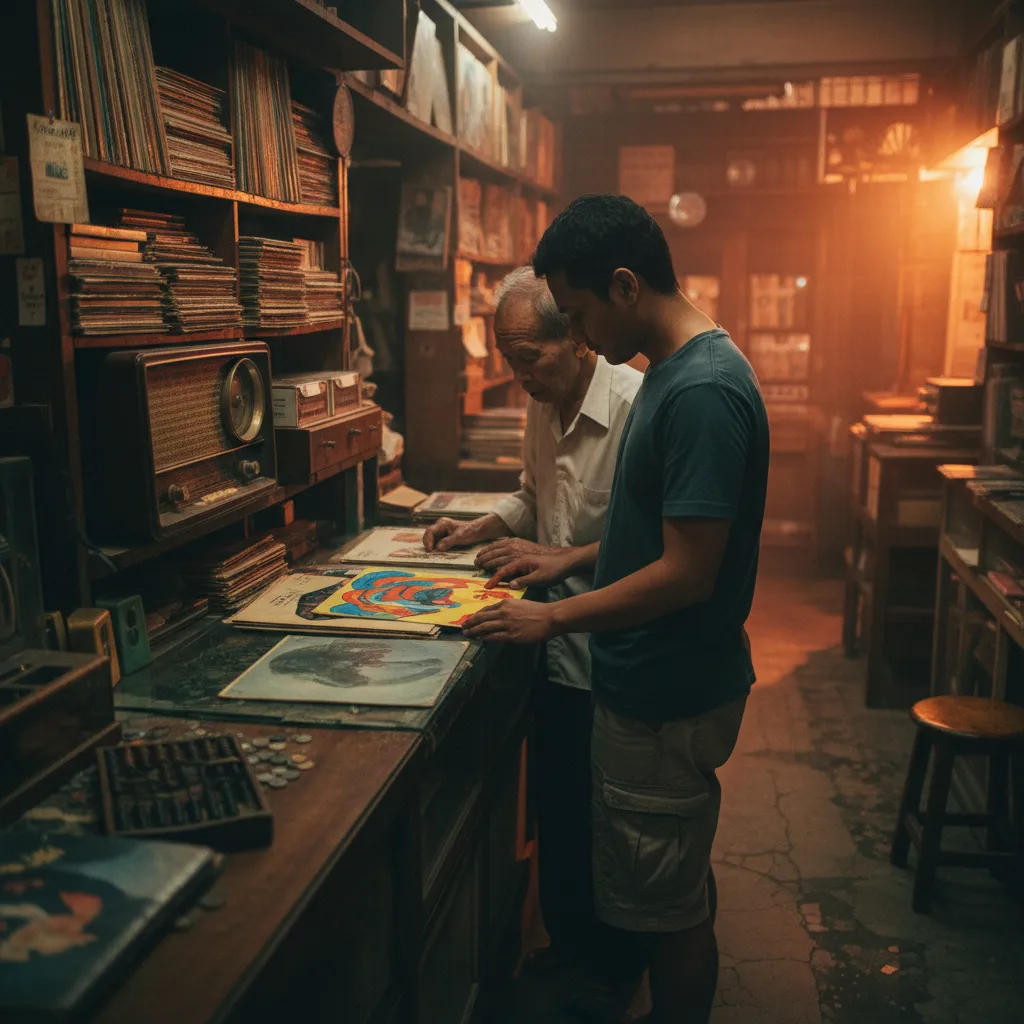
Geylang Vinyl Record Crawl Planner for Local Pop Treasures
Plan a Geylang vinyl record crawl around Singapore's own music: hunt pop yeh yeh, Malay, Hokkien and getai records, then finish with supper on the lorongs.
A Geylang vinyl record crawl is a chance to dig into the music Singapore made for itself. Most crate digging in the city leans toward Western rock, jazz and soul, but this district on the east side has a long relationship with local and regional sounds: Malay pop, Hokkien and Cantonese songs, getai stage music, Indonesian ballads and the guitar-driven pop yeh yeh that once filled dance halls. This planner shows how to hunt those records, how to talk with the older sellers who know them best, and how to end the evening with supper on the lorongs.
Why Geylang for Local Sounds
Geylang is one of the oldest neighbourhoods in Singapore, a place where Malay, Chinese and many other communities have lived side by side. Its numbered lorongs run off the main road like the ribs of a fish, lined with shophouses, temples, mosques, clan associations and food stalls. Just to the east, Geylang Serai has been a heart of Malay life in Singapore for a very long time. Music has always moved through these streets, from wedding bands and radio dramas to stage shows during the Hungry Ghost Festival.
That history shows up in what turns up for sale. Small secondhand dealers, antique and collectible stores, and the odd household clear-out stall can hold records you will rarely see in trendy shops elsewhere. Sleeves in Jawi, Chinese characters and Malay sit side by side. Covers show beehive hairdos, matching band suits and studio portraits against painted backdrops. For anyone curious about the city's own past, a few hours here is like flipping through a family album that nobody finished labelling.
Know What You Are Hunting
It helps to have a rough map of local genres before you start. Pop yeh yeh is the bright, guitar-heavy Malay pop inspired by British beat bands, full of jangling twelve-string riffs and handclaps. Getai records capture the brassy, theatrical stage songs performed at festival shows, often in Hokkien or Mandarin. Older Malay recordings include keroncong, asli and orchestral film songs. Xinyao is the gentle Mandarin campus folk that young Singaporeans wrote and sang together. Each one has a distinct look and sound.
You do not need to read every language on a sleeve to judge a record. Look at the photographs, the instruments in the band shots and the label design. Back covers often list track titles with the singer and composer, which you can photograph and search later. If a record looks homemade or carries the mark of a small local label, it may be rarer than it seems. Trust your curiosity and set aside anything that feels unusual rather than dismissing it.
Talk to the Older Sellers
In this neighbourhood the people behind the counter are often the most valuable part of the visit. Many older dealers and collectors grew up with these songs and can tell you who sang them, which films they came from and how they sounded on the radio. Greet them warmly, ask about a singer whose name you have seen on several sleeves, and be ready to listen. A short conversation can turn a random stack into a small education.
Be patient and polite. Some shops are cramped and stock is piled high, so ask before pulling anything out from the bottom of a stack. If a seller is busy with a regular, wait your turn. When a record has clear personal or sentimental value to the owner, accept that it may not be for sale. Leaving on good terms matters because many of these places rely on word of mouth, and the next good tip may come from the person you were kind to today.
Shape the Crawl Around the Lorongs
Plan to walk slowly along the main road and dip into a few lorongs rather than trying to cover the whole district. Each side street has its own character. Some are busy with eateries and fruit stalls, some are quiet and residential, and some are dotted with small trading businesses. Keep an eye out for collectible stores, music shops selling instruments and old electronics, and stalls with boxes of household goods outside, since records often hide among them.
If you want to add Geylang Serai, head east toward the market and the cluster of Malay shops and eateries around it. This side of the area is especially rewarding during festive seasons, when the streets fill with lights and bazaar stalls. Records are not the focus of those bazaars, but the atmosphere gives context to the music you are hunting, and you may spot vendors selling old cassettes or recordings alongside textiles and snacks.
Check the Condition Gently
Old local pressings have often lived through decades of humidity, so check each record carefully. Slide the disc partway out of the sleeve and hold it under good light. Look for mould spots, which appear as faint fuzzy patches, and for deep scratches across the playing surface. Mild surface noise is normal for records of this age and usually adds to the charm. Warps and heavy mould are harder to fix, so think twice unless the record is truly special to you.
Bring a soft cloth and a few plastic outer sleeves to protect anything fragile. Paper sleeves on old local records can be brittle, so handle them by the edges. If a cover is torn, ask whether the seller has a spare sleeve. Many collectors are happy to help you keep a record in good shape because they want these pieces of local history to survive.
End with Supper on the Lorongs
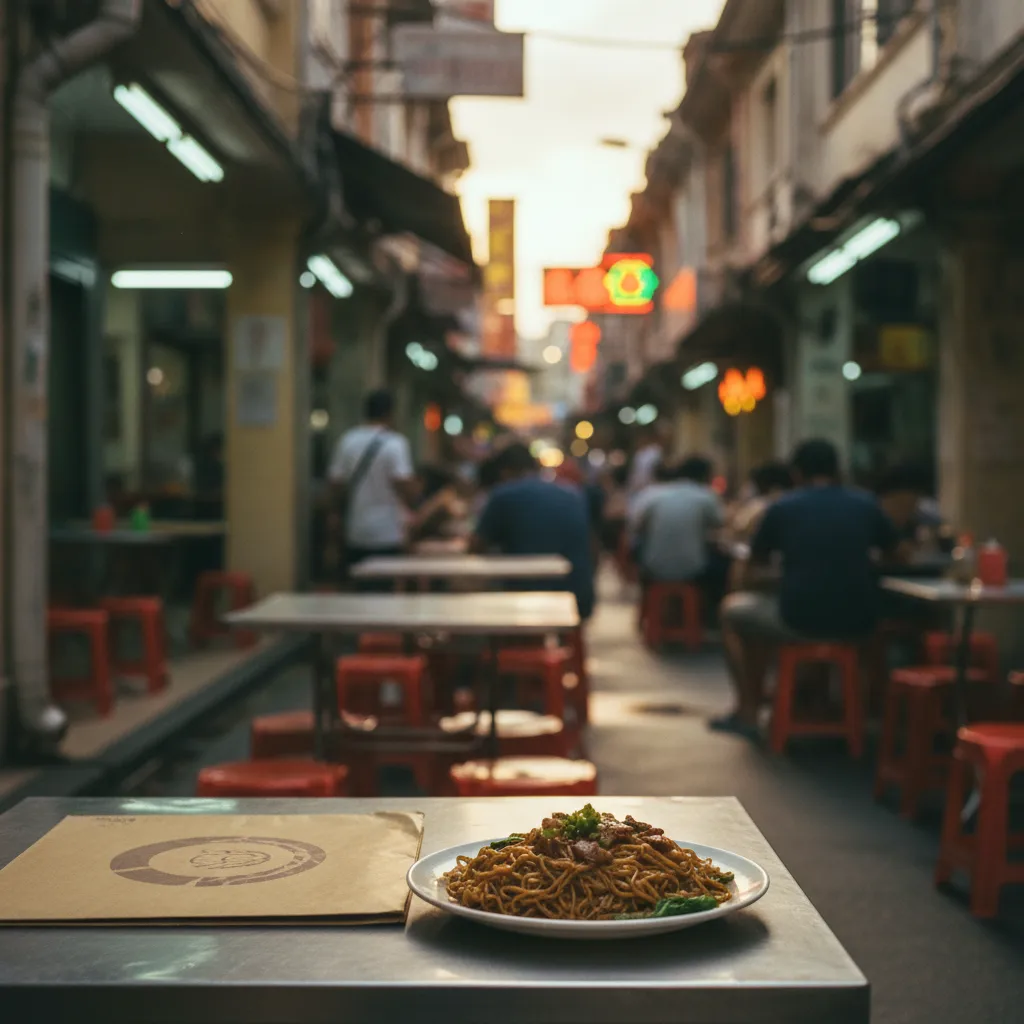
Geylang is famous for its food, and a crawl here should finish at a table. The lorongs are full of eateries serving frog porridge, beef kway teow, claypot dishes, durian and much more, and the area stays lively into the night. Find a seat, set your record bag on a clean chair and go through your finds over a shared plate. It is the perfect place to argue about which singer had the best voice and which cover deserves a frame.
Map Your Own Heritage Dig
With the Karpo APP you can look up collectible stores, secondhand record dealers and supper spots around Geylang and Geylang Serai, compare them, and pin the ones worth trying into a short list before you set out. It does not know what any seller has on the shelf, and it cannot reserve anything, so use it to plan the shape of the evening and leave the discoveries to your own eyes and ears.
A good Geylang crawl leaves you with more than records. You learn the names of singers your grandparents danced to, hear stories from people who sold their songs, and taste the food that fuelled those nights out. Take your time, ask questions and let the neighbourhood teach you its soundtrack.
Ask Karpo for more information.
Keep reading
- Chinatown Batik Canting Pen Picker: Fine Spouts for Silk
 Tiong Bahru Batik Canting Pen Picker: Handles and Bowls
 Katong Batik Canting Pen Picker: Wide Spouts for Wave Fills