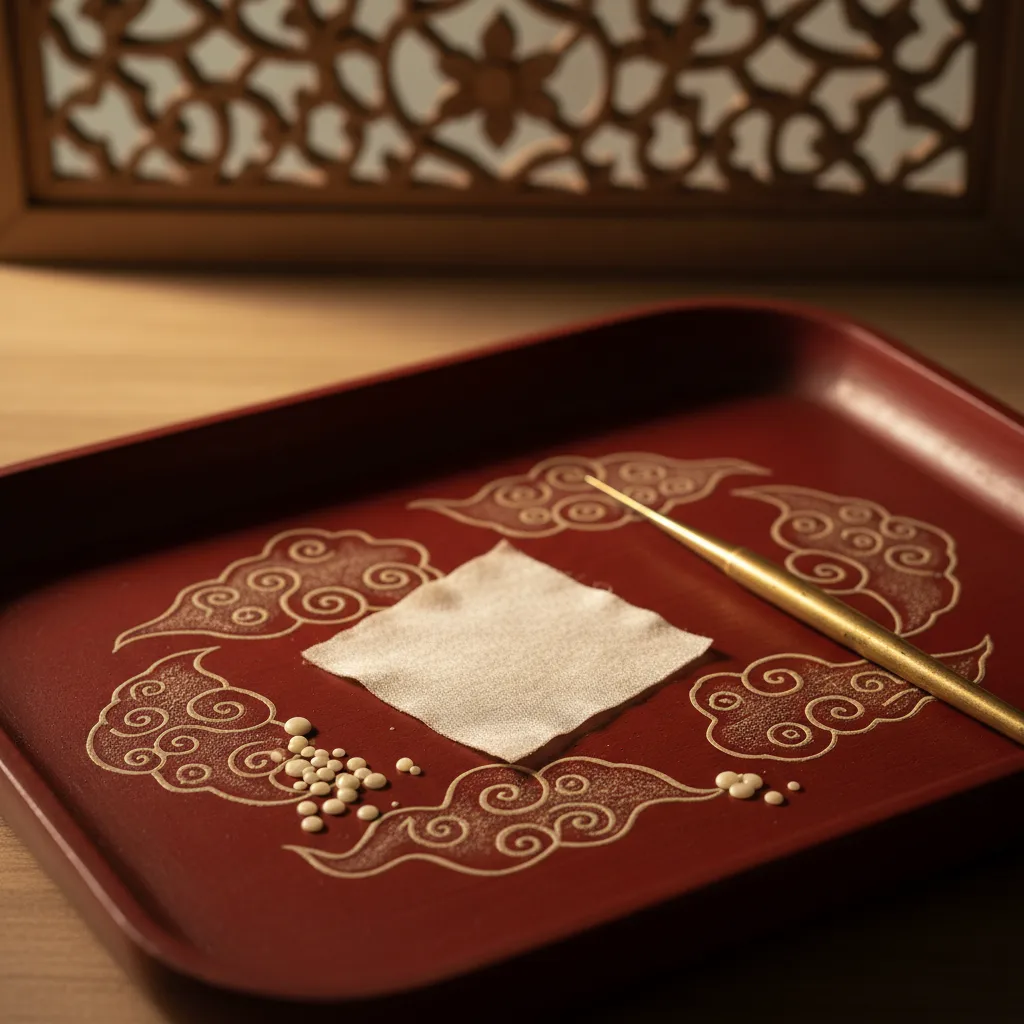
 Chinatown Batik Canting Pen Picker: Fine Spouts for Silk
Hidden Gems & Odd Finds
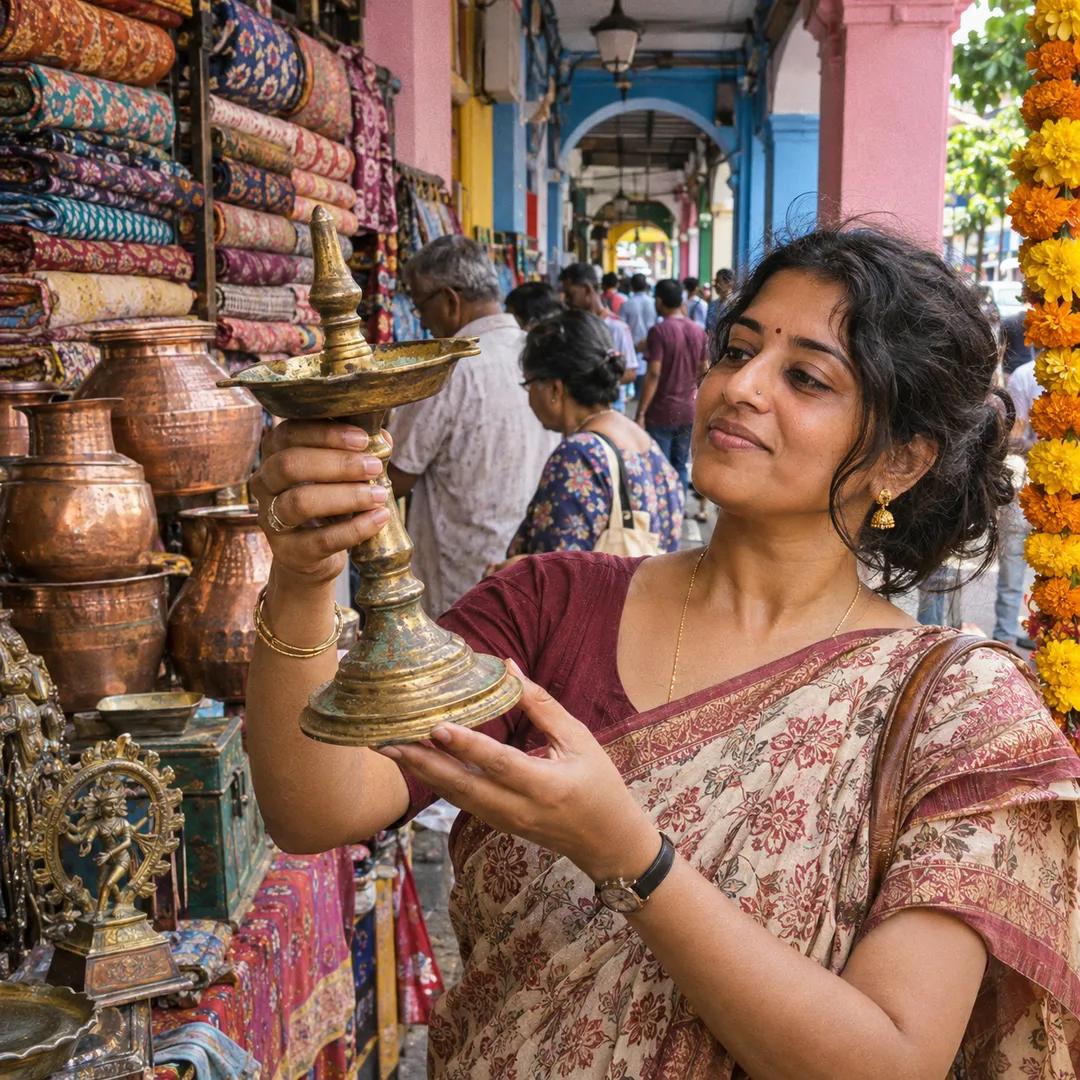
Little India Thrift Shop Crawl Planner for Brass and Fabric
Plan a Little India thrift crawl for secondhand brass and fabric: walk the side lanes early, test metal by weight, and turn silk remnants into cushions nearby.
Little India rewards a slow thrift shop crawl more than a fast one, because the best secondhand finds here are metal and cloth rather than clothes on a rail. Brass lamps that once lit a family altar, copper pots from a shuttered kitchen, the end of a silk bolt nobody wanted at full length: these turn up in the corners of shophouse stores and at the edges of busier shops. This plan is for someone furnishing a flat who wants objects with a past, and who is happy to walk.
Why Little India Is a Brass and Fabric Neighbourhood
The district has supplied Singapore's Indian households for generations with wedding silks, temple brass, cooking vessels and festival lights, and that trade leaves a long tail of secondhand stock. When a family clears a grandmother's cupboard, the lamps and the heavy pots often find their way back to the same streets where they were first bought. A dealer will set them on a low shelf beside the new stock, and nobody makes much fuss about the difference.
Fabric works the same way. Tailors and sari shops keep remnants from cut bolts, sample lengths and pieces that were ordered and never collected. They are rarely displayed with any ceremony. You usually find them folded in a basket, tied with string, or stacked on a stool near the counter. Asking politely for leftover pieces is normal here, and it is the single habit that separates a good crawl from a disappointing one.
Plan the Morning Before the Heat and the Crowds
Start early in the morning while the five-foot ways are still being hosed down and shopkeepers are unrolling awnings. Owners have time to talk, the light is soft enough to judge colours, and you can walk the lanes without weaving through weekend crowds. Sunday afternoons are the busiest stretch of the week, so treat those hours as a time for chai and people-watching rather than serious hunting.
Bring a tote with a hard base for metal, a cloth bag for fabric, and a small notebook with the measurements of the shelf, window or sofa you are buying for. Wear shoes you can walk in for a few hours, carry water, and keep one hand free. A phone photo of the room you are decorating helps more than any list, because you will be matching colours by eye.
Reading Old Brass Before You Carry It Home
Real brass has weight. Lift a lamp or a bowl and it should feel heavier than it looks. A light, hollow piece is often plated tin. Check the base for a seam, look inside the bowl of an oil lamp for old soot, and run a fingernail along the edges for flaking. Green spots are surface tarnish and clean up with tamarind or lemon, while deep pitting will not.
Ask the seller where a piece came from, even if the answer is only a family name or a rough decade. Many older Singapore lamps have small repairs, a replaced wick holder or a soldered foot, and sellers usually mention them without being pushed. Skip anything with a wobbling stem if you plan to light it. A decorative lamp can lean a little, but a working one cannot.
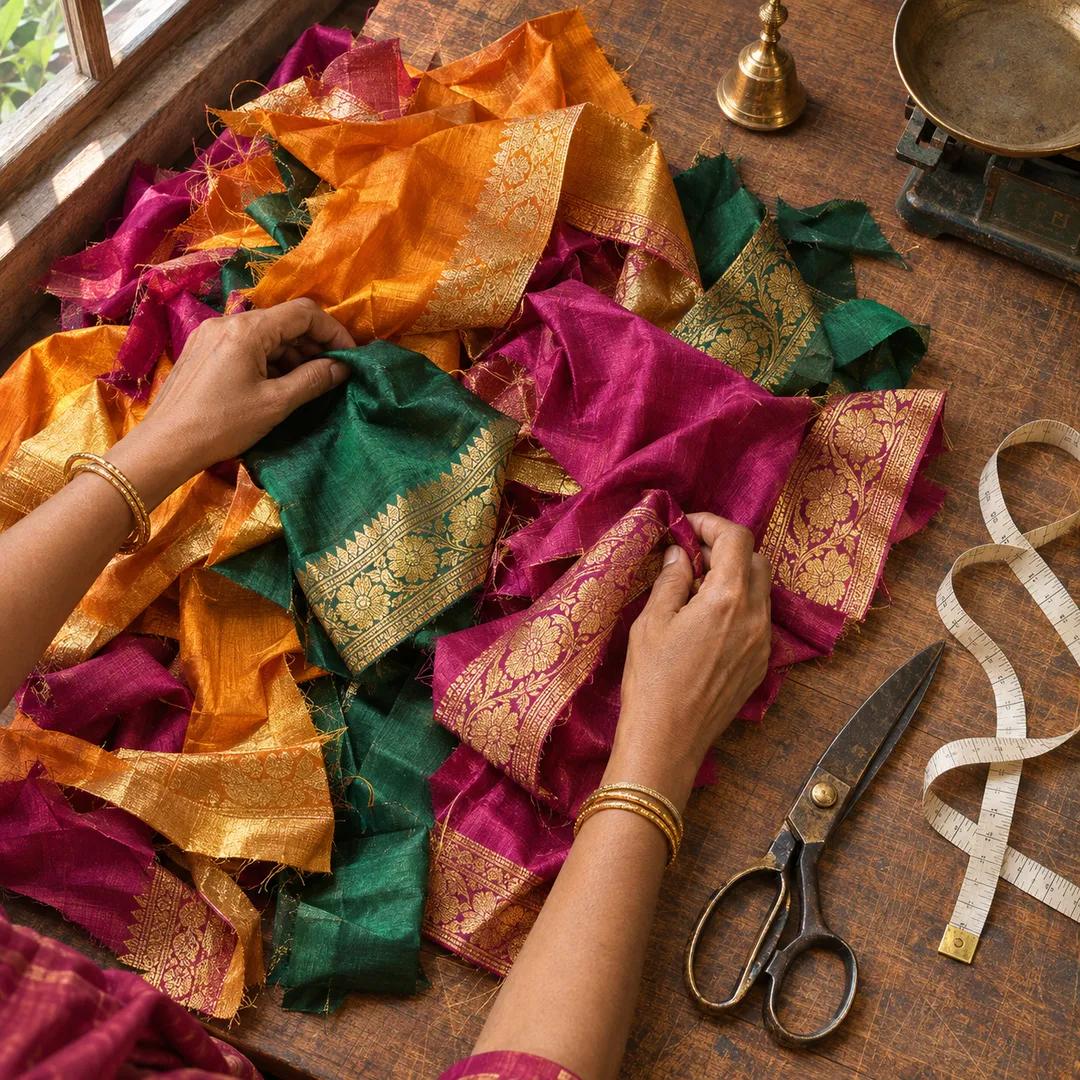
Turning Silk Remnants Into Something You Use
A remnant is only a bargain if you know what it will become. Two border pieces of the same width make a cushion pair, a long narrow strip becomes a table runner, and a single dramatic panel can be stretched and framed. Hold each piece up to daylight at the shop door, look for water marks and moth holes along the folds, and rub a corner gently to see if the dye travels.
Several tailors in the district will sew simple cushion covers or hem a runner if you bring the fabric in and explain what you want. Expect to leave the piece and come back another day rather than wait. Agree on the zip colour and the seam placement before you walk away, and take a photo of the fabric with the tailor's name on your receipt so there is no confusion later.
A Lane-by-Lane Walking Route
Begin near the market end of Serangoon Road, where the food centre and wet market wake up first, then work north along the main road before ducking into the quieter parallel lanes. The side streets between Serangoon and Race Course Road hold the small homeware shops and repair counters that the main road skips. Walk on the shaded side and cross only at the junctions, since traffic here moves quickly.
Loop back through the residential pockets around Hindoo Road and Desker Road, where older shophouses still have family businesses on the ground floor. Look up as you go. The painted shutters, carved fanlights and tiled steps are part of the reason to walk rather than ride. End the loop back near the market, where you can sit down and look at what you have carried.
Where to Rest, Eat and Repack
A crawl in this heat needs at least one long sit. The food centre near the wet market is the obvious place: order a teh tarik or a masala tea, find a table under a fan and lay out the morning's finds on a cloth. If you are carrying brass, wrap each piece in a fabric remnant so the metal does not scratch, and keep the heaviest item at the bottom of the hard tote.
For lunch, a banana leaf meal eaten with your right hand is a good reward and a reason to slow down further. Wash your hands properly before touching fabric again, since turmeric and curry stains on raw silk are hard to lift. If the bags are getting heavy, this is the moment to decide whether to call it a day or carry on for a second round.
Manners That Make Sellers Open the Back Shelf
Greet the shopkeeper before you start touching things, and ask before you lift anything from an altar shelf. Some brass pieces on display are prayer items, not stock. Remove your shoes if a shop has a raised platform with footwear lined up outside it. During festival seasons such as Deepavali, the lanes fill with shoppers buying new things, so be patient and step aside for people who are in a hurry.
Gentle bargaining is fine for secondhand pieces, especially if you buy more than one, but keep it friendly and do not haggle hard over a small item. Showing genuine interest in where an object came from often gets you further than any counter-offer. Sellers remember a customer who comes back, and the second visit is often when the better pieces appear from under the counter.
Plan B, and Using Karpo APP to Shape the Crawl
Some mornings the brass shelves are bare and the remnant baskets have been picked over. When that happens, switch targets rather than wandering: look for copper cooking pots, enamel tiffin carriers or carved wooden spice boxes, which turn up in the same shops. If heavy rain arrives, the covered five-foot ways let you keep walking, and the arcade-style shopping centre near Serangoon Road gives you an indoor stretch to wait it out.
Before you go, tell Karpo APP what you are furnishing and roughly what you are after, such as a pair of cushions and one lamp, and ask it to suggest a walking order for Little India's homeware lanes plus a few nearby places to rest. Karpo APP can also suggest similar secondhand and craft spots elsewhere in Singapore if you want a second outing, so the hunt does not end with one morning.
Ask Karpo for more information.
Keep reading
- Chinatown Batik Canting Pen Picker: Fine Spouts for Silk
 Tiong Bahru Batik Canting Pen Picker: Handles and Bowls
 Katong Batik Canting Pen Picker: Wide Spouts for Wave Fills