 Chinatown Batik Canting Pen Picker: Fine Spouts for Silk
Hidden Gems & Odd Finds
Kampong Glam Thrift Shop Crawl Planner for Vintage Batik
Invited to a wedding and want to wear something with history? Here is how to plan a Kampong Glam thrift crawl for vintage batik, sarongs and preloved cloth.
A wedding invitation in Singapore often comes with a quiet question about what to wear. Many celebrations bring together families from different cultures, and guests who arrive in something thoughtful, comfortable in the heat and a little personal are always noticed. Vintage batik and preloved cloth answer that question beautifully. Kampong Glam, the historic quarter around the Sultan Mosque, has long been tied to the textile trade, and its lanes still hold fabric sellers, vintage boutiques and corners where older cloth turns up. This plan is for guests who want to build an outfit around a piece of fabric with a past, and to enjoy the neighbourhood while doing it.
Start With the Celebration
Before you hunt for fabric, learn a little about the wedding itself. A Malay wedding, a Chinese tea ceremony, an Indian celebration and a garden reception all carry different expectations. Ask the couple or a close friend whether there is a colour theme, whether certain colours are best avoided and how formal the event will be.
Think about modesty, too. Some celebrations ask guests to cover shoulders and knees, and some venues include a place of worship. Planning around these details from the start means your outfit will feel respectful as well as beautiful.
Why Kampong Glam Suits a Textile Hunt
Kampong Glam has been a meeting place for traders from across the region for generations, and fabric has always been part of that story. Today the quarter blends long-running textile shops with independent boutiques, vintage sellers and small studios, so new cloth and old cloth sit only a few doors apart.
That mix is useful. You can compare a vintage batik with a new length in the same afternoon, which teaches your eye quickly. The lanes are also compact and lively, so a crawl here is as much about atmosphere as it is about shopping.
Learning to Read Batik
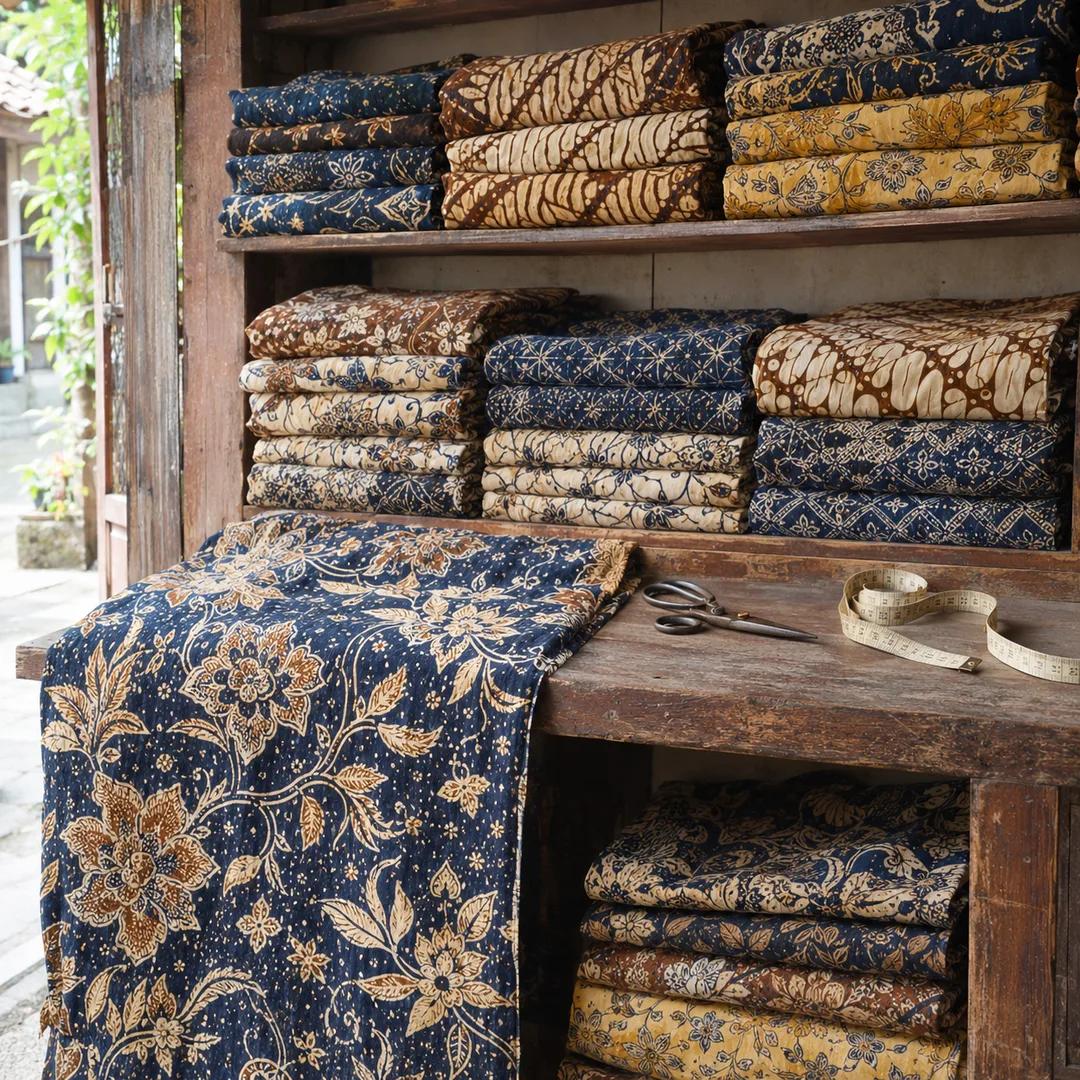
Batik made by hand with wax has a softness that printed fabric often lacks. Look at the back of the cloth; in hand-drawn and stamped batik the pattern usually shows clearly on both sides, while many prints fade on the reverse. Tiny irregularities in lines and small cracks in the dye are signs of the wax process rather than flaws.
Colour tells a story as well. Indigo blues, deep browns and creams are classic tones, while brighter shades often come from coastal styles. You do not need to be an expert, only curious. Ask sellers what they know about a piece, and enjoy the stories that come with it.
Feel the weight in your hands as well. Older cotton batik often has a soft, slightly worn hand that drapes well, while some silks and blends feel crisp. Neither is better, but each suits a different garment, and knowing the difference helps you pick a cloth that matches the outfit you have in mind.
Planning a Relaxed Afternoon Route
Begin in the quieter streets near the mosque, where older textile shops tend to sit, and work outward toward the busier boutique lanes. Walk once to look and once to buy, just as you would with furniture. Batik can be seductive, and the first beautiful length is rarely the right one.
Afternoons on weekdays are usually calmer than weekend evenings, when the lanes fill with visitors. Bring water, a small towel and an umbrella, since tropical rain can arrive quickly and fabric shopping is far easier when you are not rushing for shelter.
Sarongs, Shirts and Lengths of Cloth
Secondhand textiles appear in several forms. Finished sarongs and kain panjang can be worn as they are or tied in new ways. Vintage batik shirts are a simple choice for men and work well at most receptions. Uncut lengths of cloth give you the most freedom, since a tailor can turn them into a dress, a skirt, a top or a tailored shirt.
Measure what you need before you buy. A tailor can tell you how much fabric a design requires, and taking that number with you avoids the disappointment of a perfect cloth that is just too short.
Checking Condition in Older Fabric
Unfold every piece fully and hold it up to the light. Look for small holes, thin patches, rust marks from old pins and fading along fold lines. Smell the cloth gently, as a musty smell can mean damp storage.
Minor flaws can often be placed in seams or hidden in folds by a skilled tailor. Weak or brittle fabric, however, may tear when sewn, so test it by pulling very gently between your hands.
Ask how the seller has stored and cleaned the cloth. Some textiles have been kept folded for years, and a careful hand wash in cool water is often enough to revive them.
Working With a Tailor
Give yourself time. A tailor needs a few fittings for a good result, so start the process well before the wedding date. Bring a photo of the style you have in mind and talk through how the pattern should sit on your body, since placement of a bold motif can change the whole look.
Ask your tailor to wash or pre-shrink the fabric if needed, and discuss lining for comfort in the heat. A light cotton lining can make a vintage cloth far more pleasant to wear through a long reception.
Mosque Manners and a Lane Walk
The golden dome of the Sultan Mosque anchors the quarter, and many visitors stop to admire it. If you plan to step inside, dress modestly, remove your shoes at the entrance and avoid visiting during prayer times. Speak softly and follow any guidance from mosque volunteers.
From there, wander through the colourful shophouse lanes with your fabric in a cloth bag. The murals, small cafes and quiet back streets make a pleasant end to the afternoon, and there is always another doorway with a shelf of cloth worth a look.

Wearing It on the Day
Try on the finished outfit a few days before the wedding and walk around in it. Check how it feels when you sit, eat and hug relatives. Batik breathes well in the heat, but a tight fit can still be uncomfortable after hours of celebration.
Keep accessories simple so the fabric can speak. A plain pair of shoes, a small bag and minimal jewellery let the pattern carry the outfit, and guests will often ask where the cloth came from.
Who This Plan Suits
This crawl suits wedding guests who want something more personal than a mall outfit, newcomers to Singapore keen to learn about regional textiles, couples planning matching outfits and anyone who loves fabric. It also works for families shopping together for a celebration, since there is something for every age.
It is less suited to someone who needs an outfit for this weekend. Vintage textiles and tailoring both take time, so begin early and let the crawl be part of the celebration itself.
Ask Karpo for more information.
Keep reading
- Chinatown Batik Canting Pen Picker: Fine Spouts for Silk
 Tiong Bahru Batik Canting Pen Picker: Handles and Bowls
 Katong Batik Canting Pen Picker: Wide Spouts for Wave Fills