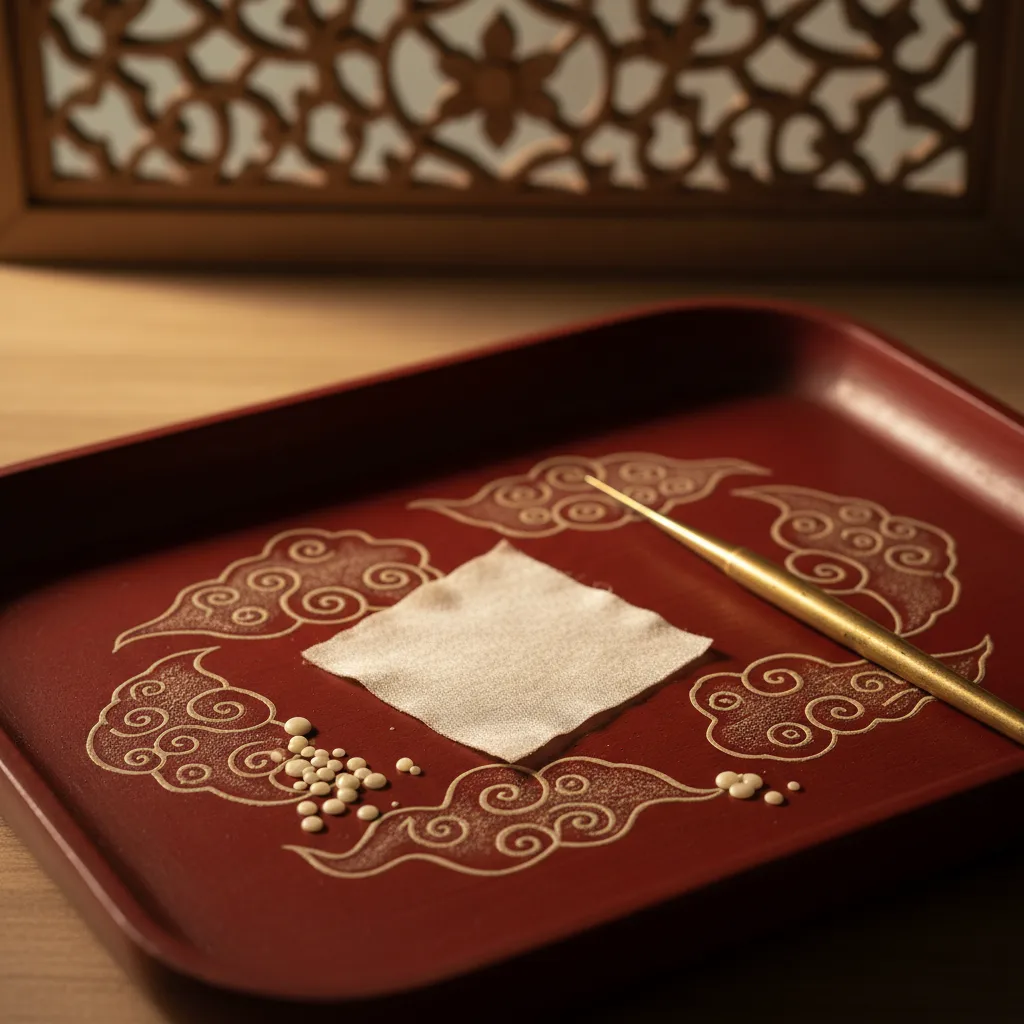
 Chinatown Batik Canting Pen Picker: Fine Spouts for Silk
Hidden Gems & Odd Finds
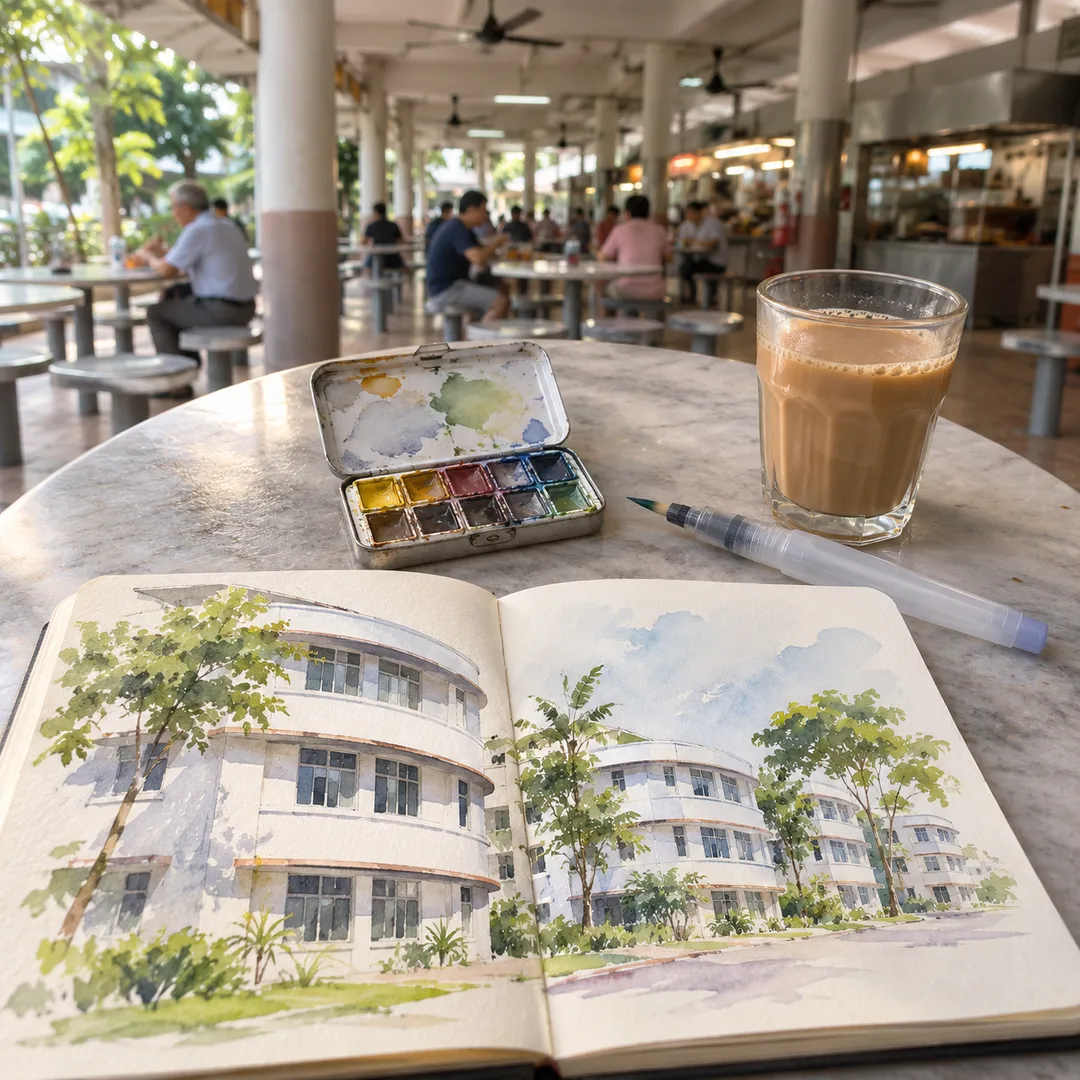
Tiong Bahru Stationery Shop Crawl Planner: Travel Journals
Keeping a travel journal in Singapore? This Tiong Bahru stationery crawl pairs a notebook hunt with a hawker breakfast and an Art Deco sketch walk to remember.
A stationery shop crawl planner for Tiong Bahru suits visitors who want to remember Singapore on paper, not only in photos. The estate's curved Art Deco flats, independent shops and busy market give you a notebook, a breakfast table and something worth drawing within a few quiet streets.
Why Tiong Bahru Works for Journal Keepers
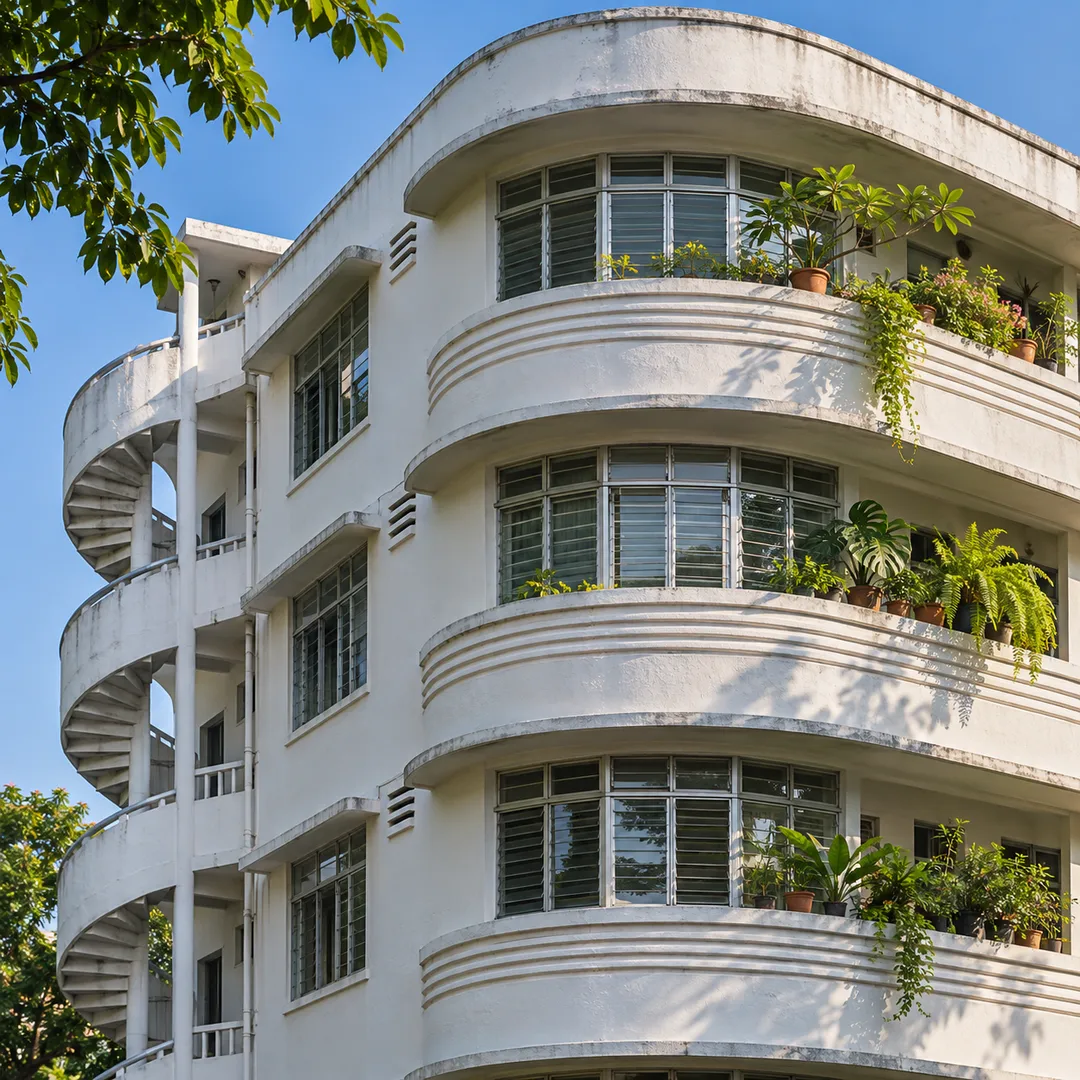
Tiong Bahru was one of Singapore's first public housing estates, and its low white flats with rounded corners still look like nothing else in the city. For someone keeping a travel journal, that matters. You have shapes to draw, quiet streets to sit in and a neighbourhood that rewards slow looking.
It is also compact. You can walk the whole estate in under an hour, so a journal morning does not need a map full of stops. The independent shops and cafés tucked into the ground floors give you everything you need without a trip to a mall.
Choosing the Right Notebook
Start by finding the notebook. The small independent shops in the estate tend to carry thoughtful paper goods, notebooks with thick pages, dot grid inserts and covers that do not scream souvenir. Hold a few and open them flat on the counter before you decide.
Think about how you journal. If you paint, choose heavier paper that will not buckle when wet. If you mostly write, a lighter notebook with more pages lasts the whole trip. Pick a size that fits your day bag, because a beautiful journal left in the hotel records nothing.
A Small Kit to Carry
Keep the kit tiny. A pen that does not smudge, a pencil, a glue stick and a small tin of watercolours with a water brush will cover almost everything. Add a few envelopes or a clear pocket for receipts, tickets and paper bags you want to stick in later.
Singapore is humid, so keep your notebook in a zip pouch when you walk. Sudden rain and sweaty hands are the two biggest threats to a travel journal here. A clip to hold pages open in the breeze from the ceiling fans is a small luxury you will be glad of.
Breakfast Above the Market
Once you have your notebook, head to the market building. The wet market downstairs is busy in the morning, and the hawker centre upstairs is where locals eat breakfast. Order a kopi and something simple, then claim a table near the edge where the light is good.
This is a perfect first page. Write down what you ordered and how the stallholder called out the drink. Note the sounds, the clatter of cups, the radio, the aunties chatting. Small details like these are what make a journal worth reading years later.
Packet Tissues and Table Manners
You may see packets of tissue lying on empty tables. That is a local way of reserving a seat, and it is good manners to leave those tables alone. Look for a clear table, and if you are sharing with strangers, keep your journal kit compact so it does not spill across.
Do not linger too long at peak hours. Hawker tables turn over fast, and someone with a tray is always looking for a seat. Finish your page, clear your cups to the return point and move on to sketch outside, where you can take your time.
Sketching the Art Deco Flats
Walk the streets around the market and look up. The flats have curved balconies, ribbed bands and spiral staircases at the back that make lovely subjects. Choose one corner and sit on a bench or a low wall in the shade to draw it.
You do not need to be skilled. A quick line drawing that captures the curve of a balcony says more about Tiong Bahru than a perfect photo. Add one colour, maybe the green of the plants on the ledges, and write a line about the weather while you were drawing.
Respecting the People Who Live Here
Tiong Bahru is a real neighbourhood, not a theme park. People live in these flats, hang laundry from these balconies and park their bikes in these back lanes. Keep your voice low, do not block stairways and never sketch or photograph into open windows.
If a resident stops to look at your drawing, say hello. Older residents sometimes share a memory of how the estate used to be, and that kind of conversation is pure gold for a journal. Write it down afterwards in their words, as closely as you can remember.
Collecting Bits for Your Pages
Part of the fun of journaling is gluing things in. A paper bag from a bakery, a receipt from the kopi stall or a small card from a shop all help tell the story. Ask before taking anything that is not yours, and keep these bits flat in your pocket envelope.
Avoid sticking things in on the spot. Humid air and fresh glue do not mix well. Collect during the day and do the gluing back at your hotel, where you can press the pages under a heavy book overnight and keep them neat.
A Second Shop After Lunch
After lunch, revisit the shops with fresh eyes. You may notice postcards, stamps, washi tape or a small print that would suit the pages you have already filled. This is the time to buy decorative extras, because now you know what your journal actually needs.
Keep a soft limit. It is easy to buy so many stickers and tapes that the journal becomes a scrapbook of products rather than a record of your trip. One or two extras that echo what you saw in the estate are enough.
When It Rains in Tiong Bahru
Afternoon storms are common in November and December. When the sky darkens, head under the five foot ways or back up to the hawker centre. Rain is a great journaling moment, since the estate sounds and smells completely different when it pours.
Use the time to write longer entries. Describe the morning in full sentences, add colour to your sketches and plan the next day. A rainy hour in a covered market with your notebook open can be the most memorable part of the trip.
Keeping the Habit Going After Tiong Bahru
The point of a journal morning is to start a habit you carry through the trip. Before you leave the estate, write a short plan for your next pages, perhaps a hawker breakfast in another neighbourhood or a sketch of shophouses in Chinatown or Joo Chiat.
Set a small goal, such as one page a day, and keep it. Even a few lines and a quick sketch each evening add up. By the end of the trip you will have a book that captures Singapore in a way no phone gallery can.
Finding Your Next Stationery Stop
Once you have filled a few pages, you may want more paper, a different pen or a new set of paints. Singapore has many small stationery and art shops spread across its neighbourhoods, and each one can become a new chapter in your journal.
Use the Karpo APP to find stationery shops near wherever you are staying and save the ones that suit your style. Pair each visit with a new breakfast spot and a new street to sketch, and your journal will grow into a real map of the city.
Ask Karpo for more information.
Keep reading
- Chinatown Batik Canting Pen Picker: Fine Spouts for Silk
 Tiong Bahru Batik Canting Pen Picker: Handles and Bowls
 Katong Batik Canting Pen Picker: Wide Spouts for Wave Fills