 Chinatown Batik Canting Pen Picker: Fine Spouts for Silk
Hidden Gems & Odd Finds
Little India Stationery Shop Crawl Planner: Colour Studies
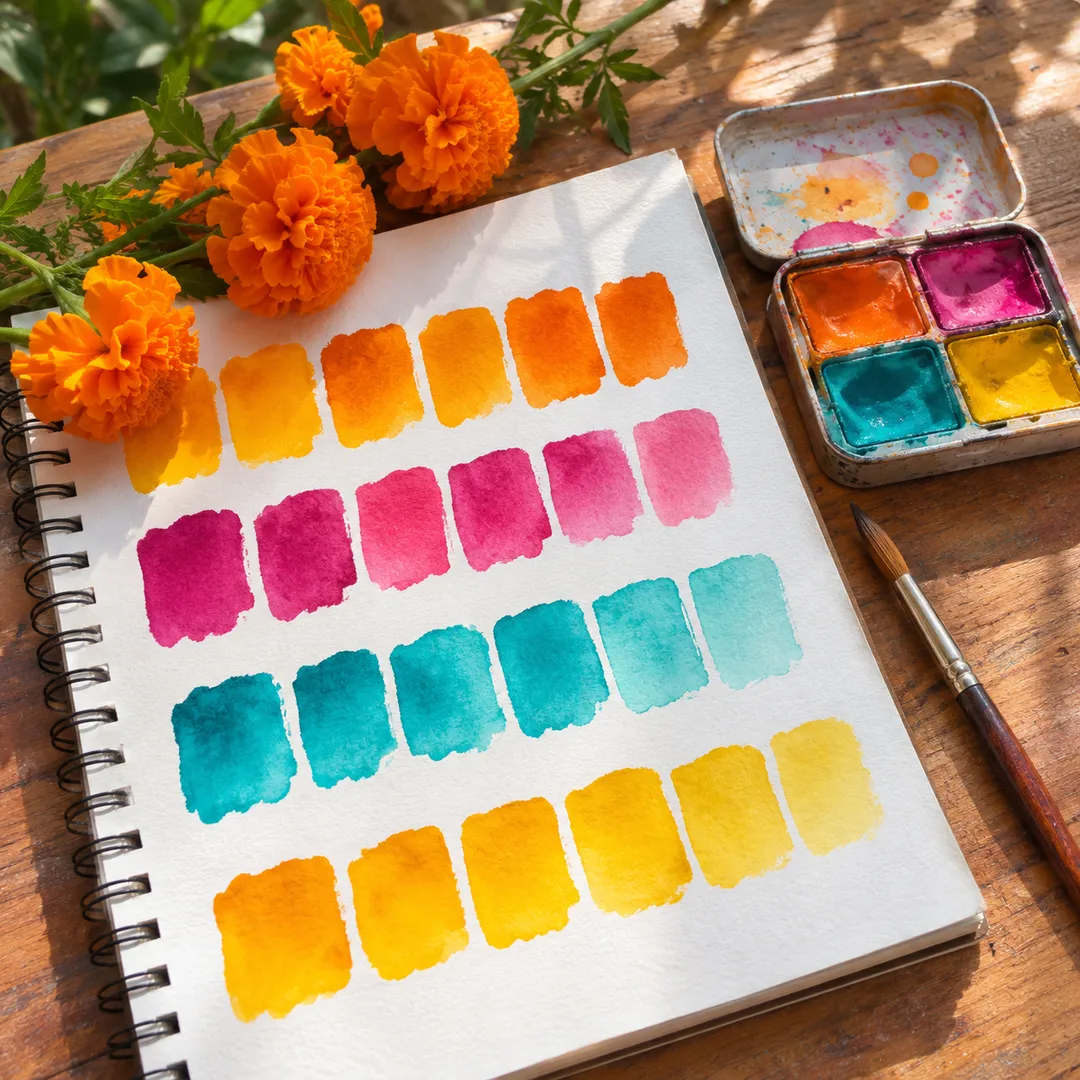
Studying colour in Singapore? This Little India stationery crawl gathers paints and papers, then turns garland stalls and temple walls into a swatch sketchbook.
A stationery shop crawl planner for Little India is a gift for art students and anyone learning to see colour. The neighbourhood glows with marigold garlands, painted temple towers and bolts of bright fabric, and a sketchbook filled here teaches more about colour than a week of textbook exercises.
Why Little India Teaches Colour
Little India is one of the most colourful neighbourhoods in Singapore. Flower stalls string marigolds and jasmine into garlands, temple towers are painted with gods and animals in vivid blues and reds, and fabric shops stack sarees in every shade you can imagine. For anyone learning colour, it is a living palette.
The colours also sit next to each other in combinations a student might never try on their own. Orange beside magenta, turquoise beside gold, deep green beside hot pink. Seeing these pairs in real light, on real objects, changes how you think about what works together.
Set a Simple Goal for the Day
Pick one question before you go. It might be how warm colours sit next to each other, how gold looks against different backgrounds or how shadows change bright colours in the tropical sun. A single question keeps the sketchbook focused and stops the day from turning into random photos.
Write the question on the first page. At the end of the crawl, look back and see what you learned. Most students find that one clear question produces better work than trying to capture everything at once.

What to Bring and What to Buy
Bring a small watercolour or gouache set, a water brush and a sketchbook with paper that can handle wet media. If your kit is missing something, the art and stationery shops in and around the neighbourhood can fill the gap. Look out for coloured papers and card in festive shades, which are easy to find here.
Buy a few sheets of bright coloured paper rather than more paint. Cutting small swatches and gluing them into your sketchbook beside your painted versions is a quick way to see how close you got. It also makes the pages fun to flip through later.
Starting at the Garland Stalls
Begin where the colour is freshest. The flower stalls around Serangoon Road and the covered market areas are busiest in the morning, when garlands are being strung for temples and homes. Stand back out of the way and paint swatches of the oranges, yellows and whites you see.
Notice how the colours change through the day. Marigolds look different under shade and in direct sun, and jasmine shifts from bright white to cream as it wilts. Paint the same flower twice if you return later, and compare the two swatches side by side.
Being a Considerate Visitor
Flower stalls and shops are working businesses, so keep your sketching kit compact and never block a counter. If you want to paint a stall up close, ask first with a smile. Many stallholders are happy to let you sit nearby, especially if you buy a small garland or a few flowers.
Temples are places of worship. Dress modestly, remove shoes where asked and follow any signs about photography. Paint the towers from the street rather than inside, and keep your voice and movements calm. Respect makes the neighbourhood welcome you back.
Painting the Temple Towers
The temple towers in Little India are covered in painted figures, and each one is a lesson in colour. Find a shady spot across the street and look closely at how the painters used bright blues, greens and reds side by side. Paint small rectangles of each colour rather than trying to draw the whole tower.
Pay attention to the way gold is used. It catches the light differently from flat paint, and many students struggle to show it. Try a mix of yellow ochre and a touch of white, or bring a small metallic pen for a quick note of shine.
A Masala Tea Break
Midway through the morning, take a break at a coffee shop or an Indian café. A glass of masala tea or a cold lassi gives your hands a rest and lets you look over the pages so far. The tables are also a good place to tidy your swatches and add notes.
Use the break to write what each colour reminds you of. Saffron might be a garland, a saree border or a spice tin. These words help you remember the scene and give your future art projects a richer vocabulary than simple colour names.
Fabric Shops as Colour Libraries
Saree and fabric shops stack rolls of cloth from floor to ceiling, and the effect is like walking inside a colour wheel. Ask politely if you can look at a few rolls and notice how the borders often use contrasting colours to frame the main shade. This is a useful idea to try in your own work.
You do not need to buy fabric, but a small offcut or a ribbon can make a great reference to glue into your sketchbook. Many students keep a page just for textures and borders, which become a source of ideas for later projects.
Lunch at Tekka Centre
Tekka Centre is a well-known hawker centre on the edge of the neighbourhood, and it makes a good lunch stop. The food stalls offer their own colours too, from turmeric yellow rice to deep red curries and green chutneys. Paint a swatch of your lunch before you eat it.
Keep paints and food apart. Pack your palette away before your plate arrives and wipe your hands before you pick up the sketchbook again. Turmeric stains are hard to remove from paper, as many students learn the hard way.
Turning Swatches into a Project
Back home, sort your swatches into groups. You might find a warm group of oranges and yellows, a cool group of blues and greens and a group of strong contrasts. Each group can become the palette for a small painting, a poster or a piece of textile design.
Try painting a small scene using only the colours from one group. Limiting yourself like this teaches more about colour harmony than having every tube in the box. Many art teachers use exactly this exercise, and Little India gives you the raw material.
Visiting During Festival Season
During festival periods, such as the weeks around Deepavali, the neighbourhood fills with lights, decorations and crowds. It can be wonderful for colour study, but plan for busier streets. Arrive early, pack light and expect more people at the garland stalls.
The festive light-up along Serangoon Road is especially striking after dark. If you stay into the evening, paint a few night swatches and compare them with your daytime pages. The difference between natural and artificial light is a lesson in itself.
Planning Your Next Colour Walk with Karpo APP
Once you have a Little India sketchbook, you may want to try the same exercise somewhere else, such as the pastel shophouses of Joo Chiat or the greens of the Botanic Gardens. Karpo APP can help you plan a colour walk around the light, the season and the time you have.
You can also ask Karpo APP for a quiet café to work on your pages afterwards or a covered route for a rainy afternoon. Good colour study needs good light and calm time, and a little planning helps you get both.
Ask Karpo for more information.
Keep reading
- Chinatown Batik Canting Pen Picker: Fine Spouts for Silk
 Tiong Bahru Batik Canting Pen Picker: Handles and Bowls
 Katong Batik Canting Pen Picker: Wide Spouts for Wave Fills