 Chinatown Batik Canting Pen Picker: Fine Spouts for Silk
Hidden Gems & Odd Finds
Chinatown Stationery Shop Crawl Planner for Calligraphy Kits
Learning calligraphy with family in Singapore? This Chinatown stationery crawl finds brushes, ink and red paper, then ends with a practice session over tea.
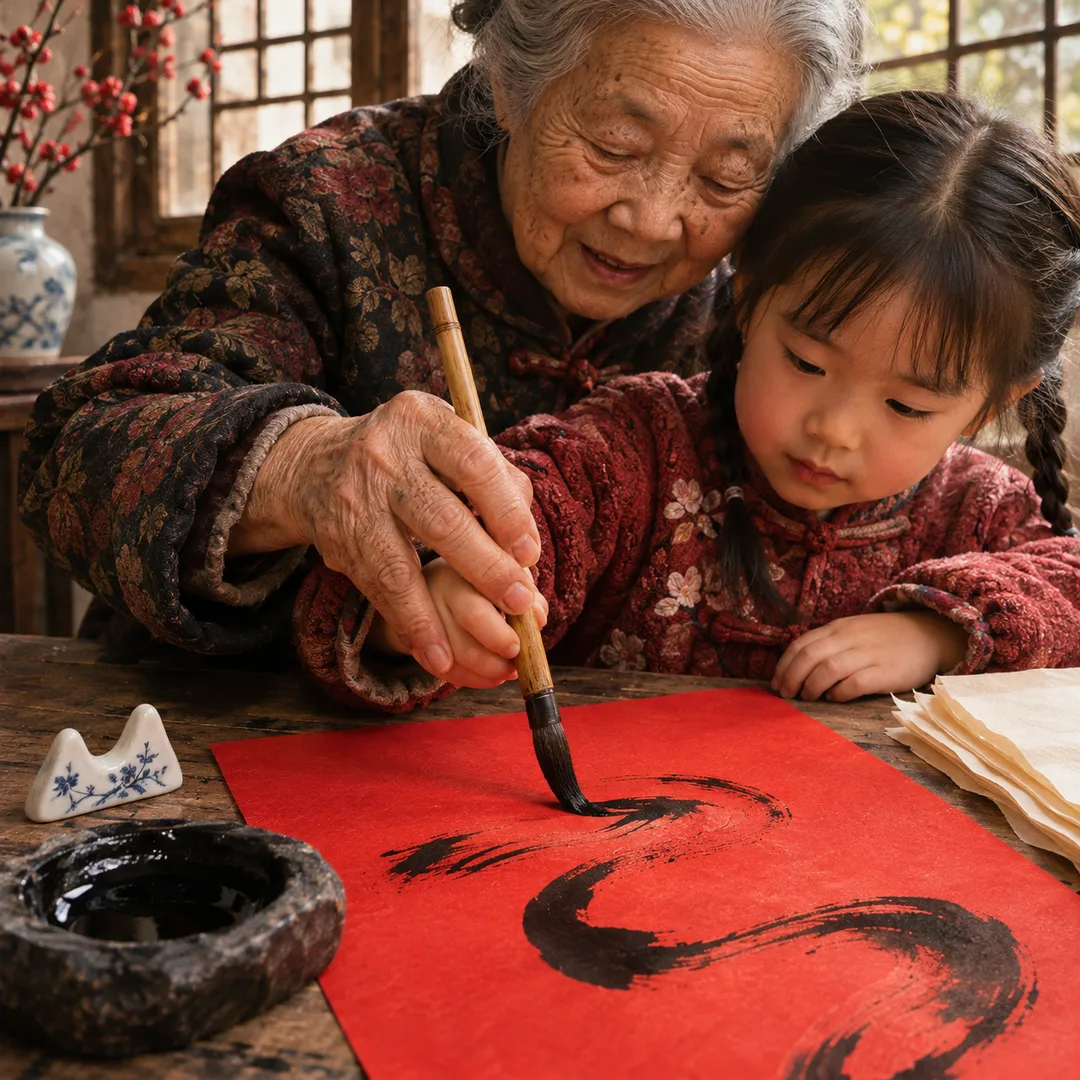
A stationery shop crawl planner for Chinatown works best when two generations share it. A grandparent who learned brush writing at school and a grandchild who has only ever typed can find brushes, ink and red paper in the neighbourhood's older complexes, then sit down together and write their first characters.
Why Chinatown Suits a Calligraphy Morning
Chinatown is one of the few places in Singapore where brush writing still feels like part of everyday life. Older shops in the low-rise complexes keep brushes in jars and rolled paper behind the counter, and the people who run them often know exactly what a beginner needs. You are not shopping in a gallery. You are shopping where neighbours have bought red paper for their doors for decades.
The other reason is the pace. A grandparent can rest between stops, a child can watch the temple roofs and the lanterns, and nobody has to rush across the city between shops. Everything you need for a first lesson sits within a slow walk, with places to sit and eat along the way.
Who Leads the Hunt
Let the grandparent lead. Many older Singaporeans practised brush writing as children, and walking into a supply shop brings the vocabulary back fast. They will remember whether they liked a soft goat hair brush or a firmer wolf hair one, and how thin the practice paper used to be. That memory is worth more than any online guide.
Give the child a job too. They can carry the shopping bag, keep a short list on a phone and choose the colour of the paper for the finished piece. When both people have a role, the morning feels like a project you share rather than an errand one of you is dragged along to.
The Three Things to Find
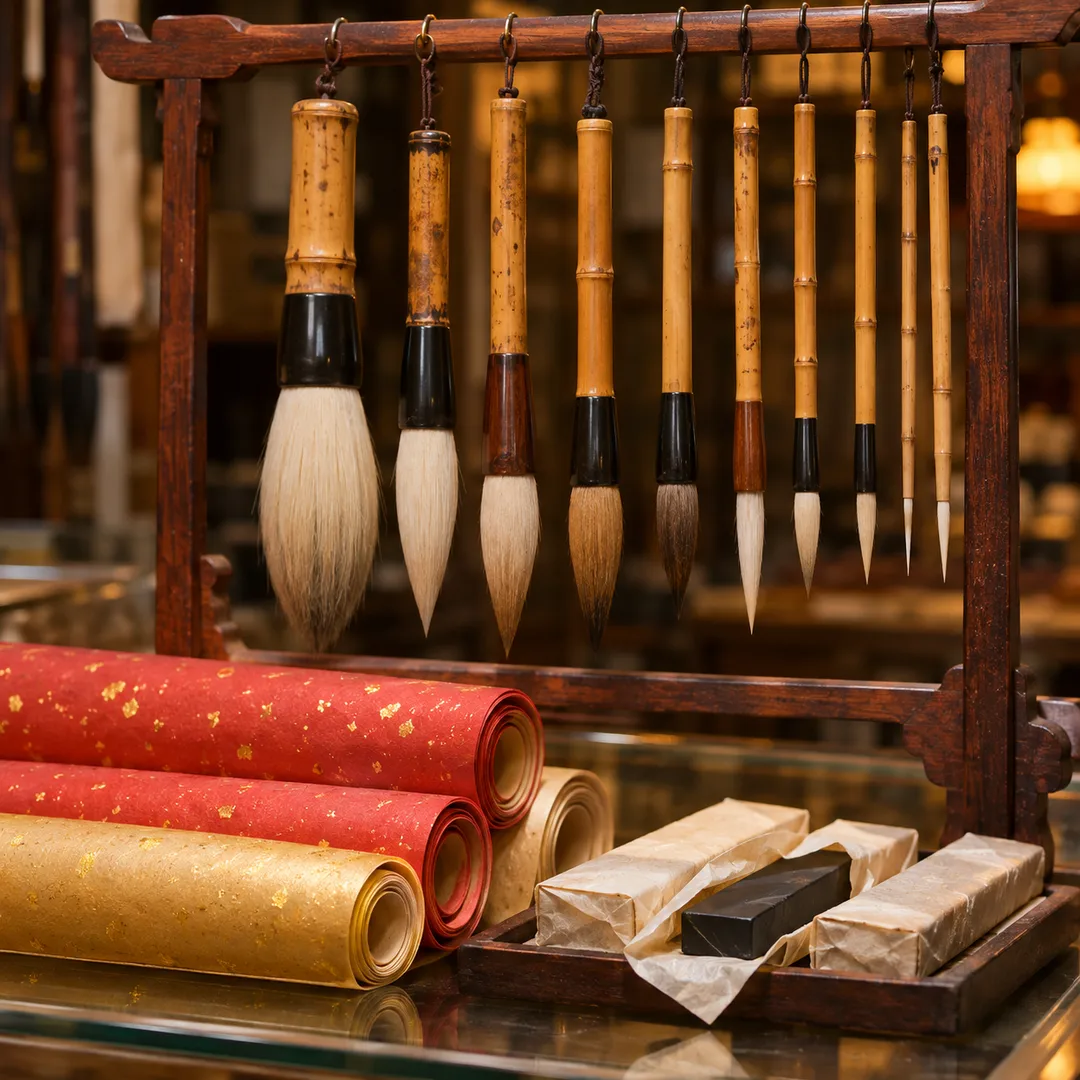
A first kit needs only three things. One medium brush that holds a good amount of ink, a bottle of ready-ground ink or a small ink stick with a stone, and a pad of thin practice paper. Shopkeepers will usually let you hold a brush and feel the tip spring back, so ask before you choose one.
Leave the special red paper for last. Practice paper is for mistakes, and there will be many. Red paper, often flecked with gold, is for the one or two characters you want to hang at home. Buying it at the end means the child chooses it after they have tried a few strokes and know how big they want to write.
Reading the Shops Without Rushing
The older complexes can feel crowded with goods, and that is part of the charm. Stationery sits next to temple offerings, festive decorations and household things. Walk the corridors once just to look, then go back to the shops that caught your eye. A grandparent will often spot the right counter faster than any map.
Speak simply and ask for help. Saying that you are buying for a child who is starting out is enough. Shopkeepers tend to steer beginners towards forgiving brushes and paper that does not bleed too much. If one shop does not have what you want, the next corridor often does.
A Tea Break Between Stops
Plan a break in the middle. A cup of tea or a cold soya drink at a hawker centre gives an older walker a rest and gives a child something to look forward to. It is also a good moment to unwrap the brush, look at the hairs and talk about how the grandparent learned at school.
Hawker tables are not the place to open ink, so keep the kit sealed until you reach home or a quiet corner. Use the break for stories instead. Children remember the morning more clearly when it comes with a story about the classroom, the teacher and the first character a grandparent ever wrote.
Looking at Writing on the Walls
Chinatown is full of brush writing if you look up. Shop signs, temple boards and the couplets beside doorways show the same strokes your kit is made for. Walk slowly past the temples on South Bridge Road and point out how thick and thin lines come from one brush pressed and lifted.
Turn it into a small game. Ask the child to find a character with lots of horizontal lines, or one that looks like a little house. The grandparent can explain what it means. By the time you sit down to practise, the child already knows that calligraphy is about rhythm, not about drawing each line carefully.
Respecting Temples and Neighbours
The temples here are places of worship first. Keep voices low, follow any signs about photography and step aside for people who have come to pray. A child who is told this before entering usually rises to the occasion and enjoys feeling grown up.
The same goes for the housing blocks and shop corridors. People live and work here every day. Keep the shopping bag close in narrow aisles, do not block doorways while you chat and thank the shopkeepers in whatever language you share. Good manners make the next visit even warmer.
Setting Up Your First Lesson
Back home, cover the table with newspaper and lay out the practice paper on a soft surface such as a folded towel. Pour only a little ink into a saucer. Show the child how to hold the brush upright, with the fingers loose and the wrist free, and let the grandparent demonstrate the first stroke.
Start with the simplest character, the single horizontal line for one. Then try two and three. These are easy to read and give a child quick wins. After that, move on to a character with meaning for your family, such as the one for good fortune that many homes hang near the door.
Making Mistakes on Purpose
Tell the child that the first sheets are meant to be messy. Brush writing rewards practice, and a page of wobbly lines is progress, not failure. Grandparents who learned in strict classrooms sometimes need reminding of this too, so laugh at the blots together.
Keep the sheets in a pile and date the back of the best one each day. Over a week or two you will see the strokes settle. That pile becomes a small record of time spent together, which may matter more than the finished piece itself.
Writing a Couplet for the New Year
If the lunar new year is approaching, aim for something to hang. Many families put up red paper with short wishes on either side of the door. A child can write a single character on a square of red paper, while a grandparent takes on a longer phrase, and both pieces can go up side by side.
Let the ink dry flat for a full day before you hang anything. Thin paper wrinkles if it is lifted too early. Use removable tape so the walls stay clean, and take a photo of the two writers standing next to their work. It will be the picture everyone asks for later.
When the Weather Turns
Singapore afternoons often bring heavy rain, and Chinatown handles it well. Many of the shopping complexes are covered, and the five-foot ways in front of the shophouses keep you dry between blocks. Keep paper purchases inside a plastic bag, because rolled red paper marks easily when wet.
If the rain settles in, treat it as a sign to go home and start practising. A wet afternoon with a pot of tea, a saucer of ink and a stack of practice paper is a very good way to spend the rest of the day.
Planning the Next Visit with Karpo APP
Once the first kit runs low, you will want more paper, a second brush size or a seal for signing finished pieces. Karpo APP can help you plan a return trip around what you need and who is coming, with rest stops and covered routes for an older walker.
You can also ask Karpo APP for ideas that pair with the hobby, such as a calm tea house for a practice session or a quieter weekday morning in the neighbourhood. The best calligraphy days are the ones where nobody feels rushed, and a little planning makes that easy.
Ask Karpo for more information.
Keep reading
- Chinatown Batik Canting Pen Picker: Fine Spouts for Silk
 Tiong Bahru Batik Canting Pen Picker: Handles and Bowls
 Katong Batik Canting Pen Picker: Wide Spouts for Wave Fills