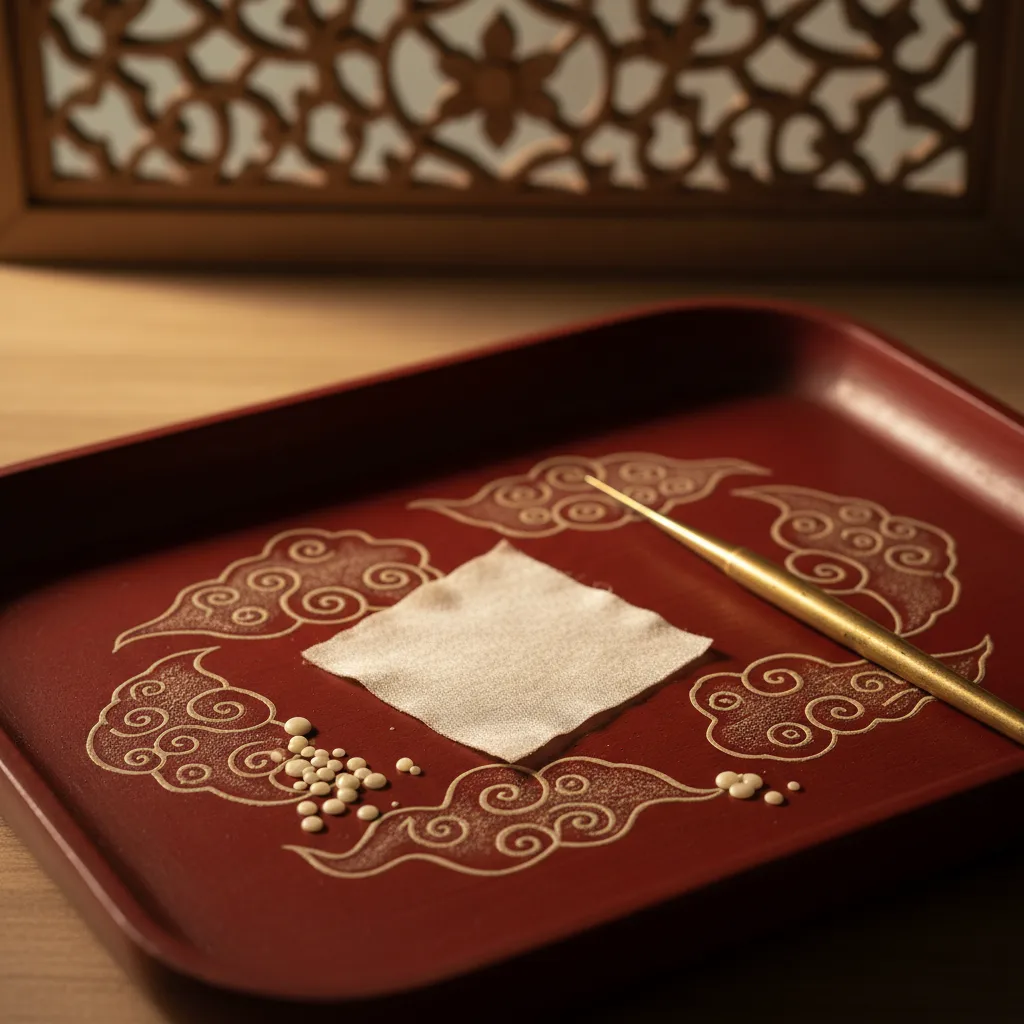
 Chinatown Batik Canting Pen Picker: Fine Spouts for Silk
Hidden Gems & Odd Finds
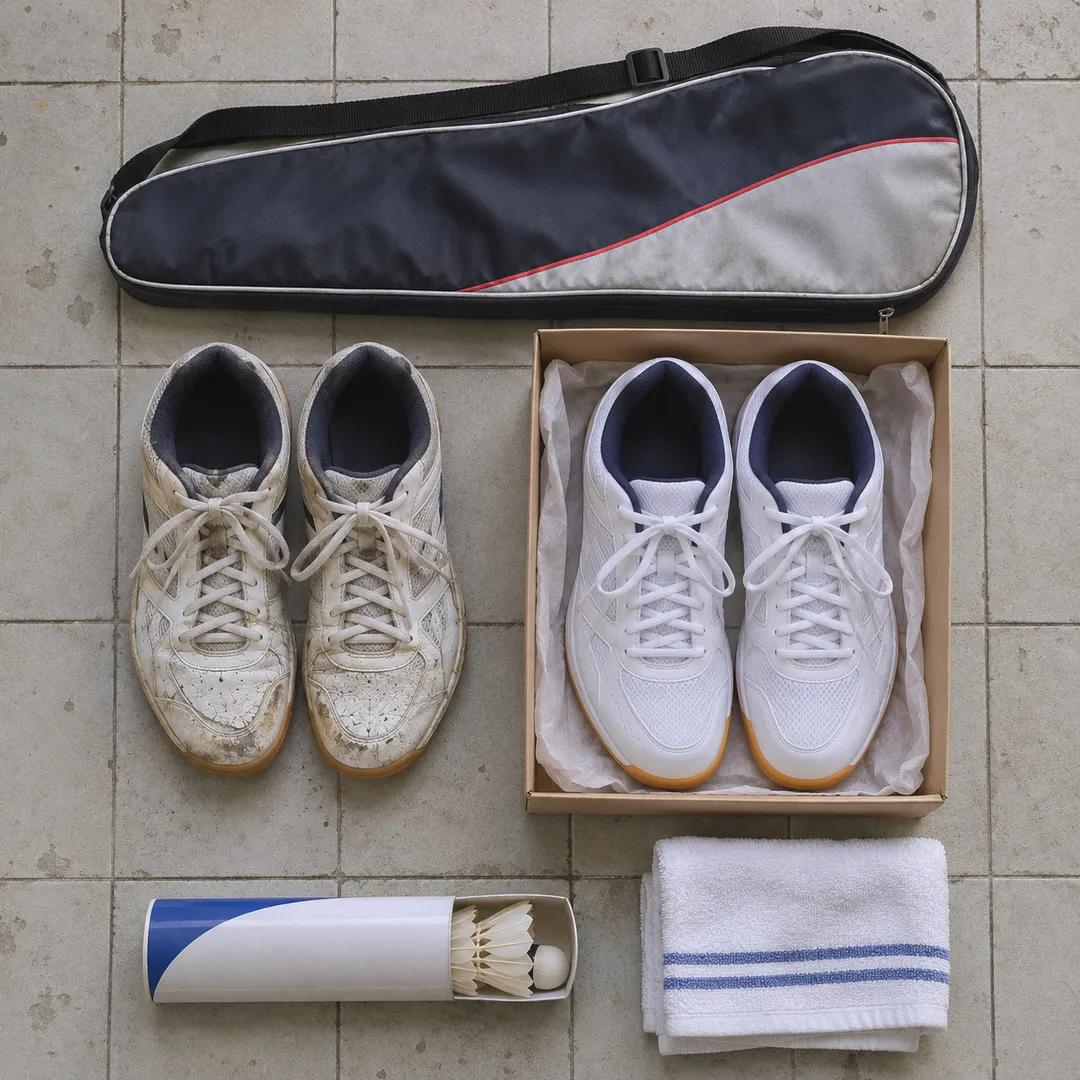
Serangoon Sneaker Shop Crawl Planner for Badminton Players
Serangoon badminton players can replace worn court shoes in one afternoon: test pairs near the interchange, compare in the Gardens, then refuel at Chomp Chomp.
Serangoon runs on weekend badminton. Old classmates take over community club halls on Saturday mornings, office groups rent school courts after dinner, and somebody always has a pair of court shoes with a toe worn through. This sneaker shop crawl planner is for that player: one afternoon to test replacement pairs around the interchange, compare a second opinion in Serangoon Gardens, and end the day with supper at Chomp Chomp before the next game.
Why Court Shoes Deserve Their Own Afternoon
Badminton is hard on shoes in a very particular way. Every lunge drags the front of the sole across the floor, every recovery step loads the outside edge, and a long rally of side shuffles flattens the cushioning under the ball of the foot. A pair that still looks clean from above can be bald underneath. Buying a replacement on the way to a game, in five minutes, is how players end up with the wrong fit for a year.
Giving the search its own afternoon changes the result. You can try pairs from two or three brands side by side, move the way you move on court, and walk away from anything that feels loose at the heel. Serangoon makes this easy because the sports shops cluster around the interchange, while the Gardens offer a calmer second look and good food within a short bus ride.
Read the Old Pair Before You Leave Home
Turn your current shoes over on the kitchen floor before you go. Look for the spot where the pattern has worn smooth, usually under the big toe on your racket side, and check whether the toe cap has split from all the dragging. Squeeze the heel counter. If it folds easily, the shoe has stopped holding your foot, and that is often the real reason your ankle has started to feel unsteady.
Bring that old pair with you in a bag. Shop staff who play the game can read the wear pattern faster than any description, and it tells them whether you need more toe protection, a firmer outside wall, or simply a half size more room. Pack the socks you actually play in too, since thin office socks will make every new shoe feel roomier than it will on court.
Starting at the Sports Shops Around the Interchange
The big mall sitting above Serangoon interchange is the natural first stop. Its sports and sneaker shops carry a mix of court shoes, runners and lifestyle pairs, so you can see the categories next to each other and understand how different they feel in the hand. Court shoes tend to be lower and flatter, with a wider base and a gum rubber sole that grips without leaving marks on a hall floor.
Treat this first stop as a survey rather than a decision. Try on at least three court models, note which ones pinch at the little toe, and ask whether any come in a wide version. Many players in Singapore have broad forefeet and only discover a wide fit exists when a staff member brings one out. Write down the two that felt best before moving on.
Testing a Court Shoe Without a Court
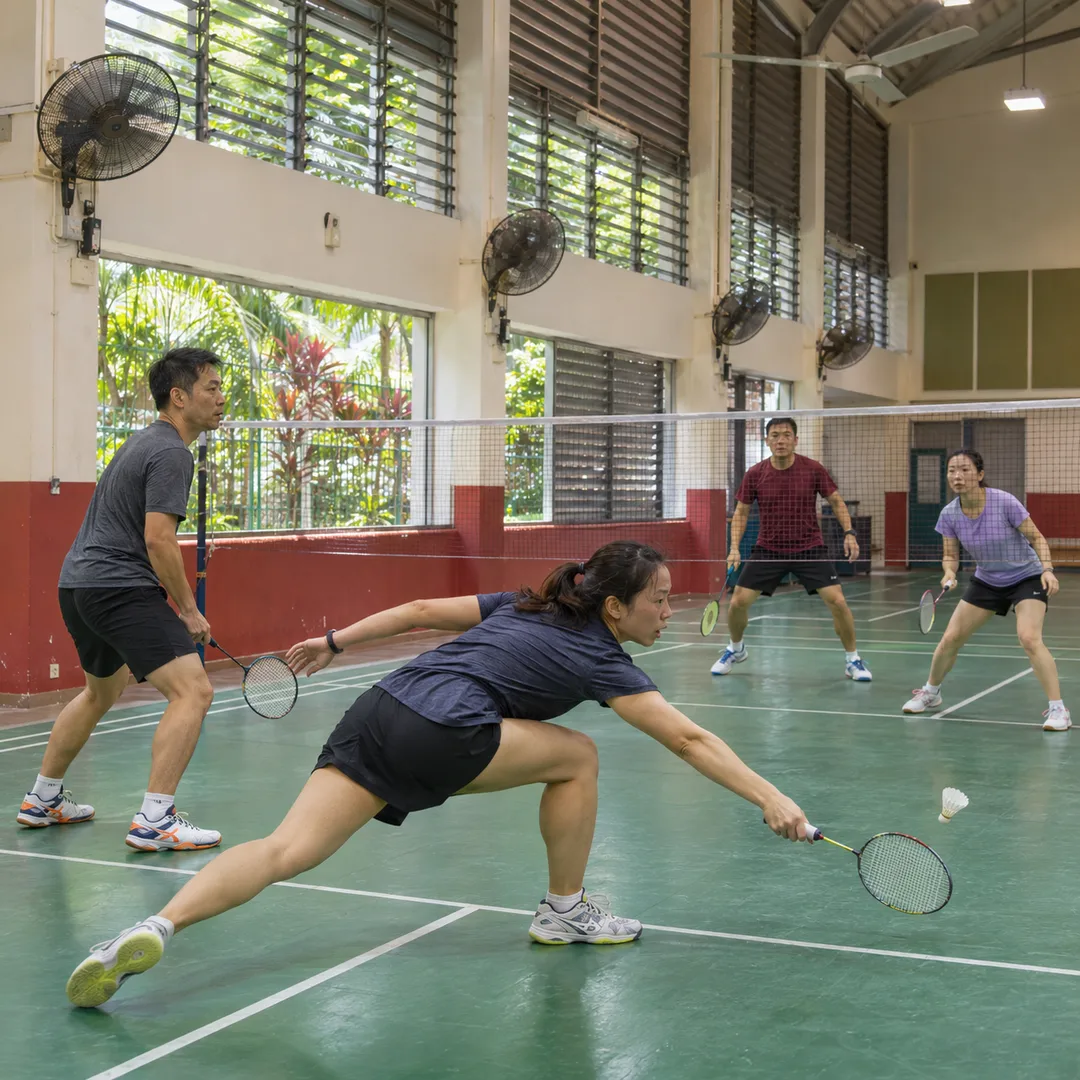
Shop floors are not badminton halls, but you can still learn a lot in a few square metres. Lace the shoe fully, using the top eyelet, then do slow side shuffles, a forward lunge with your racket leg and a quick push back to the centre. Your heel should stay put, your toes should not slam into the front, and the shoe should feel stable when you land on its outer edge.
Ask before you lunge, since most staff are happy to let you move around once they know what you are testing. Pay attention to the moment you push off sideways. If the upper bulges over the sole or your foot slides inside, that pair will cost you a twisted ankle sooner or later. A shoe that feels slightly firm at first is usually fine, while one that feels sloppy never improves.
An Honest Word on Running Shoes
Skip the soft, high-cushioned running shoes, however comfortable they feel in the shop. They are built to move forward in a straight line, and their tall, rounded soles make it easier to roll an ankle when you change direction on a smooth floor. Plenty of social players wear them anyway, and plenty of them end up icing an ankle on the void deck bench after Saturday games.
There is a place for runners in this crawl, just not on court. If you also jog around the park connector or walk to the hall, a separate running pair saves your court shoes from pavement wear. Keeping the court pair for indoor play only is the single easiest way to make the grip last. The gum sole picks up dust and grit outdoors and turns slippery on polished floors.
A Second Opinion in Serangoon Gardens
Once you have two favourites, take a short bus ride or a long walk to Serangoon Gardens. The low-rise streets around the circus feel more like a small town than a shopping district, with family bakeries, older provision shops and a slower pace that suits a second look. This is where you sit down with a kopi, compare your notes and decide whether either shoe is worth a second try.
If one model still feels right after a break, that is a good sign. If you have forgotten which one you liked, neither was special. Some players use this pause to message their regular doubles partner, who often remembers which brands felt narrow or which ones split at the toe during last season. A teammate's memory is cheaper than a wasted pair.
Letting the Karpo APP Do the Scouting
Before you set out, open the Karpo APP and describe what you need in plain words, for example badminton court shoes, wide fit, near Serangoon, Saturday afternoon. Karpo can suggest sports and sneaker shops in the area, help you order the stops so the route makes sense, and point out a supper spot for the end of the day, so you are not wandering between malls guessing.
It also helps when the crawl changes halfway through. If the first shop has nothing in your size, ask Karpo for nearby alternatives in the same part of the northeast and adjust the plan on the spot. Treat its suggestions as a starting shortlist and let your own feet make the final call, since only a proper try-on will tell you whether a court shoe really fits.
Breaking In the Pair Before the Next Game
Do not debut new shoes in a competitive doubles match. Wear them around the flat for an evening, then take them to a relaxed hit with friends before your regular Saturday group. Most court shoes need an hour or two of movement before the upper softens around the toes, and you will find out early whether a seam rubs or a lace pressure point needs adjusting.
Keep the old pair in your bag for the first couple of sessions. If blisters start, you can swap halfway through the game rather than limping to the end. Once the new shoes feel settled, retire the old ones from court duty completely. Some players keep them for coaching kids or for warm-ups, which is fine, but worn grip is not worth risking in a fast rally.
Supper at Chomp Chomp to Close the Day
Serangoon Gardens has its own evening ritual, and the crawl should end there. Chomp Chomp Food Centre fills up after dark with families and badminton groups who have just finished playing, sitting at long tables under the trees with plates of satay, carrot cake, oyster omelette and tall cups of sugarcane juice. It is noisy, cheerful and exactly the right place to show off the new box.
Come early in the evening if you can, because tables go fast once the dinner crowd arrives. Order a mix of dishes to share, keep your shopping bag between your feet rather than on the bench, and stay for one more round of drinks. By the time you head home, the next game is already being planned in the group chat, and this time your shoes are ready for it.
Ask Karpo for more information.
Keep reading
- Chinatown Batik Canting Pen Picker: Fine Spouts for Silk
 Tiong Bahru Batik Canting Pen Picker: Handles and Bowls
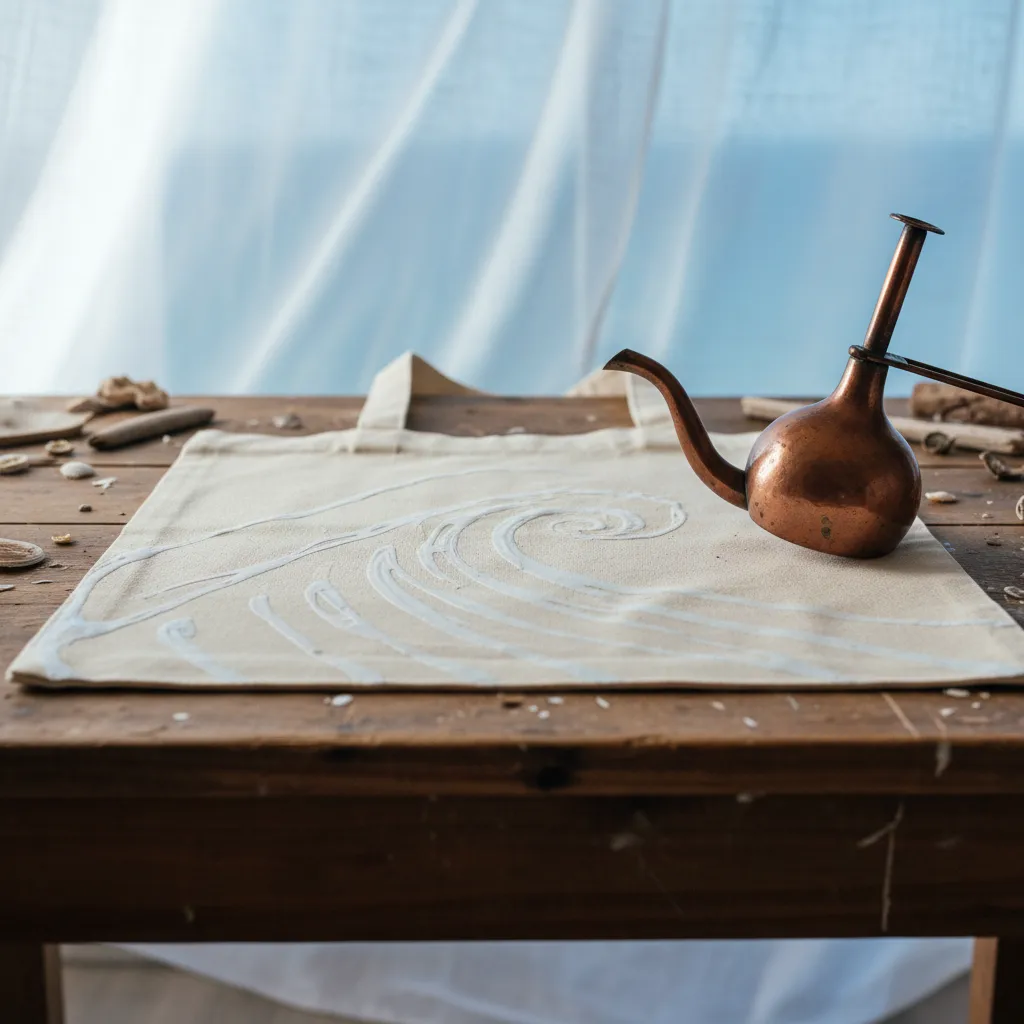 Katong Batik Canting Pen Picker: Wide Spouts for Wave Fills