 Chinatown Batik Canting Pen Picker: Fine Spouts for Silk
Hidden Gems & Odd Finds
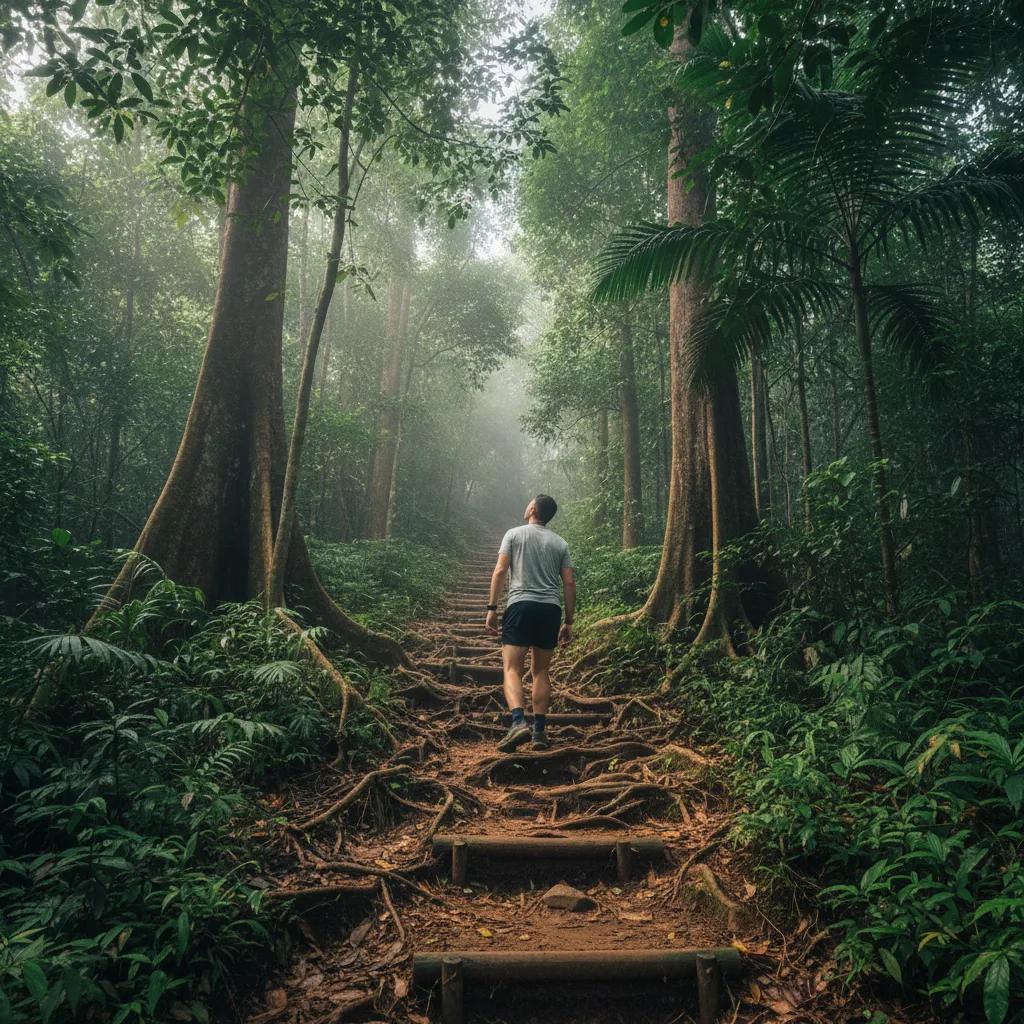
Bukit Timah Sneaker Shop Crawl Planner: Trail Shoes First
Bukit Timah is a sneaker shop crawl for new hikers: pick trail shoes in the outdoor stores near the hill, then test the grip on the nature reserve paths.
Bukit Timah is the sneaker shop crawl to plan when your everyday trainers keep slipping on Singapore's trails. The hill at the heart of the Bukit Timah Nature Reserve is the highest point on the island, and its paths are steep, rooty and often wet. Around the reserve and along Upper Bukit Timah Road you can find outdoor and sports shops that sell trail shoes. Choose a pair, then test it on the reserve paths the next morning before the heat builds.
Why Ordinary Trainers Struggle Here
Singapore's nature reserves look gentle on a map but feel very different underfoot. Bukit Timah's trails mix concrete paths, steep steps, exposed roots and loose earth that turns slick after rain. Road trainers have smooth soles designed for pavements, and on damp roots they can slide without warning. Trail shoes have deeper lugs, firmer sides and tougher toe protection, which make the climb feel safer and more enjoyable.
The crowd on the hill shows the range of needs. Early-morning regulars stride up the main road in running shoes, families with children take the gentler routes, and trail runners vanish into the side paths with mud on their calves. Many of them started in ordinary trainers and switched once they slipped on a wet root. Ask anyone at the summit marker, and they will happily tell you which shoes changed their hikes.
Shopping Near the Reserve
The area around Bukit Timah and along Upper Bukit Timah Road has sports and outdoor shops serving the hikers, cyclists and runners who use the reserve and the nearby rail corridor. Visit in the afternoon or evening before your planned hike. Tell staff which trails you plan to walk, whether you will hike or run, and how often. Ask to see trail shoes with grippy, well-spaced lugs and breathable uppers.
Fit trail shoes slightly differently from road shoes. Your foot should feel held firmly at the heel and midfoot, with some space at the toes for steep descents, when your foot slides forward. Wear the socks you will hike in. Walk up and down any slope or step in the shop. If there is no slope, rise onto your toes and lean forward to imitate a climb, and notice whether your heel lifts.
Features That Matter in the Tropics
Breathability is the most important feature for Singapore. Waterproof membranes keep water out, but they also trap heat and sweat, and in the tropics your feet will be damp anyway. Many local hikers prefer a fast-drying mesh upper that lets water drain out after a puddle or a rain shower. Look for a rubber outsole with sticky compound and lugs that are not too tall, since Bukit Timah's paths are mostly firm.

An honest opinion: skip heavy hiking boots for these trails. They are made for rocky mountain terrain and cold weather, not short humid climbs in a tropical rainforest. In Singapore's heat they are tiring and hot. A light trail running shoe or a low hiking shoe is plenty for Bukit Timah and the nearby reserves. Save boots for trips abroad where the terrain and climate really call for them.
Think about laces and socks as part of the purchase. Many trail shoes come with quick-pull laces that stay tight on climbs, while others use ordinary laces that can loosen on a long descent. Ask staff to show you a heel-lock lacing pattern, which keeps your foot from sliding forward on Bukit Timah's steep downhill sections. Pair the shoes with thin, moisture-wicking socks rather than thick cotton ones, which soak up sweat in minutes and cause blisters in the humid forest.
Testing Your Pair on the Hill
Go early the next morning, when the forest is cooler and the light filters through the canopy. Start on the main summit route to warm up, then try one of the side trails with steps and roots. Pay attention to how the shoes grip on damp surfaces and how your toes feel on the way down. If anything rubs, stop and adjust your laces rather than pushing through.
Bukit Timah's trails are popular, so follow the etiquette: keep to marked paths, give way to people coming uphill, and step aside for runners when it is safe. Do not feed the long-tailed macaques, which are common in the reserve, and keep food in your bag. Bring plenty of water, and remember that the reserve can close some trails for maintenance or after heavy rain. Respect any signs you see.
After the Hike
Once you are back at the foot of the hill, reward yourself with breakfast. The Bukit Timah area has plenty of local food, from prata and kopi at neighbourhood coffee shops to cafés along the main road. Sitting down with a cold drink is also a good moment to reflect on the shoes. Did they grip? Did they feel hot? Were your toes comfortable on the descent? Note your thoughts for next time.
If the shoes did not feel right, have a plan B. Some shops will exchange unworn shoes, though trail-worn shoes are usually a different matter, which is why the in-shop test matters. If you are unsure, try the shoes first on the concrete paths of the nearby rail corridor before taking them on the muddy trails. That gives you a gentler trial while keeping the shoes clean.
Planning With Karpo APP
Use Karpo APP to find outdoor and sports shops around Bukit Timah and save them in a short list before your trip. Add a café or coffee shop near the reserve entrance for breakfast after your hike. On the day, the list helps you get from the shop to the trail quickly, and to find a nearby place to rest afterwards.
Karpo APP can also help you discover other nature spots in Singapore for future hikes, such as other reserves and park connectors, so you can make the most of your new shoes. Keep your plans simple. The best part of this crawl is the first morning when your new pair grips a wet root and you keep climbing without a second thought.
Practical Notes for Hikers
Wear the socks you hike in when you shop. Choose breathable, quick-drying shoes. Start your hike early to avoid the heat. Carry water, insect repellent and a small towel. Clean mud off your shoes after each hike and let them dry in a ventilated spot, not in direct sun. And respect the forest; the reserve is one of the island's last patches of primary rainforest. Treat the first hike as a short one, and save longer loops for when the shoes have proved themselves.
Ask Karpo for more information.
Keep reading
- Chinatown Batik Canting Pen Picker: Fine Spouts for Silk
 Tiong Bahru Batik Canting Pen Picker: Handles and Bowls
 Katong Batik Canting Pen Picker: Wide Spouts for Wave Fills