 Chinatown Batik Canting Pen Picker: Fine Spouts for Silk
Hidden Gems & Odd Finds
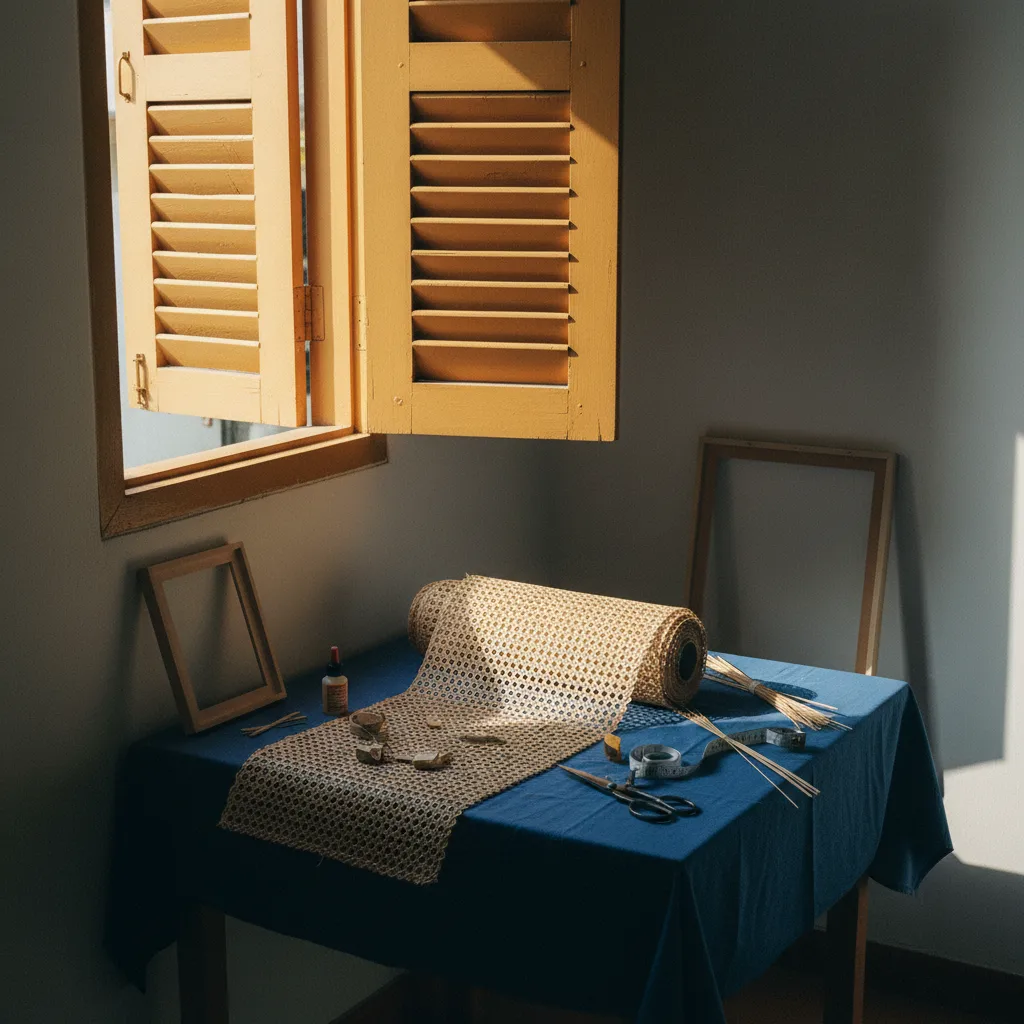
Kampong Glam Rattan Weaving Cane Picker: 3 Checks
A repair sample, an honest measurement and a look at the weave can turn an afternoon around Kampong Glam into a more considered materials outing.
Match the construction before choosing a thickness. A sheet of woven cane, a loose strand and a strip used around an edge solve different problems, even when their colour looks nearly identical. For a rattan weaving cane picker outing around Kampong Glam, start with a photograph of your object and a clear description of the damaged part. That gives the neighbourhood wander a purpose without turning every attractive natural fibre into a possible purchase.
Read the object before the display
Begin at home with the underside and the edges. An uninterrupted woven sheet held inside a groove suggests a different construction from individual strands passing through separate holes. A wrapped handle is another task again. Photograph those junctions as well as the overall object, because a beautiful close view of the pattern alone can conceal the very detail that determines what you need. Keep the photographs on your own device for reference during your browsing.
For this outing, imagine a decorative panel in a small wooden frame, rather than a chair that carries someone's weight. The distinction matters: matching an appearance is a useful beginner exercise, while judging the strength of a seating repair calls for relevant expertise. If the frame itself is cracked or a joint moves, put the materials decision aside. Fresh cane cannot establish that an uncertain supporting structure is safe to use.
First check: how the pattern is made
Look at the repeat in your photograph. Open octagonal webbing leaves a very different visual rhythm from close parallel rows or a basket weave. Notice both the holes and the strands between them. A sheet with larger openings may seem almost identical from a distance yet change how a framed panel looks against a dark background. Bring a piece of plain paper in the approximate background colour to make that comparison more deliberate.
A material name is a starting question, not a guarantee of compatibility. Ask whether the sample is prewoven cane, a flat binding material or a round strand, and explain how it will meet the object. Let the construction govern the conversation. Avoid describing everything as wicker and expecting that one word to settle the choice; the appearance of interlacing can hide quite different materials and methods of assembly.
Second check: compare the right dimension
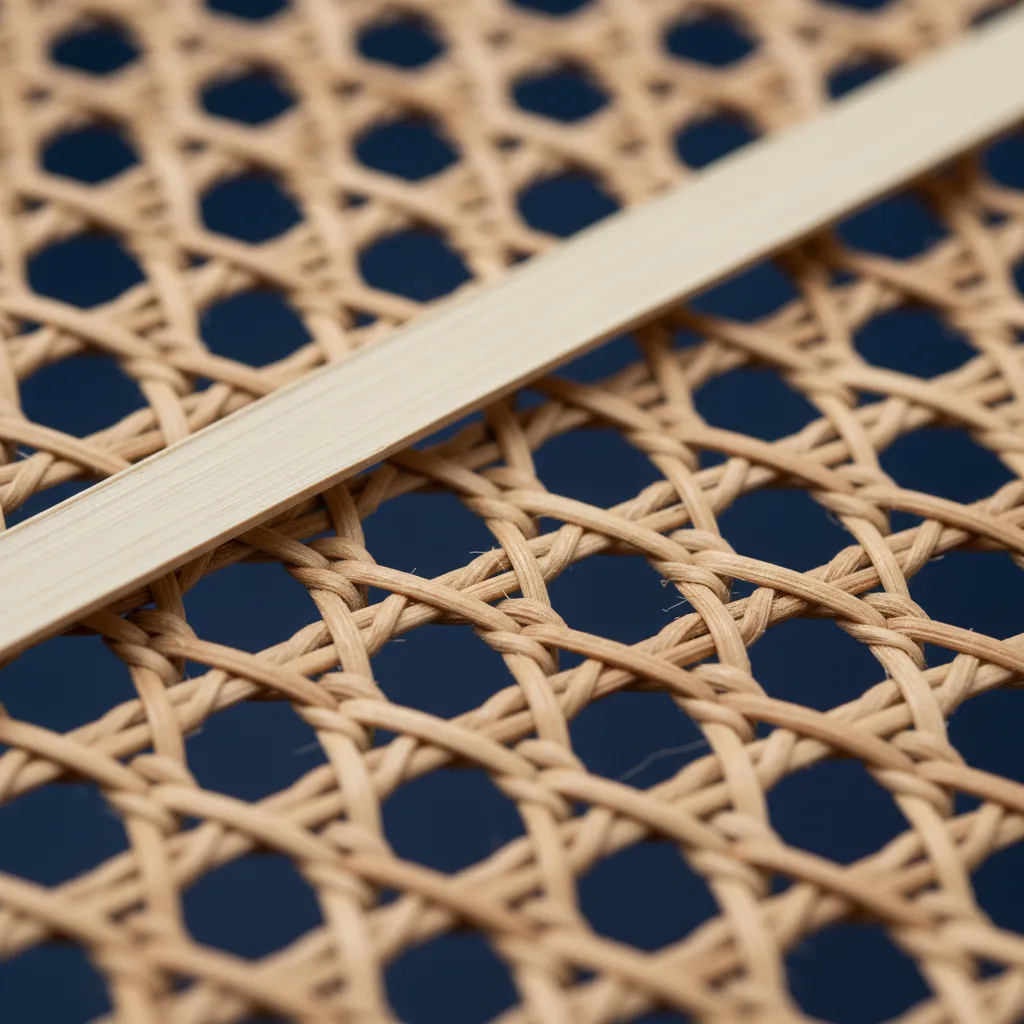
Measure an intact section of your own material without pulling it out of shape. For flat strip, width and thickness describe separate things; for round strand, diameter is the useful comparison. Record which dimension you took, and include a familiar measuring tool in the photograph. A number without that context is surprisingly easy to misread when you are looking at several pale samples under different lighting.
Take a loose offcut only if it is already detached and belongs to you. Do not extract a strand from an otherwise sound panel merely to produce a shopping sample. Place the old and proposed materials side by side, with permission, and compare their profiles as well as their faces. A broad but thin strip may behave very differently around an edge from a narrower, thicker piece that first seemed less substantial.
Third check: inspect the surface and edge
Look along the length for abrupt changes, rough splits and crushed areas. Natural variations in colour do not automatically mean a defect, and a uniform pale finish does not establish strength. What matters for your small repair is whether the material is suitable for the intended method and whether its condition is consistent. Ask to examine an offered sample rather than opening a bundled coil or unrolling someone else's sheet.
Pliability also deserves a careful question. A dry strand that feels stiff in your hand may need preparation appropriate to its type; a soft strand is not automatically a better match. Ask how the particular material should be prepared and whether its finish affects that process. Do not bend merchandise sharply to demonstrate flexibility. A gentle comparison of permitted offcuts is enough to start a useful discussion about suitability.
Let Kampong Glam shape the pause
The pleasure of Kampong Glam is in its changing surfaces: shuttered upper windows, patterned details and the close scale of the lanes. Use that visual variety as a prompt to look more carefully at your own project. A geometric opening in cane can read as airy and calm against plain timber, or busy against patterned fabric. You can enjoy those relationships while walking without treating surrounding shopfronts as evidence of craft stock.
Set your own sequence for the afternoon. You might prefer to browse materials first and then take a break, or begin with a walk while deciding what actually needs repair. Keep the old sample in a protective envelope so it does not snag a bag or unravel further. A compact errand feels better when the objects you are carrying remain manageable and the rest of the outing can change with your energy.
Use nearby recommendations for the discovery step
Karpo APP can recommend nearby places around Kampong Glam. Ask for craft-related places near the neighbourhood, then decide for yourself which suggestions are relevant to your search. A recommendation is a place to consider; your photographs and material questions do the work of establishing whether anything you encounter suits the repair. You choose the places, their order and your transport independently.
Keep a short note in your own notebook after any useful comparison: material description, the dimension that mattered and the reason you preferred or rejected it. A sketch of the edge can be more helpful than a general impression of colour. If nothing fits the project, the outing still has a concrete result: you have narrowed the requirement without adding an unsuitable coil to a cupboard of unfinished ideas.
Leave with a decision you can explain
For a decorative framed panel, favour a clear construction match over a dramatic change in pattern. If your goal is a deliberate redesign, name it as such and consider the whole visible surface, rather than pretending an isolated patch will disappear. A small difference may be welcome on a new insert and distracting in the middle of an existing weave. Decide which outcome you actually want before choosing material.
At the end, describe the choice in one sentence: the sheet or strand matches the way the panel is built, its dimensions make sense beside the intact section, and the condition suits the intended craft method. If one of those checks remains unresolved, defer the repair and work on a separate sample. The satisfying part of a Kampong Glam afternoon can be a more precise question, followed by a project that starts on sound terms.
Ask Karpo for more information.
Keep reading
- Chinatown Batik Canting Pen Picker: Fine Spouts for Silk
 Tiong Bahru Batik Canting Pen Picker: Handles and Bowls
 Katong Batik Canting Pen Picker: Wide Spouts for Wave Fills