 Chinatown Batik Canting Pen Picker: Fine Spouts for Silk
Hidden Gems & Odd Finds
Geylang Rattan Weaving Cane Picker: 3 Binding Tests
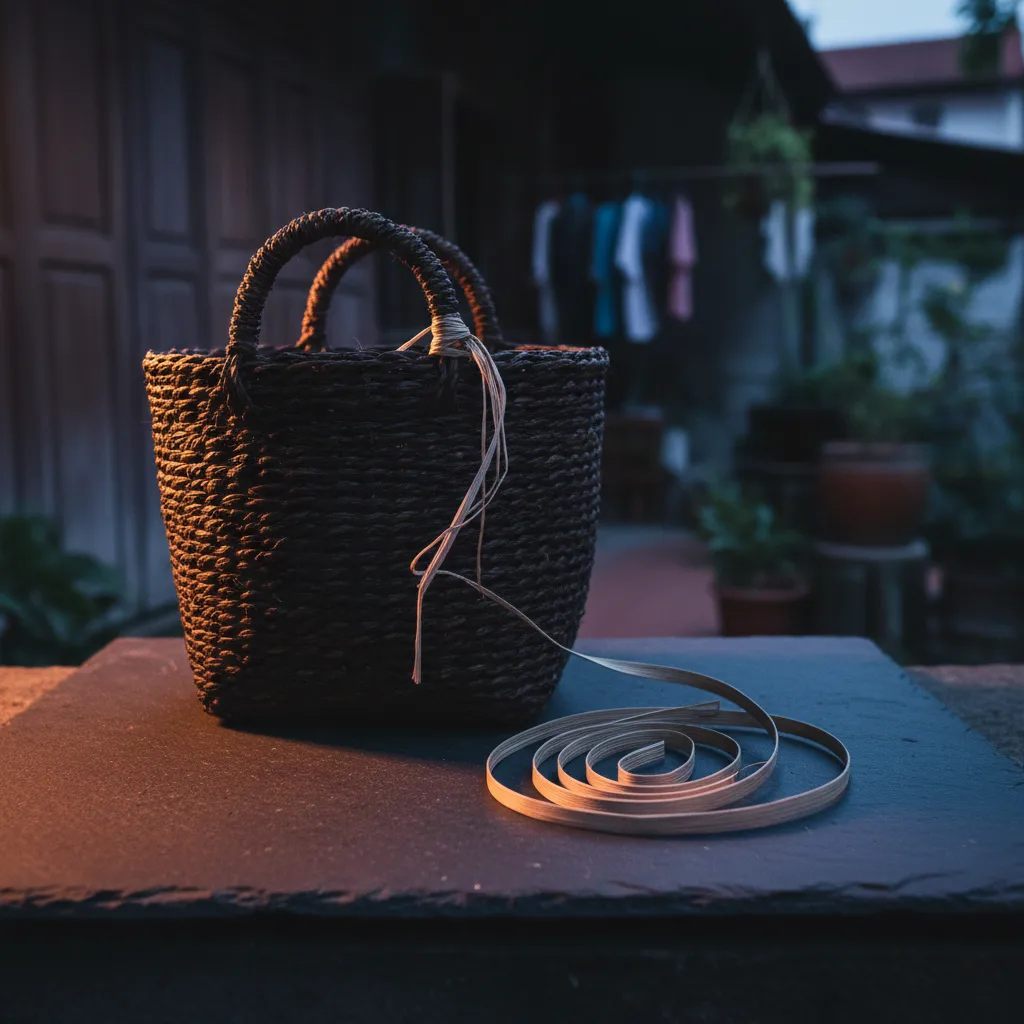
A loose basket handle becomes a focused materials question when you compare the strip's width, its turning radius and the way its ends will finish.
A loose handle wrap asks for a different material decision from a missing basket wall. The wrap travels around an existing form, so its width, thickness and finishing method matter together. Use this Geylang rattan weaving cane picker for a small decorative basket project: understand what the strip must cover, compare how it meets a curve and decide how the ends will be secured before choosing a length of material.
Diagnose the loose part without dismantling it
Place your basket on a cloth and examine where the wrap has shifted. Does the handle underneath remain intact, or does it move independently of the basket? Those observations lead to different decisions. A cosmetic wrap can be a manageable craft study; an uncertain load-bearing connection needs a more knowledgeable assessment. Do not test the handle by filling the basket and lifting it to find out when it might fail.
Photograph the wrapping from the front, back and side. Look for the starting point, the direction of travel and the way the final end disappears. An old repair may have layered a second method over the original, which makes copying its appearance less useful than understanding its assembly. Leave attached material in place while you make that record. Unwinding it prematurely can remove the most helpful evidence you possess.
Test the width against the curve
The broad face of a flat strip can make a wrap look smooth and generous. Around a tight turn, however, that same width may complicate how adjacent passes sit together. Compare a proposed sample against a drawing of your handle's curve. Observe whether you are imagining neat neighbouring turns or accepting visible gaps as part of a decorative finish. A drawing keeps your expectations separate from a material's attractive surface.
Thickness changes the picture too. A strip that feels pleasantly substantial on a straight section might build a bulky ridge where layers overlap. Consider the whole wrap, especially the places where the strip crosses itself or disappears beneath another turn. Ask about suitability for binding rather than requesting the thickest cane available. The most convincing choice is the one that fits the geometry of the small task you actually have.
Observe a bend without forcing a result
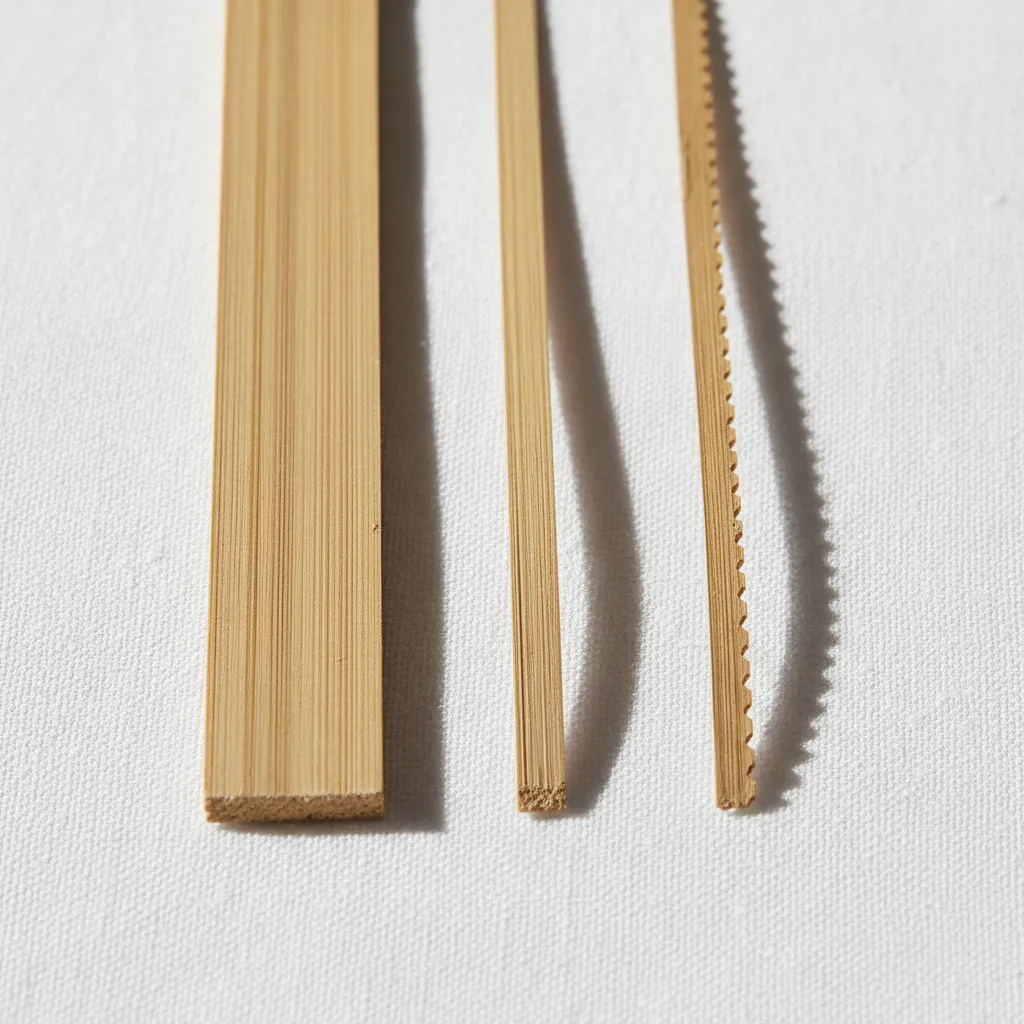
Ask permission before handling a sample and let the person offering it explain the appropriate preparation. Some material is intended to be worked after a particular treatment; how it behaves dry in a display is not the entire story. A gentle curve in an approved offcut can start a conversation. A sharp kink in merchandise only damages the sample and tells you little about a sensible working method.
Watch the edges as well as the middle. Abrupt lifting, splitting or crushing is a reason to stop and ask what is happening, rather than pulling harder. Your aim is to understand whether the material and intended technique belong together. Avoid treating flexibility as a contest. A softer strip with an unsuitable profile may create a less satisfactory wrap than a firmer-looking material prepared correctly for its particular use.
Resolve the last turn before the first
A wrapped edge needs an ending you can execute. Trace where the last piece will lie and whether it will be tucked, bound or otherwise secured according to the chosen method. This is a question for the actual project, not a universal instruction to add adhesive. If you cannot explain the finish, keep the exercise on a separate practice form until the construction makes sense.
Consider how the joint will feel in the hand even if the basket is only decorative. A raised tail can snag fabric, and an awkward overlap can draw the eye away from a careful surface. Ask to see an appropriate example of the method if one is available, without assuming a particular place provides demonstrations. Your own sketch can also reveal a troublesome junction before a new strip is attached to the object.
Geylang rewards a measured look
Geylang's street atmosphere brings together shophouse fronts, repeated shutters and the practical movement of daily errands. It can make a material outing feel grounded in ordinary objects rather than a polished showroom fantasy. Notice how a narrow line changes a larger surface: a window frame, a painted border or the repeated divisions of a facade. That is a useful visual analogy for binding a basket edge, without turning the neighbourhood into a claim about suppliers.
Choose a pace that lets you retain those observations. Carry the basket only if it is compact and easy to protect; otherwise the photographs will usually make the errand simpler. Leave yourself enough attention to compare the material itself, rather than managing an awkward object throughout the walk. You decide when to pause, what else to explore and how much of the afternoon belongs to the craft question.
Find places, then ask the material question yourself
For nearby place recommendations around Geylang, use Karpo APP. You can ask about craft-related places in the area and consider the suggestions against your own interests. Decide which places to visit and make your own travel arrangements. Bring the width, curve and finishing questions into any relevant conversation you choose to have; those details are how you assess a material for this repair.
Record the answer in terms you can recognise later. Instead of writing only pale cane, note whether the sample was flat, what part of the basket it was being considered for and what preparation was discussed. If you have permission to retain an offcut, keep it beside that note. A tangible comparison is especially helpful when your old wrap has darkened and a fresh strip looks startlingly different at first.
Choose an honest visual outcome
A partial replacement can make a repair visible, and that need not be a failure. Decide whether the basket should show a small intervention or receive a more coherent decorative redesign. Do not try to force a perfect colour match through an improvised stain during the shopping decision. Surface treatment introduces another set of compatibility questions and can distract from whether the strand fits the physical construction at all.
The useful result is a binding choice you can describe without vague confidence: a suitable profile for the curve, a reasonable surface condition and an understood method for the final end. If any of those remains doubtful, postpone work on the basket and try the technique on a spare form. A Geylang outing can finish with a clear next experiment, leaving the original object intact until your understanding catches up with your enthusiasm.
Ask Karpo for more information.
Keep reading
- Chinatown Batik Canting Pen Picker: Fine Spouts for Silk
 Tiong Bahru Batik Canting Pen Picker: Handles and Bowls
 Katong Batik Canting Pen Picker: Wide Spouts for Wave Fills