 Chinatown Batik Canting Pen Picker: Fine Spouts for Silk
Hidden Gems & Odd Finds
Tiong Bahru Peranakan Beadwork Shop Walk: Art Deco Lanes
Chart a Tiong Bahru peranakan beadwork shop walk around curved modernist blocks. Explore contemporary bead tapestry studios alongside quiet garden courtyards.
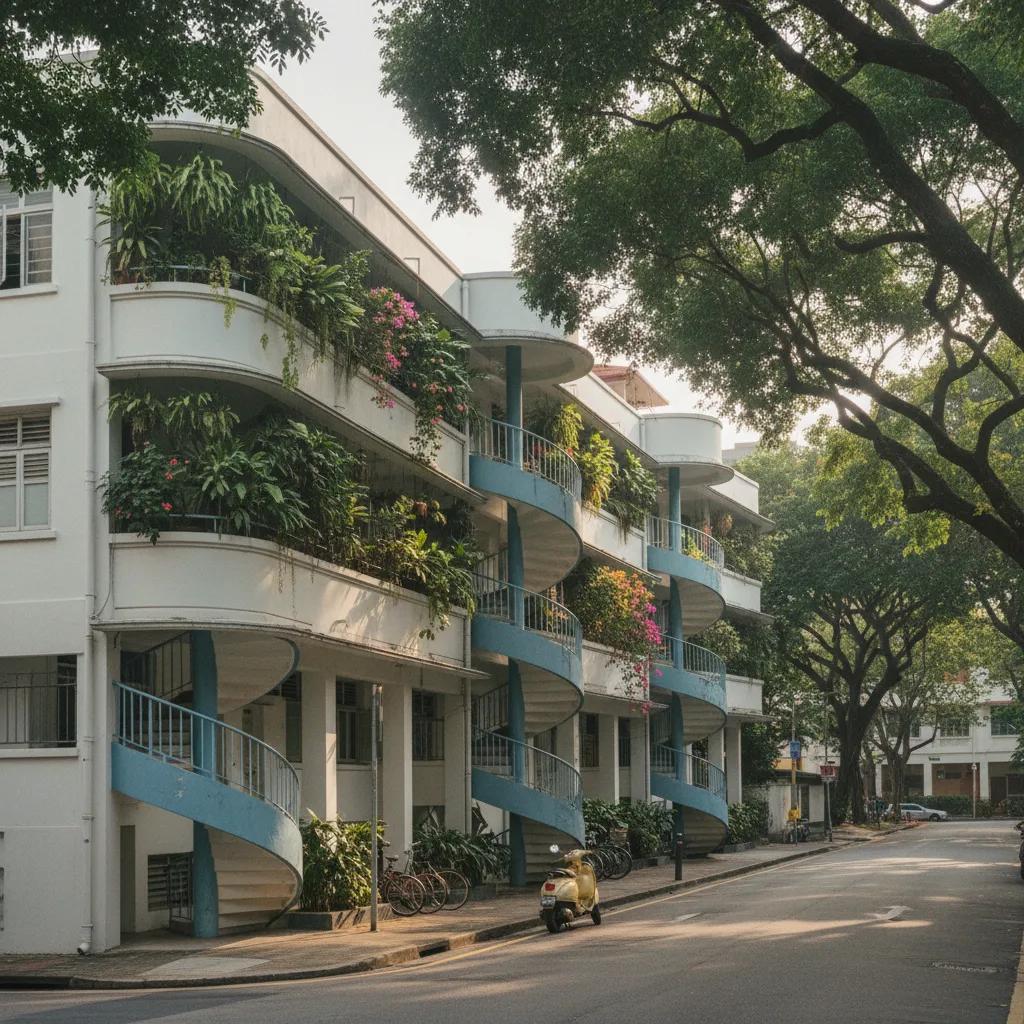
Tiong Bahru presents an inspiring contemporary perspective for a peranakan beadwork shop walk because its iconic streamline-moderne residential blocks provide an inventive architectural setting where traditional Southeast Asian crafts are actively reinterpreted by modern designers and independent studios. Earlier this week my friend Maya, an interior stylist focused on regional artisanal textiles, and I explored the curved residential lanes flanking Eng Hoon Street and Moh Guan Terrace during a tranquil mid-morning stroll. While Tiong Bahru is internationally celebrated for its pre-war public housing architecture and quiet village atmosphere, a closer look into its creative retail spaces reveals innovative makers who adapt historic Peranakan beadwork aesthetics into contemporary framed tapestries, modern lifestyle objects, and architectural accessories. Walking among rounded balcony facades and shaded garden courtyards, you witness how century-old Nyonya craft heritage continues to evolve within Singapore's most distinctive modernist enclave.
Exploring Heritage Beadcraft Reinterpreted in Modernist Enclaves
Starting your walking exploration among the sweeping curves of Tiong Bahru's Art Deco architecture provides an inspiring visual contrast between early twentieth-century modernism and traditional Straits craftsmanship. The neighborhood's pre-war apartment blocks—celebrated for their rounded corners, horizontal aerodynamic bands, and external spiral staircases—create an architectural rhythm that feels open, airy, and inherently creative. Moving along the quiet ground-floor arcades, you will discover independent concept spaces and design ateliers that proudly showcase contemporary needlework alongside mid-century furniture and ceramic homewares.
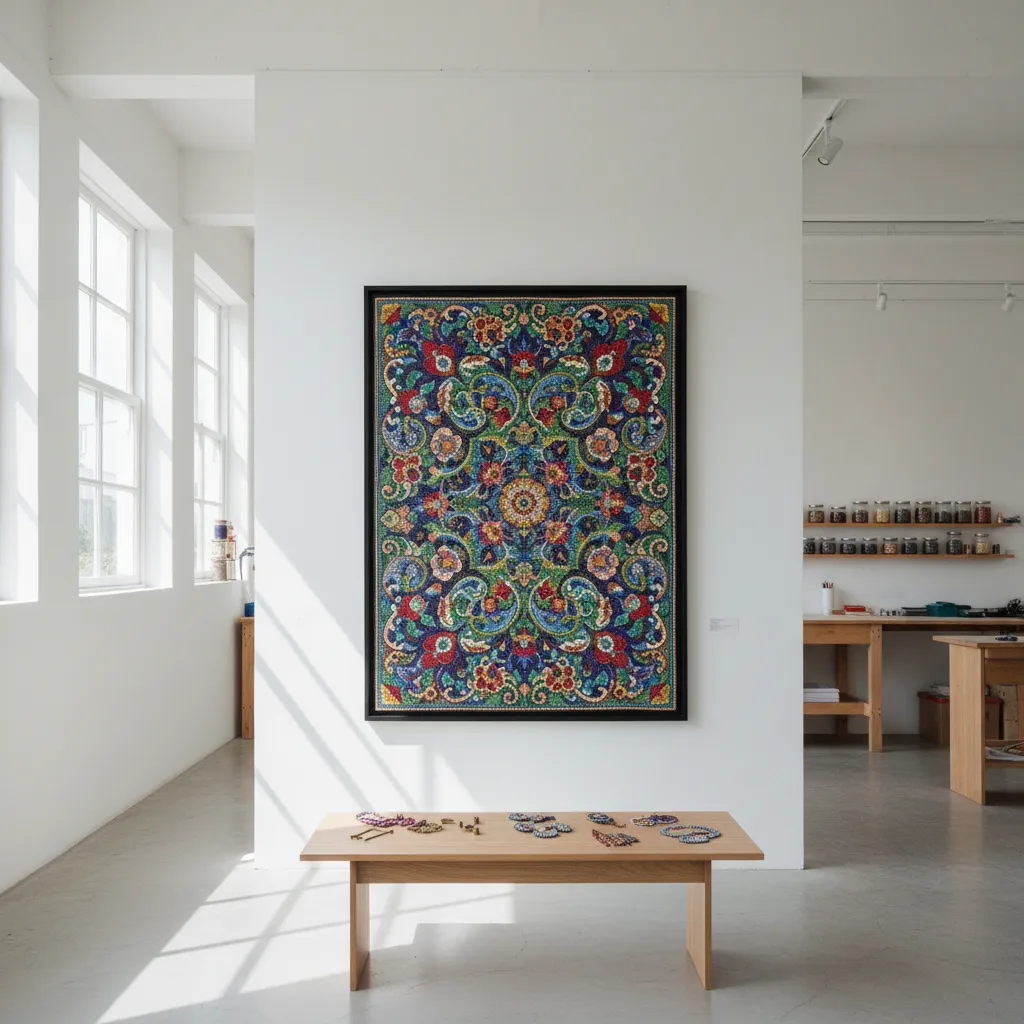
In these design-forward studios, resident makers approach Peranakan beadwork not as static museum artifacts, but as dynamic visual languages ripe for contemporary dialogue. You can observe framed geometric bead tapestries where traditional Peranakan peony and diamond motifs are stripped down to their essential linear geometry, rendered in sophisticated monochrome or earthy mineral tones. This modern design dialogue demonstrates that the meticulous craft of hand-stitched seed beads remains entirely relevant to contemporary urban aesthetics when approached with fresh creative vision.
Strolling past open studio windows, you will frequently notice collaborative exhibitions where contemporary textile designers partner with veteran Peranakan embroiderers. These cross-generational partnerships breathe fresh life into archival patterns, translating motifs originally created for nineteenth-century wedding bed hangings into elegant wall panels and table runners suited for modern minimalist interiors.
Comparing Contemporary Bead Tapestries with Vintage Slipper Panels
A fascinating technical aspect of your Tiong Bahru walk is observing how contemporary makers modify traditional bead embroidery techniques to suit modern decorative formats. Traditional nineteenth-century kasot manek relied heavily on miniature glass rocailles to create dense, continuous pictorial surfaces across small slipper vamps. Contemporary studio artists in Tiong Bahru, by contrast, frequently scale up the canvas size, incorporating larger seed beads, matte Japanese glass cylinders, and metallic accents to produce large-format wall tapestries designed for modern residential interiors.
Examining these wall-mounted compositions reveals innovative stitching methods that preserve traditional structural integrity while introducing contemporary tactile depth. Several local studios experiment with multi-tiered relief stitching, where certain bead clusters are elevated above the base fabric to cast subtle shadows across the artwork. Discussing these creative techniques with local makers offers a compelling look at the technical ingenuity driving Singapore's modern craft renaissance, proving that heritage traditions gain renewed vitality when embraced by innovative designers.
You will also see experimental material pairings, such as seed beads stitched directly onto hand-woven linen or unbleached canvas backings rather than traditional velvet or satin. This tactile juxtaposition highlights the natural matte texture of raw plant fibers against the glittering brilliance of faceted glass, creating an understated elegance that appeals directly to contemporary interior architects and design enthusiasts.
Walking Curved Horseshoe Blocks and Shaded Breezeway Courtyards
Navigating the neighborhood on foot is a delightful sensory experience thanks to Tiong Bahru's human-scale urban design. The curved residential blocks of Moh Guan Terrace form intimate horseshoe-shaped courtyards filled with mature tropical trees, potted ferns, and flowering frangipani. Walking through the shaded ground-floor breezeways, you can observe how natural light filters between residential balconies, illuminating window display cabinets where local makers exhibit their latest craft collections against clean, white gallery walls.
These internal courtyard pathways offer complete protection from vehicular traffic, allowing you to walk at a relaxed, contemplative pace. You will see local residents walking small dogs, reading morning newspapers on stone benches, or tending to courtyard herb gardens, reinforcing the neighborhood's warm, communal spirit. The seamless integration of peaceful residential life and independent craft studios makes strolling through Tiong Bahru a deeply restorative cultural excursion.
Afternoon Craft Reflection and Quiet Bakery Stops in the Estate
Pacing your craft walk with a relaxing pause at one of Tiong Bahru's artisanal cafes or historic neighborhood bakeries enhances the overall enjoyment of your morning. Tucked into shaded corner units along Eng Hoon Street, quiet bakeries serve freshly baked sourdough loaves, fragrant cardamom buns, and artisanal pour-over coffees in minimalist, sunlit interiors. Finding a seat near a wide street-facing window allows you to relax and examine the studio catalogs, postcards, and craft notes you have gathered during your walk.
These casual culinary stops also offer a chance to appreciate the neighborhood's living heritage. Traditional coffeeshops operating since the mid-twentieth century continue to serve classic charcoal-toasted kaya toast and soft-boiled eggs just steps away from contemporary specialty cafes. This effortless coexistence of old and new mirrors the very spirit of Tiong Bahru's craft studios, where venerable Peranakan beadwork techniques are lovingly preserved alongside forward-looking design concepts.
Searching Local Creative Studios and Route Pacing with Karpo APP
Use the Karpo APP to explore recommendations around Tiong Bahru before choosing the shape of your craft outing. A useful starting request would mention your interest in Peranakan beadwork, contemporary design, and a short neighborhood walk with a coffee stop. Maya would also add her interest in interiors, so the suggestions could reflect both of our priorities. Read through the possible destinations and decide which deserve more of your time. A small shortlist is easier to enjoy when the aim is to look closely, talk about materials, and leave room for an unexpected conversation.
Once you have chosen your main stop, ask for another nearby cultural recommendation or an itinerary that includes a place to pause. You can shorten the plan or change its emphasis through a follow-up request, describing whether you would prefer more design, more architecture, or a longer cafe break. Make the final choices according to your own energy and interests. The curved streets become part of the experience rather than something to rush through, and Karpo's nearby search and itinerary suggestions help organize a walk that still feels open to discovery.
Ask Karpo for more information.
Keep reading
- Chinatown Batik Canting Pen Picker: Fine Spouts for Silk
 Tiong Bahru Batik Canting Pen Picker: Handles and Bowls
 Katong Batik Canting Pen Picker: Wide Spouts for Wave Fills