 Chinatown Batik Canting Pen Picker: Fine Spouts for Silk
Hidden Gems & Odd Finds
Katong Peranakan Beadwork Shop Walk: Morning Craft Route
Plan a Katong peranakan beadwork shop walk through East Coast shophouse arcades. Explore glass-cut bead slippers and needlework traditions along the way.
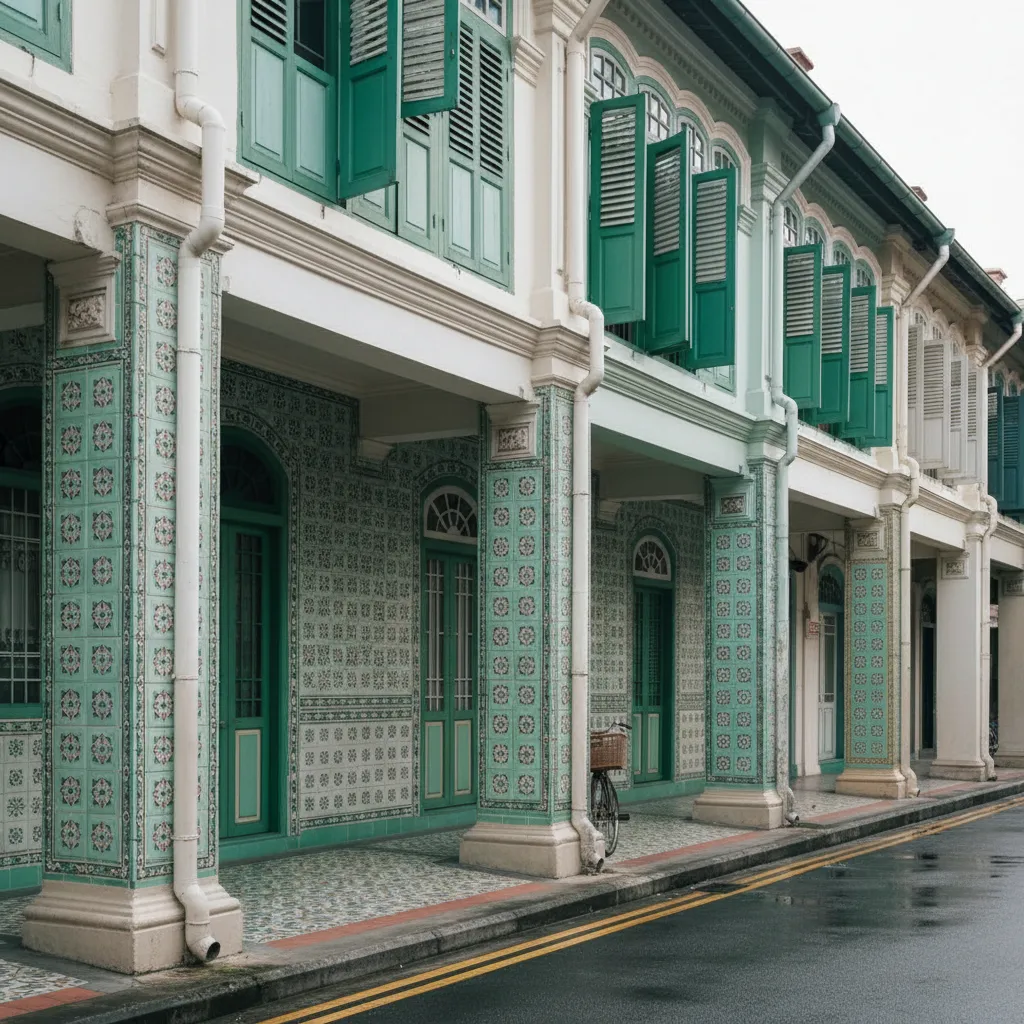
Katong offers the most rewarding setting in Singapore for an early morning peranakan beadwork shop walk because its continuous rows of Straits eclectic shophouses keep pedestrian walkways comfortably shaded, allowing curious visitors to examine heritage needlecraft without battling midday humidity. Yesterday morning my friend Julian, who documents vernacular timber architecture across Southeast Asia, and I started our neighborhood loop along East Coast Road just as the metal gates of corner shophouses rattled open. Instead of rushing between commercial shopping centers where mass-produced souvenirs dominate window displays, we turned our attention to the quiet five-foot ways where family-run craft studios preserve authentic Nyonya needle arts. Walking beneath decorative ceramic friezes and painted timber transoms, you immediately sense how domestic beadwork flourished in these prosperous residential quarters, adorning bridal slippers, beaded purses, and ornamental table runners that celebrated matrilineal craftsmanship.
Setting Out Along East Coast Shophouse Arcades Before Midday Heat
Starting your stroll in the calm morning hours reveals a gentle side of Katong that mid-afternoon cafe crowds rarely encounter. Shopkeepers sweep their pastel-tiled verandahs, fragrant steam drifts from neighborhood coffee stalls, and soft coastal breezes blow inland from the marine parade. Walking through these covered corridors, you will notice elderly residents stopping to chat in Peranakan patois, while artisan embroiderers sit near front windows to catch the soft northern daylight that illuminates microscopic glass beads. The atmosphere encourages an unhurried rhythm: you can pause before glass-fronted vitrines, admire hand-carved rosewood display tables, and observe how traditional motifs reflect centuries of regional exchange.
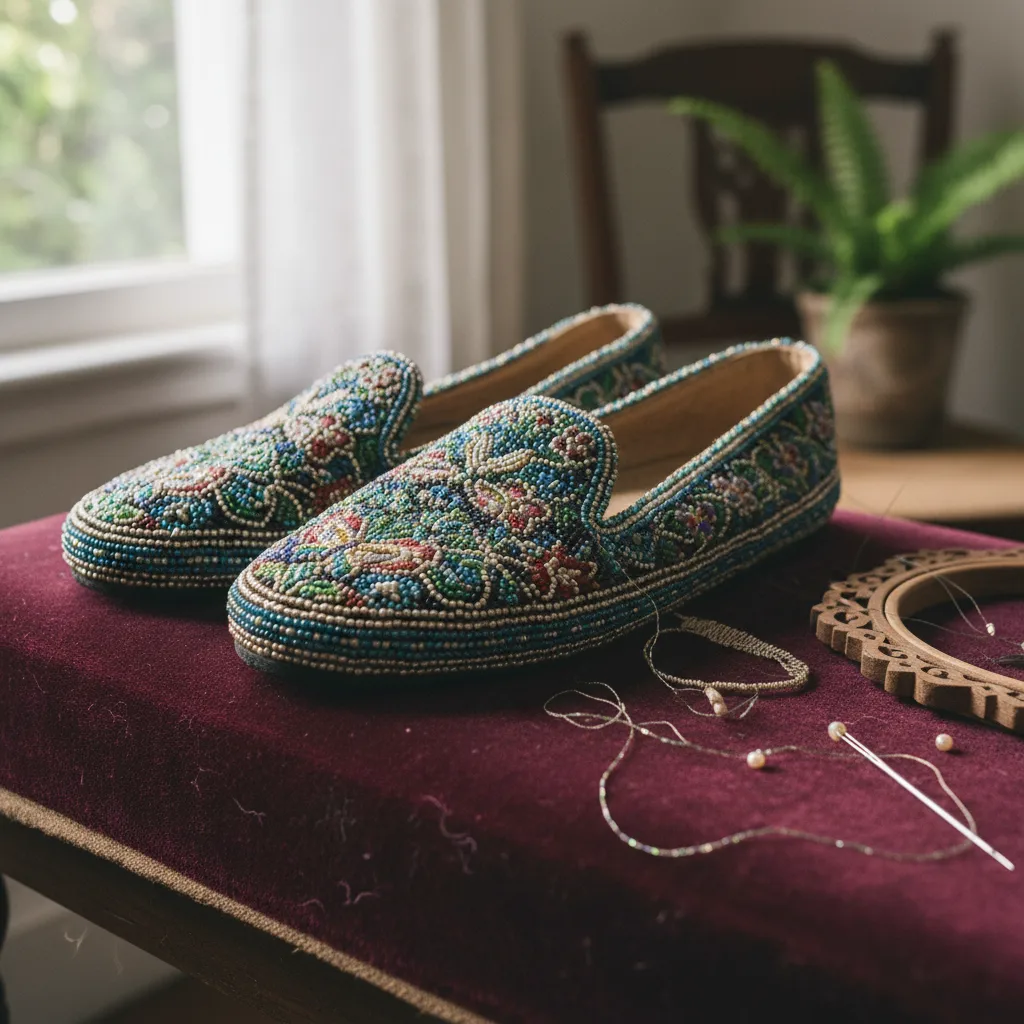
If you arrive during this quieter window, local crafters are often willing to share glimpses of their ongoing work. In small heritage showcases nestled between traditional bakeries, artisans arrange wooden embroidery frames wrapped in heavy linen, demonstrating how every single glass bead is individually secured with waxed silk thread. Observing this painstaking technique in person transforms your understanding of Peranakan material culture: what appears from a distance to be smooth, shimmering fabric is revealed upon closer inspection as an astonishing mosaic of thousands of faceted beads, each positioned with mathematical precision to form delicate peonies, phoenixes, and auspicious pomegranate blossoms.
Discerning Antique Kasot Manek from Contemporary Loom Embroidery
A highlight of exploring Katong's craft studios is developing the discerning eye needed to appreciate the evolution of kasot manek, the iconic beaded slippers once worn by Peranakan brides and matriarchs. In the neighborhood's dedicated display spaces, you can examine antique nineteenth-century slipper vamps crafted with microscopic, rocaille-cut glass beads imported from historic European glassworks. These vintage beads possess subtle facet variations that catch the ambient morning light with an understated, jewel-like gleam, contrasting noticeably with the uniform sheen of modern factory-produced beads. Taking time to study these archival specimens helps you appreciate the immense patience required by historic makers who spent months completing a single pair.
Nearby contemporary studios demonstrate how modern artisans continue this legacy while adapting traditional techniques for today's collectors. Contemporary needleworkers frequently introduce metallic threads, French seed beads, and durable velvet backings, producing framed gallery panels, bookmark sleeves, and custom clutch bags alongside traditional footwear. Discussing these design choices with resident artisans reveals how contemporary beadworkers balance reverence for historic floral geometry with modern color sensibilities, incorporating muted sage, dusty rose, and midnight navy palettes that complement contemporary interior decor while honoring Peranakan symbolism.
Navigating Five-Foot Ways and Hidden Atelier Showcases
Walking through Katong's historic five-foot ways requires a keen sense of observation, as some of the most fascinating craft collections are tucked behind understated doorways or situated on upper mezzanine levels of restored shophouses. Rather than expecting prominent neon storefronts, look for hand-painted wooden signboards, antique porcelain tile borders, and brass door knockers that signal an established cultural workshop. Stepping across the threshold of these family ateliers transports you into intimate spaces where the aroma of aged sandalwood mingles with dried lavender sachets and polished teak floors.
Inside these tranquil spaces, glass vitrines showcase heirloom beadwork pieces alongside antique silver belt buckles, enameled kerosang brooches, and embroidered silk kebayas. Knowledgeable studio custodians often pull out shallow velvet-lined drawers to display individual beaded panels in various stages of completion, explaining the subtle differences between cross-stitch canvas methods and bead-weaving techniques practiced on narrow wooden looms. Taking the time to absorb these tactile demonstrations gives you a genuine appreciation for the craft traditions that continue to thrive quietly in the heart of Katong.
Pairing Heritage Craft Exploration with Breezy Coffee Stops
A well-paced craft walk through Katong is naturally enhanced by weaving in short pauses at neighborhood refreshment stops along the five-foot way. After spending an hour inspecting intricate bead patterns under studio lights, taking a seat at an open-air corner coffeeshop allows your eyes to rest while you absorb the lively street life of the quarter. Ordering a warm cup of local robusta coffee poured over condensed milk alongside a slice of fragrant pandan chiffon cake provides the perfect sensory accompaniment to an East Coast morning, grounding your cultural exploration in everyday neighborhood hospitality.
These informal pauses also offer an opportunity to review the photos and notes you have collected while sketching route adjustments for the remainder of your walk. The surrounding side lanes feature historic residential architecture, where cast-iron gate grilles, ornamental plaster swags, and ceramic floor tiles mirror the very botanical motifs observed on Peranakan beaded slippers. Continuing your circuit on foot, you can wander toward quiet residential avenues where century-old rain trees cast dappled shadows over pastel garden walls, offering a peaceful, reflective conclusion to your morning craft journey.
Planning Walking Routes and Studio Queries with Karpo APP
Use the Karpo APP to turn your interest in Katong needlecraft into a manageable neighborhood outing. Start with a specific request: 'Suggest places to explore Peranakan craft around Katong, with a short walk and a coffee break.' Giving the neighborhood and your interests helps focus the recommendations. Julian cared most about architectural details, while I wanted to compare floral bead patterns, so our own plan left room for both. Choose a small group of suggested stops and decide which ones fit the kind of morning you want to spend together.
You can then ask for nearby alternatives or a revised itinerary if you decide to shorten the outing. A useful follow-up might describe your new preference: more time looking at needlework, fewer stops, or a cafe close to your last destination. Keep the walking plan flexible enough to linger over an interesting display or skip a stop that does not appeal. The pleasure comes from making those choices together, using Karpo's search and recommendations to support a personal craft walk rather than turning every doorway into another item to complete.
Ask Karpo for more information.
Keep reading
- Chinatown Batik Canting Pen Picker: Fine Spouts for Silk
 Tiong Bahru Batik Canting Pen Picker: Handles and Bowls
 Katong Batik Canting Pen Picker: Wide Spouts for Wave Fills