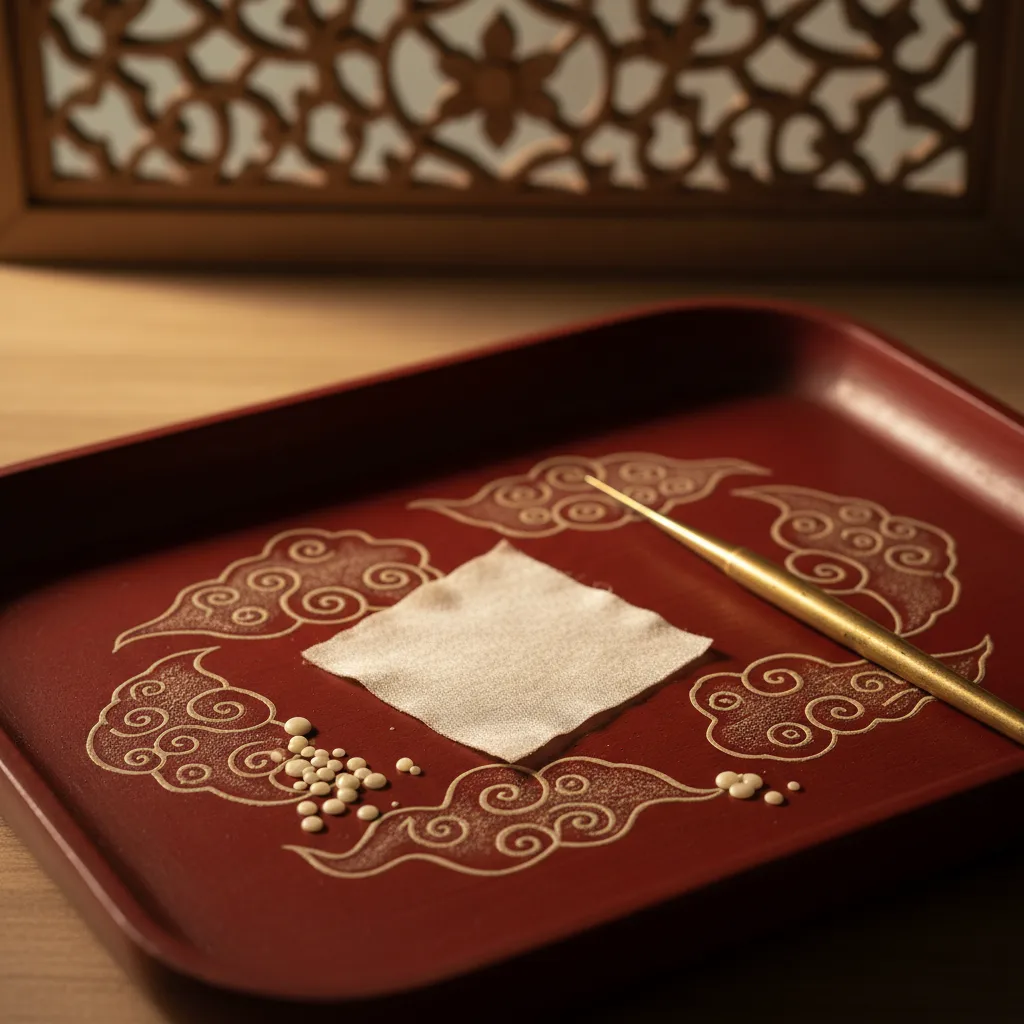
 Chinatown Batik Canting Pen Picker: Fine Spouts for Silk
Hidden Gems & Odd Finds
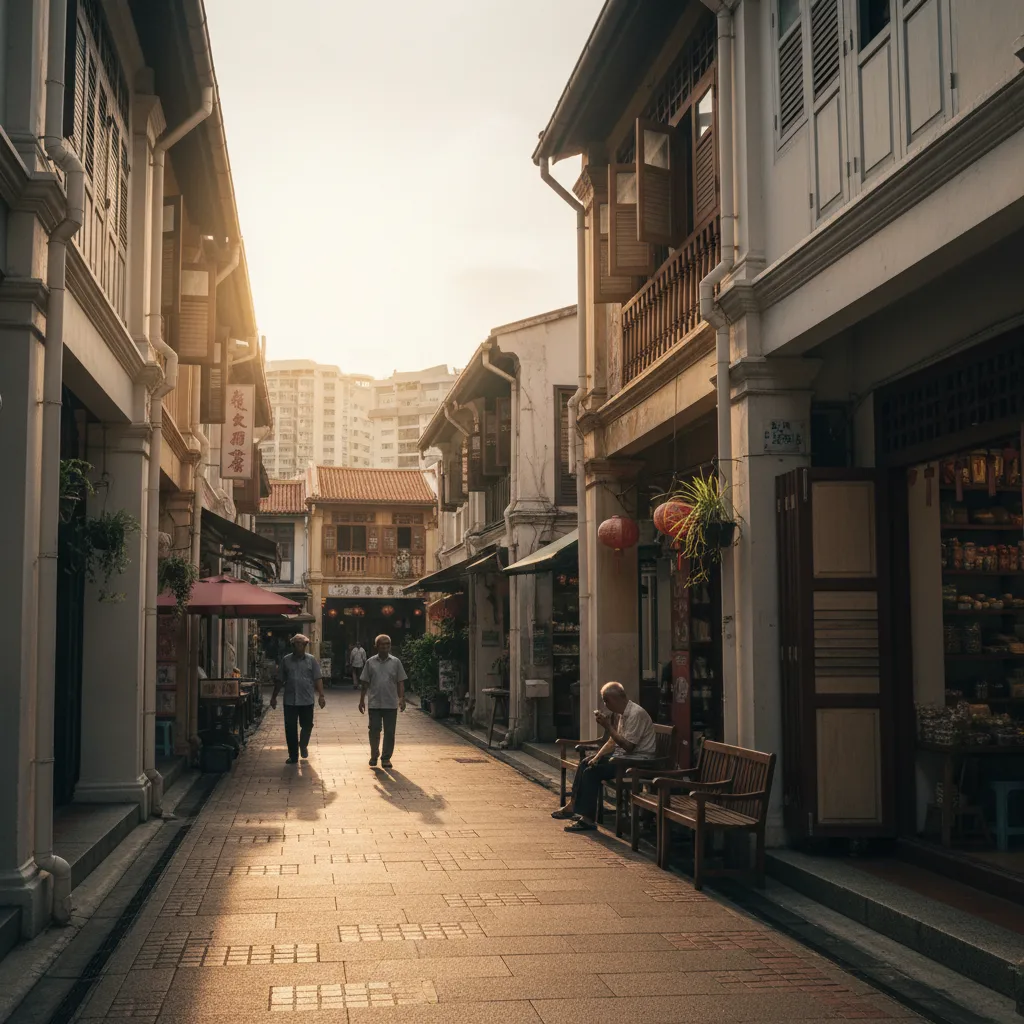
Chinatown Peranakan Beadwork Shop Walk: Heritage Studio Loop
Take a Chinatown peranakan beadwork shop walk past heritage tile corridors. Inspect hand-stitched kasot manek slippers and silk velvet pouches before evening.
Chinatown offers an extraordinary backdrop for a heritage-focused peranakan beadwork shop walk because its labyrinthine shophouse streets preserve deep mercantile ties that shaped Straits Chinese decorative culture from the early colonial era onward. Yesterday morning my colleague Daniel, an archival book conservator with a keen interest in historical embroidery bindings, and I charted a pedestrian route linking the quiet conservation avenues of Telok Ayer and Ann Siang Hill with the historic retail arcades of Pagoda Street. While casual sightseers often view Chinatown through the lens of souvenir kiosks and bustling street food stalls, an intentional craft walk reveals historic merchant ateliers and cultural foundations where exquisite Peranakan beadwork is preserved, studied, and practiced with reverent artistry. Exploring these storied shophouses on foot illuminates how merchant prosperity fueled demand for the most sophisticated needlework in nineteenth-century Singapore.
Uncovering Heritage Craft Traces in Merchant Shophouse Corridors
Starting your walking loop in the quieter conservation blocks of Chinatown reveals an intimate architectural landscape where craft traditions feel remarkably close at hand. As morning sunlight illuminates the lime-washed facades and ornamental granite columns along Telok Ayer Street, you can walk through shaded five-foot ways where antique merchant clan houses and heritage foundations display archival collections of Straits Chinese material culture. Walking beneath carved timber architraves, you encounter glass vitrines containing century-old beaded purses, embroidered silver-mounted belts, and ceremonial wedding tapestries that once graced affluent Peranakan households.
These heritage displays provide valuable historical context for understanding the social significance of beadwork. In traditional Straits Chinese society, the craftsmanship of a bride's beaded slippers and ceremonial accessories served as tangible evidence of her diligence, artistic discipline, and family status. Studying these heirloom artifacts in their historic architectural setting allows you to appreciate how the mercantile wealth generated along Chinatown's early trading piers directly supported master embroiderers and glass bead importers across the region.
Many of these early merchant houses featured specialized interior courtyards designed for women of the household to practice fine needlecraft in secluded comfort away from the bustling public street. The soft reflected light that bounced off lime-washed interior walls provided ideal illumination for threading tiny faceted glass beads onto waxed silk cords, establishing an enduring domestic tradition that celebrated patient handiwork.
The Nuances of Hand-Stitched Slippers on Wooden Shoe Lasts
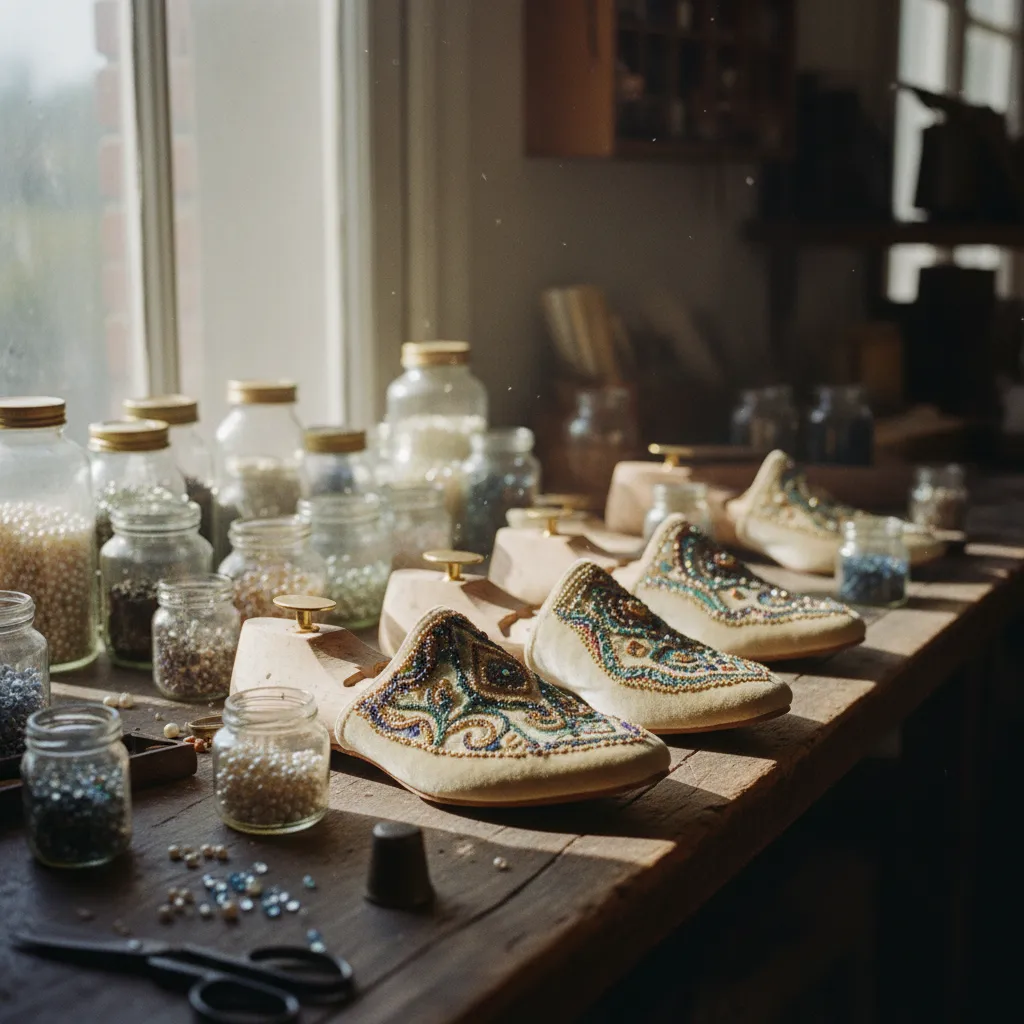
A standout experience along this Chinatown route is observing traditional cobbling and beadwork assembly methods preserved in specialized cultural workshops. Unlike mass-manufactured shoes, authentic kasot manek were built from the ground up on custom-carved wooden shoe lasts that ensured a snug, contoured fit. Needleworkers first completed the intricate beaded vamp on a taut linen embroidery frame before handing the finished panel to master shoemakers who carefully stretched, glued, and hand-stitched the beaded leather onto leather soles and carved wooden kitten heels.
In local atelier spaces, you can view vintage wooden shoe lasts displayed alongside half-completed beaded slipper uppers, giving you an educational look at the multi-stage fabrication process. Notice the precision with which the beads align along the curved contour of the toe box: any miscalculated tension in the stitch work would cause the beads to buckle or gap when stretched over the wooden last. Witnessing this structural craftsmanship firsthand reinforces why authentic Peranakan beadwork has always been prized as a pinnacle of wearable decorative art.
Shoemaking artisans often explain that the inner lining of kasot manek demanded supple kidskin or fine lambskin to cushion the wearer's foot against the weight of thousands of dense glass beads. This harmony of ergonomic leather craftsmanship and intricate surface embellishment highlights how traditional Straits makers married practical footwear utility with peerless ornamental luxury.
Moving Between Heritage Temples and Artisan Display Cabinets
Weaving your craft walk between historic temples and artisan display spaces adds cultural depth to your Chinatown itinerary. Passing through the serene courtyard precincts of Thian Hock Keng temple and neighboring historic shrines, you will spot carved porcelain roof sculptures and gilded woodwork that incorporate the exact same auspicious symbols—peonies for prosperity, bats for good fortune, and cranes for longevity—that dominate Peranakan beadwork motifs. This shared visual vocabulary demonstrates the deep cultural roots connecting Straits Chinese domestic craft with broader regional decorative traditions.
Exiting the quiet temple courtyards into the pedestrianized lanes of Pagoda Street and Club Street, you can transition smoothly into independent cultural galleries where modern artisans display contemporary beadwork interpretations. Glass-walled gallery cases exhibit beaded jewelry, framed geometric medallions, and decorative evening pouches, illustrating how Singapore's contemporary makers draw inspiration from historic temple motifs while producing modern, wearable art pieces for international collectors.
Slow Observation and Midday Refreshment Across Historic Alleys
Pacing your walking route with restful breaks in Chinatown's historic alleys ensures an enjoyable, unhurried cultural morning. Climbing the gentle incline toward Ann Siang Hill or Club Street leads you to quiet pedestrian plazas shaded by mature angsana trees, where restored colonial-era shophouses now host tranquil tea salons and artisan bakeries. Sitting near a high timber casement window with a pot of fragrant tieguanyin tea or chilled cold-brew oolong provides a soothing sensory interlude, allowing your eyes to rest after hours of inspecting minute beadwork details.
These quiet resting spots also provide an ideal vantage point for studying Chinatown's distinctive architectural contrasts. Across the tile roofs, you can observe how modern glass skyscrapers of the neighboring financial district rise behind ornamental clay roof ridges, encapsulating Singapore's unique blend of rapid urban modernization and dedicated heritage preservation. Recharged by your tea pause, you can easily descend back into the pedestrian lanes to complete your craft discovery loop.
Assembling Walking Loops and Discovering Crafts with Karpo APP
Begin with a clear question in the Karpo APP: 'Suggest a Chinatown outing around Peranakan craft and heritage, with a short walking plan and somewhere nearby for tea.' Daniel's interest in conservation would add another useful preference, helping us choose recommendations that suit our shared curiosity. Review the suggested places and decide how many belong in a comfortable outing. A compact itinerary leaves time to discuss the construction of a bead panel or look closely at a decorative doorway, rather than treating the neighborhood as a sequence of destinations to finish.
During the outing, you can ask for a nearby cultural alternative or request a revised plan with fewer stops. Explain your own preferences, such as a quieter kind of setting or a longer refreshment break, and use the recommendations to choose the next destination. If a street feels busier than you enjoy, that observation can guide your next question. Combining your judgment with local search makes the visit personal: the conversation might follow craft techniques for a while, then shift toward architecture, without losing the thread that first brought you to Chinatown.
Ask Karpo for more information.
Keep reading
- Chinatown Batik Canting Pen Picker: Fine Spouts for Silk
 Tiong Bahru Batik Canting Pen Picker: Handles and Bowls
 Katong Batik Canting Pen Picker: Wide Spouts for Wave Fills