 Chinatown Batik Canting Pen Picker: Fine Spouts for Silk
Hidden Gems & Odd Finds
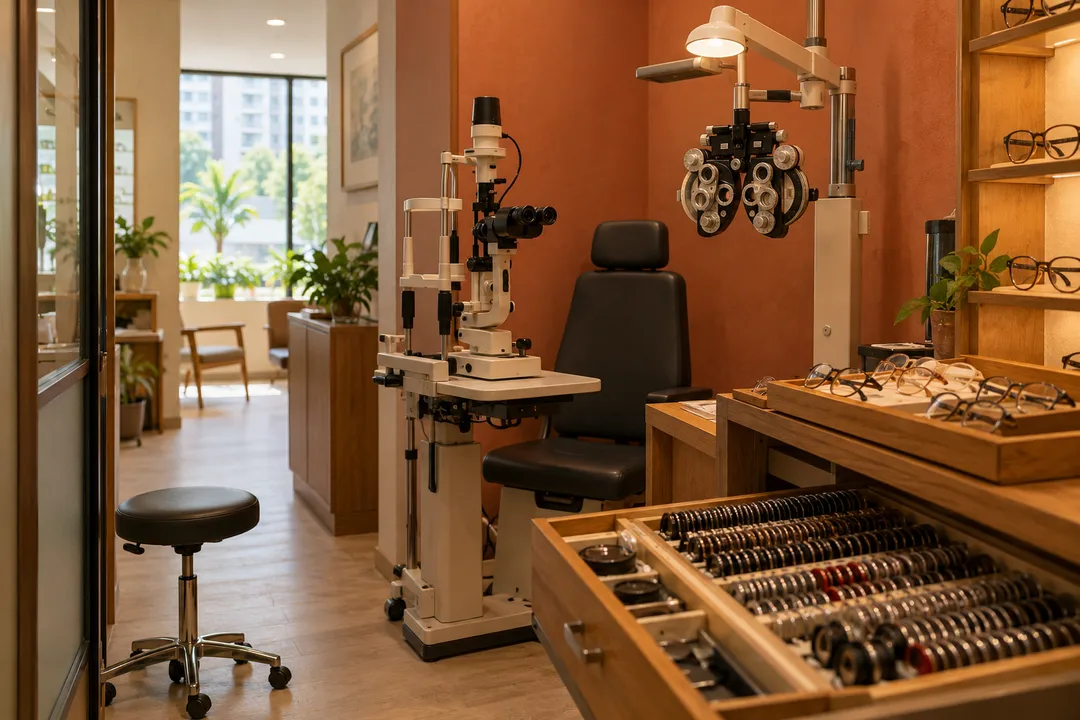
Straits Eye Optometry Clinic Bedok: Personal Eye Care
Straits Eye Optometry Clinic in Bedok offers eye examinations, contact-lens support, and eyewear advice for a convenient neighbourhood appointment.
Straits Eye Optometry Clinic serves the Bedok area with eye examinations, contact-lens services, and eyewear support. The practice’s official information places the clinic at 209 Bedok Central, Singapore 460209, making it a practical local option for residents who want to handle an eye-care question without travelling into the city centre. The useful way to approach the visit is as a conversation about your actual routine, not a race to choose a frame.

Why Bedok is a good place for repeat care
A neighbourhood optometry clinic works best when you expect more than one interaction. You may need a routine examination today, a contact-lens adjustment later, or a frame repair after months of daily wear. Bedok Central keeps those possibilities close to ordinary errands. Before booking, write down the main reason for the visit and the point at which you notice it: morning blur, evening dryness, screen fatigue, night glare, or difficulty reading.
Bring your current glasses and the prescription if you have it. Contact-lens wearers should bring the brand or packaging and describe how many hours the lenses stay in. If the issue is intermittent, explain the setting rather than apologising for not having a perfect description. A pattern is clinical information even when the symptom is not present inside the room.
Make the examination useful
Ask what each measurement is intended to answer. If the prescription has changed, ask how much of the change you are likely to notice. If the result is stable, ask what habits or symptoms should lead you back sooner. These questions create a usable record and make it easier to explain the outcome to another family member who could not attend.
The appointment should also clarify the difference between a clinical recommendation and a retail option. If a lens coating, contact lens, or frame is suggested, ask which part solves the vision problem and which part is a preference. Separating those decisions makes the visit calmer and helps you avoid paying for a feature that does not match your day.
Avoid the common rush
Do not arrive with only five minutes before another errand. Examination rooms, questions, and fitting adjustments take their own time. If you walk in, ask about availability before browsing. If you have booked, arrive with your notes ready. The quiet rule is to finish listening before you start comparing colours, because frame excitement can make it easy to forget the clinical explanation.
If a child is attending, let them choose a few frame styles but keep the fit check adult-led. Look for a bridge that stays in place, temples that do not pinch, and lenses positioned at the correct height. If two children are attending together, give each person separate notes and separate questions. That prevents a fast family visit from becoming a muddle.
Contact lenses need honest details
Contact-lens comfort depends on how the lenses are actually used. Tell the optometrist about commuting, air-conditioning, sports, long screen sessions, and the time of day discomfort begins. Ask about cleaning, replacement, and what to do when a lens feels wrong. Pain, marked redness, or sudden vision change deserves professional attention rather than a decision to wear the lens for “just one more hour.”
If you are new to lenses, ask to repeat the handling routine until it feels manageable. A good fitting is not only about the lens sitting on the eye; it is also about being able to remove, clean, and store it safely. Write down the replacement schedule and the next question you want to ask at the follow-up.
Choose glasses for the whole day
Try the frame while looking at a nearby object and then across the shop. Turn your head, bend slightly, and smile. A frame that moves during those simple actions will be annoying on a bus or during homework. Ask whether the frame can be adjusted and what to do if the fit changes. Comfort is especially important when the pair is worn from breakfast to bedtime.
If you work at a screen, tell the staff your normal distance and whether you switch between monitor, phone, and paper. If you drive, mention night glare. If the pair is for a child, include school and outdoor use. The best lens and frame choice is the one that follows the person through the day, not the one that wins a ten-second mirror test.
A calm Bedok walk after the appointment
After the examination, take a short walk around Bedok Central before heading home. Let your eyes move between nearby signs, open pavement, and the distance across the neighbourhood. Notice whether the frame stays put and whether the new correction feels natural. This is not a medical verdict, but it is a useful practical check while the appointment is still fresh.
Keep the route simple. Sit for a drink, note what felt better, and contact the clinic if a problem persists. A local clinic earns its value when follow-up feels easy. You should not have to turn a small frame adjustment or contact-lens question into a full day of travel.
A useful follow-up record
Before leaving, record the prescription date, the main recommendation, and the point at which the clinic wants to see you again. If you are changing lenses, note the replacement or collection details. A short record prevents a later phone call from becoming a search through old messages and packaging.
That record is also helpful when several family members use the same clinic. Keep each person’s information separate and include the practical issue that led to the visit. Clear notes turn a neighbourhood optometry appointment into a repeatable part of routine care. Before leaving, record the prescription date, the main recommendation, and the point at which the clinic wants to see you again. If you are changing lenses, note the replacement or collection details. A short record prevents a later phone call from becoming a search through old messages and packaging. That habit is especially useful when several family members share the same local clinic and each person has a different vision question. Add the practical reason for the visit in plain words: reading fatigue, glare, dry air, distance blur, or a lens that becomes uncomfortable after work. If the recommendation is a new frame, note the fit points that mattered and the adjustment contact. If it is a contact-lens question, keep the brand and wearing schedule together. A clear record helps the clinic respond faster and helps you notice whether the solution works outside the examination room. The most useful follow-up is specific, calm, and connected to the routine that first made you seek care. Give the clinic one clear example from the week: the moment a sign became blurry, when the lens dried, or which task caused strain. Concrete examples are easier to act on than a general feeling that vision is different. Keep that example with the prescription note so the next conversation starts with the real routine. If several people share the branch, label each note clearly and bring only the relevant glasses or lens packaging to each appointment.
Practical notes
Ask Karpo for more information.
Keep reading
- Chinatown Batik Canting Pen Picker: Fine Spouts for Silk
 Tiong Bahru Batik Canting Pen Picker: Handles and Bowls
 Katong Batik Canting Pen Picker: Wide Spouts for Wave Fills