 Chinatown Batik Canting Pen Picker: Fine Spouts for Silk
Hidden Gems & Odd Finds
SP Optometry Clinic: S$5.45 Exams on Saturday Visits
Singapore Polytechnic Optometry Centre at Workshop 1 offers examinations for S$5.45, with 1.5–2 hour appointments and Saturday hours. Book before visiting.
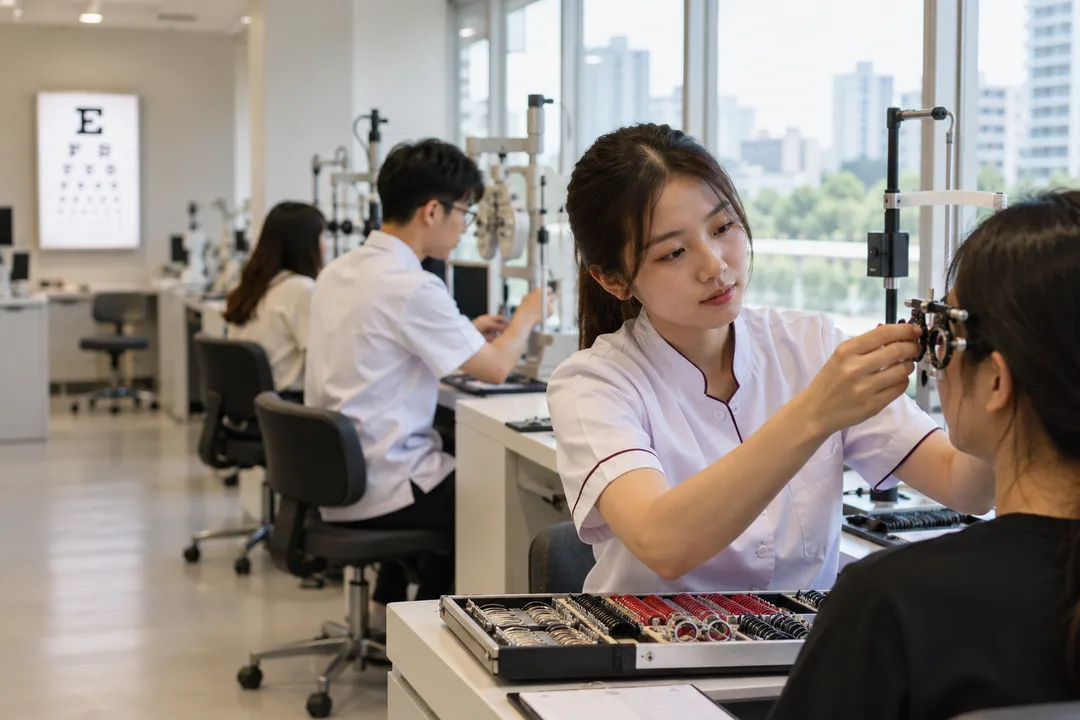
Singapore Polytechnic Optometry Centre is at Workshop 1, Level 1, near Carpark C-1, at Singapore Polytechnic, 500 Dover Road, Singapore 139651. Its official page lists a S$5.45 fee for each examination and estimates a comprehensive examination at 1.5 to 2 hours. This is an optometry clinic for people who can give an appointment real time: it is a supervised teaching environment with student optometrists, not a fast frame-shopping stop.
Why SPOC feels different
SPOC operates as a clinical training ground for Singapore Polytechnic’s Diploma in Optometry students. Patients receive examinations from Student Optometrists under close supervision by the faculty team. That changes the tempo in a useful way. Expect questions, explanations, and a sequence that may feel more methodical than a quick retail vision check. The low published fee is attractive, but the real value is the chance to sit with a fuller examination rather than rushing through a prescription change.
The centre lists comprehensive and paediatric eye examinations, contact-lens fitting and assessment, contact-lens aftercare, binocular vision assessment, and contact-lens and spectacles dispensing services. Read that list as a menu of appointment types, not a promise that every request fits every slot. When booking, describe whether you need a routine check, a child’s assessment, contact-lens help, or a follow-up. Clear information at the start makes the student clinic easier to plan.
Hours and booking rules
The published operating hours are Monday, Tuesday, and Thursday from 10:00am to 5:30pm; Wednesday from 10:00am to 1:00pm; and Saturday from 10:00am to 5:00pm. The centre is closed on Friday, Sunday, public holidays, and SP school vacation. The page warns that the booking link becomes unavailable once all slots are fully booked, so do not rely on turning up and hoping for an opening.
The best queue strategy is to book first and travel second. Keep the confirmation information accessible, arrive with your previous prescription if you have one, and leave space after the appointment rather than scheduling a tight next stop. A comprehensive examination is estimated at 1.5 to 2 hours. That is not a warning; it is the point. The schedule allows the clinic to examine, explain, and check details without compressing every decision into a few minutes.
What to bring to the examination
Bring your current spectacles, contact-lens packaging or prescription, and a short description of what has changed since your last check. Mention headaches, fluctuating focus, glare, dry eyes, or difficulty moving between near and far vision. If you are arranging a child’s appointment, note school-screen habits and any observed squinting before you arrive. The more concrete the history, the easier it is for the student optometrist to connect the measurements with daily life.
SPOC lists advanced equipment including an Automated Visual Field Analyzer, Digital Refraction equipment, an Ultra-widefield Fundus Camera, and Wide-field Optical Coherence Tomography. You do not need to memorise the equipment names. Instead, ask what each test is checking and which result matters for your next decision. That turns a technical appointment into a readable conversation and helps you remember what to do after you leave.
The clinic’s signature strength
The “must-try” service here is the comprehensive examination itself. At S$5.45, it is unusually clear value for a clinic that publishes a 1.5-to-2-hour estimate and offers a broad service list. The fee is stated as $5.45 for each examination, so confirm the appointment type when booking rather than assuming every specialist service uses exactly the same wording. Keep the focus on eye health first, then discuss lenses or spectacles if those are part of your plan.
Because SPOC is a teaching clinic, patience is part of the visit’s etiquette. Let the examination run in its planned order, answer questions fully, and ask for a plain-English recap at the end. If you need a prescription for work, study, sport, or driving, say so. The best result is not simply a number on paper; it is understanding how that number fits the way you use your eyes.
A Dover campus pause afterwards
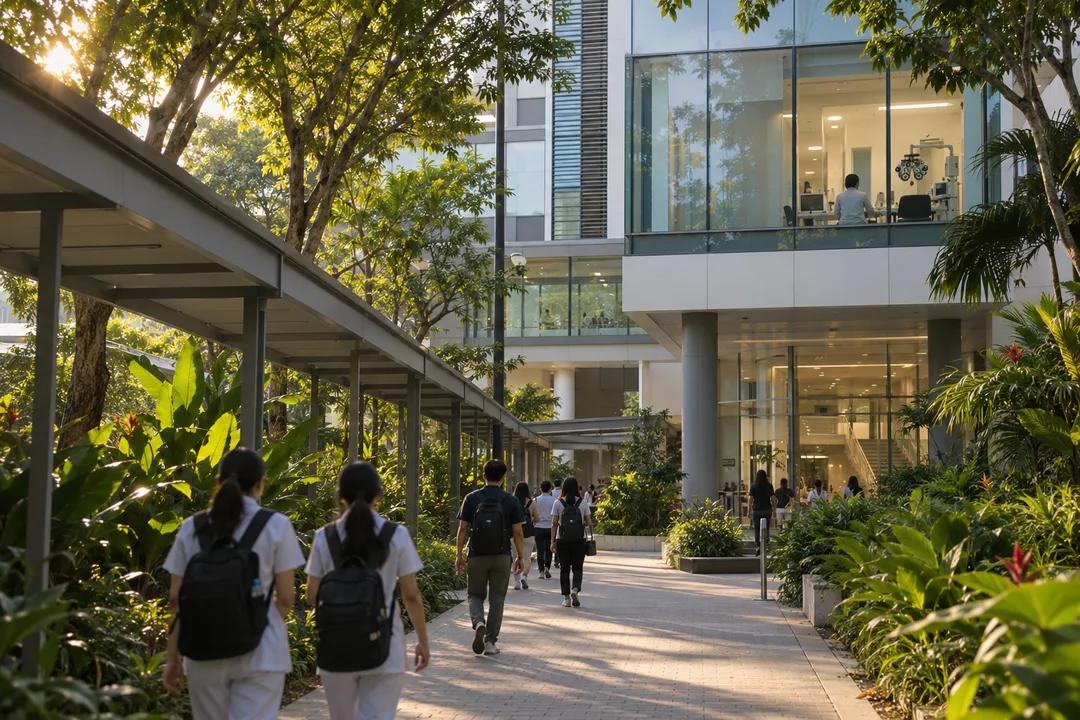
The centre is near Dover MRT Station, and its campus setting makes the after-appointment walk feel different from a mall optician visit. Once you finish, take a slow route through the polytechnic grounds and let your eyes settle before moving back into traffic. Covered paths and open campus views provide a gentle transition after a long examination, especially if you have been looking through instruments for two hours.
Plan a simple meal or coffee nearby rather than a packed sightseeing route. The practical test after an eye examination is comfort: can you read a menu, walk in changing light, and keep your eyes relaxed? If the answer is no, shorten the stop. You have already done the important work at the clinic. The rest of the day can stay deliberately light.
Practical notes before you go
Clinic: Singapore Polytechnic Optometry Centre, Workshop 1, Level 1, near Carpark C-1, Singapore Polytechnic, 500 Dover Road, Singapore 139651. Phone: +65 6872 6570. Published hours: Monday, Tuesday and Thursday 10:00am–5:30pm; Wednesday 10:00am–1:00pm; Saturday 10:00am–5:00pm; closed Friday, Sunday, public holidays and SP school vacation. Comprehensive examinations are estimated at 1.5–2 hours and the published fee is S$5.45 for each examination.
Book before travelling because the official page says the booking link disappears when all slots are filled. Bring your glasses and relevant lens information, leave a two-hour buffer, and ask for an explanation of any test you do not recognise. Use the Karpo APP to save the appointment details and plan a low-pressure Dover stop afterwards. The clinic rewards preparation more than spontaneity.
Because the centre is part of an education setting, treat the appointment as a chance to learn what your eyes are doing. Ask which measurement is routine, which is being taken because of your concern, and what you should watch between visits. A short written recap can prevent a technical result from becoming a forgotten number in a drawer.
Wear the correction you normally use when you arrive, unless the clinic has given you another instruction. Mention recent changes in comfort, prescription, or lens wear even if they seem minor. The supervising team can only connect the measurements to your day when the day is described honestly and specifically.
The affordable fee does not make the appointment casual. Its published duration, booking rule, and vacation closure all point to a planned service. Choose a date you can keep, give yourself the full time window, and make the clinic the main event rather than an appointment squeezed between two trains.
Before leaving SPOC, ask for the next action in one sentence: order spectacles, arrange contact-lens follow-up, monitor a child’s vision, or return for another assessment. Naming that action keeps the low fee from being mistaken for a low level of care. It also turns a long, technical appointment into a plan you can use after leaving Dover. Keep the final recap short enough to remember on the way home. Note the prescription, any recommended follow-up, and the reason for the next appointment. That small record is useful for work, study, or family planning, and it respects the centre’s careful teaching-clinic rhythm instead of reducing the visit to a price comparison.
Ask Karpo for more information.
Keep reading
- Chinatown Batik Canting Pen Picker: Fine Spouts for Silk
 Tiong Bahru Batik Canting Pen Picker: Handles and Bowls
 Katong Batik Canting Pen Picker: Wide Spouts for Wave Fills