 Chinatown Batik Canting Pen Picker: Fine Spouts for Silk
Hidden Gems & Odd Finds
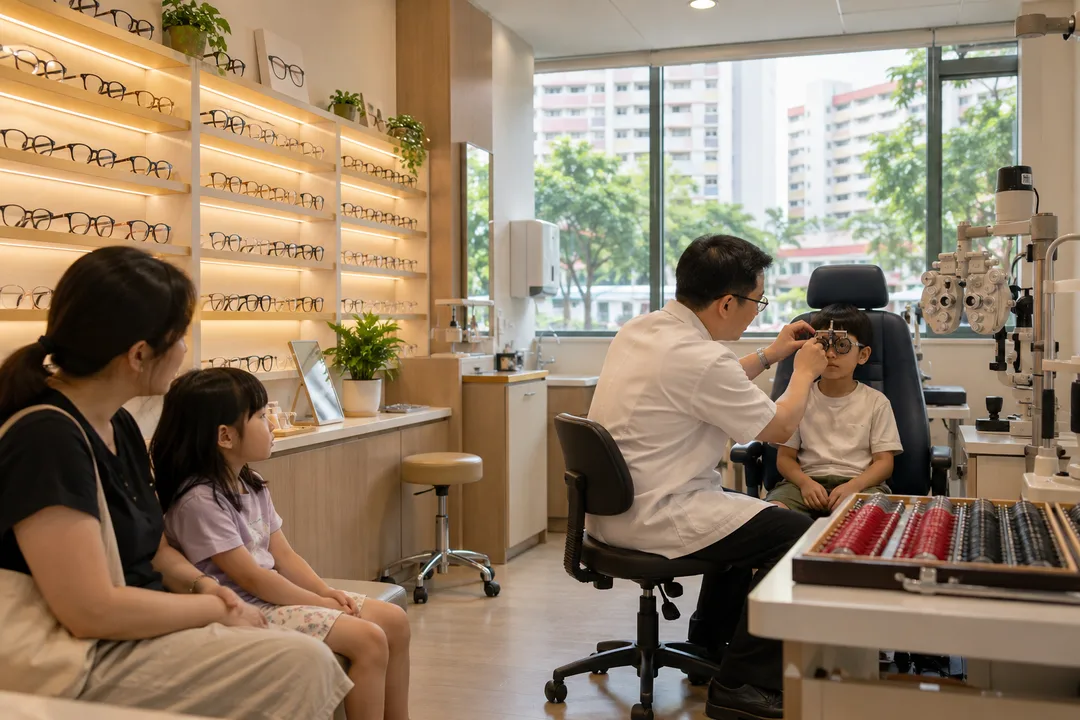
Better Vision Optometry Clinic Yishun: Family Eye Care
Better Vision at Northpoint City gives Yishun families a local optometry stop for eye exams, myopia care, contact lenses, and frame fitting.
Better Vision’s Yishun branch is at Northpoint City, 930 Yishun Avenue 2, Singapore 769098. The practice’s official store information presents the clinic as a neighbourhood optometry option for eye examinations, myopia management, contact lenses, and eyewear. For a family living in the north, the useful promise is not a dramatic retail experience; it is being able to handle a proper eye-care appointment, frame fitting, and follow-up in the same local area.

Why a neighbourhood clinic helps
Eye care is easier to repeat when the trip does not require a cross-island plan. Yishun families can arrange an examination around school, work, and ordinary errands at Northpoint City. That matters for children whose prescription needs monitoring, adults who have delayed a check, and contact-lens wearers who want a professional conversation when comfort changes. Start by writing the main reason for the visit before you book: routine check, blurry distance vision, reading fatigue, myopia follow-up, or lens discomfort.
A local branch also makes the second visit less intimidating. If the optometrist recommends monitoring, a frame adjustment, or a follow-up for contact lenses, you already know the route and the building. Bring the current glasses or prescription and explain how long the pair is worn each day. The more ordinary detail you give, the more useful the appointment becomes.
Prepare the family appointment
For a child, keep the old prescription, school-screen habits, and any recent change in a simple note. Mention squinting, sitting closer to screens, headaches, or difficulty seeing the board. Avoid turning the appointment into a test the child must pass. The optometrist needs an honest account of what happens at home and school, not a rehearsed answer.
Adults should bring contact-lens packaging or the lens brand if they use lenses. Include the wearing schedule and whether discomfort appears in the morning, on public transport, or after a long screen session. If more than one family member is attending, separate the notes so one person’s symptoms do not blur the next person’s consultation. That small bit of organisation saves time and reduces confusion.
How to handle the wait
Northpoint City makes a walk-in tempting, but an optometry clinic still has examination rooms, fitting work, and other patients. Ask about appointment availability before browsing frames. If there is a queue, use the time to decide what you need from the visit rather than choosing a pair under pressure. Parents can let children identify shapes or colours, then return to the practical checks: bridge fit, temple comfort, and stable vision when looking down.
A useful rule is to avoid scheduling the appointment immediately before a hard departure. Leave room for questions and frame adjustments. If the examination runs longer than expected, that is usually a sign that the clinician is collecting more information, not that something has gone wrong. Listen for the next step and repeat it back before leaving.
What to ask about myopia care
If myopia management is part of the visit, ask which part is being monitored and what the follow-up interval means. A parent should leave knowing what change would trigger another appointment and what daily habits matter. Ask the optometrist to separate evidence-based advice from general screen-time anxiety. The goal is a plan that fits school, outdoor time, reading, and family routines.
If a child wants new frames, make fit the first decision. A frame that slides down during homework or pinches behind the ears will quickly become an unused frame. Check the bridge, temple length, lens height, and how the pair behaves when the child looks sideways. Style is still important, but a child is more likely to wear a pair that feels comfortable from the first day.
Contact lenses and daily wear
Contact lenses deserve a more detailed conversation than “Can I have a pair?” Tell the optometrist how many hours you hope to wear them and what happens when the eyes feel dry. Ask about cleaning, replacement, and what to do if the lens becomes uncomfortable. Never treat redness or pain as a reason to push through the day; contact the clinic for appropriate advice.
For glasses, test the frame while moving rather than sitting still in front of a mirror. Read a nearby label, look across the mall corridor, and turn your head. If you are comparing coatings or lens options, explain the activities that drive the choice. A good recommendation should make sense for school, office work, driving, or outdoor use, not only sound impressive at the counter.
A gentle Yishun route after the test
After the appointment, stay local and take a short sheltered walk around Northpoint City and Yishun Avenue 2. The point is to experience the correction in ordinary conditions: indoor signs, daylight, escalators, and a distant building edge. Keep the route comfortable if the eyes feel tired. Note any issue without diagnosing yourself, then return to the clinic if the fit or vision still feels wrong.
Yishun’s neighbourhood pace is useful for this kind of check because the route does not need to become a sightseeing mission. Find a quiet place for a drink, let the child talk about the frames, and decide whether to order now or after a second look. A calm decision is better than buying quickly because everyone is hungry or late.
A second look before ordering
If you are undecided, take a photograph of the frame from the front and side, then compare it with your current pair. A second look often catches a bridge angle or lens height issue that is invisible in a quick mirror glance. Do not let the central location create artificial urgency; the useful decision is the comfortable one.
Ask what happens after collection if the fit needs attention. Knowing the adjustment policy makes it easier to order with confidence and return promptly if the temples loosen or the bridge slides. That small piece of aftercare is part of the optometry experience, not an afterthought. Before leaving, record the prescription date, the main recommendation, and the point at which the clinic wants to see the family again. If the child is starting a new myopia plan, keep the instructions with the school calendar. If an adult is changing lenses, note the replacement or collection details. Clear notes make a neighbourhood appointment repeatable instead of turning each future visit into a fresh investigation. Add one sentence about the daily setting that matters most, such as school-board distance, homework, commuting, or outdoor play. That sentence gives the next appointment a useful starting point. For a child, keep the frame information separate from a sibling’s notes, and check the fit after the first week rather than waiting until the glasses are misplaced. For an adult, note whether the change is most noticeable in the morning, during screen work, or at night. A family clinic becomes more valuable when its advice can be carried into ordinary routines and compared over time. A useful family habit is to keep the next review date beside the school or work calendar. If the child’s routine changes, update the note rather than relying on memory. The clinic can then hear what changed between visits and make the follow-up more efficient without turning every appointment into a repeat of the last one.
Practical notes
Ask Karpo for more information.
Keep reading
- Chinatown Batik Canting Pen Picker: Fine Spouts for Silk
 Tiong Bahru Batik Canting Pen Picker: Handles and Bowls
 Katong Batik Canting Pen Picker: Wide Spouts for Wave Fills