 Chinatown Batik Canting Pen Picker: Fine Spouts for Silk
Hidden Gems & Odd Finds
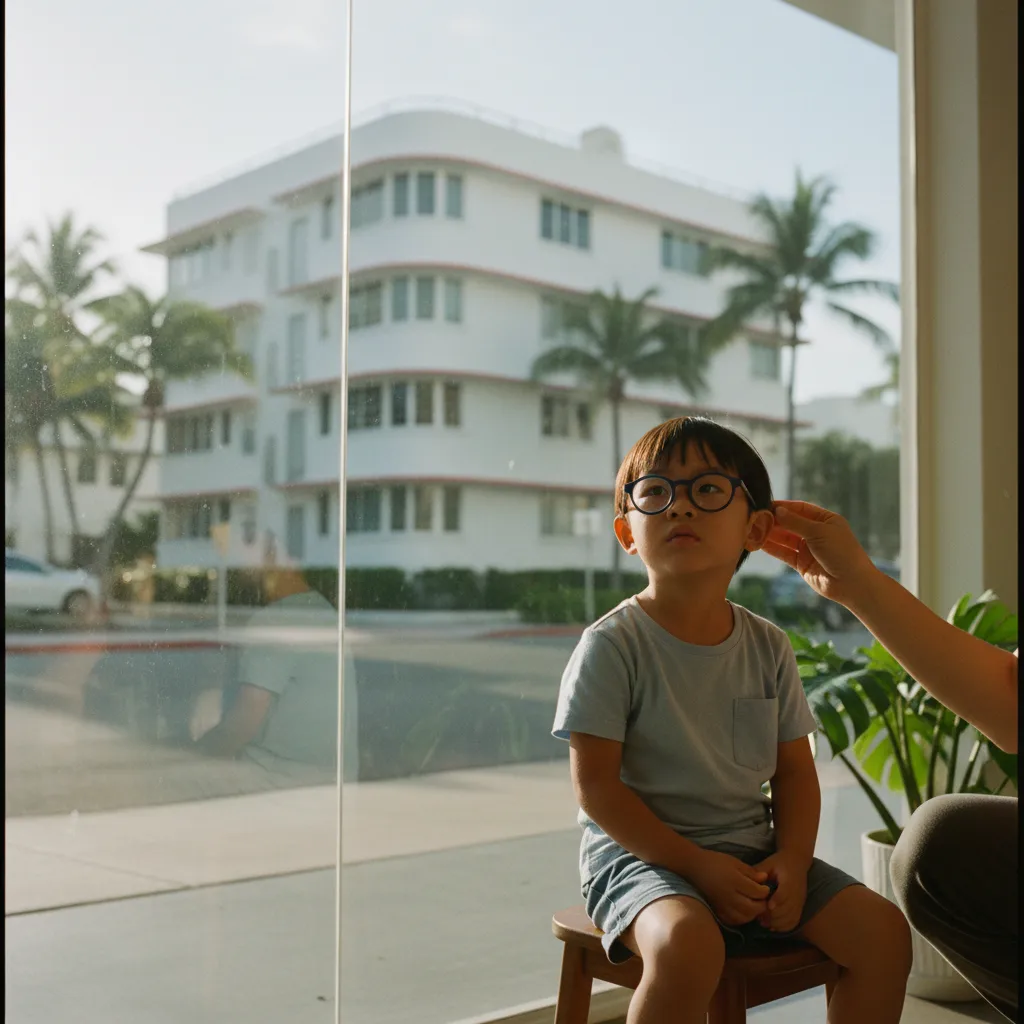
Tiong Bahru Optical Boutique: Your Child's First Glasses
Taking a child for first glasses in Tiong Bahru? Plan a full eye check, ask about myopia control lenses and pick a frame that survives school days.
A child's first pair of glasses goes best when you treat it as two separate jobs: a proper eye examination that measures how short-sighted they are and how fast it is changing, and then a frame fitting that suits a seven-year-old's face and habits. Tiong Bahru, with its curved 1930s flats along Seng Poh Road and the quiet indie shops on Yong Siak Street, is a pleasant place to do both in one unhurried morning. Myopia is common among Singapore schoolchildren, so the questions you ask matter as much as the frame colour your child chooses.
Signs That Send Parents to an Optometrist
The usual trigger is a teacher's note or a school screening letter, but parents often notice first. Watch for a child sitting very close to the television, screwing up their eyes to read bus numbers, or copying notes slowly from the whiteboard. Headaches after school and rubbing eyes during homework are other hints. In Singapore, the Health Promotion Board runs vision screening in schools, and a referral from that screening is a clear sign to arrange a full examination rather than buying ready-made glasses or waiting for the next school year.
What a Full Children's Eye Check Covers
A careful paediatric examination looks beyond the letter chart. The optometrist measures the prescription, checks how well the eyes work together, and may record the axial length of each eye, which helps track whether short-sightedness is progressing. For young children, some practices use cycloplegic drops that temporarily relax focusing so the true prescription shows, which means blurry near vision for some hours afterwards. Optometrists in Singapore are registered with the Optometrists and Opticians Board, and an eye doctor can step in if medical treatment such as low-dose atropine drops is being considered.
Myopia Control Lenses in Plain Terms
For progressing myopia, many optical shops now offer spectacle lenses designed to slow the change, using a clear central zone surrounded by tiny lenslets or rings that alter how light focuses on the edge of the retina. Studies on these lens designs have shown slower progression on average compared with standard single-vision lenses, though results vary from child to child. They cost more than ordinary lenses and work best when worn full-time. Ask the optometrist how they will measure progress at each review, and how often they want to see your child, typically every six months.
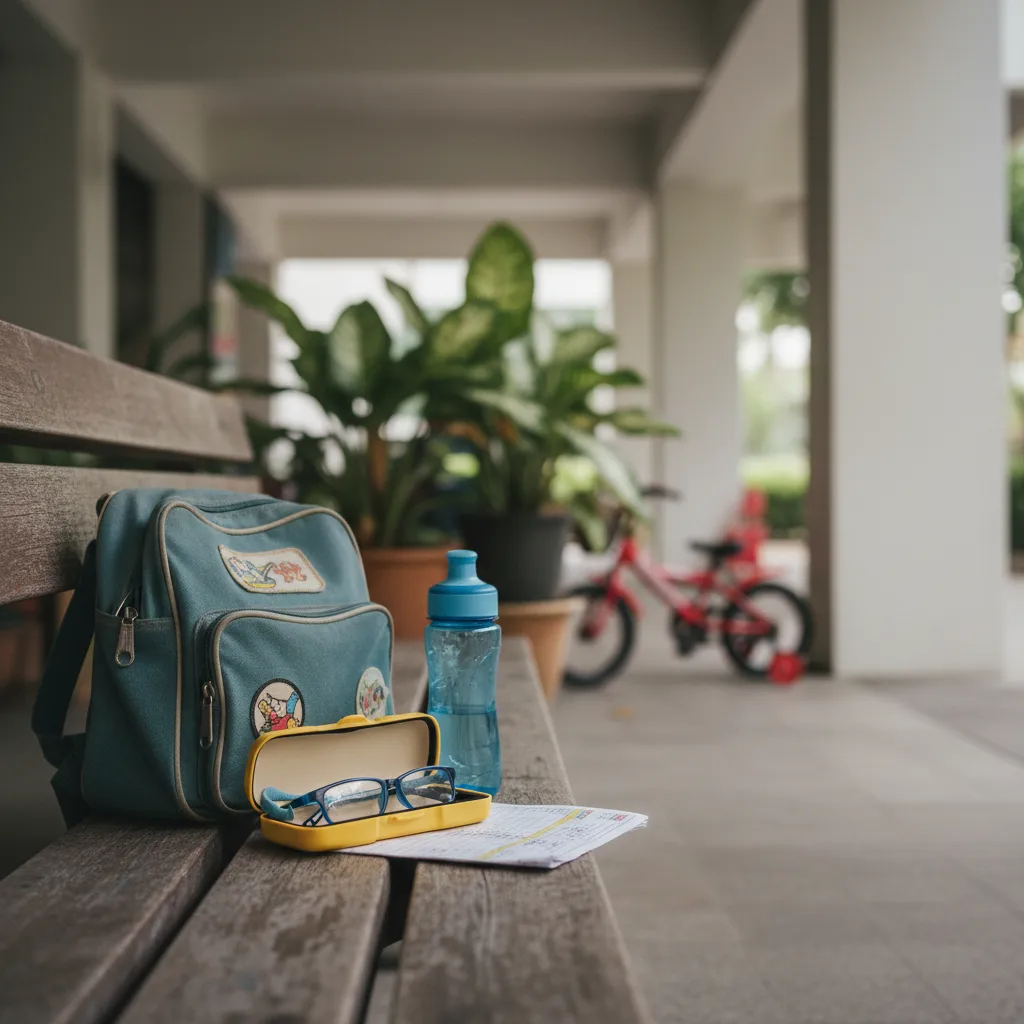
Picking a Frame That Survives Recess
Children are hard on glasses, so durability beats fashion. Look for flexible frames in TR90 or similar nylon materials, spring hinges that bend outward without snapping, and a bridge that rests on a small nose without sliding. Wraparound cable temples or a soft strap help for younger kids who run around at recess. Polycarbonate or similar impact-resistant lens materials are the sensible default. Let your child choose the colour from two or three frames that already fit well, which tends to make them far more willing to keep the glasses on.
Who Fills the Chairs on a Saturday
Weekend mornings in the estate draw young families from the surrounding blocks, grandparents walking children to the market for breakfast, and parents who work in the CBD and can only manage a Saturday visit. Weekday afternoons after school bring uniforms and tired faces. A quiet habit worth copying is to let your child eat first, perhaps at the hawker centre above Tiong Bahru Market, because hungry children rush through eye tests and give less reliable answers on the chart.
An Honest Word on Shortcuts to Avoid
Skip off-the-shelf glasses for children, even as a stopgap, because their prescriptions and pupillary distances rarely match ready-made pairs. It is also wise to avoid choosing a frame before the examination, since the prescription can change which shapes work. Myopia control lenses are not a magic fix, and outdoor play still matters: the Health Promotion Board encourages children to spend time outdoors every day and to take regular breaks from near work. If a shop pushes the most expensive lens without explaining progress tracking, it is reasonable to ask for a second opinion.
Planning the Morning Around the Estate
Tiong Bahru MRT station on the East-West line is a short walk from the conservation flats, and the estate is compact enough to cover on foot with a child in tow. Schedule the eye examination first, especially if drops are used, then allow time to wander under the shade of the five-foot ways before the frame fitting. Afternoon thunderstorms are common in Singapore, so a morning appointment avoids dashing between blocks in heavy rain. Dilating drops make bright sunlight uncomfortable, so pack a cap or child-sized sunglasses for the walk home.
How Karpo APP Fits the Search
Karpo APP can save time when you are new to the area or unsure where to start. Describe what you need, for example a myopia check for an eight-year-old and frames that handle rough play, near Tiong Bahru or Outram, and Karpo returns a shortlist of optical shops and optometrists worth looking at. Visit each shop's website to read about their children's services and myopia management before you call. Karpo does not hold appointments or show live availability, so you still choose and contact the practice yourself.
Helping Your Child Wear Them Every Day
The first week decides whether glasses become normal or a battle. Tell the class teacher so your child can sit nearer the front while adjusting, and agree a home spot where the case always goes at night. Praise wearing them during reading and outdoor games, not only at school. A small cleaning cloth clipped to the bag helps, because smudged lenses are a common excuse for taking them off. If your child complains of headaches beyond the first few days, return to the practice and ask them to recheck the centration.
Practical Notes for Parents
Bring the school screening letter if you have one, any previous prescription, and a list of your child's daily screen time and outdoor hours, because the optometrist will ask. Ask whether the quoted price covers the frame, lenses and follow-up reviews, and whether there is a replacement policy for breakages within the first months. Keep a spare older pair at home if your child has one. Finally, write down the date of the next review on the family calendar, since progress checks are what make myopia control worthwhile.
Ask Karpo for more information.
Keep reading
- Chinatown Batik Canting Pen Picker: Fine Spouts for Silk
 Tiong Bahru Batik Canting Pen Picker: Handles and Bowls
 Katong Batik Canting Pen Picker: Wide Spouts for Wave Fills