 Chinatown Batik Canting Pen Picker: Fine Spouts for Silk
Hidden Gems & Odd Finds

Tanjong Pagar Optical Boutique: Glasses for Humid Days
Sweat, steam and air-con swings are hard on glasses. This Tanjong Pagar optical boutique guide covers frame materials, coatings and care for humid days.
Glasses that fog the instant you step out of an air-conditioned office, slide down a damp nose by lunchtime or lose their coating within a year are a familiar problem in Singapore. Tanjong Pagar, with its restored shophouse terraces on Duxton Hill, the leafy slope of Craig Road and the office towers along the main road, is full of people living exactly that daily cycle between cold rooms and humid streets. This guide covers what to look for in frames, lenses and care routines so your next pair copes with the climate rather than fighting it.
Why Heat and Humidity Are Hard on Glasses
Every time you move from a chilled room into warm, moist air, water condenses on the cooler lens surface. Sweat carries salts and skin oils that collect around nose pads and hinges. Strong sunlight and heat build up inside a parked car or a bag left near a window. Over months, these conditions loosen screws, discolour pads, cloud some coatings and make certain frame materials feel slippery. None of this means glasses wear out quickly by default, but material and coating choices make a visible difference.
Frame Materials That Cope Best
Titanium and beta titanium resist corrosion from sweat, stay light and keep their shape, which is why many people in hot climates prefer them for everyday wear. Stainless steel is another sturdy option. Acetate gives rich colour and a solid feel, but it can loosen with heat over time and may need its arms re-shaped now and then. Metal frames with adjustable pads let an optician raise the lens away from damp cheeks. Whatever you choose, ask whether the frame can be adjusted easily if it starts to slip.
Lens Coatings for Fog and Smudges
Anti-reflective coatings reduce glare from office lighting and screens, while hydrophobic and oleophobic top layers help water and skin oil bead up and wipe away. Some lens makers offer anti-fog treatments that work with a special cloth or spray, which can help people who also wear masks on public transport. Ask the optician what each coating does, how long it is expected to last under daily cleaning, and whether the lens maker provides any warranty against peeling.
A Care Routine That Matches the Weather
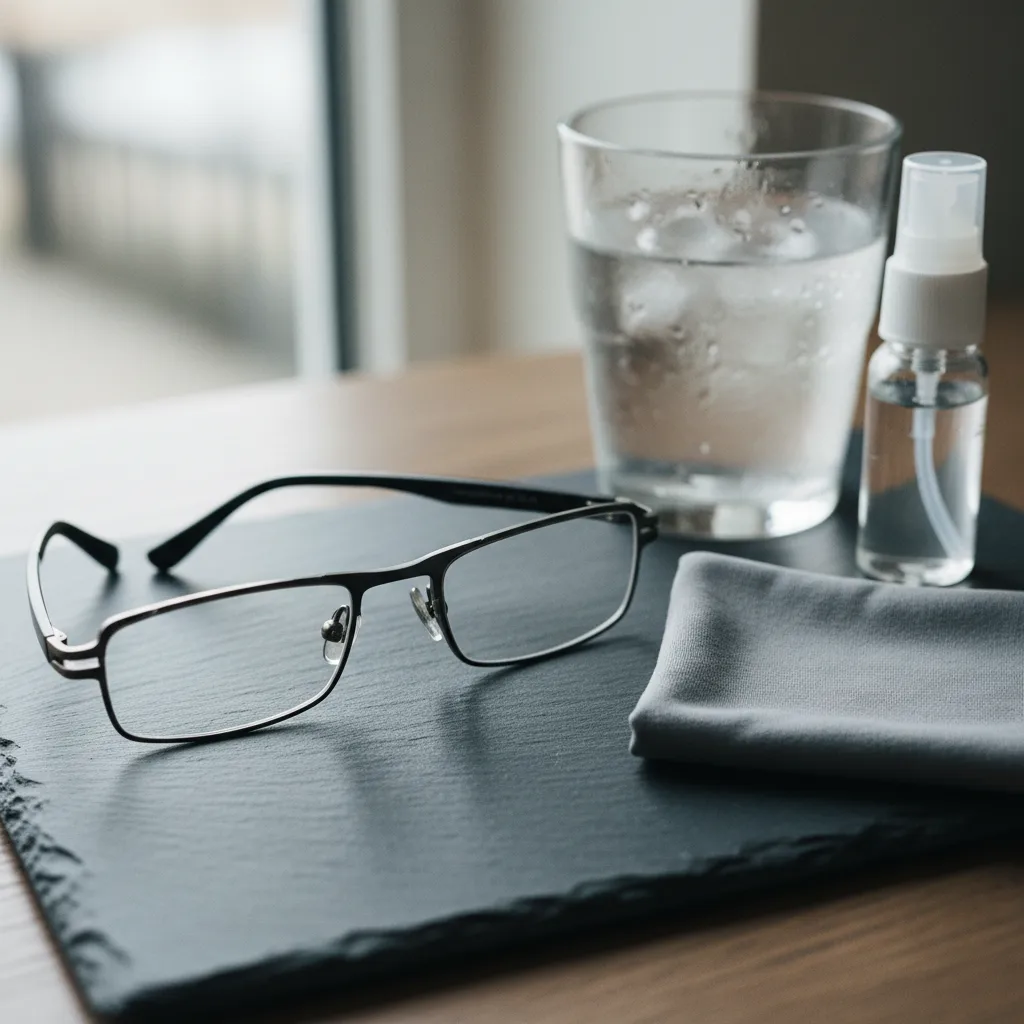
Rinse your lenses under lukewarm tap water before wiping, so grit and dried sweat do not scratch the surface. Use a drop of mild dish soap without lotion if the lenses feel greasy, then dry with a clean microfibre cloth. Avoid shirt tails, tissues and kitchen paper, which carry fibres and dust. Never leave glasses on a car dashboard or in direct sun. Every few weeks, clean the nose pads and hinges gently with soap and water, because that is where salt and oil build up first.
Who You Meet Around Duxton Hill
Weekday evenings around Tanjong Pagar bring office workers walking from the towers toward dinner on Duxton Road and Craig Road, alongside residents from the public housing blocks nearby. Weekends feel quieter in the morning and livelier after dark. The Duxton Hill terraces were restored as part of the conservation of the old Tanjong Pagar shophouse district, so the street still has deep five-foot ways that offer shade between short stretches of open sun. Optical staff in busy business districts hear the same complaints often, from glasses that slip during hawker lunches to screens causing tired eyes by late afternoon, so describe your typical day honestly. The more they know about your routine, the better they can match materials to it.
Planning a Visit Without the Midday Heat
Tanjong Pagar station on the East-West line sits at the centre of the area, and Maxwell station on the Thomson-East Coast line serves the Chinatown side. Many workers find a short visit after office hours is easier than a rushed lunch break. If you want to test frames in real conditions, take a minute outside before trying them on, because a frame that feels secure in a cool shop can slide once your skin warms up. Bring your current glasses so the staff can see how they have aged.
Where Karpo APP Fits In
Karpo APP can narrow the search when you know what you need but not where to go. Describe it in plain words, for example titanium frames with adjustable pads, a hydrophobic lens coating, and shops within walking distance of Tanjong Pagar or Duxton Hill. Karpo returns a shortlist of optical shops to look at more closely. Read each shop's own website for the materials and lens brands it describes, then contact the shop directly before you visit with any specific questions.
Signs Your Current Pair Needs Attention
Look for crazing, a web of fine cracks on the lens coating that shows up under bright light. Check whether the nose pads have yellowed or hardened, and whether the arms wobble when you shake the frame lightly. A frame that leaves deeper marks than it used to may have bent out of shape. Small issues like loose screws and tired pads are usually quick fixes, so ask about them before assuming you need a completely new pair.
Questions to Ask Before You Commit
Ask whether pad replacements and tightening are free after purchase. Ask how the shop recommends storing glasses at home in a humid flat, since a closed hard case keeps dust off better than leaving them on a shelf. If you swim, cycle or run outdoors, ask about a separate sports pair or prescription goggles instead of exposing your everyday glasses to chlorine and heavy sweat. Finally, find out how long lens orders usually take, so you are not left without a working pair.
A Short Checklist for Humid Days
Carry a microfibre cloth in a small pouch rather than loose in a pocket. Keep a hard case at your desk for times you take your glasses off. Wipe the lenses after a sweaty walk rather than letting salt dry on them. Have the frame checked and tightened every few months. If the cloth itself gets greasy, wash it by hand with plain soap and let it dry fully before using it again. These small habits, together with sensible materials and coatings, can keep a good pair comfortable and clear for much longer in Singapore's climate.
Ask Karpo for more information.
Keep reading
- Chinatown Batik Canting Pen Picker: Fine Spouts for Silk
 Tiong Bahru Batik Canting Pen Picker: Handles and Bowls
 Katong Batik Canting Pen Picker: Wide Spouts for Wave Fills