 Chinatown Batik Canting Pen Picker: Fine Spouts for Silk
Hidden Gems & Odd Finds
Telok Ayer Neighborhood Stationery Hop Route Along Amoy
Follow historic Telok Ayer shophouses along Amoy Street to uncover bespoke calligraphy paper, fountain pen inks, and tactile desk tools in Singapore.
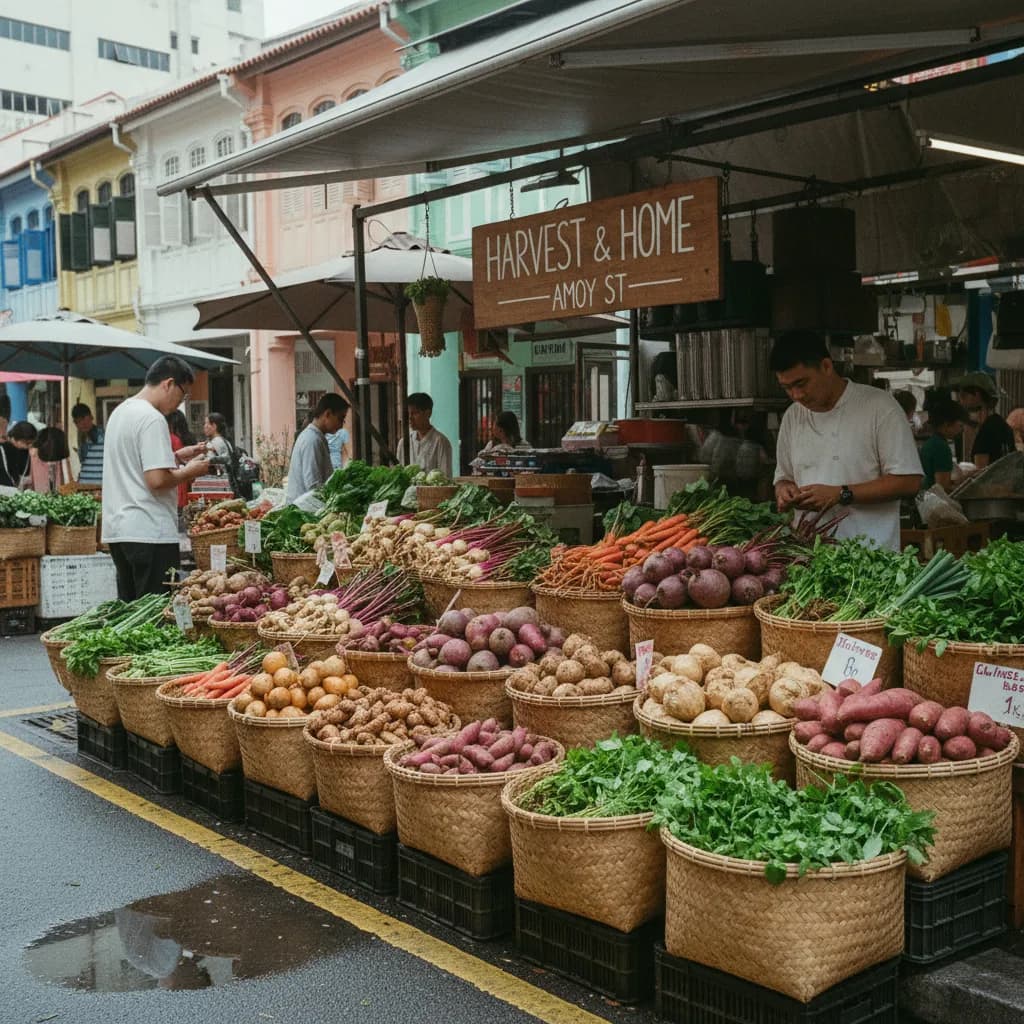
Telok Ayer's historic mercantile corridor presents Singapore's most culturally layered neighborhood stationery hop route, weaving century-old Chinese paper traditions and modern design boutiques through conserved shophouses along Amoy Street and Boon Tat Street. Once fronting Singapore's original shoreline where early immigrant merchants and maritime clerks drafted shipping manifests, this vibrant heritage enclave now blends traditional seal carving counters and calligraphy supply shops with contemporary paper stockists. Stepping along the shaded terracotta-tiled walkways, design travelers encounter a tactile world of handmade mulberry papers, artisanal bottled inks, and heavy brass desk accessories tucked behind ornate shuttered windows. Exploring this district on foot reveals how maritime heritage and analog writing tools continue to thrive side by side amidst Singapore's gleaming central financial skyline.

Amoy Street Shophouse Ateliers and Fine Pens
Stepping along Amoy Street reveals serene boutique ateliers housed within elegant two-story shophouses where historic masonry walls frame minimalist wooden display cases. Here, paper lovers discover imported Taiwanese and Japanese fountain pen papers, smooth fountain-friendly notebooks with lay-flat bindings, and fine calligraphy nibs from historic European makers. Enthusiastic shopkeepers demonstrate how different paper surface sizings influence ink absorption, inviting visitors to experience the glide of extra-fine gold nibs across ultra-smooth paper stocks. The unhurried pace within these boutiques provides a soothing contrast to the fast-paced financial district just across the road, encouraging visitors to linger over fine stationery details and rediscover the joy of deliberate penmanship.
Boon Tat Alleys and Artisanal Writing Paper
Weaving down Boon Tat Street brings visitors past ornate historic temple walls toward traditional stationery and art supply merchants who have served the Chinatown community for generations. Stacks of handmade Xuan paper, raw silk mounting scrolls, and inkstones carved from natural river stone rest alongside modern brush pens and water-based calligraphy inks. Visitors can handle handmade deckled paper sheets embedded with natural botanical petals and golden flecks, learning how raw mulberry bark fibers create remarkable tensile strength that resists aging for centuries. This rich blend of historic craft supplies and contemporary writing instruments makes Boon Tat Street an indispensable destination for calligraphy enthusiasts and mixed-media artists alike.
Stanley Street Counters and Brass Desk Objects
Rounding onto Stanley Street brings travelers into sleek design concept counters where functional workspace objects and modern desk aesthetics take center stage. Display tables exhibit solid brass pen trays, minimalist mechanical pencil holders, stainless steel paper clips, and archival storage boxes crafted from heavy Japanese bookcloth. Stationers here emphasize durable everyday tools that bring order and tactile pleasure to professional workspaces, offering modular desk pads, refillable leather document sleeves, and archival ink cartridges. The thoughtful design of these functional pieces underscores that quality desk accessories are essential investments in daily focus, productivity, and personal creativity.
Telok Ayer Green Corners and Traditional Inkstones
Strolling past Telok Ayer Green leads to hidden craft counters where historic stone seal carvers share bench space with specialty paper purveyors. Glass cases display hand-carved soapstone seals, cinnabar ink pastes ground with refined mineral oils, and hand-bound accordian-fold albums crafted from raw mulberry paper. Artisans explain how custom personal seals have authenticated letters and legal documents throughout East Asian commercial history, demonstrating the precise pressure required to make a crisp scarlet imprint on absorbent rice paper. Observing this ancient seal-cutting technique provides visitors with a profound appreciation for physical documentation and personal signatures.
Pacing Your Telok Ayer Morning
Timing a stationery walking tour through Telok Ayer requires mindful planning to experience the neighborhood at its most peaceful and comfortable hours. Aim to explore between mid-morning and early afternoon before the lively lunch crowd fills the surrounding restaurants, giving you uninterrupted time to browse paper shelves and test writing tools with shop attendants. Carrying a pocket notebook dedicated to testing ink drying times and paper weights ensures that every notebook purchase aligns with your daily writing routine. If a boutique feels bustling during peak office hours, take a ten-minute break inside the tranquil pavilion gardens of Telok Ayer Park before returning for an attentive conversation with the store curator.
What to Choose Along the Heritage Belt
Shoppers along the Telok Ayer heritage belt should focus their purchases on items that celebrate Singapore's rich multicultural printing and craft traditions. Look for hand-bound journals featuring traditional Chinese thread-binding techniques, bespoke bottled inks inspired by historic Straits Chinese color palettes, and handcrafted wooden rubber stamps designed by local illustrators. Avoid generic mass-market ballpoint pens and commercial plastic folders that offer little lasting quality or distinctive craft value. Selecting an authentic piece of handcrafted papercraft or a specialized calligraphy tool connects you directly to the living history of this historic trading district.
Safeguarding Paper Supplies in the Tropics
Equatorial warmth and sudden tropical showers make proactive paper protection essential when shopping for fine stationery in Telok Ayer. Always carry an insulated waterproof tote bag or protective nylon document pouch to shield fragile paper sheets and handmade sketchbooks from afternoon rain and humidity. When sudden tropical storms arrive, take advantage of the continuous sheltered five-foot-way walkways that run unbroken along Amoy Street, or pause inside a peaceful heritage cafe on Stanley Street to review your paper purchases while remaining completely sheltered from the damp air.
Practical Notes for Telok Ayer Explorers
Commuter access to Telok Ayer and Amoy Street is exceptionally easy, with Telok Ayer MRT station on the Downtown line located directly at the center of the district, and Tanjong Pagar and Raffles Place MRT stations both within a five-minute walk. Because opening hours differ across independent specialty boutiques and heritage trade shops, checking storefront notices or official web channels before visiting guarantees a smooth and well-timed visit. Public amenities, clean restrooms, and air-conditioned resting spaces are readily accessible within nearby commercial developments like Far East Square and Cross Street Exchange.
Planning Your Amoy Walk with Karpo APP
Arranging a walking itinerary through Telok Ayer is effortless when utilizing Karpo APP to coordinate your neighborhood paper stops. The platform's curated editorial guides assist you in planning an unhurried sequence connecting Amoy Street pen ateliers, Boon Tat paper merchants, and Stanley Street desk counters at your preferred tempo. Use the app to bookmark intriguing stationery spots, record ink test results, and locate quiet neighborhood tea spots where you can write a letter in peace. Having your route organized in one place lets you focus on appreciating fine paper goods while immersing yourself in Singapore's historic shophouse precinct.
Ask Karpo for more information.
Keep reading
- Chinatown Batik Canting Pen Picker: Fine Spouts for Silk
 Tiong Bahru Batik Canting Pen Picker: Handles and Bowls
 Katong Batik Canting Pen Picker: Wide Spouts for Wave Fills