 Chinatown Batik Canting Pen Picker: Fine Spouts for Silk
Hidden Gems & Odd Finds

Katong Joo Chiat Neighborhood Bookshop Cafe Stroll Route
Immerse yourself in Peranakan heritage architecture, Southeast Asian history publications, and artisanal coffee along the East Coast in Katong Joo Chiat.
Katong and Joo Chiat form the cultural soul of Singapore's eastern heritage district, where conserved pre-war shophouses create an exceptional backdrop for a neighborhood bookshop cafe route. Known for its rich Peranakan architecture, pastel facades, and shaded five-foot ways, this residential quarter invites readers to wander between quiet literary shelves, heritage coffee counters, and charming open-air verandahs at an unhurried, reflective pace that feels completely distinct from downtown bustle.
Conserved Shophouse Corridors on East Coast Road
Walking along East Coast Road immerses you in a landscape of decorative plasterwork, ornate ceramic tiles, and timber shuttered windows dating from the nineteen-twenties and thirties. The continuous covered walkway, known locally as the five-foot way, shields pedestrians from intense afternoon sun, creating an atmospheric tunnel where book browsers can wander between heritage storefronts without haste. The vintage ceramic floor tiles add character underfoot as footsteps echo softly.
The neighborhood retains a strong sense of community intimacy that larger downtown shopping precincts have long surrendered. Independent book collections and cultural design spaces tucked behind narrow shophouse frontages offer thoughtfully curated selections of regional literature, poetry chapbooks, and social histories that reflect the distinct multicultural heritage of coastal Singapore. Browsing these local volumes provides rich cultural context for the physical surroundings through which you walk.
Stepping inside these restored heritage spaces reveals high ceilings, exposed brick pillars, and internal airwells that naturally circulate tropical breezes. The quiet rustle of pages turning against the gentle whir of vintage ceiling fans creates an immediate sense of sanctuary, encouraging visitors to spend time exploring local writers and Southeast Asian essay collections. The atmosphere feels private, timeless, and welcoming, offering relief from tropical humidity.
Traditional Kopi and Modern Drip Coffee Spaces
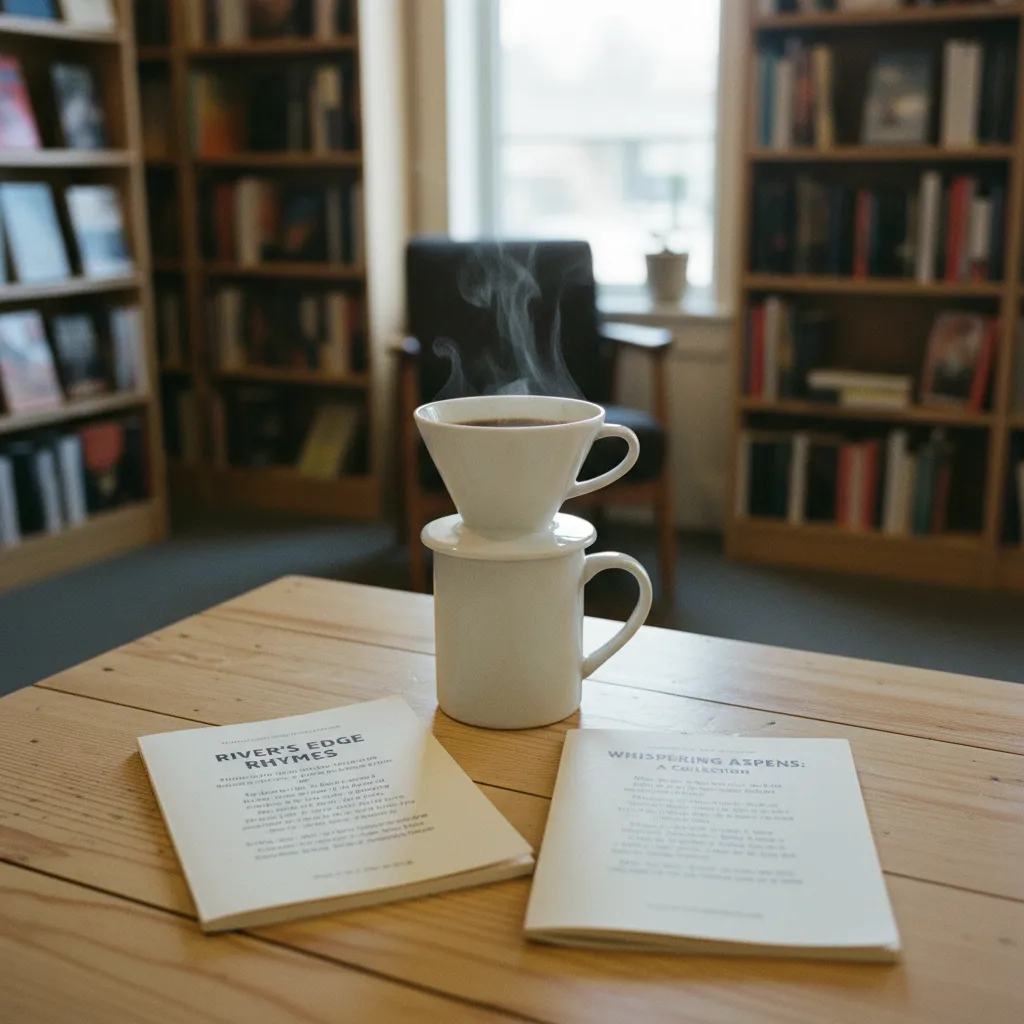
The intersection of old and new coffee traditions defines the sensory rhythm of Katong. You can begin the morning with a thick cup of traditional kopi o paired with charcoal-toasted kaya bread in a historic coffee shop, before exploring specialty coffee counters nearby that serve carefully sourced pour-over roasts and cold brews. Both traditions celebrate craftsmanship, patience, and distinct regional roasting profiles.
Many local cafes feature rear garden courtyards or communal wooden tables where patrons are welcome to sit quietly with their reading material. The aroma of freshly ground beans mingles with the nostalgic scent of old paper and timber floorboards, creating an environment perfectly calibrated for deep concentration and contemplative reading breaks. Natural light filters softly down from internal open airwells onto open pages.
Carrying a warm brew to an outdoor bench along the verandah allows you to observe neighborhood life unfolding. Long-time residents cycling past with market baskets and curious travelers photographing decorative facade carvings provide a vibrant, lived-in context for whatever chapter you happen to be engrossed in. The gentle street movement never disrupts your reading immersion, offering a relaxed community rhythm.
Peranakan Architecture Along Koon Seng Road
A short walk north leads to Koon Seng Road, famous for its unbroken row of pastel-painted Peranakan terrace houses decorated with elaborate floral motifs and mythical creature reliefs. Strolling down this quiet residential lane offers inspiring architectural details that complement historical fiction or architectural monographs focused on Straits Chinese design. The pastel pink, turquoise, and yellow facades glow warmly in the daylight.
The pedestrian footpaths along Koon Seng Road are typically peaceful during mid-morning hours, with private tropical gardens spilling over low front walls with fragrant frangipani blossoms. Finding a shaded bench near the corner provides a picturesque rest stop to absorb a few pages before turning back toward the main commercial avenues of Joo Chiat. The neighborhood feels serene and untouched by highway rush.
Local Literature and Southeast Asian Poetry
The East Coast has long been an inspiration for Singaporean writers, poets, and visual artists. Exploring the book collections across Katong often yields bilingual editions, graphic novels, and memoirs chronicling the evolution of seaside kampung communities into modern residential heritage towns, providing authentic local insight that enriches your walking journey. Reading these local narratives right where they unfolded creates an unforgettable literary resonance that connects memory with landscape.
Finding Shaded Reading Nooks in Five-Foot Ways
The architectural genius of the five-foot way lies in its transitional nature between public street and private residence. Sitting on a stone bench beneath an arched shophouse colonnade keeps you sheltered from midday heat while maintaining connection with the ambient street life, making it one of Singapore's most authentic reading environments. Overhead ceiling fans and cross breezes keep the covered corridor comfortable throughout the tropical afternoon.
Afternoon Pacing in Residential Joo Chiat
As midday transitions into late afternoon, the pace along Joo Chiat Road softens considerably. The golden hour light filters through vintage louvered shutters, casting warm amber patterns across the road surface. This is the ideal moment to transition from lively main streets to quieter side lanes like Ceylon Road and Chapel Road, where mature trees line the residential properties with broad shade.
Taking a leisurely pace allows you to discover hidden pocket parks and shaded temple courtyards where stone benches offer complete serenity. Reading outdoors here feels like stepping back into an earlier, more grounded chapter of Singapore's urban story, where neighbors greet one another in passing and evening shadows lengthen slowly across the historic tile rooftops.
Breezy Verandahs and Heritage Courtyards
Several conserved shophouses have opened their internal courtyards to quiet visitors, featuring potted palms, water features, and open skylights. These architectural oases remain pleasantly cool and quiet, offering ideal reading retreats where you can reflect on your literary finds over an iced hibiscus tea or black coffee. The natural greenery and stone walls create a peaceful garden sanctuary.
When to Plan Your Katong Book Route
Weekdays between ten in the morning and two in the afternoon provide the calmest atmosphere for reading and browsing without weekend crowds. Many neighborhood spaces take rest days on Tuesdays or Wednesdays, so planning your excursion for a Monday, Thursday, or Friday ensures that local bookstores and coffee roasters are fully accessible. The morning hours offer the best combination of open doors, gentle temperatures, and quiet footpaths.
Practical Transport and Neighborhood Tips
Katong and Joo Chiat are easily reachable via Marine Parade MRT station on the Thomson-East Coast Line, which leaves you just a brief stroll from East Coast Road. Regular bus routes thirty-three and sixteen also connect directly from Eunos and Dakota stations. You can use the Karpo APP to explore personalized route adjustments and find quiet heritage benches along the way.
Ask Karpo for more information.
Keep reading
- Chinatown Batik Canting Pen Picker: Fine Spouts for Silk
 Tiong Bahru Batik Canting Pen Picker: Handles and Bowls
 Katong Batik Canting Pen Picker: Wide Spouts for Wave Fills