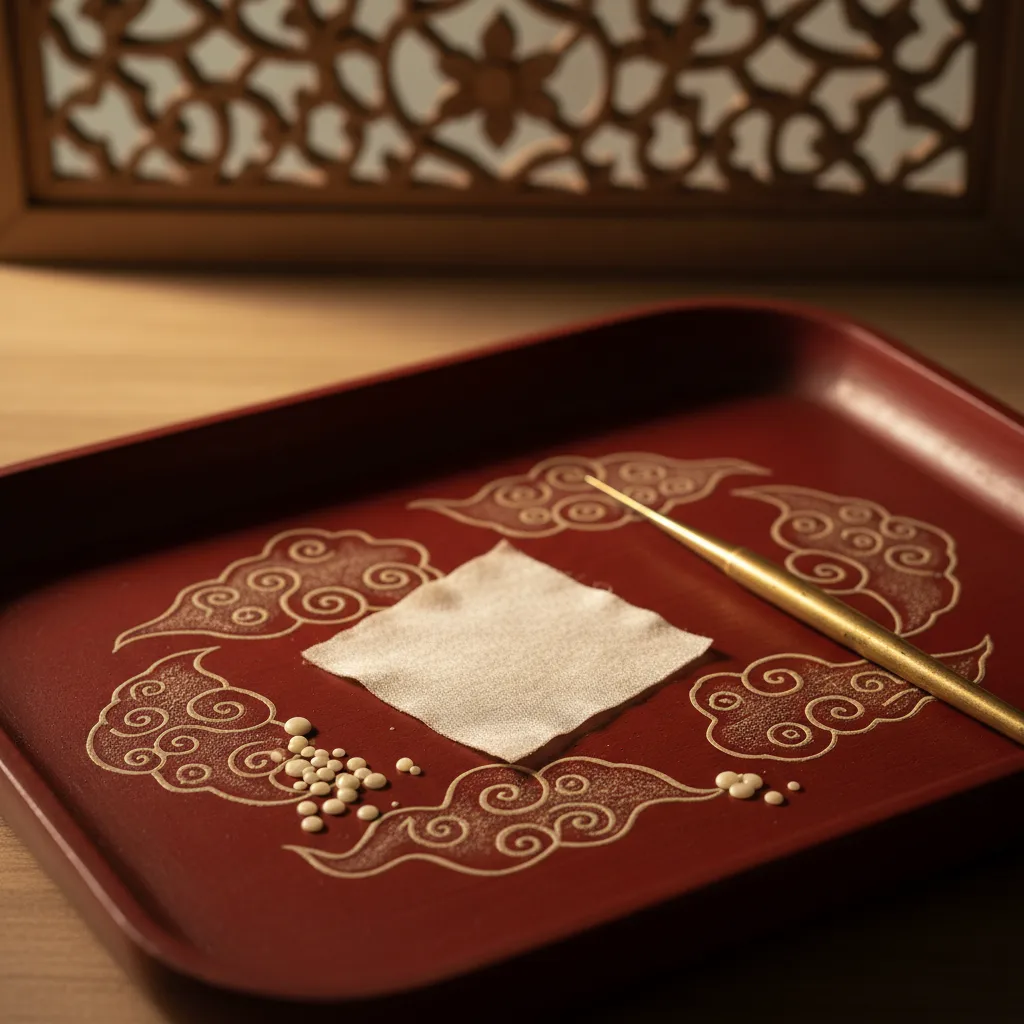
 Chinatown Batik Canting Pen Picker: Fine Spouts for Silk
Hidden Gems & Odd Finds
Tiong Bahru Neighborhood Antiques Crawl: 1930s Flats First
Tiong Bahru's best antiques are its 1930s Streamline Moderne flats, conserved in 2003. Walk the estate, then continue to Chinatown's collectibles dealers.
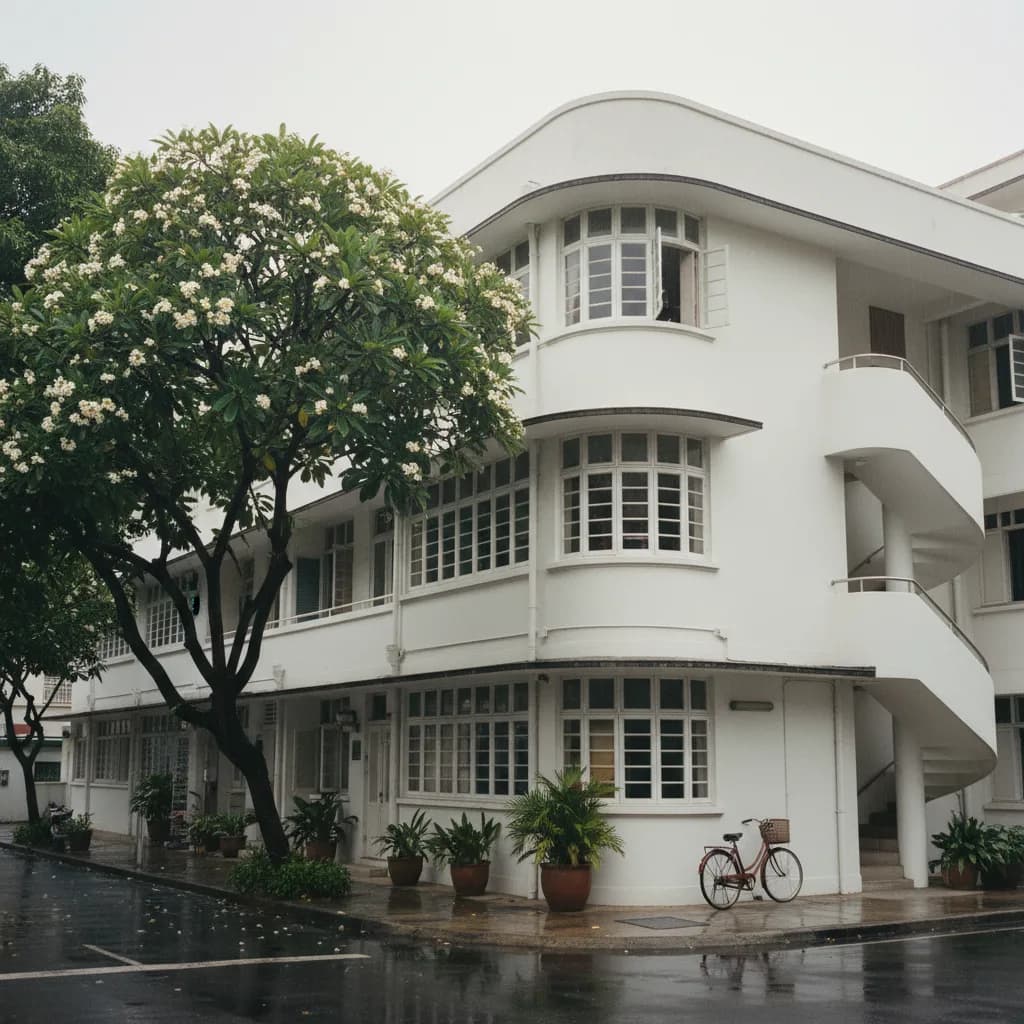
Tiong Bahru is not a district of antiques dealers, and that is exactly why it makes a good neighborhood antiques crawl for Singapore. The finest old objects here are the buildings themselves: walk-up flats built by the Singapore Improvement Trust between the mid-1930s and 1941, with curved corners and spiral back stairs, and conserved by the Urban Redevelopment Authority in 2003. Spend the morning reading them, then walk on to Chinatown's collectibles shops.
Why Start Among the Flats
Train your eye on architecture before you look at objects. The pre-war Tiong Bahru blocks were designed by Alfred G. Church in a modified Streamline Moderne style, a late branch of Art Deco inspired by ships, trains and aircraft. Residents compared the rounded forms to the Art Deco control tower at the old Kallang Airport and nicknamed them aeroplane flats. Once you notice the details, you start to date things by their curves and window lines.
The estate began as a housing response to overcrowding in the colonial town centre. In 1930 The Straits Times described the land as swamp scattered with insanitary huts, and within about a decade the trust had completed more than 780 flats here. The name itself is a reminder of what came before: tiong is Hokkien for cemetery and bahru is Malay for new, referring to burial grounds that once covered the hill.
Reading the Pre-War and Post-War Blocks
Walk the grid slowly and compare the two generations of buildings. The pre-war blocks have rounded balconies, ribbon windows, light wells and those elegant spiral staircases at the back of each block. The post-war blocks built in the late 1940s and 1950s follow a plainer International Style, softened with porthole windows and curved stair towers. Spotting the difference is the same skill as telling an original piece from a later copy at a market stall.
Take note of the five-foot ways, the covered walkways that run in front of the ground-floor units, and the generous green spaces between blocks. The heritage trail produced by the National Heritage Board maps key sites around the estate, and following a few of its markers adds structure to the wander. Keep your camera ready, but remember these are homes, so photograph from the street and leave residents' doorways and back stairs alone.
Market, Temple and Shelter Stops
Tiong Bahru Market sits at the heart of the estate. The original market opened in 1955 and was rebuilt as a two-storey structure that reopened in 2006, with a wet market and shops on the ground floor and a hawker centre above. It is the natural breakfast stop and a living counterpoint to the conserved flats, a place where the neighbourhood's daily routine carries on much as it has for decades.
Nearby on Eng Hoon Street, Qi Tian Gong is a small temple dedicated to the Monkey God, whose festival brings lion and dragon dances and Chinese street opera. Further into the estate, a former air-raid shelter beneath one of the pre-war blocks is a reminder that these flats were completed on the eve of the Second World War. Look for the heritage trail markers that explain what each site meant to residents.
One lost detail is worth knowing. The junction of Seng Poh Road and Tiong Bahru Road once held a bird singing corner from the early 1980s, where owners hung cages of songbirds over morning coffee. Hotel construction displaced it in 2003. Ask an older resident at the market about it and you may hear more about the estate than any plaque can tell you, which is the real reward of slow walking.
Continuing to Chinatown for Collectibles
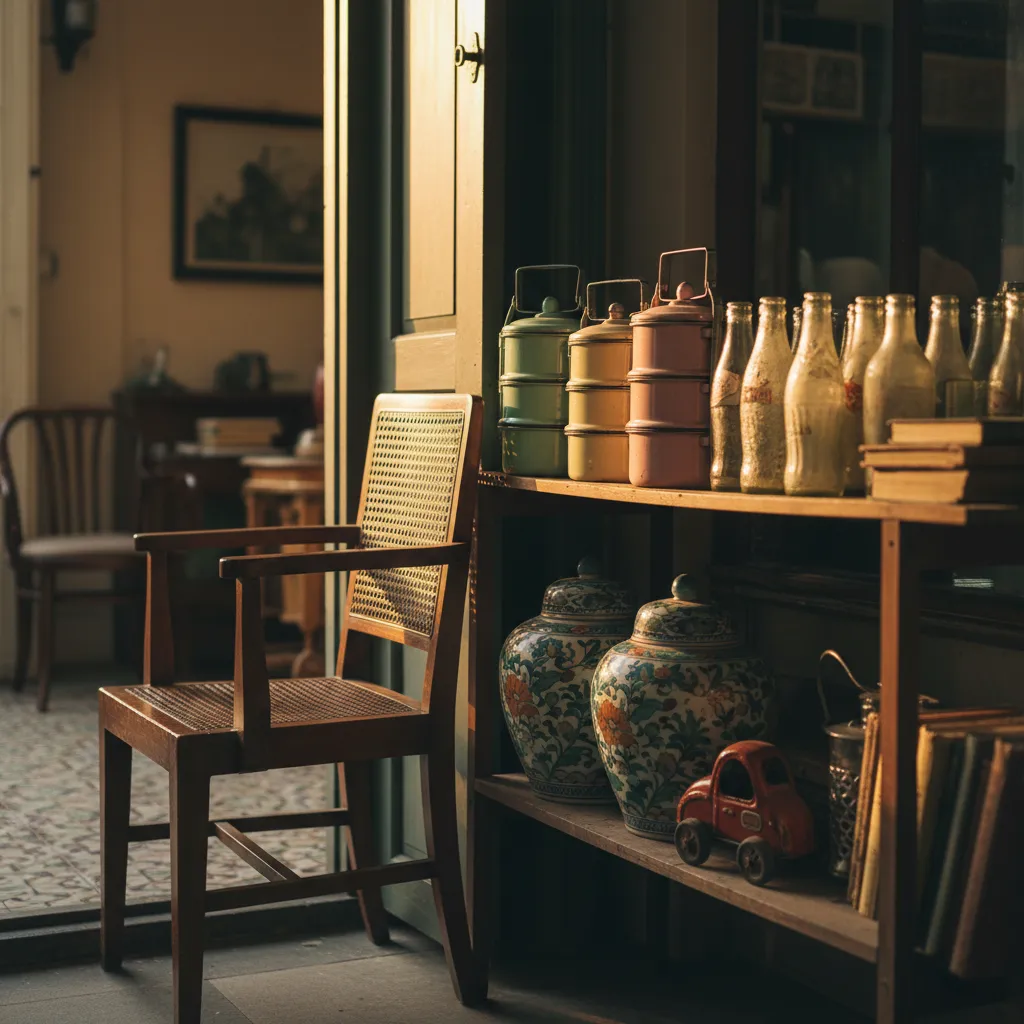
From the estate, head north-east toward Outram and Chinatown. The walk takes you from residential calm into the dense shophouse streets of the old town, and it is where the object hunting begins. Chinatown has a scattering of vintage and collectibles dealers selling old drink crates, glass bottles, enamelware, crockery and retro household goods. Expect the shops to be cramped and the stock piled high, so set aside time to dig.
Who gets the most from this crawl? Architecture lovers, photographers, and collectors interested in everyday Singapore objects rather than museum-grade pieces. If your goal is formal Asian antiques such as carved furniture, ceramics or Buddhist sculpture, save that for a separate trip to Dempsey Hill, where the city's antique and Asian art dealers are concentrated. Tiong Bahru and Chinatown are about atmosphere, memory and affordable finds.
What to Skip and When to Adjust
Skip the queue at whichever cafe is trending on social media that week. The estate has many cafes and bakeries, and the busiest ones absorb an hour you could spend on the walk. Grab coffee somewhere quieter or at the market instead. Skip, too, any idea of buying architectural salvage here, since the conserved blocks are protected homes, not sources of old fittings. Admire them and move on.
Plan around the weather. Singapore's afternoon storms can arrive quickly, and the estate's five-foot ways give good cover while you wait them out. Walk the flats in the cooler morning and save Chinatown's indoor shops for the hotter middle of the day. If you have only a weekday evening, the estate is still lovely for photographs, but many small collectibles shops will be closed, so treat it as an architecture-only walk.
Practical Notes for the Day
Tiong Bahru MRT station on the East-West Line puts you at the edge of the estate, and Outram Park and Chinatown stations sit at the other end of the route. Wear light clothing, carry water, and bring a small bag for finds. Fragile crockery should be wrapped before it goes in a backpack. Ask before photographing a shop's stock, and handle old glass with care, since the owners often collected it piece by piece.
To shape the day around your interests, tell Karpo whether you care more about architecture, everyday vintage or formal antiques, and it will suggest which stops to prioritise and save a shortlist you can check as you walk. Then let the curves of the old flats tune your eye before you start opening drawers in Chinatown, because that is the order in which this neighbourhood makes the most sense.
Ask Karpo for more information.
Keep reading
- Chinatown Batik Canting Pen Picker: Fine Spouts for Silk
 Tiong Bahru Batik Canting Pen Picker: Handles and Bowls
 Katong Batik Canting Pen Picker: Wide Spouts for Wave Fills