 Chinatown Batik Canting Pen Picker: Fine Spouts for Silk
Hidden Gems & Odd Finds
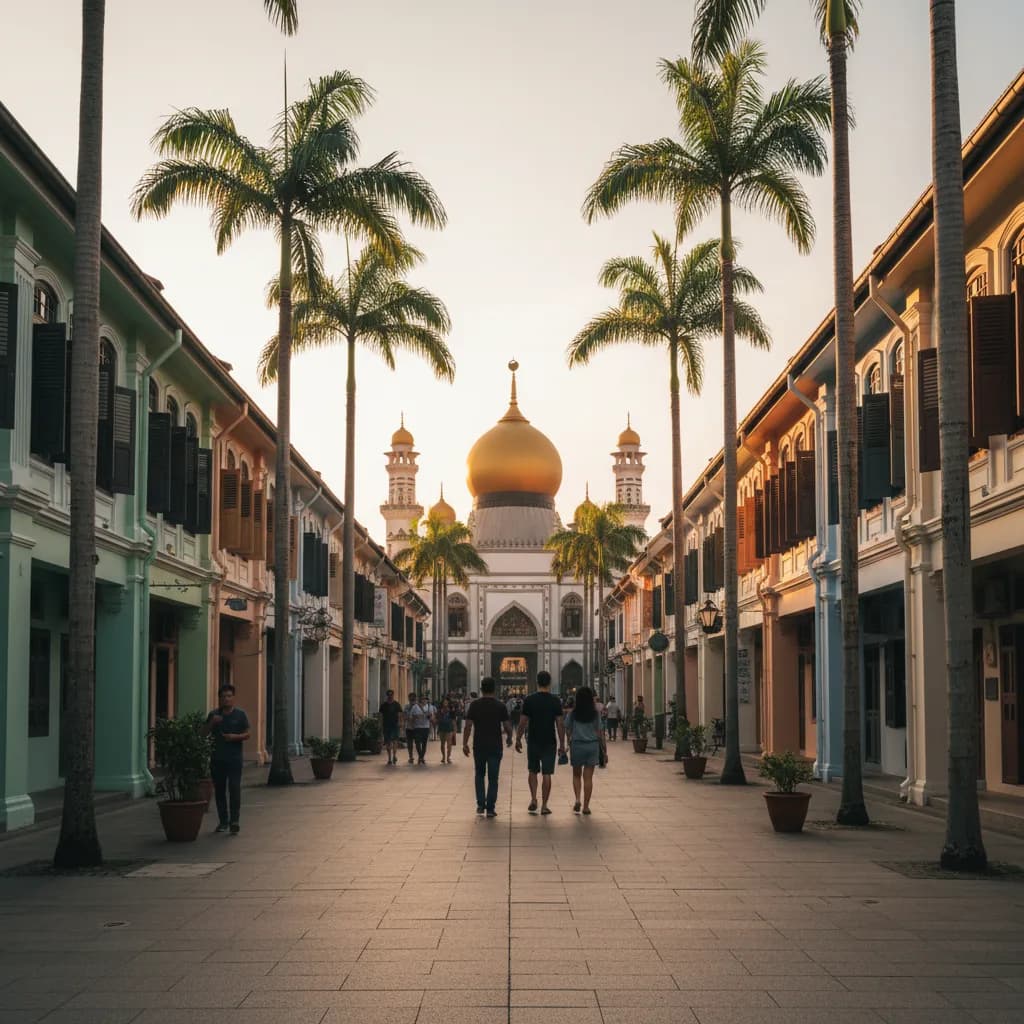
Kampong Glam Neighborhood Antiques Crawl: Palace to Mosque
Kampong Glam's oldest objects sit in the 1840s Istana, reopened as the Malay Heritage Centre in April 2026, and in Sultan Mosque's glass-bottle dome base.
Kampong Glam is not a dealers' district, so a neighborhood antiques crawl here means seeking out old objects in their proper setting. The anchor is Istana Kampong Glam, the palace built in the 1840s for Sultan Ali Iskandar Shah, which reopened as the Malay Heritage Centre on 25 April 2026 with new permanent galleries. From there, the gold-domed Sultan Mosque and the textile shops of Arab Street complete the loop.
Why This Is a Looking Crawl
Most visitors arrive for Haji Lane murals, cafes and independent fashion, and the area's reputation reflects that. The antiques interest lies one layer deeper. This was the seat of the Malay royal household after the 1819 treaty, and the palace, the mosque and the old trading streets still carry that history. Treat the walk as an education in Malay craft and design, which pays off when you later shop for real pieces elsewhere.
Start at Bugis MRT station and walk north-east into the conservation area, or arrive from Nicoll Highway station if you are coming from the bay side. The district is compact, and the full loop can be done in a morning with time inside the museum. Dress modestly, because the mosque welcomes visitors outside prayer times but expects shoulders and knees covered, so pack a light layer.
The Istana and Its New Galleries
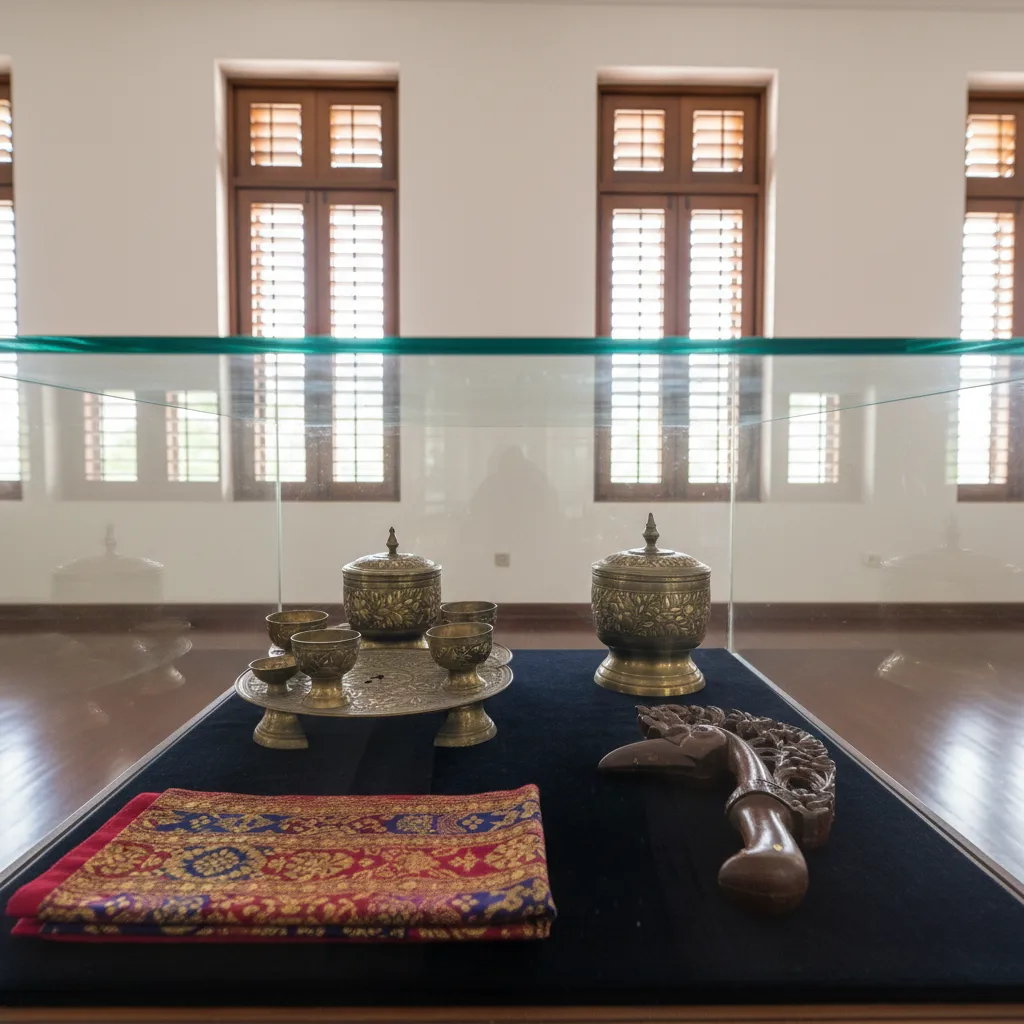
The Istana is a handsome building in its own right, blending Palladian proportions with Malay decorative motifs, and it sits in a broad garden compound. It was gazetted as a national monument during Singapore's SG50 celebrations. After closing on 30 October 2022 for a full redevelopment, it reopened in 2026 with galleries in which more than 80 percent of the artefacts on display had never been shown publicly before.
For an antiques lover, that statistic is the reason to go now. Spend your time looking at craft objects closely: woven textiles, metalwork, carved wood and household items that show how Malay material culture was made and used. Note techniques, motifs and materials, and how pieces are dated in the labels. That visual vocabulary helps you recognise genuine older pieces from modern tourist copies when you browse later.
Admission was free for all visitors during the reopening celebrations until 28 June 2026. Afterwards, entry stays free for Singapore citizens and permanent residents, while tourists pay an admission fee. Budget at least an hour inside, longer if textiles or metalwork are your speciality. The garden compound is pleasant for a pause once you come out into the midday heat.
Sultan Mosque and the Bottle-End Dome
The mosque's story begins earlier than its present walls. After the 1819 agreement with the British, Hussein Shah of Johor ordered the first mosque here, and Stamford Raffles contributed toward its construction. That original building lasted about a century before the congregation outgrew it. Keeping the sequence in mind helps you read the district as layers: royal compound, first mosque, trading streets, and finally the 1932 rebuild that dominates the skyline today.
Walk south from the Istana to Sultan Mosque, first built in 1826 and rebuilt into its present form in 1932 to a design by the Irish architect Denis Santry. Its golden domes are the district's landmark, and they hold one of Singapore's most touching details. The bases of the domes are decorated with the sawn-off ends of glass bottles collected from poorer members of the community during the rebuilding, so everyone could contribute.
Look up from the courtyard to find that ring of glass and think of it as a community antique, a record of who paid for the building in the only way they could. The mosque was gazetted as a national monument on 8 March 1975. Its two minarets are the only ones in Singapore still permitted to broadcast the call to prayer, so time your visit to hear it if you can.
Arab Street and the Textile Trade
Arab Street runs south-west from the mosque and has long been known for textiles. Its shophouses sell batik, songket and other fabrics alongside rugs and household goods, and the stock varies from new machine prints to handmade cloth. Use what you learned at the Istana to tell them apart: check the reverse side of a batik for even dye penetration, and look at the weave and metallic thread of songket closely.
Ask the shopkeeper where a cloth was made and how, and you will often get a short lesson in regional weaving and dyeing traditions. Hand-drawn batik shows small irregularities in the wax lines, while printed versions repeat with mechanical precision. Older textiles may show soft wear along folds. Buy what you love rather than what is labelled antique, and keep any receipt that describes origin and technique.
Bussorah Street, the pedestrian avenue lined with palms and restored shophouses leading to the mosque, is the classic photograph. Muscat Street and Baghdad Street nearby are quieter and better for spotting original shophouse details such as timber shutters and decorative plasterwork. Walk these lanes slowly in the late afternoon, when the mosque dome catches the light and the heat softens before the evening crowd arrives.
What to Skip and Where to Buy
Skip Haji Lane if your focus is antiques. It is lively and colourful, but its shops lean toward new fashion, gifts and bars, and the narrow lane is crowded on weekend evenings. Skip, too, the souvenir stands selling mass-produced keris and miniatures near the main streets. For genuine older Asian furniture and decorative pieces, plan a separate trip to Dempsey Hill, the city's main concentration of antique and Asian art dealers.
Who gets the most from Kampong Glam? Visitors curious about Malay and Islamic heritage, textile lovers, and collectors who want to understand objects before they buy them. It also suits families, since the museum and garden give children space. If you have a free Friday, remember that midday prayers make the mosque busy, so visit it in the morning or later in the afternoon instead.
Practical Notes
Carry water and an umbrella for sudden storms, and wear shoes you can slip off easily at the mosque. Start with the Istana while you are fresh, and leave the textiles for later, when browsing in shaded shophouses is a welcome break from the sun. If you want help shaping the day, tell Karpo whether you lean toward textiles, museum objects or architecture, and it will suggest stops and save a shortlist for your walk around Kampong Glam.
Ask Karpo for more information.
Keep reading
- Chinatown Batik Canting Pen Picker: Fine Spouts for Silk
 Tiong Bahru Batik Canting Pen Picker: Handles and Bowls
 Katong Batik Canting Pen Picker: Wide Spouts for Wave Fills