 Chinatown Batik Canting Pen Picker: Fine Spouts for Silk
Hidden Gems & Odd Finds
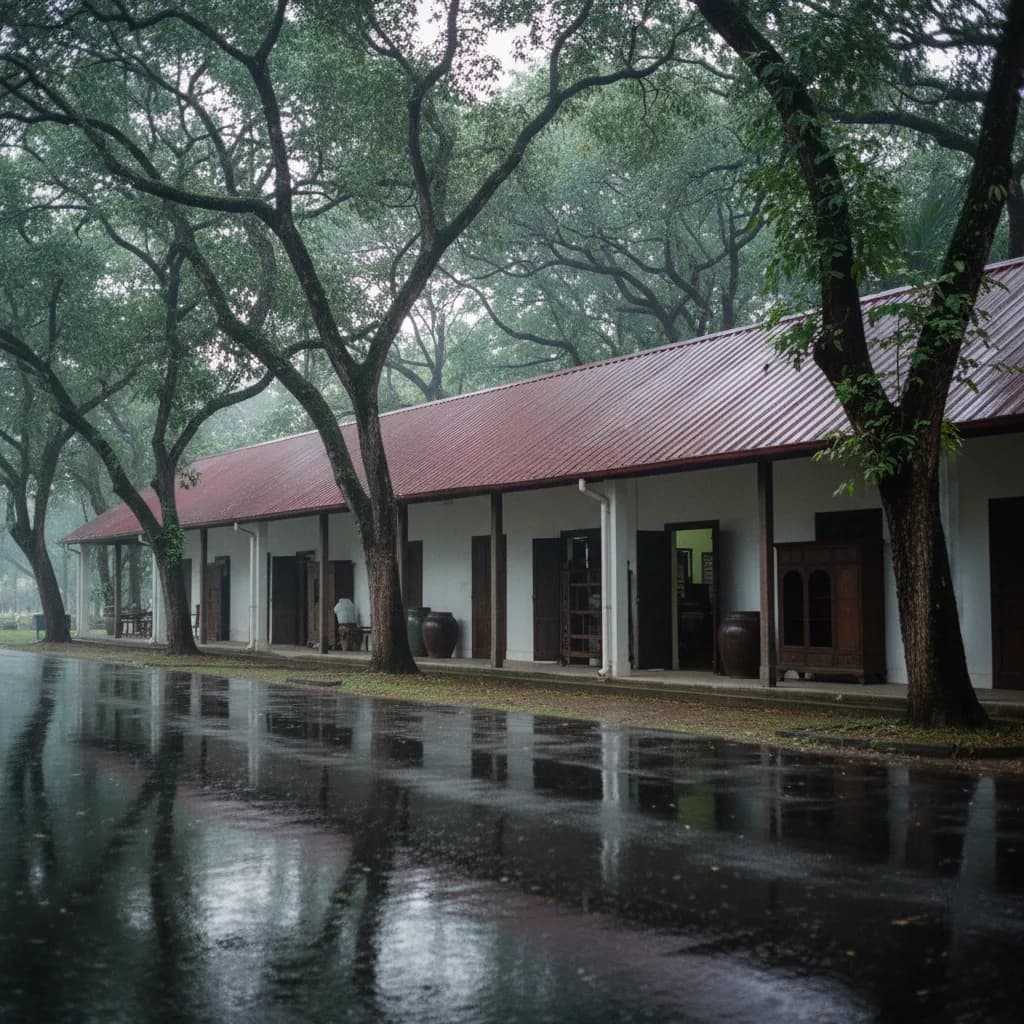
Dempsey Hill Neighborhood Antiques Crawl: Barrack Dealers
Dempsey Hill's antiques dealers trade from former Tanglin Barracks blocks built from 1860 on a failed nutmeg estate, beside the 1884 St George's Church.
Dempsey Hill is the one place in Singapore where a neighborhood antiques crawl means exactly what it says. Dealers specialising in Chinese, Indonesian and Southeast Asian furniture, ceramics, lacquer and textiles trade from the low barrack blocks of the former Tanglin Barracks, a British military camp built from 1860 on land that had just failed as a nutmeg plantation. The setting is half the pleasure, and the dealers are the reason to come.
From Nutmeg Estate to Barracks
Before the soldiers, the hill was known as Mount Harriet and planted with nutmeg trees across land that reached toward today's Botanic Gardens. The estate belonged to William Willans and Hoo Ah Kay, the merchant better known as Whampoa. A beetle blight ruined the trees by 1857, and in May 1860 the owners sold the land to the British for 25,000 Spanish dollars.
Construction of Tanglin Barracks began that year, with barrack blocks, officers' quarters and later a hospital, school and church. The camp saw the 1915 mutiny of Indian troops, served the Japanese as a prisoner of war site and depot during the occupation, and became the headquarters of the Far East Land Forces after 1945. The road is named after General Sir Miles Dempsey, who commanded Allied land forces in South-East Asia at the end of the war.
After the British withdrawal in 1971, Singapore's Ministry of Defence and the Central Manpower Base occupied the camp until 1989. The Singapore Land Authority rebranded the area Tanglin Village in 2006, and Dempsey Hill was launched as a lifestyle destination in July 2007. Antiques and art dealers have been part of its character alongside the restaurants ever since.
St George's Church First
Begin at St George's Church on Minden Road, built in 1884 as the garrison church in a Romanesque basilica style and gazetted as a national monument in 1978. Its red brick and arched windows set the tone for the walk. Step inside quietly if it is open, and notice the plain, sturdy craftsmanship of a building made for soldiers rather than show. It is a useful reminder that the most interesting old things here were built for use.
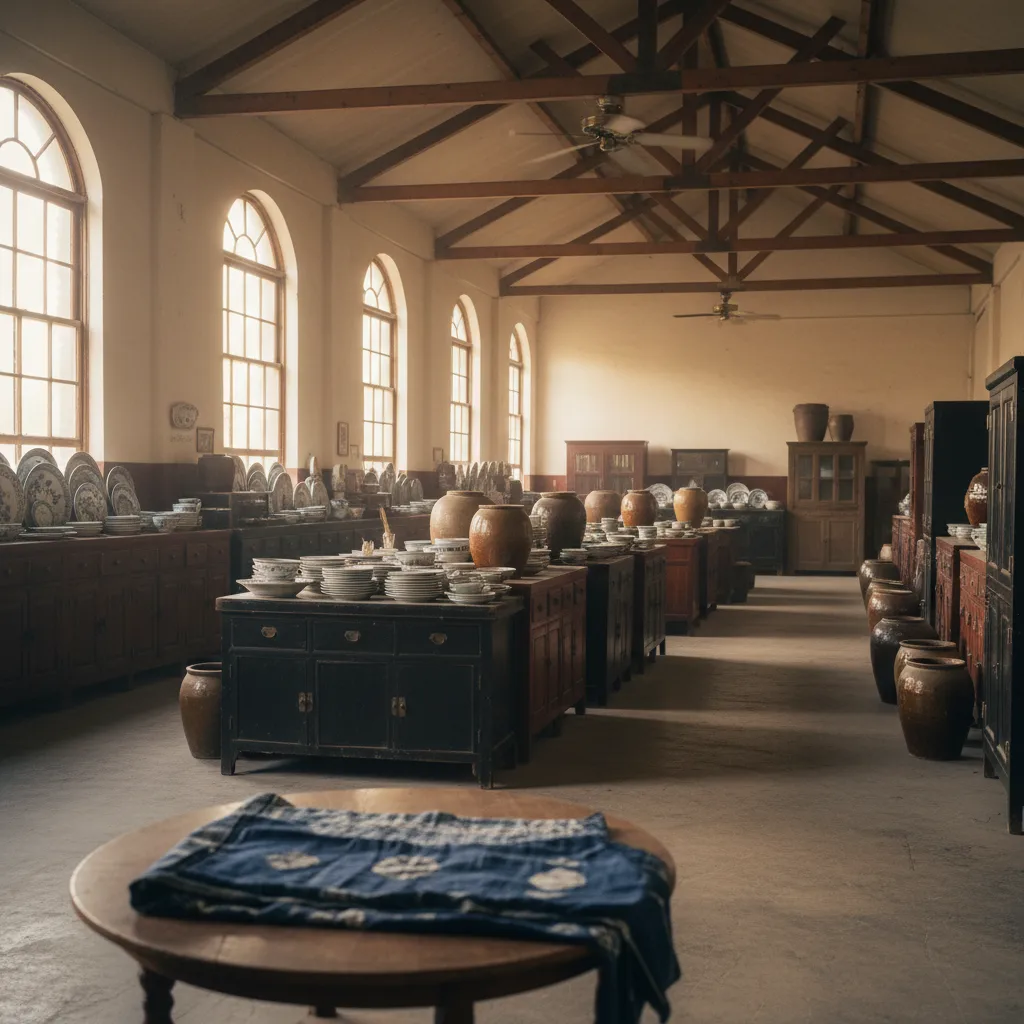
Walking the Dealer Blocks
From the church, follow Dempsey Road uphill and wander the blocks on either side. The barrack buildings are long, single-storey and deeply shaded by verandas, and many dealers use the generous floor space to show large pieces properly: elm cabinets, altar tables, carved panels, Peranakan furniture, stone figures and rows of glazed storage jars. Loewen Road, a short distance away, has its own cluster of galleries and furniture spaces worth adding.
Take your time in each showroom. Good dealers here expect browsers and will happily explain the age, wood and region of a piece. Ask to see the back and underside of furniture, where repairs and replacements are easiest to spot. Look at joints rather than surfaces. Hand-cut mortise and tenon work, old tool marks and natural wear on handles suggest age. Uniform finishes and sharp edges suggest a newer piece or heavy restoration, which is not a flaw if it is disclosed.
Ceramics reward a different kind of attention. Turn a jar or bowl over and study the foot ring, where the unglazed clay shows its colour and texture. Old pieces often show grit, kiln marks and gentle wear, while modern copies can look too clean or artificially stained. Run a finger around the rim for chips and restoration, and hold plates up to the light to look for hairline cracks. Ask the dealer to point out any repairs, since honest sellers will show you before you find them.
Textiles need light and patience. Ask to see the reverse side of a songket, batik or embroidered panel, where dyes and stitching reveal more than the front. Natural dyes fade unevenly, and hand weaving shows small irregularities that machine copies smooth away. Check folds for weakness, since old cloth often splits along the lines where it has been stored.
Questions Worth Asking
Before you commit, ask four things. Where and roughly when was the piece made? What has been repaired, replaced or refinished? Is there any paperwork about origin? And can the dealer arrange packing and shipping, including any documents needed to export or import it? Many dealers on the hill ship internationally, but rules differ by destination, so confirm what your home country requires for timber, decorative inlay and older ceramics.
Get the answers in writing on your receipt for anything significant. A clear description protects you if you ever resell, insure or need to explain the piece at customs. If a dealer is vague about age or origin, treat the object as decorative rather than antique and decide whether you still love it on those terms.
What to Skip
Skip rushing the visit to fit around a meal. Dempsey Hill is famous for restaurants and brunch, and weekend crowds can make the dealer blocks feel like an afterthought. Come earlier in the day for the browsing and save the dining for later. Also skip buying anything large on impulse. Measure your space, take photographs and come back if you need to.
Who gets the most from Dempsey Hill? Collectors ready to buy, homeowners furnishing with Asian pieces, and history fans who enjoy colonial military architecture. It also works well as the final stop after looking-focused walks in Katong, Bugis or Tanjong Pagar, where you can learn the styles before you spend.
Practical Notes
The hill is green, shaded and spread out, so wear comfortable shoes and allow time to move between blocks. Taxis and ride-hailing are the easiest way in and out, and the Botanic Gardens, a UNESCO World Heritage Site since 2015, is close by if you want a walk afterwards. Carry an umbrella for sudden rain and a tape measure if you are serious about furniture.
Karpo can help you shortlist dealers by what you want to find, from Peranakan furniture to old ceramics, and save the plan so you can follow it on the day. Message a dealer ahead if you are travelling for one specific piece, and they can set it aside for you to see.
Ask Karpo for more information.
Keep reading
- Chinatown Batik Canting Pen Picker: Fine Spouts for Silk
 Tiong Bahru Batik Canting Pen Picker: Handles and Bowls
 Katong Batik Canting Pen Picker: Wide Spouts for Wave Fills