 Chinatown Batik Canting Pen Picker: Fine Spouts for Silk
Hidden Gems & Odd Finds

Joo Chiat Holiday Baking Supply Shop Finder for Kueh Lapis
Joo Chiat is where Peranakan families shop for festive kueh: brass lapis trays, kueh bangkit moulds and pandan. Walk the shophouse rows early, list in hand.
A layered kueh lapis takes a whole afternoon, a heavy tray and a grill that browns each thin stripe evenly. In Joo Chiat, the old Peranakan quarter in the east of Singapore, that cake still turns up on festive tables at Christmas, Chinese New Year and Hari Raya, and the tools behind it are part of family memory. Anyone using a holiday baking supply shop finder here is usually after something specific: a proper lapis tray, a carved kueh bangkit mould, or enough fresh pandan for a weekend of baking.
Heirloom Recipes Ask for Particular Tools
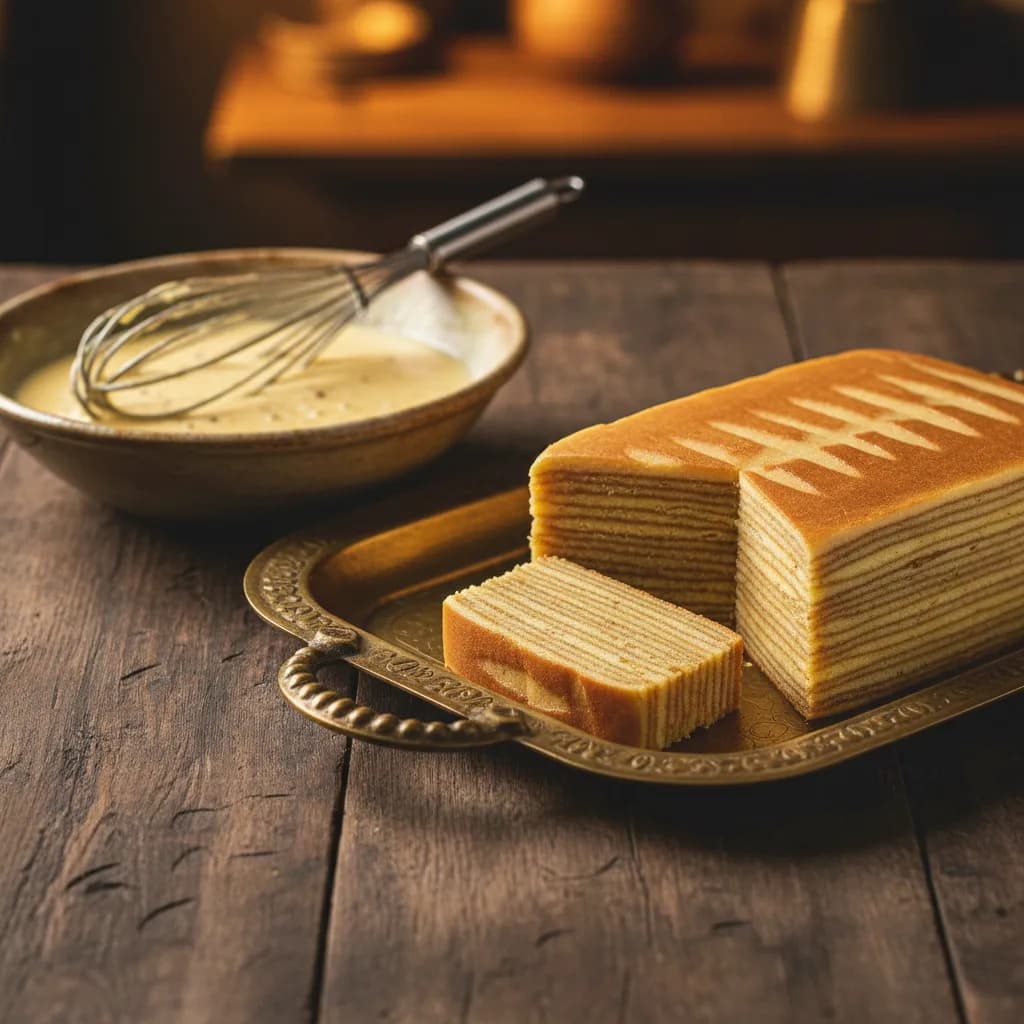
Nyonya baking grew up in shophouse kitchens with charcoal and later small electric ovens, and many of the recipes assume tools that a general supermarket will not stock. A kueh lapis tray is square and deep with straight sides, so each layer of batter spreads thin and cooks flat under the grill. Kueh bangkit needs a wooden or plastic mould carved with tiny flowers, birds or fish, and love letters need a hinged iron that folds a thin wafer around itself.
Before setting out, look through the family recipe book, or call the relative who owns it, and note which tools the recipe actually names. Some grandmothers wrote down tray sizes in inches, others never wrote them down at all. If the tray size is missing, measure the old tray at home if one still exists. Matching the size keeps the layer count right, and the layer count is what relatives will comment on first.
Reading the Shophouse Streets
Joo Chiat Road and the lanes around it are lined with restored two-storey shophouses, many with tiled facades in green, pink and cream and carved timber shutters on the upper floor. Among the cafes, kueh shops and provision stores there are still small businesses that serve home bakers, along with traditional bakeries that sell their own festive goods. The best approach is simply to walk the five-foot way slowly and look in at every doorway.
Kueh shops are worth a stop even if you plan to bake everything yourself. Watching how a counter displays its lapis, how thick the layers are and how the kueh bangkit is shaped tells you what local cooks consider the standard. Some shopkeepers are happy to talk about technique when the shop is quiet, especially if you buy a few pieces first. A short conversation about grill heat can save a ruined first tray.
Pandan, Coconut and the Fresh Side of the List
Many Nyonya festive recipes rely on fresh ingredients that do not keep: pandan leaves for colour and fragrance, freshly grated coconut, and good eggs in large numbers. A single kueh lapis can use well over a dozen yolks, so plan egg quantities carefully. The nearby Geylang Serai market is a natural stop for pandan and coconut, and it makes sense to do the fresh shopping last so the leaves stay green in the heat.
Dry goods can be bought ahead. Tapioca flour for kueh bangkit, rice flour, spice mixes for lapis and gula melaka for syrup all keep well when sealed. Buy them a week or two before baking day, store them in airtight tubs, and keep the fresh run for the morning you bake. Splitting the list this way also means two shorter trips through the neighbourhood instead of one long and heavy one.
When Hari Raya and Christmas Overlap the Prep
The east of Singapore has a mix of Peranakan, Malay, Chinese and Eurasian households, and the festive calendar here is crowded. Some years, Hari Raya baking for kueh tart and cookies arrives on its own. At the end of the year, Christmas fruit cakes sit alongside early New Year kueh bangkit. Shops nearby feel that rhythm, and the weeks before a major festival bring more shoppers and more stock of the seasonal items.
To avoid the busiest stretch, buy moulds and trays well before the final two weeks of any festival. Tools do not spoil, and having them at home early gives you time for a practice batch. Leave only the perishables for the last few days. Bakers who wait until the final weekend often find the carved moulds in the most popular patterns already gone, and end up with a plain design they did not want.
A Slow Walk Between Errands
Joo Chiat is pleasant to shop on foot, especially in the late afternoon when the light catches the shophouse tiles. After the supply errand, it is easy to stretch the walk toward Koon Seng Road, where some of the most photographed Peranakan terraces stand, or down toward Katong for a bowl of laksa before heading home. A baking trip here can double as a small heritage walk, which suits visiting relatives as much as residents.
Carry the tools in a sturdy bag and keep fragile carved moulds wrapped in a cloth. Wooden moulds can crack if they are dropped, and brass trays dent more easily than people expect. A folding trolley is common among older shoppers in the neighbourhood for good reason. It turns a heavy load of flour, eggs and a lapis tray into an easy stroll back to the bus stop.
Letting the Karpo APP Narrow the Search
If you are new to the area or to Nyonya baking, the Karpo APP can suggest kueh shops, baking supply stores and kitchenware shops around Joo Chiat and Katong based on what you want to make. Describe the plan in your own words, for example a first kueh lapis for Christmas and a batch of kueh bangkit for the New Year, and it will return a few places worth a look along with nearby stops to pair them with.
Use the list as a sketch of the route. Put the shops that sell moulds and trays first, the cafes and kueh counters in the middle, and the market last. If something on the list does not have the tray size you need, ask the Karpo APP for another option nearby rather than giving up on the afternoon. Questions about a specific tool or pattern are best put to the shopkeeper by phone before you make the trip.
Practical Notes for Joo Chiat Bakers
Wear comfortable shoes, since the shophouse rows stretch further than they look on a map. Bring cash as well as cards for small shops and market stalls. If you are buying a carved mould, check that the pattern is cut cleanly and deeply enough to leave a crisp print, and run a fingertip over the edges for rough spots that could tear the dough. A good mould will last for decades.
Write down the tray size, the number of layers and the grill setting after your first bake, and tuck that note inside the recipe book. The next generation will thank you. In a neighbourhood where so much of the baking tradition lives in memory rather than on paper, a small written record of what worked this year is one of the kindest things a home baker can leave behind.
Ask Karpo for more information.
Keep reading
- Chinatown Batik Canting Pen Picker: Fine Spouts for Silk
 Tiong Bahru Batik Canting Pen Picker: Handles and Bowls
 Katong Batik Canting Pen Picker: Wide Spouts for Wave Fills