 Chinatown Batik Canting Pen Picker: Fine Spouts for Silk
Hidden Gems & Odd Finds
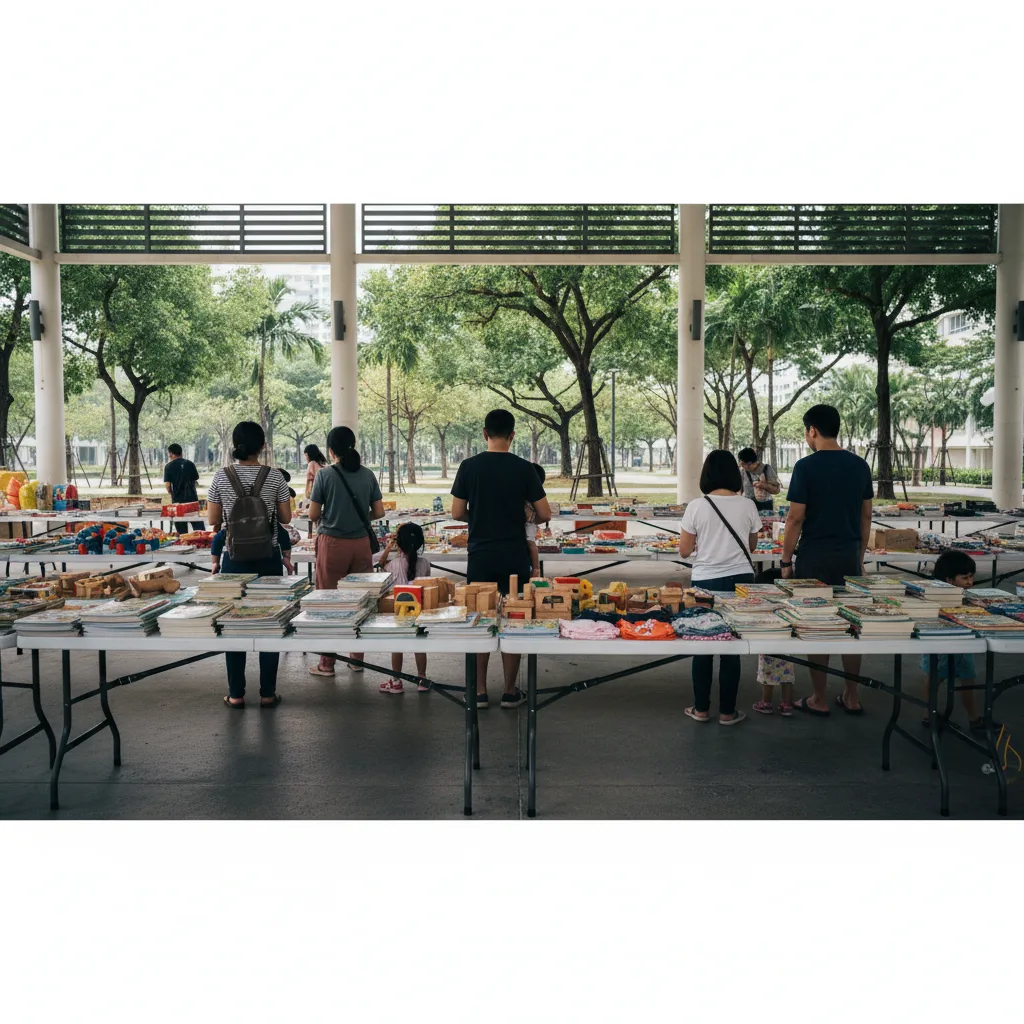
Katong Flea Market Browsing Guide for Young Families
Katong's weekend preloved markets suit parents hunting kids' books, toys and clothes, and this guide shows how to shop with children and still leave happy.
Children grow out of everything at once. Shoes that fitted in the school holidays are too small by the next term, picture books are outgrown in months and toy boxes fill faster than anyone can clear them. In Katong, many families have turned that problem into a weekend habit. Community preloved markets, mall pop-ups and swap tables appear across the neighbourhood, where parents sell what their children have outgrown and buy what the next stage needs. This flea market browsing guide is for those families: how to find good children's things second-hand, how to shop with kids in tow and how to make the trip feel like an outing rather than a chore.
Why Katong Families Buy Preloved
Katong has a long tradition as a family neighbourhood, from the old seaside bungalows and Peranakan terraces to the condominiums and HDB blocks around them today. Many households here have several children, cousins nearby and grandparents in the next street, so outgrown clothes and toys have always been passed around. Preloved markets are a natural extension of that habit, simply open to the whole community.
There are practical reasons too. Children's clothes are often barely worn before they are outgrown. Books and wooden toys last for years. Buying second-hand saves money, cuts waste and introduces children to the idea that things can have more than one life. Many parents also enjoy the social side, chatting with other families and swapping tips on schools, tuition and weekend activities.
Where the Markets Pop Up
Preloved events in Katong tend to move around. Some take place in sheltered community spaces in housing estates, others in mall atriums, church halls, school fairs or the void decks under HDB blocks. Parent groups on social media often share news of upcoming sales, and community centres sometimes run swap days where you bring things to exchange rather than sell.
Swap days have their own etiquette. Bring only clean, complete items that you would be happy to receive yourself, and do not empty the tables in the first few minutes. Many organisers suggest taking roughly as many items as you brought, which keeps the exchange fair for families who arrive later. If something you brought is still left at the end, offer it to the organisers to donate rather than carrying it home again.
Because the locations change, it helps to follow a few local parent groups and community centre pages. When a market is announced, note whether it is a sale, a swap or a mix of both, since that changes what you bring along.
What Is Worth Buying Second-Hand
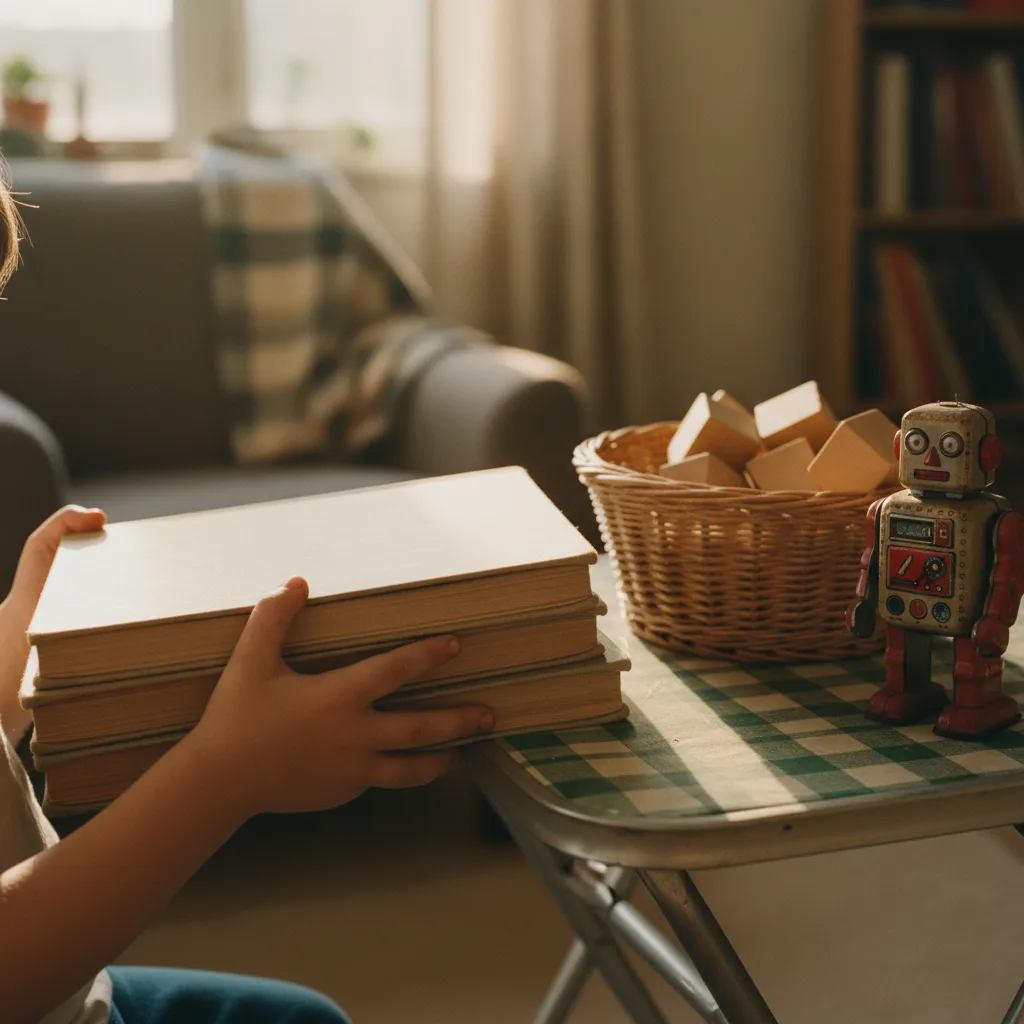
Books are the easiest win. Picture books, early readers and chapter books are often in good condition and much cheaper than new. Check that pages are intact and that pop-up or lift-the-flap parts still work. Wooden toys, puzzles, building blocks and dress-up costumes are also good finds, as long as all the pieces are there.
Clothes for babies and toddlers are excellent value, especially party outfits and festive clothes that are worn once or twice. Look for stains on collars and cuffs, test zips and buttons and check elastic waistbands. School uniforms sometimes appear too, which is useful for families whose children change schools.
Be more careful with car seats, cots and anything related to safety. These can be damaged in ways you cannot see, and safety standards change. Many parents prefer to buy these items new and use preloved markets for everything else.
Shopping With Children
Children can enjoy a preloved market, but only with a plan. Before you go, agree on a simple rule. One common approach is to give each child a small amount of pocket money and let them choose what to spend it on. This teaches them to compare, decide and live with their choice, and it stops the trip turning into a list of requests.
Let older children carry their own bag and make their own small purchases from friendly sellers. It builds confidence and turns the market into a lesson in counting and polite conversation. Younger children may be happier with a snack and a short time limit, so plan a quick visit and leave before they tire.
Selling and Swapping Your Own Things
If your home is full of outgrown items, consider taking a table at the next market or bringing a bag to a swap day. Sort clothes by age and size, wash and fold them neatly and group toys by type. Clear labels make browsing easy for other parents and help things sell quickly.
Children can help here too. Asking them to choose which toys they are ready to pass on, and letting them help at the table, gives them a sense of ownership. Many children are surprisingly happy to say goodbye to old toys when they see another child excited to take them home.
Making a Day of It
After the market, Katong has plenty to keep a family busy. East Coast Park is a short trip away, with wide paths for scooters, playgrounds, sea breezes and space to run. Bring the new picture books and read them under a tree, or let the children test a newly bought kite or ball on the grass.
For food, the neighbourhood's coffee shops and hawker stalls are used to families and offer simple dishes children enjoy, from noodles and chicken rice to kaya toast and soft-boiled eggs. A shared plate of local kueh is a nice small treat for everyone who behaved well at the market.
Practical Tips for Parents
Bring reusable bags, wet wipes, water bottles and a small hand towel, since many markets are outdoors or in warm sheltered spaces. Carry some cash for small purchases, as not every family seller has a card reader. Arrive early for the best choice of clothes and books, or late if you are happy to pick from what is left at a lower price.
Wash all clothes and wipe down toys before they go to your children. It is a simple step that most parents take as a matter of habit, and it makes preloved items feel fresh in your home.
Finding the Next Market
Since preloved events move around, it helps to know which second-hand shops in Katong are worth a look between markets. The Karpo APP can point you to thrift and preloved shops in the neighbourhood, so you can fill a gap in your child's wardrobe or bookshelf on any weekend.
Start small, involve the children and treat each market as part of family life rather than a shopping trip. Your home will feel lighter and your children will learn early that the best things do not always have to be new.
Ask Karpo for more information.
Keep reading
- Chinatown Batik Canting Pen Picker: Fine Spouts for Silk
 Tiong Bahru Batik Canting Pen Picker: Handles and Bowls
 Katong Batik Canting Pen Picker: Wide Spouts for Wave Fills