 Chinatown Batik Canting Pen Picker: Fine Spouts for Silk
Hidden Gems & Odd Finds
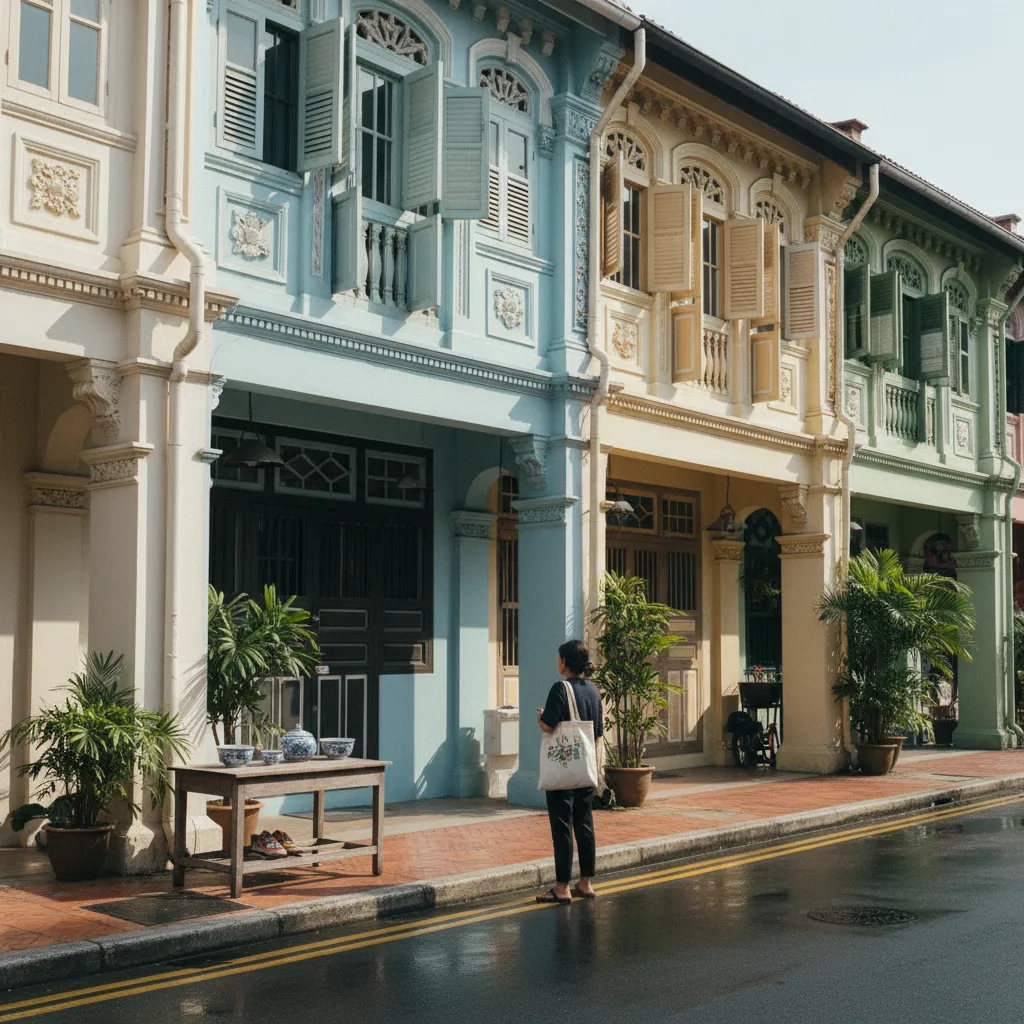
Joo Chiat Flea Market Browsing Guide to Peranakan Pieces
Joo Chiat is where Peranakan beadwork, kamcheng jars and kebaya lace still turn up, and this guide shows how to look at them closely before you think of buying.
Joo Chiat looks like a postcard, with pastel shophouses, carved doors and walls of hand-painted tiles. Behind some of those doors are small shops and family collections that keep the material world of the Peranakan community alive: beaded slippers sewn one glass bead at a time, pink and green porcelain made for nyonya kitchens, lace kebaya blouses and silver belts. Very little of it is cheap, and much of what looks old is new. This flea market browsing guide is about looking well rather than buying fast, so you can tell a fine heirloom from a pretty reproduction and leave with something you understand.
A Neighbourhood Built on Heritage
The Peranakan community, sometimes called Straits Chinese, grew from marriages and cultural mixing between Chinese traders and the Malay world. Over generations they created their own food, language, dress and decorative arts. Joo Chiat and nearby Katong became one of their heartlands in Singapore, and the ornate terrace houses along Koon Seng Road are still among the best-known images of that culture.
Because of that history, Joo Chiat has a scattering of shops that deal in Peranakan crafts, from newly made beadwork to genuine antiques passed down in families. Browsing them is like visiting a small museum where you can ask questions and sometimes touch the exhibits.
Reading Beaded Slippers
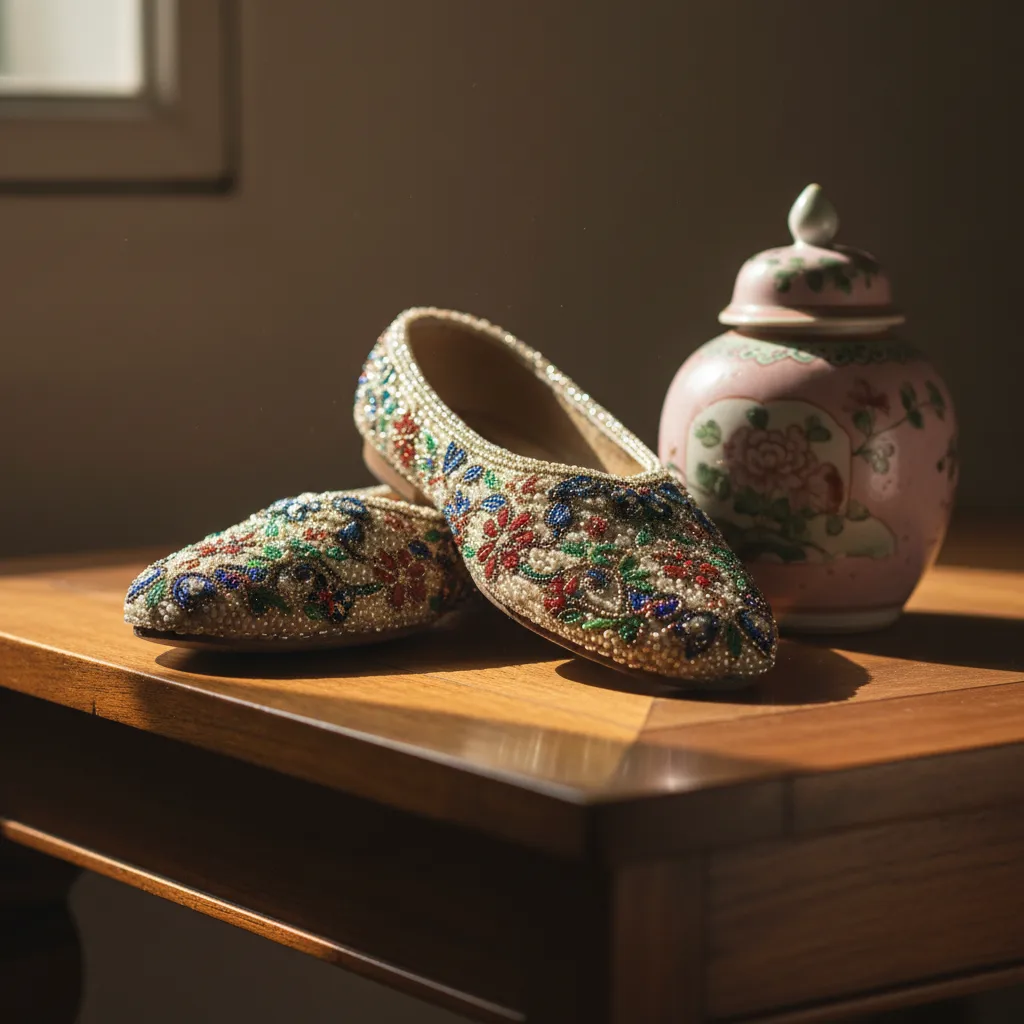
Kasut manek, the beaded slippers worn by nyonya women, are the most recognisable Peranakan craft. Each upper is covered in tiny glass beads sewn onto canvas in floral, bird or butterfly patterns. Look closely at the size of the beads. The finest old pieces use extremely small beads, which make the design look almost painted. Newer pairs often use larger beads with a simpler pattern.
Turn the slipper and look at the back of the beadwork if you can, and at the stitching where the upper meets the sole. Hand-sewn work has small irregularities and tight, even rows. Ask the seller who made the pair and whether the upper is old with a new sole, which is common and perfectly honest as long as it is explained. Beading a single pair can take a skilled maker many weeks, so a seller who knows the work will usually be happy to talk about it.
Nyonya Porcelain and Kamcheng
Peranakan porcelain is famous for its bright pinks, greens, yellows and blues, often decorated with phoenixes and peonies. The kamcheng, a lidded jar with a rounded body, is the classic piece, once used to hold water or food and often given at weddings. Plates, bowls, spoons and tiny cups in the same colours were used for celebrations and ancestor offerings.
Reproductions are everywhere, so treat bright, flawless pieces with caution. Older porcelain often shows gentle wear on the base and rims, slight unevenness in the enamel and colours that are rich but not shiny. Ask about the history of the piece and whether it has been repaired. You do not need to be an expert to enjoy these shops, but a few good questions will quickly show you which sellers know their stock.
Kebaya, Lace and Silver
The kebaya, a fitted blouse with delicate embroidery, is worn with a batik sarong and fastened with a set of linked brooches called kerongsang. Vintage kebaya are fragile and can be hard to find in good condition. Look at the embroidery under natural light, check the underarms and seams for stains or tears and ask whether the piece has been altered.
Peranakan silver includes belts, purses, hairpins and small boxes worked with fine patterns. Ask whether a piece is solid silver or plated, and look for wear on the high points that suggests real age. Even if you do not buy, holding a heavy old belt next to a light modern copy is a quick lesson in craftsmanship.
How to Browse Without Pressure
Many heritage shops in Joo Chiat are small and quiet, and some are run by people with a personal link to the objects. Greet the owner, explain that you are learning about Peranakan crafts and ask if they mind you looking slowly. This sets a relaxed tone and often leads to stories about families, weddings and old houses.
Be honest if you are only browsing. Sellers appreciate it, and you are more likely to be invited back. If you do want to buy, decide on one category in advance, such as a single porcelain spoon or a pair of newly made slippers, so you can compare a few examples rather than picking the first lovely thing you see.
Walking the Tiled Streets
Between shops, walk the residential lanes to see the architecture that frames these crafts. Look at the tiles set into the walls beside the doors, the carved timber pintu pagar half-doors and the plaster decoration above the windows. The same motifs of flowers and birds that appear on porcelain and beadwork turn up again on the house fronts.
Stop for a plate of laksa, kueh or a bowl of noodles along Joo Chiat Road or East Coast Road, where Peranakan food is part of everyday life. A slice of kueh lapis in its neat coloured layers is an edible version of the same patience you saw in the beadwork.
Who This Visit Suits
Design students and craft lovers will find the detail inspiring. Families with Peranakan roots can use the shops to talk with older relatives about objects they remember. Visitors who want a meaningful souvenir can buy a small piece of new beadwork from a local maker, which supports the craft and is easier to carry than old porcelain. Collectors should take their time and visit more than once before buying anything significant.
Carrying Fragile Finds Home
Porcelain and beadwork need care on the journey. Bring a soft scarf or a small towel to wrap anything breakable, and ask the seller to add extra paper around a jar. Keep beaded slippers flat in a box rather than squashed in a bag, since loose threads can pull and beads can fall away. If you are flying home, carry delicate pieces in your hand luggage and keep any notes the seller gave you about the piece's story.
Planning Your Loop
Joo Chiat's heritage shops are spread along long roads with quiet residential streets between them. Use the Karpo APP to see which Peranakan craft and antique shops sit close to each other, then plan a loop that passes the tiled terraces and ends with something to eat.
Look slowly, ask about the hands that made each piece and let the neighbourhood itself be part of the lesson. You will leave knowing far more than when you arrived, even if the only thing you carry home is a slice of kueh.
Ask Karpo for more information.
Keep reading
- Chinatown Batik Canting Pen Picker: Fine Spouts for Silk
 Tiong Bahru Batik Canting Pen Picker: Handles and Bowls
 Katong Batik Canting Pen Picker: Wide Spouts for Wave Fills